How to Make Authentic Tamales at Home – A Traditional Mexican Recipe
Have you ever wondered why the best tamales always seem to come from a grandmother’s kitchen? There’s a reason: Tamales (Traditional) are a labor of love, but making them at home is entirely achievable—and deeply rewarding. Not only do you control every ingredient, but you also capture the soul of Authentic Mexican Food that restaurant versions often miss. This guide walks you through each step, from masa to filling, so you can create a batch that rivals any abuela’s.
Ingredients & Kitchen Tools
For the Masa
– Masa harina (2 cups) – Instant corn flour, not cornmeal. Look for brands like Maseca.
– Lard or vegetable shortening (¾ cup) – Lard gives traditional richness; use coconut oil for dairy‑free.
– Warm chicken broth (1½ cups) – Adds flavor; vegetable broth works for vegetarian.
– Baking powder (1 tsp) – Helps masa become fluffy.
– Salt (½ tsp)
For the Filling (Pork Red Chile)
– Pork shoulder (1 lb) – Cut into chunks; can substitute chicken or beef.
– Dried guajillo chiles (4–5) – Stemmed and seeded; substitute ancho for milder heat.
– Garlic cloves (3) – Minced.
– Cumin (1 tsp), oregano (½ tsp)
– Salt and pepper – To taste.
Kitchen Tools
– Large steamer pot (tamalera) or a stockpot with a steamer basket.
– Mixing bowls.
– Corn husks (about 20) – Soak in warm water for 30 minutes before using.
– Stand mixer or hand mixer (optional, for beating masa).
– Measuring cups and spoons.
Prep Time & Cooking Schedule
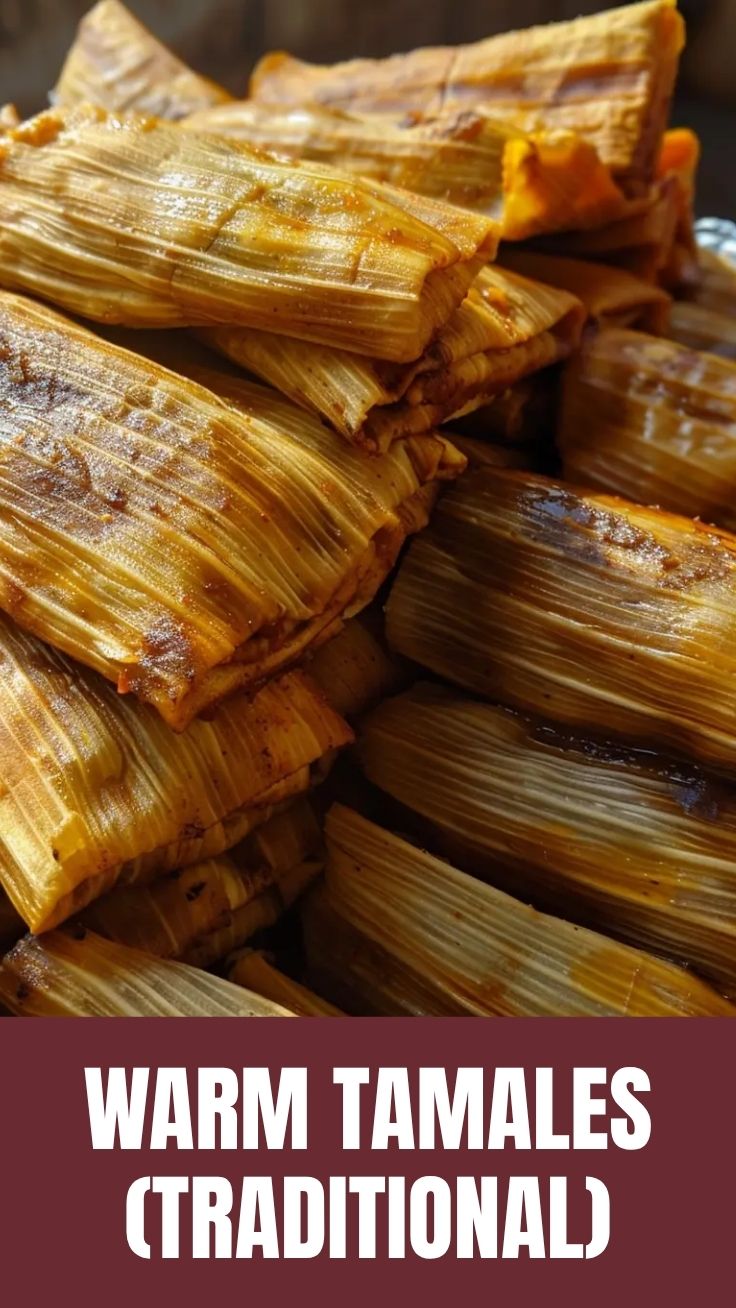
– Prep time: 1 hour (soaking husks, making filling, preparing masa).
– Assembly: 45 minutes (spreading, filling, folding).
– Cook time: 1½–2 hours (steaming).
– Resting time: 10 minutes after steaming (allows masa to set).
Plan for a weekend morning—the process is meditative, not rushed. You can also make the filling a day ahead to save time.
Step-by-Step Instructions
1. Prepare the filling. Simmer pork in salted water until tender (about 1 hour). Meanwhile, toast guajillo chiles in a dry pan for 2 minutes, then rehydrate in hot water for 15 minutes. Blend chiles with garlic, cumin, and oregano. Shred the pork and mix with the chile sauce. Season with salt.
2. Make the masa. In a bowl, beat lard (or shortening) with baking powder until fluffy. Gradually add masa harina and warm broth, mixing until a soft dough forms. A small ball should float in water—if it sinks, add more broth or lard.
3. Assemble tamales. Drain soaked husks. Spread about 2 tablespoons of masa onto the center of each husk (leave a border). Add 1 tablespoon of filling on top. Fold sides over and then fold up the bottom. For authenticity, feel the rhythm—this is where Tamales (Traditional) come to life.
4. Steam. Stand tamales upright in the steamer (open end up). Cover with a damp towel, then lid. Steam over medium heat for 1½–2 hours, adding water as needed. The masa should pull away from the husk easily. This process epitomizes Authentic Mexican Food—simple ingredients transformed by patience.
– Tip: If masa is too sticky, add a bit more masa harina. Too dry? Add warm broth a tablespoon at a time.
Nutritional Benefits & Advantages
Corn masa is naturally gluten‑free and provides complex carbohydrates for steady energy. Pork (or other protein) offers iron and B vitamins. Chilies contain capsaicin, which may boost metabolism. Making tamales at home lets you control sodium and avoid preservatives, making them a healthier take on street‑style comfort food.
Tips, Variations & Cooking Advice
– Flavor swaps: Use chicken mole, cheese with roasted poblano, or black beans for vegetarian versions.
– Cooking methods: If you lack a steamer, use a large pot with a colander and tight lid. Add a few bay leaves to the water for aroma.
– Dietary adaptations: Replace lard with vegetable shortening or vegan butter for dairy‑free/plant‑based. Use gluten‑free broth.
– Portion changes: Cut the recipe in half for a small batch, or double it for a crowd—tamales freeze beautifully.
Common Mistakes to Avoid
– Over‑wetting the masa: Masa should be spreadable but not runny. Test the “float test” to ensure proper hydration.
– Too much filling: Overstuffed tamales burst during steaming. Stick to 1 tablespoon.
– Insufficient steaming time: Tamales need at least 1½ hours. Under‑cooked masa will be grainy.
– Loose folds: If tamales unfurl, they absorb too much water. Fold tightly, securing with a thin strip of husk if needed.
Storage & Meal Prep Tips
– Refrigeration: Store cooked tamales in an airtight container for up to 5 days. Reheat by steaming for 10 minutes or microwaving with a damp paper towel.
– Freezing: Lay tamales on a tray, freeze solid, then transfer to a freezer bag. They keep for 3 months. Reheat directly from frozen (steam for 20–25 minutes).
– Meal prep: Make the filling and masa separately up to 2 days ahead. Assemble and steam the day you serve.
Conclusion
Mastering Tamales (Traditional) is a skill that brings immense satisfaction—and a platter of irresistible parcels. By following these steps, you don’t just create a meal; you connect with a centuries‑old tradition that defines Authentic Mexican Food. Try this recipe for your next family gathering, then share your photos and tag us—we’d love to see your tamale journey!
FAQs
1. Can I use store‑bought masa dough instead of making from scratch?
Yes, pre‑prepared masa (often labeled “masa preparada para tamales”) saves time. Just add broth or lard to achieve the right consistency.
2. Why did my masa turn out gummy?
You may have overworked the dough or used too much water. Next time, mix just until combined, and test the float test before assembling.
3. How do I know when tamales are done?
Unfold one—the husk should peel away cleanly from the masa. If sticky or doughy, steam another 15–20 minutes.
4. Can I make tamales without corn husks?
Corn husks are traditional, but banana leaves (for a different flavor) work well. Soak and soften them before folding.
5. My filling is too dry—how can I fix it?
Add a splash of broth or water and reheat the filling while stirring. A moist filling prevents crumbly tamales.
Proven way to grow 5 Tamales (Traditional)
Ingredients
Equipment
Method
- Combine pork shoulder, water, onion, garlic, bay leaves, and 1 tbsp of salt in a large pot.
- Bring the mixture to a boil, then reduce heat, cover, and simmer for 2-3 hours until the pork is tender and easily shredded.
- Remove the pork from the pot, reserving the cooking liquid, and shred it using two forks.
- In a large skillet, heat a small amount of oil, then add the shredded pork and stir in cumin, chili powder, and oregano.
- Add about 1 cup of the reserved cooking liquid to the pork, mix well, and simmer for 10-15 minutes, allowing flavors to meld and the liquid to reduce.
- In a large bowl, beat the softened lard or shortening until it is light and fluffy.
- In a separate bowl, combine masa harina, baking powder, and salt, then gradually add this mixture to the lard, alternating with warm broth.
- Continue beating until a light, fluffy dough forms, adding more broth if needed to achieve a consistency similar to soft cookie dough.
- Spread about 2-3 tablespoons of masa dough thinly onto the wider end of a soaked corn husk, leaving a border around the edges.
- Place 1-2 tablespoons of the pork filling in the center of the masa.
- Fold one side of the corn husk over the filling and dough, then fold the other side over to overlap, and fold up the narrow end of the husk to seal the bottom.
- Repeat this process with the remaining masa, filling, and corn husks.
- Arrange tamales upright in a steamer basket, ensuring they are not packed too tightly.
- Pour water into the steamer pot, making sure it does not touch the tamales, then bring to a boil, cover, and steam for 1.5 to 2 hours.
- Tamales are done when the masa easily separates from the corn husks; let them rest for 10-15 minutes before serving for a firmer texture.