The Ultimate Guide to Authentic Pozole: A Hearty Mexican Stew You’ll Love
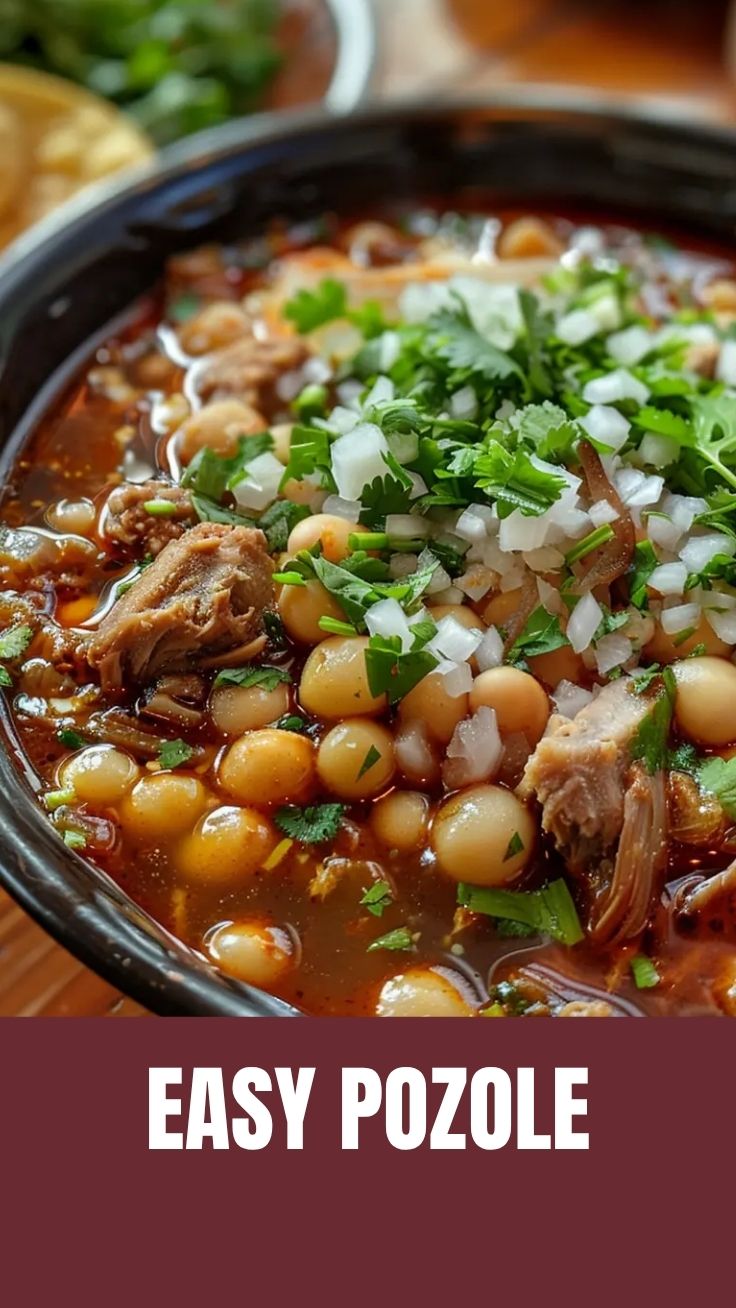
Have you ever craved a bowl of something warm, rich, and deeply satisfying that feels like a hug in a bowl? That’s exactly what Pozole delivers—a traditional Mexican soup made with tender hominy, succulent pork, and a bold red or green chile broth. Preparing it at home not only fills your kitchen with incredible aromas but also lets you control every ingredient for a healthier, more personalized meal. Whether you’re new to Mexican cuisine or a seasoned home cook, mastering this dish is a rewarding journey. In this guide, you’ll discover everything from ingredients and step-by-step instructions to storage tips and common pitfalls—all while learning how a perfect Pozole can become your new favorite comfort food.
Ingredients & Kitchen Tools
For the Pozole (serves 6–8)
– 2 lbs pork shoulder or pork butt – cut into 1-inch cubes; provides rich flavor and tender texture.
– 2 cups dry hominy (or one 25-oz can, rinsed) – the signature corn kernels that give pozole its unique chew.
– 8 cups chicken or pork broth – best quality; homemade adds depth.
– 4 dried guajillo chiles – stems and seeds removed; soak in hot water for 15 minutes.
– 2 dried ancho chiles – similar prep; adds mild sweetness.
– 4 garlic cloves – minced.
– 1 medium white onion – diced; half for broth, half for garnish.
– 2 tsp dried oregano (Mexican oregano preferred).
– 1 tsp ground cumin.
– Salt and black pepper to taste.
– Optional: 1 bay leaf, 2 tbsp vegetable oil for browning.
For Garnishes (traditional)
– Shredded cabbage or iceberg lettuce.
– Radishes – thinly sliced.
– Fresh cilantro – chopped.
– Lime wedges.
– Diced avocado.
– Crumbled queso fresco or cotija cheese.
– Tostadas or crispy tortilla strips.
Kitchen Tools
– Large heavy-bottomed pot or Dutch oven (6–8 qt).
– Blender or immersion blender for chile sauce.
– Sharp chef’s knife and cutting board.
– Slotted spoon and ladle.
– Bowls for serving.
Prep Time & Cooking Schedule
– Prep time: 25 minutes (soak chiles, chop vegetables, cut pork).
– Cook time: 2 to 2.5 hours (if using dry hominy) or 1.5 hours (canned hominy).
– Resting time: 15 minutes after cooking – allows flavors to meld.
– Total time: Approximately 3 hours, mostly hands-off simmering. Ideal for a weekend meal prep or a cozy Sunday dinner.
Why the long simmer? Pork shoulder needs low-and-slow cooking to become fork-tender, while dry hominy requires extra time to soften and release its nutty flavor. Canned hominy cuts the cook time but still delivers great results.
Step-by-Step Instructions
1. Prepare the chiles: Place stemmed, seeded guajillo and ancho chiles in a bowl and cover with boiling water. Soak for 15 minutes until soft. Transfer to a blender with 1 cup of the soaking water, 2 garlic cloves, and a pinch of salt. Blend until smooth. Set aside.
2. Brown the pork: Heat 2 tbsp oil in your large pot over medium-high heat. Add pork cubes in batches (don’t overcrowd) and brown on all sides – about 4–5 minutes per batch. Transfer browned pork to a plate.
3. Build the base: Reduce heat to medium, add remaining diced onion (reserve half for garnish) and garlic. Sauté 2 minutes. Pour in the blended chile sauce and cook for 2 minutes, stirring constantly, until fragrant.
4. Combine and simmer: Return pork to the pot, add broth, hominy (if using dry, add at this stage; canned add later), oregano, cumin, bay leaf (optional), and salt. Bring to a boil, then reduce to a low simmer. Cover and cook for 1.5 hours (canned hominy) or 2–2.5 hours (dry hominy), stirring occasionally, until pork is tender and hominy is chewy-tender.
5. Add canned hominy (if using): If you opted for canned hominy, add it during the last 30 minutes of cooking. This prevents it from becoming mushy.
6. Adjust seasoning: Taste the broth and adjust salt, pepper, or a squeeze of lime. The chile flavor should be bold but not overpowering. Your authentic Pozole is now ready, and this classic pozole recipe uses simple techniques for maximum depth.
7. Serve and garnish: Ladle hot pozole into bowls. Let each person add their preferred garnishes: cabbage, radish, cilantro, lime, avocado, cheese, and tostadas.
Pro tip for texture: If the broth seems thin at the end, remove 1 cup of the cooking liquid and blend it with 2 tbsp of hominy, then stir back in – this adds body naturally.
Nutritional Benefits & Advantages
Pozole is more than delicious – it’s nutrient-dense. Pork provides high-quality protein, B vitamins (especially B12), and zinc for immune support. Hominy, made from dried maize, is a good source of fiber and resistant starch, which supports gut health. The chiles are rich in capsaicin (metabolism-boosting) and vitamin C. Garnishes like cabbage and radish add fiber and antioxidants. One serving (1.5 cups with garnishes) contains roughly 400–500 calories, making it a satisfying meal that keeps you full longer. For those watching sodium, homemade broth lets you control salt levels.
Tips, Variations & Cooking Advice
– Flavor variations: Swap red chiles for green tomatillo-based sauce (salsa verde) for a tangy twist. Add a pinch of Mexican cinnamon or a teaspoon of chipotle in adobo for smokiness.
– Protein swaps: Use chicken thighs instead of pork – reduce cook time to about 1 hour. Or make a vegetarian version using jackfruit or hearty mushrooms and vegetable broth.
– Grain-free adaptation: Omit hominy and replace with cauliflower florets (add in last 20 minutes) for a low-carb pozole.
– Quick version: Use canned hominy and pre-cooked pulled pork (rotisserie chicken works too) to cut total time to 40 minutes.
– Dietary notes: To keep it gluten-free, ensure broth and chiles are certified GF. For dairy-free, skip the cheese garnish.
Common Mistakes to Avoid
– Skipping the chile soak: Dry chiles need rehydration to blend smoothly – otherwise, the sauce will be gritty.
– Burning the chile paste: After adding blended chiles, stir constantly and keep heat medium-low. Burnt chiles create a bitter, unpleasant taste.
– Overcooking hominy: Canned hominy only needs 30 minutes; dry hominy needs about 2 hours. Over-boiling makes it mushy.
– Not skimming fat: Pork releases rendered fat – skim off excess during simmering for a cleaner broth.
– Serving without resting: Let the pozole sit off heat for 15 minutes – flavors deepen and hominy absorbs more broth.
Storage & Meal Prep Tips
– Refrigeration: Cool completely, then store in airtight containers for up to 4 days. The soup thickens as it sits – thin with broth or water when reheating.
– Freezing: Pozole freezes exceptionally well (including hominy). Portion into freezer-safe bags or containers, leaving 1-inch headspace. Freeze up to 3 months.
– Reheating: Thaw overnight in the fridge. Reheat gently on the stovetop over medium-low, stirring occasionally. Add a splash of broth or lime juice to revive flavors. Avoid microwaving on high – it can make hominy rubbery.
– Meal prep tip: Prepare chile sauce and cook pork up to 2 days ahead. Store separately, then combine and simmer with hominy on serving day for freshest taste.
Conclusion
This authentic Pozole recipe brings tradition, nutrition, and incredible flavor to your table. By following these steps, you’ll create a soul-warming stew that rivals any restaurant version. Whether you stick to the classic red chile broth or experiment with green variations, a well-made pozole recipe is a treasure in any home cook’s repertoire. The key is patience – low and slow simmering unlocks the deep, layered taste that makes this dish unforgettable. I encourage you to make a big batch, invite friends or family, and customize each bowl with your favorite toppings. Once you taste that first spoonful of rich, chile-infused broth with tender pork and hominy, you’ll understand why Pozole has been cherished for generations. Share your results in the comments below and explore more Mexican-inspired recipes next!
FAQs
1. Can I use chicken instead of pork?
Absolutely. Boneless chicken thighs work best – brown them briefly, then simmer for about 1 hour. The flavor will be milder, so consider adding an extra garlic clove and a pinch of smoked paprika.
2. How do I make pozole less spicy?
Reduce the number of guajillo chiles to two and omit anchos, or remove all seeds and veins before soaking. Adding a dollop of sour cream or more cheese at serving also tames heat.
3. My hominy turned out hard. What went wrong?
Dry hominy (maize) requires long soaking (overnight) plus 2+ hours of simmering. If using canned hominy, ensure it’s added only during the last 30 minutes. Also, check that your water isn’t too alkaline – very hard water can slow softening.
4. Can I make pozole in a slow cooker or Instant Pot?
Yes! For slow cooker: brown pork first, then combine all ingredients (except canned hominy) and cook on low 8 hours. Add canned hominy in last hour. For Instant Pot: use sauté mode to brown pork, then pressure cook on high for 35 minutes with dry hominy (natural release 20 minutes). Quick release carefully.
5. Why does my pozole taste bland?
Pozole relies on deep umami from chiles and pork. Common fixes: use a richer broth (homemade chicken stock), increase garlic/onion, add a splash of fish sauce or soy sauce (secret boost), and finish with fresh lime juice and oregano right before serving.
How to Grow Pozole
Ingredients
Equipment
Method
- Cut pork into large chunks, season generously with salt, and brown on all sides in a large pot or Dutch oven over medium-high heat. Add the quartered onion, peeled garlic cloves, and bay leaves to the pot, then cover with enough water or chicken broth.
- Bring the liquid to a boil, then reduce heat to low, cover, and simmer for 2 to 3 hours, or until the pork is very tender and easily shreds. Carefully remove the cooked pork from the pot, shred it using two forks, and set aside.
- Strain the cooking liquid into a separate bowl; discard the solids (onion, garlic, bay leaves), reserving the broth. While the pork cooks, remove stems and seeds from the dried Guajillo, Ancho, and Arbol chilies, then place them in a heatproof bowl.
- Pour hot water over the chilies and let them rehydrate for about 20-30 minutes, until softened. Transfer the rehydrated chilies to a blender with about 1 cup of the reserved pork broth and blend until completely smooth.
- Carefully strain the blended chili mixture through a fine-mesh sieve into a clean large pot or back into the cleaned Dutch oven, pressing firmly on the solids to extract all liquid, then discard the pulp. Bring the strained chili sauce to a simmer and cook for about 15 minutes, allowing it to thicken slightly and deepen in flavor.
- Add the shredded pork back into the pot with the chili sauce, along with the drained and rinsed hominy. Pour in the remaining reserved pork broth, ensuring the hominy and pork are well submerged.
- Stir in the dried Mexican oregano and ground cumin, then bring the mixture to a gentle simmer. Cook for another 20-30 minutes, allowing all the flavors to meld together and the hominy to fully heat through; adjust seasoning with more salt if needed.
- Ladle the hot pozole into individual bowls. Serve with a variety of garnishes on the side, including thinly sliced radishes, shredded green cabbage, finely diced white onion, fresh chopped cilantro, and lime wedges for squeezing over.