Why You Should Master Garlic Shrimp Linguine with Spinach at Home
Have you ever craved a restaurant-quality pasta dish but hesitated because it seemed too complex to make from scratch? The truth is, Garlic Shrimp Linguine with Spinach delivers all the bold, garlicky, and slightly spicy flavors of a classic Aglio e Olio but adds succulent shrimp and fresh spinach for a complete meal. Preparing this recipe at home not only saves money but gives you full control over ingredient quality and spice levels. The secret lies in balancing the olive oil, garlic, and chili—a technique that transforms simple pantry staples into a memorable dinner. In this guide, I’ll walk you through every step, from selecting the right pasta to achieving that perfect al dente bite, while sharing expert tips to avoid common pitfalls. Let’s dive into the world of homemade Aglio e Olio and explore how this dish fits beautifully into your collection of quick Pasta Recipes.
—
Ingredients & Kitchen Tools
For the dish:
– 12 oz linguine – Use bronze-die-cut pasta for better sauce adherence.
– 1 lb large shrimp (peeled, deveined) – Wild-caught preferred; pat dry for searing.
– 6 cloves garlic (thinly sliced) – Fresh, not pre-minced, for optimal flavor release.
– ¼ cup extra-virgin olive oil – A good-quality oil is non-negotiable.
– ½ tsp red pepper flakes – Adjust to your heat tolerance.
– 3 cups fresh spinach – Baby spinach works best; rinse and dry thoroughly.
– Salt and black pepper – Kosher salt for pasta water; fine sea salt for seasoning.
– Zest and juice of 1 lemon – Adds brightness and cuts richness.
– ¼ cup grated Parmesan (optional) – For a savory finish.
Kitchen tools:
– Large pot (for pasta) + colander
– Large skillet (12-inch preferred) – Stainless steel or nonstick.
– Tongs or pasta spoon
– Microplane or zester
– Chef’s knife and cutting board
– Measuring spoons
Substitutions:
– Shrimp → Chicken breast (cook separately) or firm tofu for vegetarians.
– Spinach → Kale (massaged) or arugula.
– Linguine → Spaghetti, fettuccine, or gluten-free pasta.
—
Prep Time & Cooking Schedule
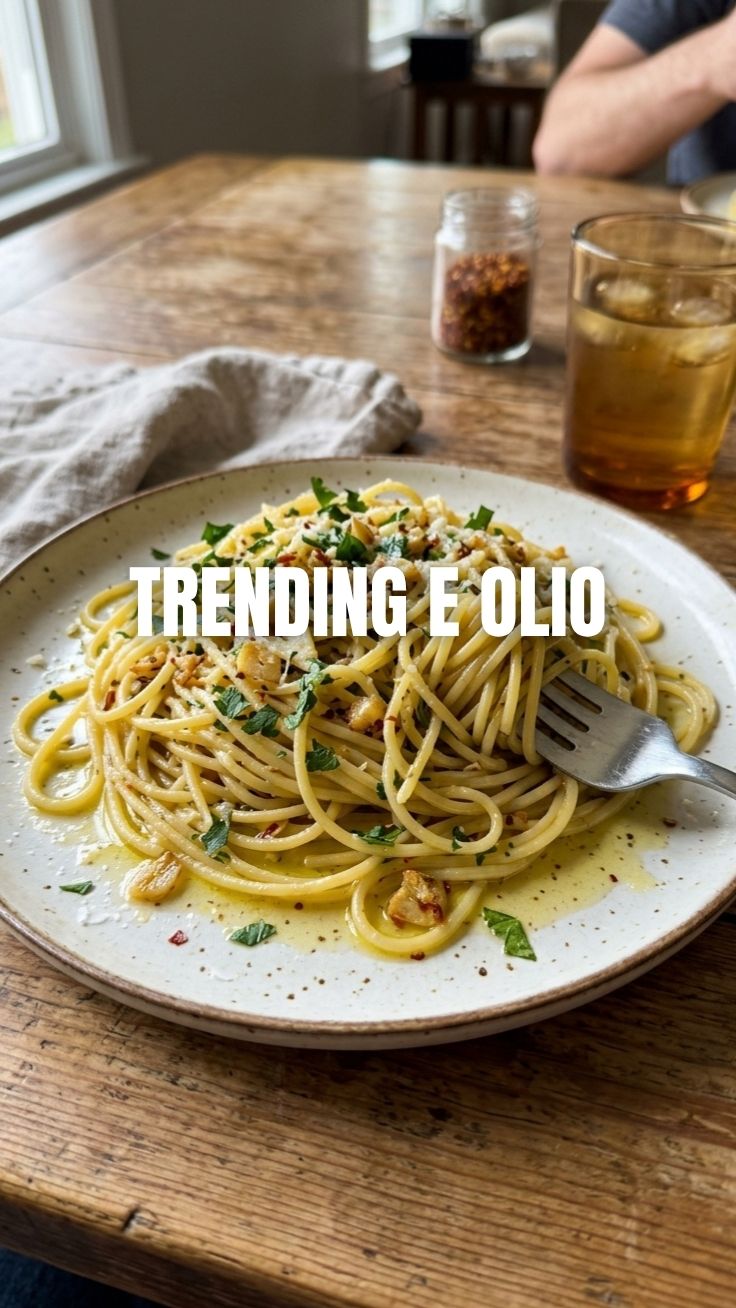
– Prep time: 15 minutes (peel shrimp, slice garlic, zest lemon)
– Cook time: 20 minutes (including pasta boiling)
– Total time: 35 minutes
– Resting time: 2 minutes after tossing (allows flavors to meld)
Plan to start boiling water while you prep. The shrimp and sauce come together in the final 5 minutes, so have everything within arm’s reach.
—
Step-by-Step Instructions
1. Bring a large pot of heavily salted water to a rolling boil (about 1 tbsp salt per 4 quarts water). Add linguine and cook until 1 minute shy of al dente (reserve 1 cup pasta water before draining).
2. While pasta cooks, heat 2 tbsp olive oil in a skillet over medium-high. Season shrimp with salt and pepper. Sear in a single layer for 90 seconds per side until pink and slightly golden. Transfer to a plate.
3. Lower heat to medium. Add remaining 2 tbsp olive oil, sliced garlic, and red pepper flakes. Cook gently for 30–40 seconds—garlic should sizzle but not brown. If it darkens too fast, remove skillet from heat briefly.
4. Add fresh spinach and toss with tongs until wilted (about 1 minute). Pour in ½ cup reserved pasta water and bring to a simmer.
5. Add drained linguine and shrimp to the skillet. Toss vigorously for 1 minute, adding more pasta water if needed to create a silky, emulsified sauce. The starch in the water binds the oil and garlic into a cohesive coating—this is the soul of Garlic Shrimp Linguine with Spinach. For extra depth, finish with lemon zest and juice. If you enjoy experimenting with different bases, check out our collection of Pasta Recipes for more inspiration.
6. Plate immediately. Top with Parmesan and extra red pepper if desired. Serve with crusty bread to soak up every drop.
—
Nutritional Benefits & Advantages
This dish is surprisingly balanced. Shrimp provides high-quality lean protein (20g per 4-ounce serving) and selenium, a powerful antioxidant. Spinach delivers iron, vitamin K, and folate, while extra-virgin olive oil contributes heart-healthy monounsaturated fats. The moderate carbohydrate load from linguine offers sustained energy, especially if you choose whole-wheat or legume-based pasta. By controlling the oil and salt, you keep the calorie count around 550 per serving—ideal for a satisfying weekday dinner that doesn’t weigh you down.
—
Tips, Variations & Cooking Advice
– Flavor variations: Swap shrimp for clams or mussels; add sun-dried tomatoes for sweetness; toss in toasted pine nuts for crunch.
– Ingredient swaps: Use gluten-free pasta and omit Parmesan for a dairy-free version. Replace shrimp with chickpeas for a plant-based twist.
– Cooking methods: For a smoky flavor, grill the shrimp on skewers before adding to the pan.
– Portioning: Double the garlic and chili for a bolder kick; reduce olive oil by 1 tbsp if calorie conscious.
– Make it ahead: Prep garlic and shrimp up to 1 day in advance, but cook the pasta fresh for best texture.
—
Common Mistakes to Avoid
– Overcooking garlic – It turns bitter. Always cook on medium heat and remove from heat if it browns too quickly.
– Soggy pasta – Undercook by 1–2 minutes and finish in the sauce; this allows it to absorb flavor without turning mushy.
– Dry sauce – Don’t skip the pasta water! The starch is essential for emulsion. If the sauce seems thin, toss in a pat of butter or a splash more oil.
– Rubbery shrimp – Sear quickly on high heat. Overcrowding the pan causes steaming—cook in batches if needed.
– No salt in pasta water – The water should taste like the sea; under-salted water leads to bland noodles.
—
Storage & Meal Prep Tips
– Refrigerate leftovers in an airtight container for up to 2 days.
– Freeze the shrimp and sauce (without pasta) for up to 1 month. Cook fresh pasta when ready to serve.
– Reheat gently in a skillet with a splash of water or broth over medium-low heat. Avoid the microwave—it can make shrimp tough and pasta sticky.
– Meal prep: Cook pasta and sauce separately, then combine only when reheating to maintain texture.
—
Conclusion
Mastering this Garlic Shrimp Linguine with Spinach unlocks a world of quick, Italian-inspired dinners that rival takeout. The technique of emulsifying olive oil with starchy pasta water is the same skill that makes classic Aglio e Olio so beloved, and once you’ve perfected it, you can apply it to countless other Pasta Recipes. I encourage you to try this recipe tonight, tweak the spice to your liking, and share your results in the comments. For more weeknight wonders, explore our other quick pasta dishes—happy cooking!
—
FAQs
1. Can I use frozen shrimp?
Yes, but thaw completely and pat very dry to avoid excess water in the pan. Frozen pre-cooked shrimp only need a quick 30-second sear.
2. What if I don’t have red pepper flakes?
Substitute with a pinch of cayenne pepper or a finely chopped fresh chili. You can also omit for a milder dish.
3. Why did my sauce turn oily instead of creamy?
You likely added too much oil relative to pasta water. Next time, start with less oil and gradually add water while tossing vigorously.
4. Can I make this without shrimp for a vegetarian version?
Absolutely. Replace shrimp with sautéed mushrooms, roasted cherry tomatoes, or cannellini beans. Follow the same method.
5. How do I keep spinach from getting slimy?
Always wash and spin-dry spinach thoroughly. Add it only after the garlic and oil are hot, and toss just until wilted—about 1 minute.
Quick way to grow your Aglio e Olio in 5 steps
Ingredients
Equipment
Method
- Cook spaghetti according to package directions in a large pot of generously salted boiling water, then reserve about 1/2 cup of the pasta water before draining.
- While the pasta cooks, heat extra virgin olive oil in a large skillet over medium-low heat, then add sliced garlic and red pepper flakes, cooking until the garlic is fragrant and lightly golden.
- Add the drained pasta directly to the skillet with the garlic and oil mixture, tossing it well to coat everything evenly.
- Gradually add a splash of the reserved pasta water to the skillet, stirring continuously until a light, emulsified sauce forms and coats the pasta.
- Finally, stir in the fresh chopped parsley and season with salt and black pepper to taste before serving immediately.