Master Pasta alla Norma: Authentic Sicilian Eggplant Pasta at Home
Have you ever wondered why Pasta alla Norma (Eggplant) is so beloved across Italy? This classic dish, hailing from the sun-drenched island of Sicily, transforms simple ingredients into a symphony of flavors. Preparing it at home is not just about following a recipe—it’s about bringing a piece of Mediterranean summer to your table. With its rich tomato sauce, tender fried eggplant, and salty ricotta salata, this pasta is a celebration of simplicity and depth. In this guide, we’ll explore every step to ensure your Pasta alla Norma rivals any trattoria. You’ll also discover why Sicilian cuisine is revered for its use of fresh, bold ingredients.
Ingredients & Kitchen Tools
Ingredients:
– 1 lb (450g) dry pasta (rigatoni, penne, or spaghetti work well) – Choose a shape that holds sauce.
– 2 large globe eggplants (about 1.5 lbs) – Select firm, glossy eggplants for low bitterness.
– 2 tbsp sea salt – For drawing out moisture and bitterness from eggplant.
– 1/4 cup extra virgin olive oil (plus more for frying) – A high-quality oil enhances flavor.
– 4 garlic cloves, thinly sliced – Fresh garlic is essential for aroma.
– 1 can (28 oz/800g) San Marzano tomatoes, crushed – These have superior sweetness.
– 1/2 cup fresh basil leaves, torn – Use for both sauce and garnish.
– 1/2 tsp red pepper flakes (optional) – Adds a gentle heat.
– 1 cup ricotta salata cheese, grated or crumbled – A salty, firm cheese; substitute with pecorino if unavailable.
– Salt and black pepper to taste.
Kitchen Tools:
– Large pot (for boiling pasta)
– Heavy-bottomed skillet or Dutch oven (for sauce)
– Colander
– Chef’s knife and cutting board
– Slotted spoon (for frying eggplant)
– Paper towels (to absorb excess oil)
– Wooden spoon or spatula
Optional Substitutions:
– Gluten-free: Use gluten-free pasta made from corn or rice.
– Dairy-free: Replace ricotta salata with a vegan almond-based cheese or nutritional yeast.
– Low-oil: Roast eggplant at 400°F (200°C) instead of frying.
Prep Time & Cooking Schedule
– Prep time: 20 minutes (includes salting eggplant and crushing tomatoes)
– Cooking time: 30 minutes (10 minutes for sauce, 20 minutes for pasta)
– Total time: Approximately 50 minutes
– Resting time: 5 minutes after cooking for flavors to meld
Context: Start salting the eggplant first to draw out moisture while you prep other ingredients. Cook sauce while eggplant fries, then cook pasta simultaneously. This staggered approach ensures everything finishes at once.
Step-by-Step Instructions
1. Prepare the eggplant: Cut eggplants into 1-inch cubes. Toss with 2 tbsp salt and let sit in a colander for 15 minutes. Rinse thoroughly and pat dry with paper towels. This step reduces bitterness and prevents oil absorption.
2. Fry the eggplant: Heat 1/4 inch of olive oil in a large skillet over medium-high heat until shimmering (about 350°F). Fry eggplant in batches without crowding—cook until golden brown on all sides, about 4-5 minutes. Transfer to paper towels to drain. Temperature tip: If oil smokes, reduce heat slightly to maintain crispness.
3. Build the sauce: In a large skillet, heat 2 tbsp olive oil over medium heat. Add garlic and red pepper flakes; sauté until fragrant, about 30 seconds. Add crushed tomatoes and a pinch of salt. Simmer uncovered for 10-12 minutes, stirring occasionally, until slightly thickened. Stir in half the fried eggplant and most of the basil.
4. Cook the pasta: Meanwhile, bring a large pot of salted water to a rolling boil. Add pasta and cook until al dente (1-2 minutes less than package directions). Reserve 1 cup of pasta water before draining.
5. Combine: Toss drained pasta with the sauce. Add reserved pasta water a splash at a time if needed for consistency. Fold in remaining fried eggplant and adjust seasoning with salt and pepper. This is where you taste the harmony of Pasta alla Norma—it showcases the best of Sicilian cuisine through balance of sweet, salty, and savory.
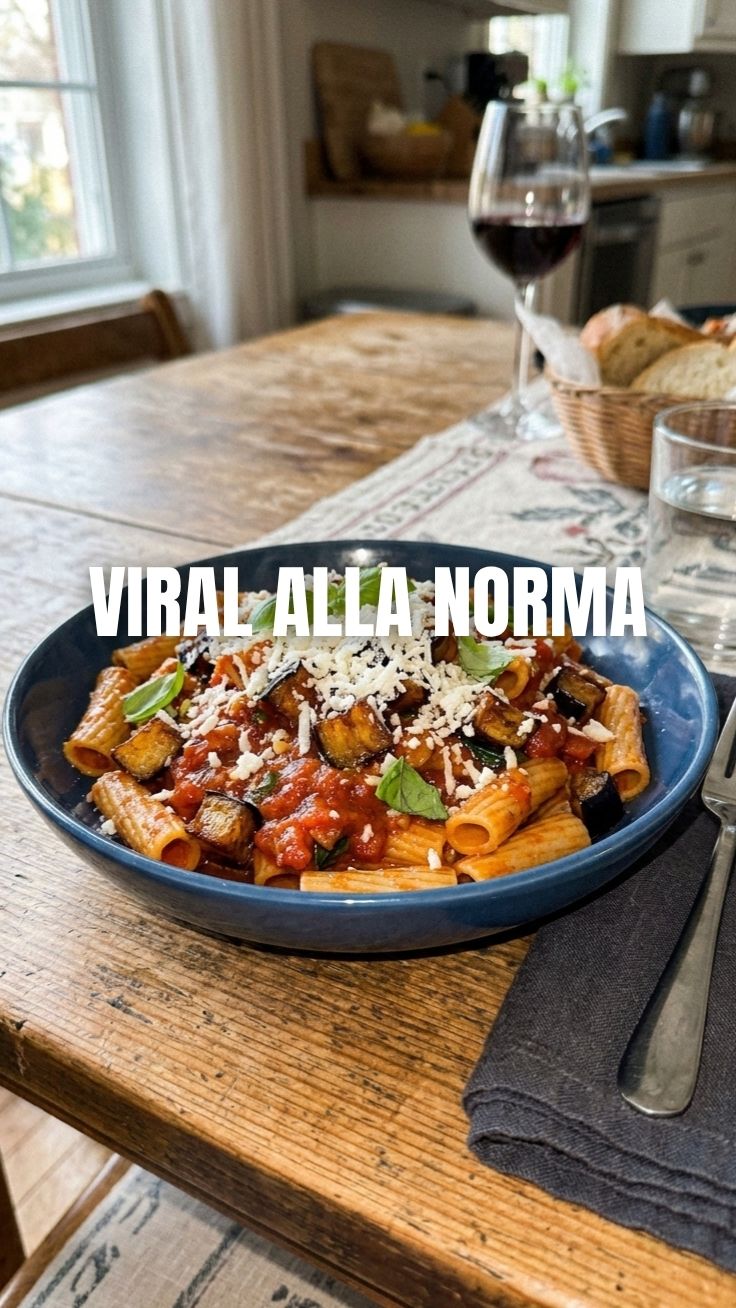
6. Serve: Plate immediately, top with grated ricotta salata and fresh basil. Serve hot.
Nutritional Benefits & Advantages
– Eggplant: Rich in fiber, antioxidants like nasunin (supports cell health), and low in calories (approx. 20 per cup).
– Tomatoes: High in lycopene, which is linked to reduced inflammation and better heart health when cooked.
– Olive oil: Provides monounsaturated fats and anti-inflammatory properties.
– Ricotta salata: Offers protein and calcium while being lower in fat than aged cheeses.
– This dish is naturally vegetarian and can be adapted to be vegan (skip cheese or use plant-based). One serving (about 2 cups) contains roughly 450 calories, 12g protein, and 15g fat.
Tips Variations & Cooking Advice
– Flavor variations: Add capers or Kalamata olives for brininess. For a smoky twist, grill the eggplant instead of frying.
– Ingredient swaps: Use zucchini or mushrooms if eggplant is out of season. Replace fresh tomatoes with 1 cup passata in winter months.
– Cooking methods: Roast eggplant at 400°F (200°C) for 20 minutes to reduce oil usage. For a lighter sauce, blend half the tomatoes with basil before adding.
– Dietary adaptations: Gluten-free: Use chickpea or lentil pasta (cook 1 minute less). Dairy-free: Omit cheese or use cashew ricotta.
– Portion changes: Serve with a side salad to lighten the meal, or add grilled chicken for protein.
Common Mistakes to Avoid
– Soggy eggplant: Overcrowding the pan traps steam. Fry in single layers and dry eggplant well after salting.
– Watery sauce: Not simmering long enough. Cook sauce until it coats a spoon—thick enough not to pool on plate.
– Bitter eggplant: Skip the salting step? Never. Salting for 15 minutes is crucial to remove bitterness.
– Overcooked pasta: Cook al dente, as it will continue cooking from residual heat. Reserve pasta water to adjust consistency later.
– Too salty: Ricotta salata is naturally salty. Taste before adding extra salt.
Storage & Meal Prep Tips
– Refrigeration: Store leftovers in an airtight container for up to 3 days. The sauce absorbs better into pasta overnight—it’s even more flavorful the next day.
– Freezing: Freeze the sauce (without pasta) in freezer-safe bags for up to 2 months. Thaw overnight in refrigerator, then reheat with fresh pasta.
– Reheating: Warm in a skillet with a splash of water or broth to restore moisture. Microwave on medium power with a damp paper towel over the bowl (1-2 minutes). Avoid high heat to prevent rubbery eggplant.
– Pro tip: For meal prep, cook sauce and eggplant separately, then combine with fresh pasta when serving.
Conclusion
Bringing the flavors of Sicily into your kitchen is easier than you think. With its rich tomato base, crispy eggplant, and salty cheese, Pasta alla Norma is a testament to how simple ingredients can create extraordinary dishes. By following these steps, you’ll capture the essence of this iconic recipe and understand why Sicilian cuisine is celebrated for its vibrant, fresh approach. Whether you’re serving it for a weeknight dinner or a special occasion, this dish promises to delight. Why not try it this weekend? Share your results—tag us or comment below! And if you enjoyed this, explore more Italian classics on our site.
FAQs
1. Can I use a different eggplant variety?
Yes. Japanese or graffiti eggplants work well; they have thinner skins and fewer seeds. Adjust salting time if using smaller ones (10 minutes). Globe eggplants are best for their meaty texture.
2. Why is my sauce too watery?
If tomatoes release too much water, simmer uncovered for an extra 5 minutes. Alternatively, add a tablespoon of tomato paste to thicken. Avoid adding pasta water unless the sauce is too dry.
3. How do I store leftover ricotta salata?
Wrap tightly in plastic wrap or wax paper and refrigerate in a jar with brine (if available). It keeps 1-2 weeks. For longer storage, freeze grated cheese in ziplock bags for up to 3 months.
4. Can I make this dairy-free entirely?
Absolutely. Omit ricotta salata or use a vegan alternative like crumbled firm tofu marinated in lemon and nutritional yeast. For a richer flavor, add a dollop of cashew cream before serving.
5. What if I don’t have San Marzano tomatoes?
Any canned whole tomatoes work—crush them by hand. For best results, choose Italian plum tomatoes (like Roma). Avoid tomato puree as it lacks texture.
Pasta alla Norma (Eggplant)
Ingredients
Equipment
Method
- Place eggplant cubes in a colander, sprinkle with salt, and let sit for 30 minutes to draw out moisture, then pat dry.
- Heat vegetable oil in a large pot or deep skillet to 350°F (175°C) and fry the eggplant in batches until golden brown and tender; remove with a slotted spoon and drain on paper towels.
- In a large pan, heat olive oil over medium heat, then add minced garlic and sauté until fragrant (about 1 minute).
- Pour in the crushed tomatoes, add half of the fresh basil, and simmer for 20-25 minutes, stirring occasionally, until the sauce thickens; season with salt and pepper.
- Cook the pasta according to package directions in salted boiling water until al dente, then drain, reserving about 1 cup of pasta water.
- Add the cooked pasta and fried eggplant to the tomato sauce, along with the remaining fresh basil, and toss to combine; if the sauce is too thick, add a bit of reserved pasta water.
- Serve immediately, garnished with grated ricotta salata and extra fresh basil, if desired.