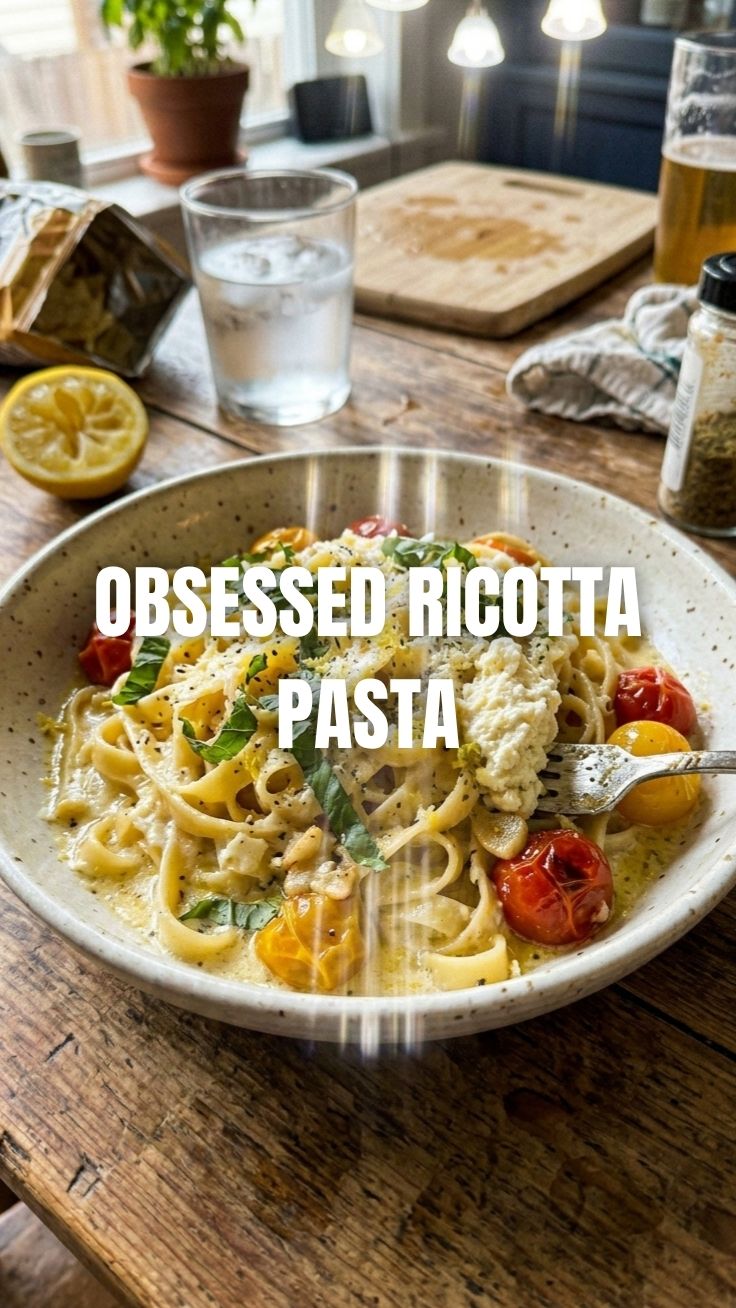
Creamy Lemon Ricotta Pasta: A Bright & Satisfying Weeknight Dinner
Have you ever craved a pasta dish that feels both indulgent and refreshing—something that doesn’t weigh you down but still delivers that rich, comforting creaminess? Lemon Ricotta Pasta answers that call perfectly. By combining the velvety richness of whole-milk ricotta with the bright acidity of fresh lemon, you get a sauce that clings to every strand of pasta without needing heavy cream or butter. Making it at home saves you money, lets you control the ingredients, and takes only about 20 minutes from start to finish. This Lemon Ricotta Pasta is hands-down one of the most satisfying cheese pasta recipes you’ll ever try, and I promise you’ll wonder why you didn’t discover it sooner.
—
Ingredients & Kitchen Tools
For the pasta (serves 4):
– 12 oz (340 g) dried spaghetti or linguine – long strands work best for twirling; substitute with gluten-free pasta if needed.
– 1½ cups (360 g) whole-milk ricotta cheese – full fat provides the creamiest texture; low-fat ricotta will work but may curdle slightly.
– 1 large lemon – zest and juice; use organic for the best flavor.
– 3 cloves garlic – thinly sliced or minced.
– ¼ cup (60 ml) extra-virgin olive oil – a good quality oil elevates the dish.
– ½ cup (50 g) freshly grated Parmesan cheese – plus extra for serving.
– Salt and freshly ground black pepper – to taste.
– ¼ cup (10 g) fresh basil or parsley – chopped, for garnish.
– Red pepper flakes (optional) – for a subtle kick.
Kitchen tools:
– Large pot for boiling pasta
– Colander
– Large skillet or sauté pan
– Microplane or zester
– Citrus juicer
– Wooden spoon or tongs
– Measuring cups and spoons
Optional substitutions:
– Vegan: use cashew-based ricotta and nutritional yeast instead of Parmesan.
– Gluten-free: choose brown rice or chickpea pasta.
– Lower fat: swap whole-milk ricotta for part-skim, but reduce heat to avoid curdling.
—
Prep Time & Cooking Schedule
– Prep time: 10 minutes (zest lemon, juice it, mince garlic, grate Parmesan).
– Cook time: 12–15 minutes total (pasta boils while you prepare the sauce).
– Resting time: None – serve immediately for best texture.
– Total time: ~25 minutes.
Planning tip: Start your pasta water heating while you prep the ingredients. By the time the water boils, your lemon and garlic will be ready, and the entire dish comes together in the time it takes the pasta to cook.
—
Step-by-Step Instructions
1. Bring a large pot of generously salted water to a rolling boil. Add the pasta and cook al dente according to package directions (usually 8–10 minutes). Reserve 1 cup of pasta cooking water before draining.
2. While the pasta cooks, prepare the lemon ricotta base. In a small bowl, combine the ricotta, lemon zest, lemon juice (start with 2 tablespoons – you can add more later), and a pinch of salt. Stir until smooth. Set aside.
3. Heat olive oil in a large skillet over medium heat. Add the sliced garlic and cook for 1 minute until fragrant and lightly golden. Stir in a pinch of red pepper flakes if using.
4. Reduce heat to low. Add the ricotta-lemon mixture to the skillet and stir gently for 30 seconds. The ricotta should warm through but not bubble vigorously – high heat can cause it to separate.
5. Add the drained pasta directly to the skillet (still hot). Toss with tongs, adding reserved pasta water a few tablespoons at a time until the sauce coats the pasta evenly. You’ll likely need about ½ cup of water to reach a silky consistency.
6. Remove from heat. Add the grated Parmesan and toss again. Taste and adjust seasoning – more lemon juice, salt, or pepper as needed. This Lemon Ricotta Pasta is one of those cheese pasta recipes where the balance of acidity and creaminess makes all the difference.
7. Serve immediately in warm bowls, topped with fresh basil or parsley, extra Parmesan, and a drizzle of olive oil.
—
Nutritional Benefits & Advantages
This bright pasta dish delivers surprising nutritional perks. The ricotta cheese is an excellent source of high-quality protein (about 14 g per cup) and calcium, while being lower in fat and sodium than many aged cheeses. Fresh lemon juice provides a generous dose of vitamin C, which supports immune function and helps your body absorb iron from the pasta. The olive oil adds heart-healthy monounsaturated fats. Compared to cream-based Alfredo sauces, this version cuts saturated fat by roughly 40% per serving without sacrificing texture. For a well-rounded meal, pair it with a side of steamed asparagus or a crisp green salad tossed with a simple vinaigrette.
—
Tips Variations & Cooking Advice
Flavor variations:
– Add a handful of fresh spinach to the skillet after step 3 and wilt it before adding the ricotta.
– Toss in roasted cherry tomatoes or sautéed mushrooms for extra depth.
– Swap basil for mint or dill for a different herbal note.
Cooking advice:
– Always use freshly squeezed lemon juice – bottled juice lacks brightness and can make the sauce taste flat.
– If the sauce becomes too thick, add another splash of pasta water; if too thin, let it simmer on low for 30 seconds to reduce.
Dietary adaptations:
– Gluten-free: choose your favorite gluten-free pasta and cook it just under al dente – gluten-free pasta tends to soften faster in sauce.
– Dairy-free: use a thick cashew cream (soaked cashews blended with water and lemon juice) and vegan Parmesan.
Portion changes: For a lighter lunch, serve smaller portions over a bed of arugula; for a hearty dinner, double the Parmesan.
—
Common Mistakes to Avoid
1. Overcooking the pasta. Mushy pasta won’t hold the sauce well. Cook until al dente and immediately drain.
2. Cooking the ricotta on high heat. Ricotta can curdle or turn grainy if exposed to direct, intense heat. Always warm it gently over low heat.
3. Skipping the pasta water. The starchy water is the secret to a silky, emulsified sauce – without it, the ricotta will be clumpy.
4. Adding all the lemon juice at once. Start with 2 tablespoons, then taste. Lemons vary in acidity, and too much can overpower the dish.
5. Forgetting to season the pasta water. Undersalted water leads to bland pasta. Use about 1 tablespoon of salt per 4 quarts of water.
—
Storage & Meal Prep Tips
Store leftovers in an airtight container in the refrigerator for up to 3 days. The pasta will absorb some sauce, so when reheating, add a splash of milk or water to loosen it.
Freezing: Not recommended – ricotta-based sauces can become watery and grainy upon thawing.
Reheating: Warm in a skillet over medium-low heat, stirring frequently, for about 3–4 minutes. Avoid the microwave if possible, as it can cause the cheese to separate.
Meal prep idea: Prepare the lemon-ricotta mixture (steps 2–3) up to 2 days in advance. Cook fresh pasta and finish the dish just before serving.
—
Conclusion
This quick, creamy, and citrusy pasta proves that you don’t need heavy cream or hours in the kitchen to create a restaurant-quality meal. The secret lies in using high-quality ricotta and fresh lemon, then letting the starchy pasta water do the work of binding everything together. Whether you’re cooking for a busy weeknight family dinner or impressing guests, this Lemon Ricotta Pasta stands out as a top contender among cheese pasta recipes because of its bright flavor and effortless technique. Try it tonight, and don’t forget to share your photos and tweaks in the comments below. Craving more? Check out our other quick pasta dishes for weeknight inspiration.
—
FAQs
1. Can I use pre-shredded Parmesan cheese?
Freshly grated Parmesan melts much better and has superior flavor. Pre-shredded varieties often contain anti-caking agents that can make the sauce grainy.
2. What pasta shapes work best besides spaghetti?
Fettuccine, linguine, or even short shapes like fusilli or orecchiette work well. Avoid tubes (ziti, penne) because the sauce tends to pool inside rather than coating evenly.
3. How do I fix a sauce that’s too thick?
Stir in warm pasta water 1 tablespoon at a time until the sauce loosens to a creamy, coat-the-spoon consistency. If you’ve already tossed the pasta, you can also add a splash of warm milk.
4. Can I make this dairy-free?
Yes! Use a thick cashew cream (blend 1 cup soaked cashews with ¼ cup water and 2 tablespoons lemon juice) and substitute nutritional yeast for Parmesan. Follow the same cooking steps, but avoid high heat.
5. The ricotta curdled – what went wrong?
Most likely, the heat was too high or you added cold ricotta directly to a hot pan. Always warm the ricotta gently, and let it come to room temperature before adding to the skillet. If curdling happens, whisk in a tablespoon of hot pasta water and reduce heat immediately.
Best way to grow Lemon Ricotta Pasta in 5 mins
Ingredients
Equipment
Method
- Boil the spaghetti according to package directions until al dente.
- While the pasta cooks, combine ricotta cheese, lemon zest, lemon juice, grated Parmesan cheese, olive oil, and chopped parsley in a bowl; season with salt and pepper.
- Once the pasta is cooked, reserve about half a cup of pasta water and then drain the spaghetti.
- Add the drained pasta to the ricotta mixture, then toss well to coat, adding a little reserved pasta water to achieve a creamy consistency.
- Serve immediately, garnished with extra Parmesan and fresh parsley if desired.