Master the Classic: Your Ultimate Guide to Homemade Spaghetti Bolognese
Imagine a dish that’s so comforting, so rich in flavor, and so universally loved that it transcends cultural boundaries. We’re talking about homemade Spaghetti Bolognese! Why settle for takeout when you can craft a truly authentic and deeply satisfying rendition right in your own kitchen? This comprehensive guide will walk you through every step, ensuring your Pasta Bolognese is not just a meal, but a culinary experience. Preparing this classic at home offers unparalleled freshness, allows for personalized adjustments to suit your palate, and fills your home with an aroma that signals pure comfort. Get ready to elevate your cooking game and impress your household with a hearty, homemade Spaghetti Bolognese.
Ingredients & Kitchen Tools
Crafting the perfect hearty sauce requires a thoughtful selection of ingredients and the right culinary arsenal.
- For the Bolognese Sauce:
* 2 tablespoons Olive Oil: A good quality extra virgin olive oil forms the base of flavor.
* 1 large Yellow Onion (finely diced): Adds a sweet aromatic foundation.
* 2 Carrots (finely diced): Contributes sweetness and depth.
* 2 Celery Stalks (finely diced): Known as part of the “soffritto,” essential for Italian flavor.
500g Ground Beef (80/20 lean): The traditional choice for richness. Substitution: Ground pork, lamb, or a mix of beef and pork for varied flavor.*
150g Pancetta (finely diced): Cured Italian bacon, adds incredible salty, savory depth. Substitution: Smoked bacon.*
* 2 cloves Garlic (minced): Pungent aromatic.
200ml Dry Red Wine: Adds acidity and complex flavor, crucial for deglazing. Substitution: Beef broth with a splash of red wine vinegar.*
* 400g Canned Crushed Tomatoes: The base of your tomato richness. Look for good quality San Marzano if possible.
* 2 tablespoons Tomato Paste: Concentrated tomato flavor, deepens the sauce’s color and taste.
* 500ml Beef Broth: For simmering and thinness adjustment.
* 2 Bay Leaves: Aromatic, adds subtle bitterness.
* 1/2 teaspoon Dried Thyme: Classic herb pairing for rich meat sauces.
* Salt & Freshly Ground Black Pepper (to taste): Essential seasoning.
100ml Milk: Tenderizes the meat and mellows the acidity of the tomatoes. Optional.*
- For the Spaghetti:
400g Spaghetti: The traditional pasta shape. Substitution: Tagliatelle, fettuccine, or any broad, flat pasta for better sauce adhesion.*
* Salt: For salting the pasta water.
- For Serving:
* Parmesan Cheese (freshly grated): Essential for garnish and flavor.
* Fresh Parsley (chopped): For freshness and color.
Kitchen Tools & Utensils:
- Large Dutch Oven or Heavy-Bottomed Pot: Essential for slow simmering.
- Large Frying Pan: For browning mince and pancetta.
- Wooden Spoon: For stirring and scraping.
- Sharp Knife & Cutting Board: For precise dicing.
- Grater: For Parmesan.
- Tongs: For serving pasta.
Prep Time & Cooking Schedule
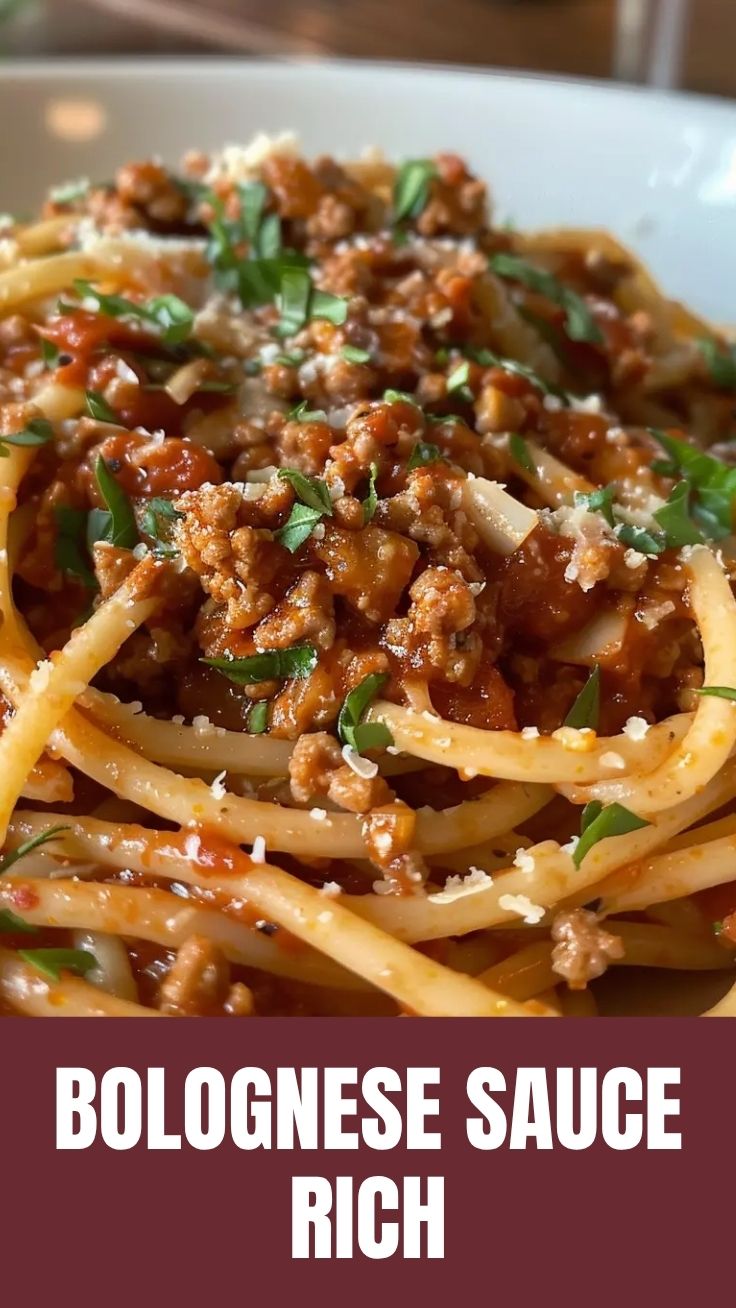
Planning is key to a perfectly executed Bolognese. This recipe benefits immensely from a long, slow simmer, allowing flavors to meld beautifully.
- Prep Time: 30 minutes (dicing vegetables, mincing garlic, measuring ingredients)
- Cooking Time: 2.5 – 3 hours (including simmering)
- Resting Time (Optional but Recommended): 10-15 minutes before serving the sauce, allows flavors to deepen.
You can prepare the sauce a day or two in advance. The flavors only get better with time, making it an excellent meal prep option for busy weeknights!
Step-by-Step Instructions
Follow these steps meticulously for an authentic and delicious result.
1. Prepare the Soffritto: Heat olive oil in a large Dutch oven or heavy-bottomed pot over medium heat. Add diced pancetta and cook until crispy, about 5-7 minutes. Remove pancetta with a slotted spoon, leaving the rendered fat in the pot. Add diced onion, carrots, and celery. Sauté gently until softened and translucent, about 8-10 minutes. This creates the aromatic base for your Spaghetti Bolognese.
2. Brown the Meat: Increase heat to medium-high. Add ground beef to the pot, breaking it up with a wooden spoon. Cook until thoroughly browned, crumbling it as you go. Drain off any excess fat.
3. Deglaze and Build Flavor: Stir in the minced garlic and cook for 1 minute until fragrant. Pour in the red wine, scraping the bottom of the pot to release any browned bits. Let it simmer until the wine has almost completely evaporated. This step is crucial for profound flavor in your Pasta Bolognese.
4. Add Tomatoes and Seasonings: Stir in the tomato paste, cooking for 2 minutes to deepen its flavor. Add the crushed tomatoes, beef broth, bay leaves, dried thyme, salt, and black pepper. Return the crispy pancetta to the pot.
5. Long Simmer: Bring the sauce to a gentle simmer. Reduce heat to low, cover partially, and let it cook for at least 2 hours, stirring occasionally. The longer it simmers, the richer the flavor. If adding milk, stir it in during the last 30 minutes of simmering.
6. Cook the Spaghetti: About 15 minutes before the sauce is done, bring a large pot of salted water to a rolling boil. Add the spaghetti and cook according to package directions until al dente.
7. Combine and Serve: Drain the spaghetti, reserving a cup of pasta water. Add the cooked spaghetti directly to the Bolognese sauce (or serve sauce over pasta). Toss to combine, adding a splash of reserved pasta water if needed to reach your desired consistency. Serve immediately, garnished with freshly grated Parmesan cheese and chopped fresh parsley.
Nutritional Benefits & Advantages
Homemade Bolognese offers a wealth of nutritional advantages. The ground beef provides an excellent source of protein, essential B vitamins like B12, and iron, crucial for energy and blood health. The rich sofrito of onions, carrots, and celery adds fiber and a variety of vitamins (Vitamin A from carrots) and antioxidants. Tomatoes are packed with lycopene, a powerful antioxidant linked to heart health. By preparing it at home, you control the amount of salt and fat, avoiding unnecessary additives often found in commercially prepared sauces.
Tips, Variations & Cooking Advice
- Richer Flavor: For an even deeper flavor, use a mix of ground beef and ground pork.
- Vegetarian Option: Substitute ground beef with lentils, mushrooms, or a plant-based mince for a hearty vegetarian alternative.
- Herbs: Experiment with other dried herbs like oregano or fresh basil at the end of cooking.
- Spice: Add a pinch of red pepper flakes for a subtle kick.
- Gluten-Free: Use gluten-free spaghetti or other gluten-free pasta.
- Dairy-Free: Omit the milk and Parmesan cheese. Most Bolognese recipes traditionally do not include milk, so this is an easy adaptation.
- Make Ahead: The sauce tastes even better the next day, making it perfect for meal prepping.
Common Mistakes to Avoid
- Not Browning the Meat Properly: Insufficient browning means less flavor. Ensure the meat is deeply caramelized before adding liquids.
- Rushing the Soffritto: The vegetables need time to soften and release their sweetness. Don’t rush this crucial first step.
- Skipping the Wine: The red wine adds essential acidity and depth. If you prefer to avoid alcohol, use beef broth and a tablespoon of red wine vinegar.
- Not Simmering Long Enough: Bolognese is a slow-cooked sauce. A short simmer won’t allow the flavors to fully meld and deepen into that rich, complex taste you’re aiming for.
- Overcooking the Pasta: Always cook pasta al dente – to the tooth. It finishes cooking when tossed with the hot sauce.
Storage & Meal Prep Tips
Leftover Bolognese sauce is a gift that keeps on giving.
- Refrigeration: Store leftover sauce in an airtight container in the refrigerator for up to 3-4 days. Cooked pasta should be stored separately.
- Freezing: Bolognese sauce freezes exceptionally well. Portion the cooled sauce into freezer-safe bags or containers and freeze for up to 3 months. Thaw overnight in the refrigerator before reheating.
- Reheating: Gently reheat the sauce on the stovetop over low heat, stirring occasionally. If it’s too thick, add a splash of beef broth or water. Reheat cooked pasta quickly in boiling water or microwave.
Conclusion
Mastering homemade Spaghetti Bolognese is a truly rewarding culinary endeavor. It’s a dish that speaks of comfort, tradition, and the joy of slow cooking. By following this detailed guide, you’ve not only crafted a delicious meal but also gained confidence in tackling a classic. The rich, nuanced flavors of this Spaghetti Bolognese will undoubtedly become a family favorite. We encourage you to try this recipe and experience the profound satisfaction of a truly homemade pasta dish. Don’t forget that perfectly made Pasta Bolognese will quickly become a weeknight staple. Let us know how it turned out in the comments below, or share your own personal twists!
FAQs
Q1: Can I make this Bolognese in a slow cooker?
A1: Yes, after browning the meat and softening the vegetables on the stovetop, transfer everything to a slow cooker and cook on low for 6-8 hours or on high for 3-4 hours.
Q2: What’s the best type of pasta to use for Bolognese?
A2: While spaghetti is iconic, wider, flatter pasta shapes like tagliatelle, pappardelle, or fettuccine are traditionally preferred as their broader surface area holds the rich sauce better.
Q3: How can I thicken my Bolognese sauce if it’s too watery?
A3: Continue simmering the sauce uncovered to allow more liquid to evaporate. You can also mix a teaspoon of cornstarch with a tablespoon of cold water, then stir this slurry into the simmering sauce and cook for a few minutes.
Q4: Can I use ground turkey instead of beef?
A4: Yes, ground turkey can be used for a leaner option. Ensure you still brown it well for flavor. You might also want to add a bit more olive oil or fat to compensate for the lower fat content of turkey.
Q5: What’s the purpose of the milk in Bolognese?
A5: Milk is an optional but traditional ingredient used to tenderize the meat and mellow the acidity of the tomatoes, resulting in a richer, creamier, and smoother sauce.
Best way to grow your perfect Spaghetti Bolognese
Ingredients
Equipment
Method
- In early spring, sow tomato, basil, and oregano seeds indoors in small pots, ensuring they receive adequate sunlight and warmth for germination.
- Prepare a sunny garden spot by enriching the soil with compost and ensuring good drainage; once the risk of frost has passed, transplant the seedlings outdoors, spacing them appropriately.
- Plant garlic cloves in the fall for a summer harvest, burying them pointed-side up in well-drained soil.
- Maintain your garden by regularly watering, weeding, and providing support for tomato plants as they grow.
- Harvest your fresh herbs and vegetables throughout the growing season, picking basil and oregano leaves frequently to encourage bushier growth, and gathering ripe tomatoes and garlic when ready.
- Heat olive oil in a large pot or Dutch oven over medium heat, then add the minced onion, carrot, and celery, cooking until softened.
- Add the ground beef to the pot, breaking it up with a spoon, and cook until browned, then drain any excess fat.
- Stir in the minced garlic, dried oregano, salt, and pepper, cooking for another minute until fragrant.
- Pour in the red wine, scraping up any browned bits from the bottom of the pot, and let it simmer until almost evaporated.
- Add the crushed tomatoes and beef broth, bring the sauce to a gentle simmer, then reduce heat to low, cover, and cook for at least 1.5 to 2 hours, stirring occasionally.
- Stir in the fresh basil during the last 15 minutes of cooking, and adjust seasonings to taste.
- Cook spaghetti according to package directions in a large pot of salted boiling water until al dente.
- Drain the spaghetti and either toss it with the bolognese sauce or serve the sauce over individual portions, garnishing with grated Parmesan cheese and fresh basil.