Why This Classic Lasagna Deserves a Spot in Your Weekly Menu
Have you ever wondered why some dishes feel like a warm hug on a plate? The answer often lies in the layers—tender pasta, rich meat sauce, creamy béchamel, and melted cheese all coming together in perfect harmony. Preparing lasagna at home isn’t just about following a recipe; it’s about creating a meal that brings family and friends together, saving money, and controlling every ingredient for a healthier, tastier result. Whether you’re a seasoned cook or a beginner, this guide will show you how to master the dish while also exploring a delicious twist like an italian pasta bake for those busy weeknights. Let’s dive into the data-driven secrets behind the perfect homemade lasagna.
—
Ingredients & Kitchen Tools
For the Lasagna:
– Lasagna noodles (12 sheets, oven-ready or boiled) – No-boil noodles save time, but traditional ones give a firmer bite.
– Ground beef (500g) – Use 85/15 lean-to-fat ratio for flavor without greasiness.
– Italian sausage (250g, optional) – Adds depth; remove casings for crumbles.
– Onion (1 large, diced) – Sauté until translucent for sweetness.
– Garlic (4 cloves, minced) – Fresh is best; avoid pre-minced for aroma.
– Crushed tomatoes (800g can) – San Marzano variety offers low acidity.
– Tomato paste (2 tbsp) – Concentrates umami.
– Fresh basil and parsley – For garnish and sauce.
– Ricotta cheese (500g) – Whole-milk ricotta creates creaminess.
– Mozzarella (400g, shredded) – Low-moisture part-skim melts well.
– Parmesan (100g, grated) – Adds salty nuttiness.
– Egg (1 large) – Binds ricotta mixture.
– Olive oil, salt, pepper, dried oregano – Pantry staples.
Kitchen Tools:
– 9×13-inch baking dish (ceramic or metal)
– Large skillet or Dutch oven
– Mixing bowls
– Cheese grater
– Aluminum foil
– Wooden spoon
Optional Substitutions:
– Gluten-free: Use gluten-free lasagna sheets or zucchini slices.
– Dairy-free: Replace ricotta with tofu-based ricotta, mozzarella with vegan shreds.
– Vegetarian: Swap meat for sautéed spinach, mushrooms, and lentils.
—
Prep Time & Cooking Schedule
– Prep time: 30 minutes (chopping, browning meat, mixing ricotta)
– Cook time: 45 minutes (layered baking)
– Resting time: 15 minutes (essential for clean slices)
– Total time: 1 hour 30 minutes
Planning tip: Make the sauce and ricotta mixture a day ahead. Refrigerate separately, then assemble and bake when ready. This deepens flavors and reduces day-of effort.
—
Step-by-Step Instructions
1. Preheat oven to 375°F (190°C). While it heats, bring a large pot of salted water to a boil for noodles (if using traditional).
2. Prepare the meat sauce: In a large skillet over medium-high heat, add 1 tbsp olive oil. Sauté onion until soft (4 minutes), add garlic (30 seconds), then brown ground beef and sausage (6–8 minutes). Drain excess fat. Stir in crushed tomatoes, tomato paste, oregano, salt, and pepper. Simmer 15 minutes, stirring occasionally.
3. Mix ricotta filling: In a bowl, combine ricotta, egg, 1/2 cup Parmesan, chopped parsley, salt, and pepper. Stir until smooth.
4. Cook noodles (if not no-boil) according to package directions until al dente. Drain, rinse with cold water, and lay flat on a towel.
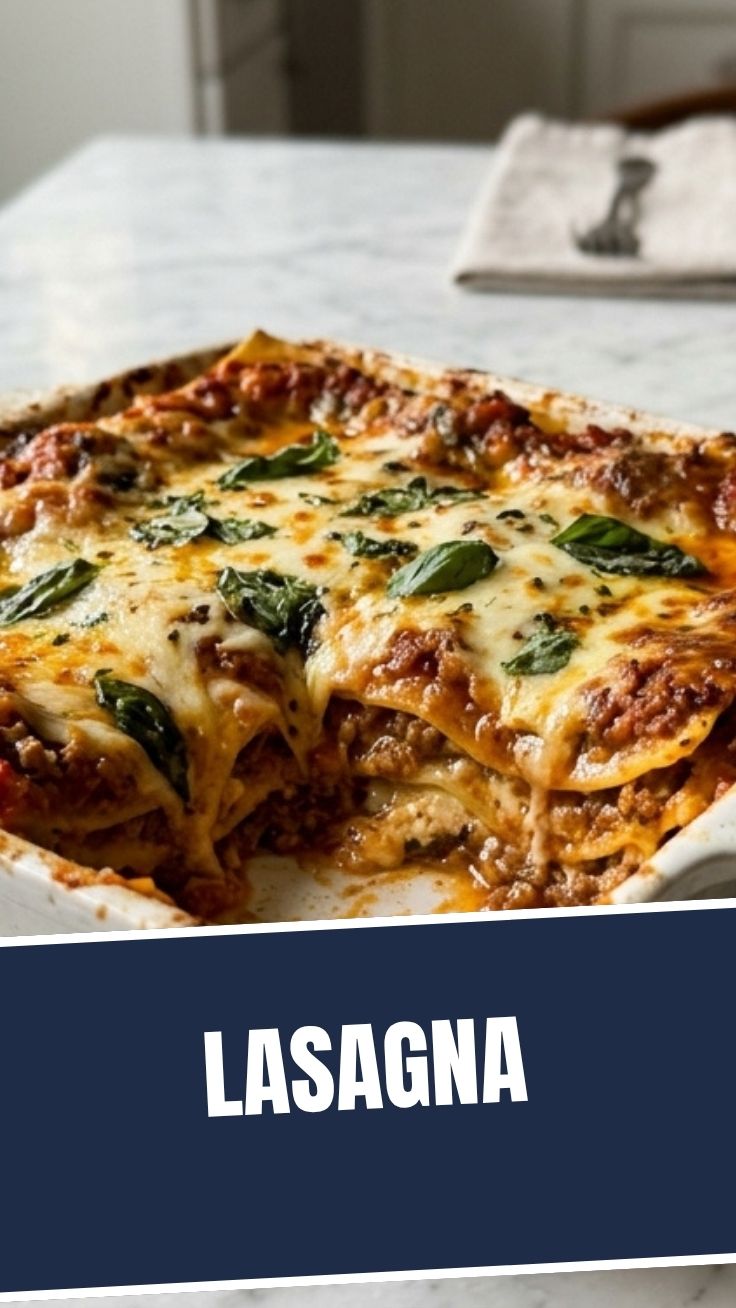
5. Assemble lasagna: Spread 1/2 cup meat sauce on the bottom of the baking dish. Layer 3–4 noodles, followed by 1/3 of ricotta, 1/3 of remaining meat sauce, and 1/3 of mozzarella. Repeat twice, ending with a final layer of noodles, remaining sauce, mozzarella, and Parmesan. This precise layering ensures every bite contains the perfect balance of lasagna components. For a quicker alternative, you can transform the same ingredients into an italian pasta bake by mixing everything in a casserole dish and baking for 25 minutes – no layering required.
6. Cover with foil (tent it to avoid cheese sticking) and bake 25 minutes. Remove foil and bake another 20 minutes until bubbly and golden.
7. Rest 15 minutes before slicing. This allows the sauce to set and prevents sogginess.
Temperature control tip: If the top browns too fast, cover loosely with foil for the last 10 minutes. Texture cue: The noodles should be tender but not mushy when pierced with a fork.
—
Nutritional Benefits & Advantages
A single serving of homemade lasagna (about 1/8 of the dish) provides roughly:
– Calories: 450–550 (depending on meat and cheese)
– Protein: 30g (from beef, ricotta, mozzarella)
– Calcium: 35% DV (cheese and ricotta)
– Iron: 20% DV (tomatoes and beef)
– Vitamin C: 15% DV (tomato sauce)
The combination of protein, healthy fats, and complex carbohydrates (from pasta) makes this a balanced meal that keeps you full for hours. Using lean beef and part-skim mozzarella reduces saturated fat without sacrificing flavor. Tomatoes are rich in lycopene, an antioxidant linked to heart health. By making it at home, you control sodium levels – store-bought versions often exceed 800mg per serving.
—
Tips, Variations & Cooking Advice
– Flavor variations: Add a pinch of red pepper flakes for heat, or swap beef for ground turkey. For a vegetarian version, layer roasted eggplant, zucchini, and bell peppers.
– Ingredient swaps: No-boil noodles work beautifully, but reduce the sauce by 1/2 cup to prevent a watery result. Use cottage cheese instead of ricotta for a lighter, lower-fat filling.
– Alternative cooking methods: Assemble the lasagna in a slow cooker (cook on low 4–5 hours) or in individual ramekins for portion control. For an italian pasta bake, simply mix cooked pasta, sauce, and cheese directly in a baking dish – no layering, same great taste.
– Dietary adaptations: Gluten-free: Use chickpea or lentil lasagna sheets. Dairy-free: Cashew-based ricotta and vegan mozzarella shreds work well. Keto: Replace pasta with thinly sliced zucchini or cabbage leaves.
– Portion changes: Halve ingredients for an 8×8 dish, or double for a party – just use two 9×13 pans.
—
Common Mistakes to Avoid
– Overcooking noodles: Boil them 1–2 minutes less than package directions – they’ll finish cooking in the oven. Mushy pasta ruins the texture.
– Skipping the rest: Cutting into a hot lasagna leads to a soupy mess. Always let it rest 15 minutes.
– Too much sauce: A watery layer makes noodles slide apart. Thicken the sauce by simmering longer or adding a tablespoon of tomato paste.
– Not seasoning ricotta: The filling can taste bland without salt and pepper. Taste the mixture before assembling.
– Using pre-shredded cheese: It contains anti-caking agents that prevent smooth melting. Grate your own mozzarella and Parmesan for best results.
—
Storage & Meal Prep Tips
– Refrigeration: Store covered leftovers in an airtight container for up to 4 days. Reheat individual portions in the microwave (1–2 minutes) or oven (350°F for 10 minutes, covered with foil).
– Freezing: Bake the lasagna, cool completely, then wrap tightly in plastic wrap and aluminum foil. Freeze for up to 3 months. To reheat from frozen, thaw overnight in the fridge, then bake at 350°F for 30 minutes covered, plus 10 minutes uncovered.
– Meal prep shortcut: Assemble the entire lasagna (without baking) in a foil pan, freeze unbaked, and cook directly from frozen – add 20 minutes to the baking time.
– Texture maintenance: When reheating, add a splash of water or milk to the sauce to prevent drying out. Cover with a damp paper towel in the microwave for soft edges.
—
Conclusion
Mastering homemade lasagna is a rewarding journey that combines technique with creativity. From the rich, slow-simmered sauce to the creamy cheese layers, every element contributes to a dish that’s greater than the sum of its parts. Whether you stick to the classic method or try a speedy italian pasta bake variation, the key is balancing flavors and textures while respecting the basics. Now it’s your turn – gather your ingredients, roll up your sleeves, and create a lasagna that will have everyone asking for seconds. Share your results in the comments, and don’t forget to explore more comforting recipes on our site!
—
FAQs
Q: Can I use no-boil lasagna noodles without adjusting the recipe?
A: Yes, but reduce the sauce by about 1/2 cup to avoid a watery bake. The noodles absorb moisture from the sauce as they cook.
Q: My lasagna turned out watery – what went wrong?
A: Most likely, the sauce was too thin, or the ricotta was too wet. Drain ricotta in a cheesecloth for 15 minutes before mixing. Simmer sauce until thickened.
Q: How do I make this lasagna gluten-free?
A: Use gluten-free lasagna sheets (rice or corn-based) or replace noodles with thinly sliced zucchini or eggplant. Ensure all other ingredients (like canned tomatoes and spices) are certified gluten-free.
Q: Can I prepare lasagna ahead of time and bake later?
A: Absolutely. Assemble the lasagna (unbaked), cover tightly, and refrigerate up to 24 hours. Add 10–15 minutes to the baking time since it starts cold.
Q: What’s the difference between lasagna and an italian pasta bake?
A: Traditional lasagna involves layering separate components (noodles, sauce, cheese). An italian pasta bake typically mixes all ingredients together in a casserole dish, covering with cheese, and baking until bubbly – it’s faster and less fussy but equally delicious.