The Ultimate Guide to Perfecting Creamy Pasta Dishes at Home
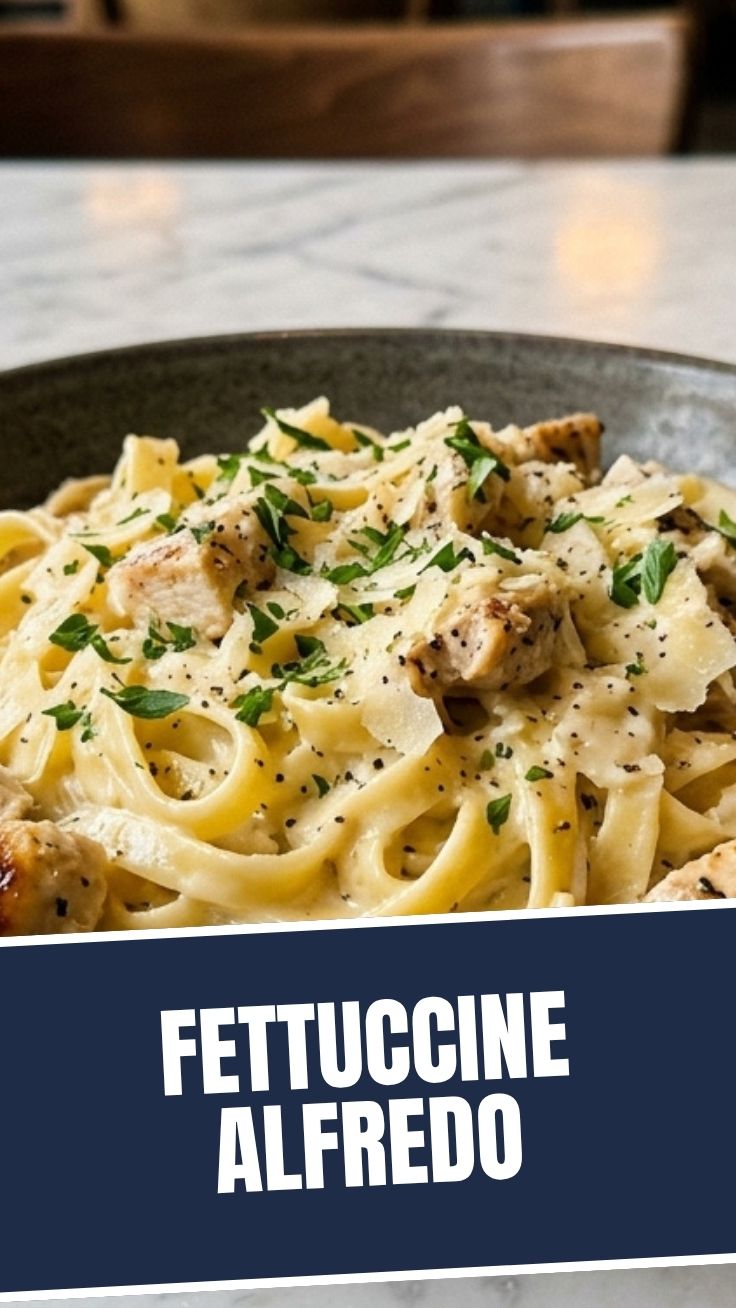
Have you ever wondered why restaurant-quality creamy pasta seems impossible to replicate in your own kitchen? The secret isn’t complicated techniques or expensive equipment—it’s understanding the science behind emulsion and sauce stability. When you prepare dishes like the iconic Fettuccine Alfredo at home, you gain control over ingredient quality, portion sizes, and nutritional content. This guide will transform your pasta game by focusing on the core principles that make Fettuccine Alfredo truly exceptional, while also exploring the rich traditions of Pasta Carbonara as a complementary technique. Understanding Pasta Carbonara helps you appreciate the balance of fat, starch, and heat that defines Italian comfort cooking.
Ingredients & Kitchen Tools
Essential Ingredients
– 1 pound fettuccine pasta – Fresh pasta provides superior texture, but high-quality dried pasta works excellently
– 1½ cups heavy cream – Full-fat cream ensures stable sauce emulsion; avoid half-and-half
– ½ cup unsalted butter – Creates the silky foundation; European-style butter adds richness
– 1¼ cups freshly grated Parmesan cheese – Pre-shredded won’t melt properly; use Parmigiano-Reggiano
– 3 garlic cloves – Finely minced for aromatic depth without overwhelming
– Salt and white pepper – White pepper prevents dark specks; kosher salt for pasta water
– Fresh parsley – Optional garnish; adds color and freshness
Kitchen Tools Required
– Large stockpot – 6-8 quart capacity for boiling pasta
– Large skillet or sauté pan – Wide surface area for even sauce distribution
– Microplane or fine grater – Essential for fresh Parmesan
– Tongs – Better than forks for coating pasta evenly
– Wooden spoon – Heat-resistant and won’t scratch non-stick surfaces
Substitutions
– Dairy-free version: Substitute full-fat coconut cream and vegan butter; nutritional yeast replaces Parmesan
– Gluten-free option: Use chickpea or brown rice fettuccine; adjust cooking time carefully
– Lighter alternative: Half cream mixed with whole milk; reduce butter by one-third
Prep Time & Cooking Schedule
Total time: 25 minutes from start to serving
– Prep time: 10 minutes (grate cheese, mince garlic, measure ingredients)
– Cook time: 15 minutes (pasta cooks simultaneously with sauce)
– Resting time: 2 minutes after combining (allows sauce to thicken)
Planning tip: Start your pasta water boiling before any other step. While water heats, grate cheese—this single step prevents sauce graininess. The entire process moves quickly, so have all ingredients measured and ready before turning on any heat.
Step-by-Step Instructions
1. Prepare the pasta water: Bring 4 quarts water to a rolling boil with 2 tablespoons salt. The water should taste like the sea—this is your only chance to season the pasta interior.
2. Cook the fettuccine: Add pasta and cook until al dente, typically 8-10 minutes. Reserve 1 cup pasta water before draining. The starchy water is your emulsion insurance policy.
3. Build the cream base: While pasta cooks, melt butter in a large skillet over medium heat. Add minced garlic and sauté exactly 45 seconds—garlic should become fragrant, not brown. Pour in heavy cream and bring to a gentle simmer.
4. Combine and emulsify: Reduce heat to low. Add drained pasta directly to the cream mixture with tongs. Sprinkle Parmesan in batches while tossing continuously. If sauce seems thick, add reserved pasta water one tablespoon at a time until silky.
5. Finish and serve: Remove from heat immediately. The residual heat continues melting cheese. Season with white pepper and salt if needed. Garnish with parsley. Serve within 5 minutes.
Temperature control tip: Never let the cream mixture boil after adding cheese. High heat causes proteins to seize, creating a grainy, separated sauce. The perfect Fettuccine Alfredo maintains 160-170°F throughout, while Pasta Carbonara traditionally relies on egg emulsion—both demonstrate how temperature precision defines Italian pasta mastery.
Nutritional Benefits & Advantages
Each serving of Fettuccine Alfredo provides approximately 650 calories, 35g fat, 55g carbohydrates, and 18g protein. While indulgent, the dish offers surprising nutritional value:
– Calcium-rich: Parmesan provides 33% of daily calcium needs per serving
– Energy-dense: Ideal for athletes or those needing sustained energy
– Butter contains butyrate: A short-chain fatty acid supporting gut health
– Portion control advantage: Homemade versions use real ingredients without preservatives
Compare this to restaurant versions that often contain stabilizers and modified starches. Preparing this dish at home means you control sodium levels, can reduce butter by 25% without sacrificing texture, and ensure fresh, high-quality dairy.
Tips Variations & Cooking Advice
Flavor Variations
– Truffle Alfredo: Add 1 teaspoon truffle oil after removing from heat
– Roasted garlic version: Replace raw garlic with 6 roasted cloves for sweetness
– Herb-infused: Steep 3 sprigs fresh thyme in cream before adding cheese
– Spicy kick: Add ½ teaspoon red pepper flakes with garlic
Dietary Adaptations
– Gluten-free: Brown rice pasta requires careful timing; rinse after draining to remove excess starch
– Dairy-free: Coconut cream provides richness but adds subtle sweetness; balance with extra salt
– High-protein boost: Stir in shredded rotisserie chicken or sautéed shrimp after sauce preparation
Cooking Methodology
– Classic method: Toss pasta in butter before adding cream—this creates better emulsion
– Reverse technique: Add pasta water to cream first, then incorporate cheese gradually
– One-pot approach: Cook pasta in less water (half the amount) to create naturally starchy liquid
Common Mistakes to Avoid
– Adding cheese to boiling liquid: Always remove pan from heat or reduce to low before adding Parmesan
– Using pre-shredded cheese: Cellulose coating prevents proper melting; shredding fresh takes 90 seconds
– Skipping pasta water: This liquid gold stabilizes sauce; without it, oil separation occurs
– Overcooking pasta: Slightly undercook by 1 minute—pasta continues cooking in hot sauce
– Rinsing pasta after draining: You remove starch essential for sauce adhesion; never rinse
– Reheating on high heat: Gently reheat with splash of milk over low heat; microwaving breaks emulsion
Storage & Meal Prep Tips
Refrigeration
– Store in airtight container up to 3 days
– Press plastic wrap directly onto surface to prevent skin formation
– Reheat gently: Add 2 tablespoons milk per cup of pasta, microwave at 50% power in 30-second intervals
Freezing
– Freeze up to 2 months in portion-sized containers
– Thaw overnight in refrigerator—never at room temperature
– Expect texture changes: Cream-based sauces sometimes separate after freezing
– Solution: Reheat with ¼ cup heavy cream and vigorous stirring
Meal Prep Strategy
– Cook pasta and sauce separately; combine only when serving
– Store sauce in glass jar; pasta in separate container with olive oil coating
– Combine in skillet over medium heat, adding pasta water to restore consistency
Conclusion
Mastering creamy pasta at home transforms your cooking confidence and dinner routine. By understanding temperature control, emulsion science, and ingredient quality, you’ve learned why the classic Fettuccine Alfredo deserves its legendary status among comfort foods. Whether you’re perfecting this Roman-inspired dish or exploring its egg-based cousin Pasta Carbonara, the principles remain consistent: sharp grater, hot water, gentle heat, and patient emulsification. Try this recipe tonight—you’ll never reach for a jarred sauce again. Share your results in the comments or tag your creation online; we’d love to see your interpretation of this timeless dish.
FAQs
Can I use milk instead of heavy cream?
Yes, but expect a thinner sauce. Combine 1 cup whole milk with 1 tablespoon flour whisked in cold before adding to pan. This prevents separation while maintaining creaminess.
Why did my sauce turn grainy?
Three common causes: Heat too high when adding cheese, pre-shredded cheese with anti-caking agents, or Parmesan that wasn’t finely grated. Rescue by whisking in 2 tablespoons cold heavy cream.
How do I make this dish ahead for guests?
Prepare sauce base (cream, butter, garlic) up to 2 days ahead. Cook pasta fresh before guests arrive. Combine with pre-portioned cheese at the table for impressive presentation.
What’s the difference between Alfredo and Carbonara?
Traditional Alfredo uses cream and butter as base. Carbonara relies on eggs and cured pork fat for emulsion. Both demonstrate Italy’s elegant approach to simple ingredients done perfectly.
Can I add vegetables or protein without ruining the sauce?
Absolutely. Sauté mushrooms, broccoli, or spinach separately and fold in after sauce emulsifies. For proteins, cook chicken or shrimp completely before adding to finished pasta.