The Ultimate Homemade Lasagna: A Step-by-Step Guide to Italian Comfort
Have you ever craved that perfect, bubbling dish of cheesy, meaty goodness that feels like a warm hug on a plate? Preparing homemade Lasagna is more than just cooking—it’s an act of love that rewards you with layers of flavor no store-bought version can match. Lasagna recipes often seem intimidating, but with the right guidance, you can master this classic Italian comfort food right in your own kitchen. Not only does making lasagna at home save money, but it also lets you control every ingredient, ensuring a healthier, more satisfying meal for your family. Let’s dive into the secrets of creating a perfect, layered masterpiece that will become a staple in your dinner rotation.
Ingredients & Kitchen Tools
For the Lasagna
– Lasagna noodles (12–15 sheets): Use no-boil or traditional oven-ready noodles; no-boil saves time but traditional ones yield a firmer texture.
– Ground beef (1 lb): Substitute with ground turkey, Italian sausage, or plant-based crumbles for dietary needs.
– Ricotta cheese (15 oz): Full-fat provides creaminess; low-fat works but may be less rich.
– Mozzarella cheese (3 cups, shredded): Fresh or pre-shredded—fresh melts better, pre-shredded is convenient.
– Parmesan cheese (½ cup, grated): Adds salty depth; Pecorino Romano works as a sharper alternative.
– Marinara sauce (4 cups): Homemade or high-quality store-bought with no added sugar.
– Onion (1 medium, diced): Yellow onion for sweetness; red onion adds a mild bite.
– Garlic (4 cloves, minced): Fresh garlic is key—avoid pre-minced for best flavor.
– Egg (1 large): Binds the ricotta mixture; flax egg works for vegan versions.
– Olive oil (2 tbsp): Extra virgin for sautéing.
– Salt, black pepper, Italian seasoning, and red pepper flakes (optional): Season to taste.
Kitchen Tools
– 9×13-inch baking dish (glass or ceramic heats evenly)
– Large skillet or saucepan for meat sauce
– Medium bowl for ricotta mixture
– Pot for boiling noodles (if using traditional)
– Sharp knife and cutting board
– Measuring cups and spoons
– Aluminum foil (for covering during baking)
– Tongs or spatula for layering
Optional Substitutions
– Gluten-free: Use gluten-free lasagna noodles (no-boil works best) and ensure marinara is GF-certified.
– Dairy-free: Substitute ricotta with cashew cream, mozzarella with vegan shreds, and Parmesan with nutritional yeast.
– Vegetarian: Replace beef with sautéed mushrooms, spinach, or lentils.
Prep Time & Cooking Schedule
– Prep time: 25–30 minutes (chopping vegetables, cooking meat sauce, mixing ricotta)
– Cook time: 45–50 minutes at 375°F (uncovered for last 10 minutes to brown cheese)
– Resting time: 10–15 minutes (crucial for clean slices—don’t skip!)
– Total time: ~1 hour 20 minutes
Plan your evening accordingly: start prep around 5:30 PM to have dinner ready by 7 PM. The resting period allows flavors to meld and prevents the lasagna from collapsing when cut. If you’re meal-prepping, assemble the day before and refrigerate; add 10 minutes to bake time.
Step-by-Step Instructions
1. Prepare the Meat Sauce
Heat olive oil in a large skillet over medium-high heat. Add diced onion and cook until translucent (3–4 minutes). Stir in minced garlic for 30 seconds until fragrant. Add ground beef, breaking it apart with a wooden spoon, and cook until browned (6–8 minutes). Drain excess fat if needed. Pour in marinara sauce, season with 1 tsp Italian seasoning, ½ tsp salt, and ¼ tsp black pepper. Simmer on low for 10 minutes to deepen flavors.
2. Make the Ricotta Mixture
In a medium bowl, combine ricotta cheese, 1 cup shredded mozzarella, the egg, ¼ cup grated Parmesan, 1 tbsp fresh parsley or basil, and a pinch of salt. Stir until smooth and creamy.
3. Cook the Noodles (If Using Traditional)
Bring a large pot of salted water to a boil. Cook lasagna noodles according to package directions until al dente (usually 8–10 minutes). Drain and lay flat on a clean kitchen towel to prevent sticking. If using no-boil noodles, skip this step.
4. Assemble the Layers
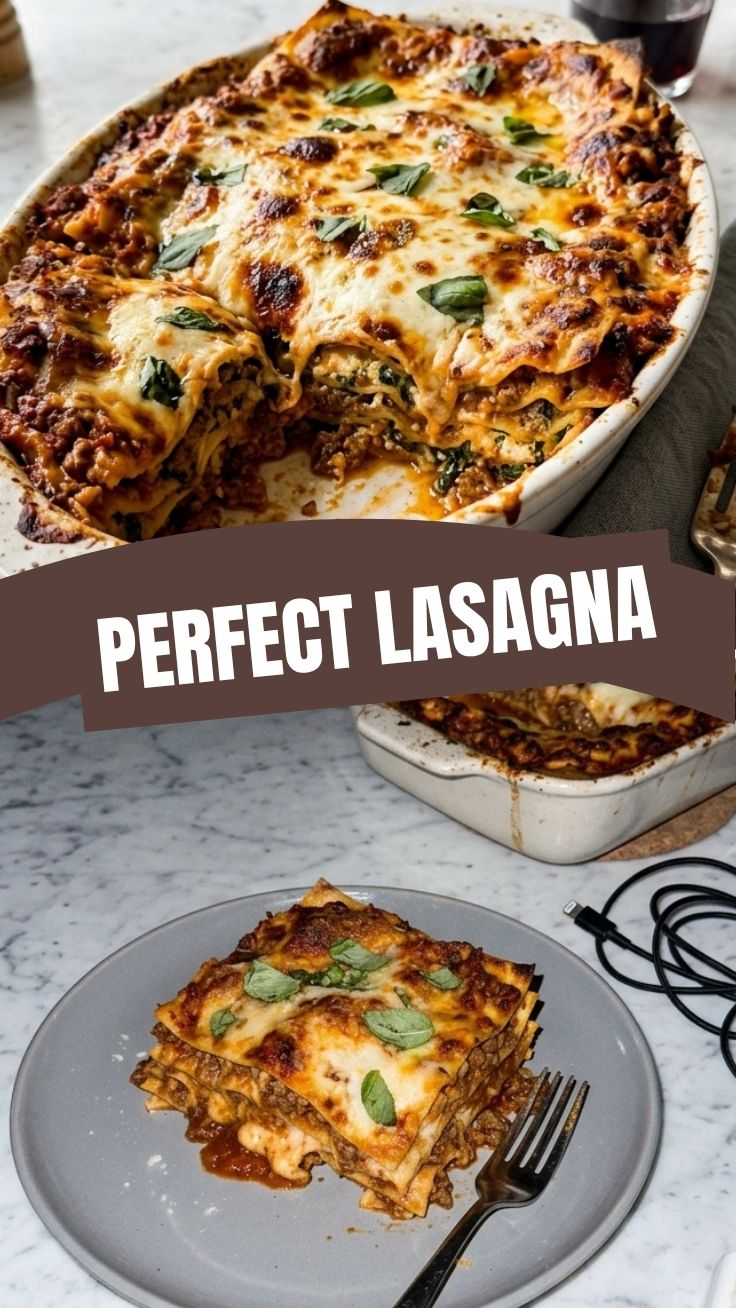
Preheat your oven to 375°F. In your 9×13-inch dish, spread a thin layer of meat sauce (about ½ cup) to prevent sticking. Arrange a single layer of noodles (3–4 sheets, slightly overlapping). Spread ⅓ of the ricotta mixture over the noodles, then top with ⅓ of the remaining meat sauce. Sprinkle ½ cup mozzarella and 1 tbsp Parmesan. Repeat layers two more times. For the final layer, finish with remaining meat sauce, then generously top with remaining mozzarella and Parmesan. As the Lasagna bakes, you’ll see why traditional Lasagna recipes emphasize patience for the best texture—the cheese forms a golden crust while the layers meld into pure comfort.
5. Bake to Perfection
Cover the dish tightly with aluminum foil (foil touching the cheese can stick, so spray it lightly with oil). Bake for 35 minutes. Remove foil and bake another 10–15 minutes until cheese is bubbly and browned. Let rest for 10–15 minutes before slicing—this is non-negotiable for clean squares.
Pro Tips
– For a crispier top, broil for 2–3 minutes after baking (watch closely to avoid burning).
– If the sauce seems thin, simmer longer to reduce; if too thick, add a splash of water or broth.
– Use a thermometer: internal temperature should reach 165°F for food safety.
Nutritional Benefits & Advantages
This homemade lasagna packs a balanced nutritional punch. Each serving (about 1/8 of the dish) provides approximately 450–500 calories, 28g protein, 35g carbohydrates, and 18g fat. The ground beef delivers high-quality protein, iron, and B vitamins essential for energy metabolism. Ricotta cheese offers calcium and casein protein for muscle repair, while marinara sauce contributes lycopene—a powerful antioxidant from cooked tomatoes that supports heart health. Including onions and garlic adds prebiotic fibers that feed beneficial gut bacteria. By making this dish at home, you control sodium levels (store-bought versions often pack 800+ mg per serving) and avoid preservatives. For a leaner option, swap beef for ground turkey, which reduces saturated fat by 40%. Pair with a side salad dressed with olive oil and vinegar to add fiber and healthy fats, creating a well-rounded meal that satisfies cravings without derailing health goals.
Tips Variations & Cooking Advice
Flavor Variations
– Spicy Arrabbiata: Add ½ tsp red pepper flakes to the meat sauce for heat.
– Mushroom & Spinach: Sauté 8 oz sliced mushrooms and 3 cups fresh spinach; layer with ricotta.
– White Lasagna: Replace marinara with béchamel sauce (butter, flour, milk, nutmeg) and skip the meat.
– Mexican Twist: Use taco-seasoned ground beef, salsa instead of marinara, and pepper jack cheese.
Ingredient Swaps
– Noodles: Zucchini strips (zoodles) for low-carb; use a mandoline for even slices.
– Cheese: Cottage cheese blended smooth replaces ricotta with fewer calories.
– Sauce: Homemade béchamel or Alfredo for a creamy change.
Cooking Methods
– Instant Pot: Assemble layers in the pot, cook on high pressure for 25 minutes, then broil the top.
– Make-Ahead: Assemble up to 24 hours in advance; refrigerate covered. Add 10 minutes to bake time.
– Freezer-Friendly: Double the recipe and freeze one dish unbaked for up to 3 months. Thaw in fridge overnight before baking.
Dietary Adaptations
– Gluten-Free: Use corn-based or brown rice lasagna noodles. Verify all labels.
– Dairy-Free: Substitute ricotta with tofu blended with nutritional yeast and lemon juice; use cashew-based mozzarella.
– Low-Carb: Replace noodles with thinly sliced roasted eggplant or zucchini. Layer and bake as usual.
Common Mistakes to Avoid
– Skipping the rest time: Cutting too soon makes the lasagna fall apart. Wait 10–15 minutes for the structure to set.
– Overcooking noodles: Soggy noodles ruin texture. Cook traditional noodles 1–2 minutes less than package instructions; no-boil noodles need extra sauce to soften properly.
– Underseasoning the ricotta: The cheese layer can taste bland. Always add salt, pepper, and herbs—it’s the foundation of flavor.
– Using too much sauce: Excess liquid makes the lasagna watery. Aim for just enough to coat each layer, not drown it.
– Not covering first half of baking: Uncovered baking dries out the top before the center cooks through. Foil holds in steam.
– Skipping the first layer of sauce on the dish bottom: This prevents noodles from sticking and burning. Don’t skip it!
– Using pre-shredded mozzarella with anticaking agents: These additives prevent smooth melting. Buy blocks and shred yourself for that perfect stretch.
Storage & Meal Prep Tips
Refrigeration
Store leftover lasagna in an airtight container or tightly wrapped with plastic wrap and foil for 3–4 days. Keep it in the coldest part of the fridge (back shelf, not door) to maintain quality. To reheat, microwave individual slices for 1–2 minutes, or bake covered at 350°F for 15–20 minutes until heated through. For best texture, add a tablespoon of water before reheating to reintroduce steam.
Freezing
Lasagna freezes beautifully. Cool completely (about 1 hour at room temperature). Wrap the entire dish or individual portions tightly in plastic wrap, then a layer of aluminum foil. Label with date and contents. Freeze for up to 3 months. To thaw, transfer to the fridge for 24 hours before baking. To cook from frozen, bake covered at 350°F for 50–60 minutes, then uncover for last 10 minutes to brown the cheese. For small portions, microwave from frozen on 50% power for 5–7 minutes, flipping halfway.
Meal Prep Strategy
– Batch cooking: Make two lasagnas on Sunday—serve one, freeze the other for busy weeknights.
– Portion control: Cut and freeze individual squares in freezer-safe containers for grab-and-go lunches.
– Sauce prep: Make double the meat sauce and freeze half for quick pasta dishes or soups later.
Conclusion
Making this Lasagna at home brings immense satisfaction, especially when you compare it to other Lasagna recipes that lack that personal touch. From the rich, slow-simmered meat sauce to the creamy ricotta and perfectly melted mozzarella, every layer tells a story of care and tradition. I encourage you to make this recipe your own—experiment with the variations, adjust the spices, and share your creation with loved ones. Whether it’s a Sunday family dinner or a make-ahead meal for a busy week, this lasagna delivers warmth, flavor, and comfort on every plate. Try it tonight, snap a photo, and let me know how it turned out in the comments below!
FAQs
1. Can I make this lasagna gluten-free?
Absolutely! Use gluten-free lasagna noodles (barley, brown rice, or corn-based are best). Ensure your marinara sauce and any packaged seasonings are labeled gluten-free. The rest of the ingredients are naturally GF. Bake time remains the same.
2. How do I prevent my lasagna from becoming watery?
This usually happens from watery ricotta or over-sauced layers. Drain ricotta in a fine-mesh sieve for 15 minutes before mixing. Also, simmer your meat sauce uncovered for 10 extra minutes to thicken. If using frozen spinach, squeeze out all moisture. For no-boil noodles, use slightly less sauce (about 3.5 cups total) since they absorb less.
3. What’s the best way to reheat leftover lasagna without drying it out?
The oven method is best: cover with foil and bake at 325°F for 15–20 minutes. For a quicker option, microwave on medium power (50%) for 2 minutes, checking at 30-second intervals. Add a splash of water or chicken broth to the dish before reheating to restore moisture.
4. Can I substitute cottage cheese for ricotta?
Yes, and it works great! Use full-fat cottage cheese for creaminess. Blend it in a food processor until smooth to mimic ricotta’s texture. You may need to reduce salt slightly since cottage cheese is saltier. Drain it well if it’s watery.
5. How long can I keep assembled lasagna in the fridge before baking?
You can refrigerate assembled lasagna (unbaked) for up to 24 hours. Cover tightly with plastic wrap and foil. Add 10 minutes to the baking time since it starts cold. For best results, bring it to room temperature (30 minutes on the counter) before baking for even cooking.
How to grow Lasagna with 3 easy methods
Ingredients
Equipment
Method
- Preheat your oven to 375°F (190°C) and brown the ground beef in a skillet, then drain any excess fat.
- Mix ricotta cheese, egg, salt, and pepper in a bowl to create the cheese filling.
- Spread a thin layer of marinara sauce in the bottom of a 9x13 inch baking dish, then arrange a layer of noodles over the sauce, overlapping slightly.
- Spread half of the ricotta mixture over the noodles, then top with a layer of ground beef and a sprinkle of mozzarella and parmesan cheeses.
- Repeat the layers, starting with noodles, then ricotta, beef, and cheeses, and finish with a final layer of noodles topped with remaining marinara sauce and cheeses.
- Cover the dish with foil and bake for 45 minutes, then remove the foil and bake for an additional 15 minutes, or until the cheese is bubbly and golden.
- Follow the same layering steps as Method 1, but use no-boil lasagna noodles directly from the package.
- Ensure there is enough sauce in each layer to hydrate the noodles properly during baking.
- Bake covered for 50 minutes, then uncovered for 15 minutes, or until cooked through and golden.
- Replace ground beef with sautéed vegetables such as spinach, mushrooms, and zucchini.
- Prepare and layer the lasagna as described in Method 1, substituting the vegetable mixture for the meat layer.
- Bake as directed in Method 1, ensuring vegetables are tender.