Why This Korean Fried Chicken Will Change Your Takeout Habits Forever
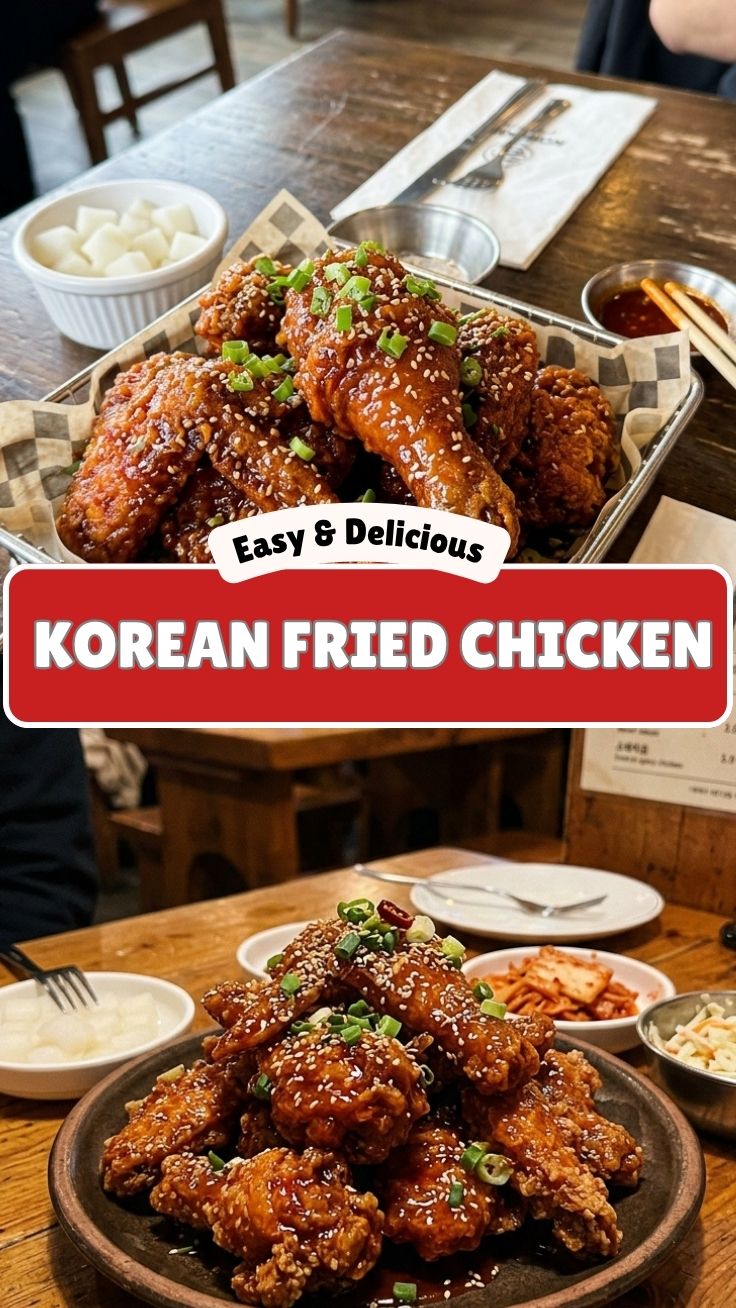
Have you ever craved that impossibly crisp, sweet-spicy crunch of restaurant-style Korean Fried Chicken, only to settle for soggy delivery? The secret isn’t luck—it’s the double-fry method. Preparing it at home unlocks superior texture, fresher ingredients, and endless customization. Whether you call it Korean Fried Chicken or simply Korean chicken, mastering this dish lets you skip the wait and control the heat level. This guide covers the science behind the crunch and the perfect gochujang glaze.
—
Ingredients & Kitchen Tools
For the Chicken (serves 4):
– 2 lbs chicken wings or drumettes (separated at joints; pat very dry for best crunch)
– 1 teaspoon salt, ½ teaspoon black pepper, 1 teaspoon garlic powder
– 1 cup cornstarch (adds ultra-crisp coating; potato starch also works)
– Vegetable or peanut oil for frying (high smoke point prevents burning)
For the Gochujang Glaze:
– 3 tablespoons gochujang (Korean chili paste; heat varies by brand)
– 2 tablespoons rice vinegar (or apple cider vinegar for tangier finish)
– 1 tablespoon soy sauce (use tamari for gluten-free)
– 1 tablespoon honey or brown sugar (adjust for sweetness preference)
– 1 teaspoon sesame oil
– 1 clove minced garlic, 1 teaspoon grated ginger
Toppings & Garnish:
– 1 tablespoon toasted sesame seeds
– 2 green onions, thinly sliced (white and light green parts)
Kitchen Tools:
Deep heavy-bottomed pot or Dutch oven, instant-read thermometer, wire rack set over a baking sheet, mixing bowls, tongs, whisk.
Optional Substitutions:
Chicken thighs (boneless, cut into bite-size pieces work well; reduce cook time by 2 minutes). For heat-sensitive palates, reduce gochujang to 2 tablespoons and add 1 tablespoon ketchup.
—
Prep Time & Cooking Schedule
Total Time: 1 hour 15 minutes
Active Prep: 20 minutes | First Fry: 12 minutes | Resting Time: 10 minutes | Second Fry: 8 minutes | Glazing: 3 minutes
Plan your timing: The 10-minute rest between fries is not optional—it allows steam to escape, creating the signature paper-thin crust during the second fry. Prep the glaze while chicken rests to streamline the process.
—
Step-by-Step Instructions
1. Prepare the chicken – Pat drumettes thoroughly dry with paper towels. Season with salt, pepper, and garlic powder (this draws out moisture). Tumble in cornstarch until every surface looks powdery white.
2. First fry (low heat) – Heat oil to 325°F. Fry chicken in small batches (6–8 pieces) for 6 minutes. The coating should turn pale golden—not brown. Remove to the wire rack; avoid stacking. Let rest 10 minutes. This slow fry cooks the meat through without burning the coating.
3. Second fry (high heat) – Raise oil temperature to 365°F. Carefully lower rested chicken back into oil. Fry for 4 minutes until deep mahogany and audibly crisp—you’ll hear the sizzle change pitch when it’s done. This dual-temperature technique is the hallmark of authentic Korean Fried Chicken, yielding shatteringly crisp skin that stays crunchy even after glazing.
4. Make the glaze – While chicken rests after second fry, combine gochujang, vinegar, soy sauce, honey, and sesame oil in a cold skillet. Add garlic and ginger. Warm over medium heat for 1 minute until bubbly and thickened (should coat the back of a spoon).
5. Glaze and serve – Toss hot fried chicken in the skillet with glaze for 30 seconds until every piece glistens. Transfer to a clean plate. Sprinkle scallions and sesame seeds. Serve immediately—texture fades after 15 minutes.
Pro tip for temperature control: Both cornstarch and gochujang can burn. Keep cooking times precise. If your glaze starts to darken too fast, remove skillet from heat immediately.
—
Nutritional Benefits & Advantages
Chicken wings cooked this way retain their protein (about 22g per serving) while the double-fry method actually uses less oil than deep-frying at a single lower temperature—the high heat sears the coating rapidly, sealing out grease. Gochujang provides capsaicin, which can mildly boost metabolism, while fermented garlic and ginger offer prebiotic and anti-inflammatory properties. Cornstarch coating, compared to wheat flour, is naturally gluten-free (verify your brand). One serving of this Korean chicken delivers approximately 68% of your daily protein requirement in a portion that feels indulgent but is surprisingly moderate in saturated fat when glazed sparingly.
Dietary Advantages: Cornstarch replaces wheat flour completely, making the coating celiac-safe. Prep time allows easy halving of the recipe for portion control.
—
Tips Variations & Cooking Advice
Flavor Variations:
– Soy-Ginger Glaze: Replace gochujang with ¼ cup soy sauce, 2 tablespoons brown sugar, and 1 tablespoon grated ginger. Omit honey; add 1 tablespoon mirin.
– Spicy Mayo Dip: Mix ¼ cup mayonnaise with 1 teaspoon gochujang, ½ teaspoon lemon juice. Skip skillet glazing—serve as a dip instead.
Alternative Cooking Methods:
– Air Fryer Version: Coat air-fried chicken at 375°F for 12 minutes, spray with oil, flip, cook 10 more minutes. Toss in warm glaze afterward. Texture remains crisp for 8 minutes shorter cooking time.
– Oven-Baked: Bake at 425°F on a wire rack for 40 minutes, flipping halfway. Glaze during last 5 minutes.
Portion & Dietary Adaptations:
– Double recipe for gatherings; keep uncovered in a 200°F oven for up to 20 minutes.
– For dairy-free, avoid butter in glaze (our version is already dairy-free).
– To reduce sugar, use monk fruit sweetener in place of honey.
—
Common Mistakes to Avoid
Mistake 1: Washing chicken before coating—adds moisture that steams coating off. Solution: Always pat dry with paper towels; do not rinse.
Mistake 2: Crowding the fryer during second fry—dropping oil temperature below 345°F creates greasy, soggy skin. Solution: Fry in small batches; let oil recover to 365°F between rounds.
Mistake 3: Glazing directly after frying—traps steam and softens coating immediately. Solution: Let chicken rest 2 minutes after second fry before glazing so crust stays rigid.
Mistake 4: Using plastic cutting boards for gochujang glaze—chili paste can permanently stain and absorb odors into porous plastic. Solution: Use a glass or ceramic bowl for mixing glaze.
Mistake 5: Skipping the resting step between fries. Solution: Set a timer for exactly 10 minutes—this period allows internal moisture to redistribute, preventing a soggy core.
—
Storage & Meal Prep Tips
Refrigeration: Store glazed chicken in an airtight container for up to 3 days. Place a paper towel at the bottom to absorb excess moisture—replace the towel daily if stored longer.
Freezing: Freeze unglazed, fully fried chicken on a baking sheet until solid (about 1 hour), then transfer to a freezer bag. Glaze fresh after reheating. Keeps well for 4 weeks.
Reheating to Maintain Crunch:
– Oven: Preheat to 375°F. Place chicken on a wire rack over a baking sheet. Heat for 8–10 minutes (no need to flip). Do not microwave—steam destroys the coating instantly.
– Air Fryer: 350°F for 4–5 minutes, shaking halfway.
– Stovetop: Reheat in a dry skillet over medium heat, turning every 30 seconds for 2 minutes. Works best if you re-glaze afterward.
Meal Prep Hack: Fry chicken fully (both fry steps), cool, and refrigerate unglazed. Reheat via oven or air fryer, then toss in glaze. This maintains optimum crispness when serving days later.
—
Conclusion
Crispy, sticky, and utterly addictive—this Korean Fried Chicken rewards patience with a crust that stays audible even hours later if stored properly. By mastering the double-fry at two oil temperatures and using cornstarch for the coating, you transform humble chicken wings into a restaurant-caliber dish. The gochujang glaze balances heat and sweetness. Whether you follow the classic method or adapt via air fryer, the key is that 10-minute rest between fries. Give it a try—let me know in the comments if your family fights over the last wing the way mine does! And if you love this Korean chicken approach, check out our other weeknight-friendly Asian recipes.
—
FAQs
Can I use boneless chicken thighs instead of wings?
Yes. Cut thighs into 1½-inch cubes. Reduce first fry time to 4 minutes, second fry to 3 minutes. Check internal temperature reaches 165°F.
Why did my coating fall off after glazing?
Likely two reasons: (1) You didn’t pat chicken dry enough before coating; (2) You mixed glaze too vigorously—gently fold rather than stir. Also ensure oil was at least 365°F for second fry.
How do I reduce spiciness without losing flavor?
Replace 1 tablespoon of gochujang with 1 tablespoon tomato paste and add ¼ teaspoon smoked paprika. This cuts heat while preserving the umami base.
Can I prep the glaze a day ahead?
Absolutely. Make glaze up to 3 days in advance. Store covered in the refrigerator. Reheat gently over low heat 30 seconds before tossing with hot chicken.
What’s the best oil for frying?
Peanut oil (my top choice for its high smoke point of 450°F) or avocado oil. Avoid olive oil—it smokes too quickly. Vegetable oil works fine but may impart a mild aftertaste.
Proven way to grow Korean Fried Chicken in 10 steps
Ingredients
Equipment
Method
- Pat dry the chicken pieces with paper towels to ensure crispiness. In a large bowl, whisk together the flour, corn starch, baking powder, salt, black pepper, garlic powder, and ginger powder.
- Dredge each chicken piece in the flour mixture, ensuring it is fully coated. You can do this in batches to avoid overcrowding.
- Place the coated chicken on a wire rack and let it rest for 15-20 minutes. This helps the coating adhere better.
- Heat the vegetable oil in a large pot or deep fryer to 350°F (175°C). Ensure the oil is not smoking.
- Carefully add the chicken pieces to the hot oil in batches to avoid lowering the oil temperature too much. Fry for 6-8 minutes until light golden.
- Remove the chicken from the oil and place it on a wire rack to drain. Increase the oil temperature to 375°F (190°C) and fry the chicken again for another 3-5 minutes until deep golden and crispy.
- While the chicken is frying, prepare the sauce. In a small saucepan, combine gochujang, soy sauce, honey, rice vinegar, minced garlic, and sesame oil.
- Heat the sauce over medium-low heat, stirring until it thickens slightly, about 2-3 minutes. Do not let it boil.
- Once the chicken is double-fried, transfer it to a large bowl. Pour the prepared sauce over the chicken and toss to coat evenly.
- Garnish with sesame seeds and serve immediately. Enjoy your crispy and flavorful Korean Fried Chicken!