Blog Post Title: The Ultimate Guide to High Protein Summer Salads: Easy, Delicious, and Packed with Nutrition
Meta Description: Discover how to create the best high protein summer salads at home with this data-driven guide. Includes vegan high protein salads, step-by-step instructions, and expert tips for SEO-optimized, healthy meal prep.
—
Introduction
Have you ever stared at a sad, wilted salad and wished it could fuel your body and excite your taste buds? You’re not alone. In a world where summer heat often kills appetite, a vibrant, protein-packed bowl can be the game-changer your routine needs. Preparing these salads at home not only saves money but also gives you total control over ingredients, macros, and flavor.
That’s why I’m obsessed with crafting high protein summer salads that keep you full, energized, and satisfied without weighing you down. Whether you’re a meat-lover or plant-based enthusiast, there’s a version for you. And if you’re leaning toward plant-powered meals, vegan high protein salads offer the same satiety with zero animal products. Let’s dive into the science and art of building the perfect summer salad.
—
Ingredients & Kitchen Tools (H2)
Ingredients (for a classic high-protein summer salad base):
– Grilled chicken breast (6 oz) – 42g protein. Use leftover or rotisserie to save time.
– Hard-boiled eggs (2) – 12g protein. Adds creamy texture and healthy fats.
– Quinoa (1 cup cooked) – 8g protein per cup. A complete plant protein with all nine essential amino acids.
– Cherry tomatoes (1 cup) – Low-cal fiber and lycopene.
– Cucumber (1 medium) – Hydrating and crisp.
– Romaine or spinach (4 cups) – Nutrient-dense leafy greens.
– Avocado (1/2) – Healthy fats boost absorption of fat-soluble vitamins.
– Lemon-tahini dressing – Tahini adds 5g protein per 2 tbsp.
Vegan swap: Replace chicken and eggs with chickpeas (1 can, drained) and edamame (1 cup) – both deliver ~15g protein per serving.
Kitchen tools: Large salad bowl, chef’s knife, cutting board, measuring cups, whisk or blender (for dressing), mixing spoon.
Optional substitutions:
– Poultry → tofu or tempeh (marinated for 30 min)
– Cheese (feta/parmesan) → nutritional yeast for a cheesy umami
– Nuts/seeds (almonds, sunflower seeds) for extra crunch and healthy fats
—
Prep Time & Cooking Schedule (H2)
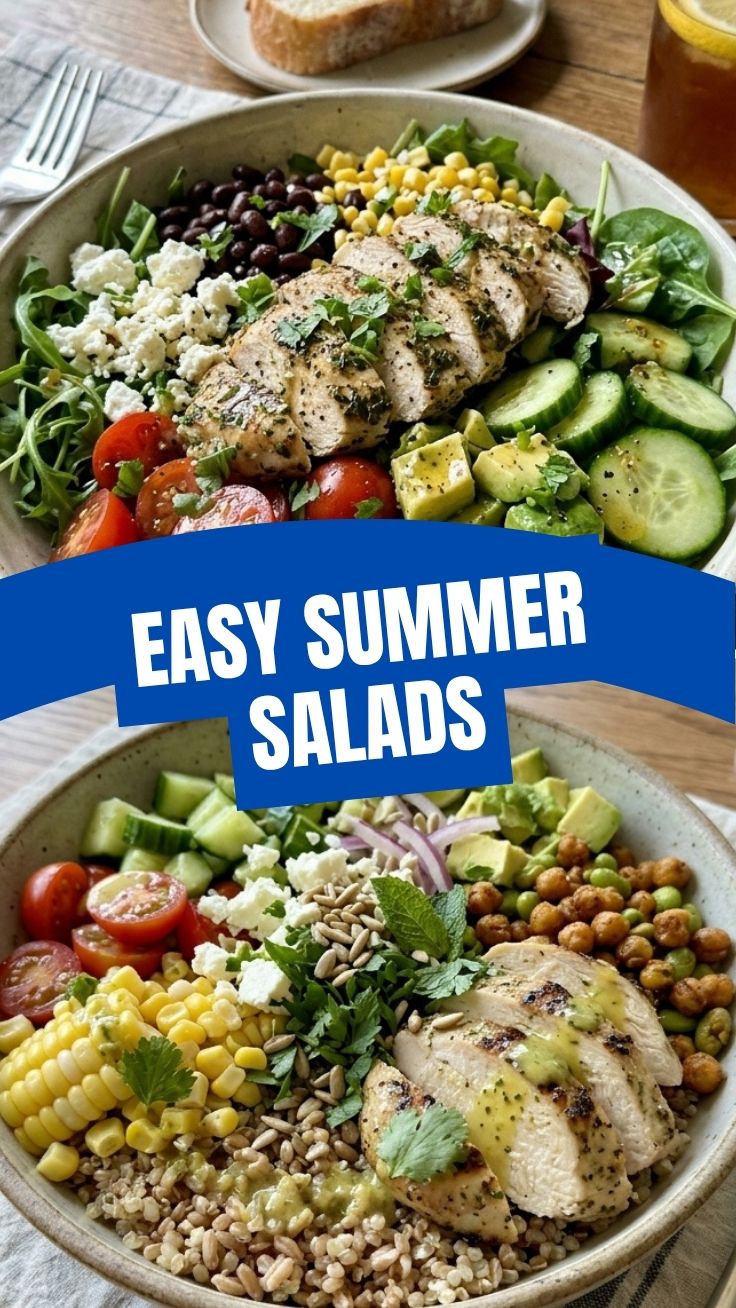
– Prep time: 15 minutes
– Cook time (if using raw chicken): 12–15 minutes (grill or pan-sear)
– Quinoa cooking time: 15 minutes (plus 5-minute rest)
– Hard-boiled eggs: 10 minutes + ice bath
– Total active time: 30 minutes
– Chill time: 10 minutes (optional, for crispy veggies)
Plan ahead: Cook quinoa and eggs in bulk on Sunday to assemble salads all week. Grilled chicken keeps 4 days in the fridge.
—
Step-by-Step Instructions (H2)
1. Cook the protein. Season chicken breast with salt, pepper, garlic powder. Grill over medium-high heat (375°F) for 6 minutes per side until internal temp reaches 165°F. Let rest 5 minutes, then slice. For vegan high protein salads, use marinated chickpeas (toss in olive oil, smoked paprika, cumin) and roast at 400°F for 20 minutes until golden.
2. Cook quinoa. Rinse 1/2 cup quinoa, combine with 1 cup water in a small pot. Bring to boil, reduce to low, cover, simmer 15 minutes. Fluff with fork.
3. Hard-boil eggs. Place eggs in cold water, bring to boil, then cover and remove from heat. Let sit 10 minutes. Transfer to ice water for 5 minutes, then peel and halve.
4. Chop veggies. Dice cucumber, halve cherry tomatoes, slice avocado just before serving to prevent browning.
5. Make dressing. Whisk 3 tbsp tahini, juice of 1 lemon, 1 clove minced garlic, 2 tbsp water, salt, and pepper. Add more water for thinner consistency.
6. Assemble. In a large bowl, layer greens, quinoa, veggies, protein (chicken or chickpeas), eggs, and avocado. Drizzle dressing, toss gently.
Tip: To keep salads high protein summer salads-worthy, always measure your protein portion – 20–30g per serving is ideal for satiety.
—
Nutritional Benefits & Advantages (H2)
Each serving of this salad delivers approximately 35–40 grams of protein, depending on protein choices. Chicken and eggs provide complete animal proteins rich in leucine, the amino acid crucial for muscle protein synthesis. Quinoa offers fiber and all nine essential amino acids – a rare plant-based complete protein. Avocado supplies heart-healthy monounsaturated fats and potassium, which helps reduce bloating from summer heat.
The lemon-tahini dressing adds calcium and iron from sesame seeds. This combination creates a balanced meal that stabilizes blood sugar, keeps energy steady, and supports weight management. For vegan variations, chickpeas and edamame offer comparable protein density with the added benefit of phytonutrients like isoflavones.
—
Tips Variations & Cooking Advice (H2)
Flavor variations:
– Mediterranean: Swap chicken for grilled halloumi, add olives and red onion.
– Asian-inspired: Use edamame, shredded carrots, sesame seeds, and ginger-soy dressing.
– Tex-Mex: Black beans, corn, bell peppers, cilantro, and lime-cumin vinaigrette.
Cooking methods: Grill or air-fry chicken for a smoky char; roast chickpeas for crunchy texture. For a no-cook version, use canned tuna (pouch, no drain) or pre-cooked lentils.
Dietary adaptations:
– Gluten-free: Naturally GF – just avoid croutons or use GF grains.
– Dairy-free: Skip cheese or use cashew-based dressing.
– Low-carb: Omit quinoa, double greens and avocado; replace with hemp seeds (10g protein per 3 tbsp).
Portion changes: For meal prep, divide components into separate containers to prevent soggy greens – combine dressing just before eating.
—
Common Mistakes to Avoid (H2)
1. Overcooking chicken – Dry chicken ruins texture. Use a meat thermometer for precise 165°F.
2. Skipping seasoning – Salads need salt and acid. Dress while still warm (greens absorb better).
3. Drowning in dressing – Start with 2 tbsp, toss, then add more if needed. Excess dressing masks fresh flavors.
4. Wet greens – Pat lettuce dry after washing with a salad spinner or paper towels. Water dilutes dressing and makes salad limp.
5. Avocado browning – Add avocado only to individual servings, not the whole batch. Sprinkle with lemon juice to slow oxidation.
—
Storage & Meal Prep Tips (H2)
Refrigeration: Store undressed salad in an airtight container for up to 4 days. Keep dressing separate. Chicken, eggs, and quinoa each stay fresh 4–5 days in sealed containers.
Freezing: Not recommended – greens and avocado texture degrade. But you can freeze cooked chicken or quinoa separately for up to 3 months.
Reheating: Enjoy the salad cold – reheating wilts greens. If you prefer warm, reheat only the protein (chicken in microwave 1 min; chickpeas in air fryer 3 min at 350°F) and combine with cold veggies.
Meal prep strategy: Sunday cook 3 chicken breasts, 2 cups quinoa, 6 eggs. Monday to Friday assemble in 5 minutes – no cooking needed.
—
Conclusion (H2)
Building high protein summer salads at home transforms the way you eat during hot months. You gain energy, satisfaction, and a streamlined meal prep that supports your fitness or wellness goals. Whether you choose animal-based proteins or experiment with vegan high protein salads, the key is balance – plenty of greens, smart carbs, healthy fats, and a solid protein foundation.
I encourage you to try this recipe this week, swap ingredients based on what’s in your fridge, and share your creations with friends. Your body will thank you, and your taste buds will never settle for boring lettuce again.
—
FAQs (H2)
Q: Can I make this salad ahead of time without it getting soggy?
A: Yes – store all components separately (greens, protein, veggies, dressing) and assemble just before eating. Use a paper towel in the greens container to absorb moisture.
Q: What’s the best vegan protein source for this salad?
A: Chickpeas, edamame, or firm tofu (pan-fried or baked). Lentils work too – just cook until tender but not mushy.
Q: How can I boost the protein content even more?
A: Add hemp seeds (10g/3 tbsp), pumpkin seeds (9g/oz), or a scoop of unflavored collagen peptides stirred into the dressing.
Q: My dressing is too thick – how do I fix it?
A: Whisk in warm water 1 tsp at a time, or add extra lemon juice for brighter flavor. You can also use a drop of olive oil for silkiness.
Q: Can I skip the quinoa if I’m low-carb?
A: Absolutely – replace with extra greens, and add crumbled feta or a second serving of chicken. For vegan low-carb, use riced cauliflower and extra hemp seeds.
—
Ready to build your own perfect bowl? Start with the formulas above, then experiment fearlessly. Your perfect high protein summer salad is just one toss away.
Best way to grow high protein summer salads
Ingredients
Equipment
Method
- Prepare your garden bed by mixing compost into the soil to enrich it with nutrients and improve drainage.
- Plant your chosen high-protein legumes, such as lentils, chickpeas, and snap peas, according to package directions, ensuring adequate spacing.
- Sow the seeds for your favorite leafy greens like spinach, kale, and arugula in succession for a continuous harvest.
- Incorporate edible flowers like nasturtiums, pansies, and calendula among your greens for aesthetic appeal and a peppery or sweet flavor accent.
- Water your garden regularly, especially during dry periods, to establish strong roots and promote lush growth.
- Harvest your greens and edible flowers in the morning after the dew has dried for the best flavor and crispness.
- Pick legumes like snap peas when pods are plump, and use young lentil or chickpea shoots as microgreens.
- Wash all harvested ingredients gently and pat them dry.
- Combine your fresh greens, legumes, and edible flowers for a delicious and nutritious high-protein summer salad.