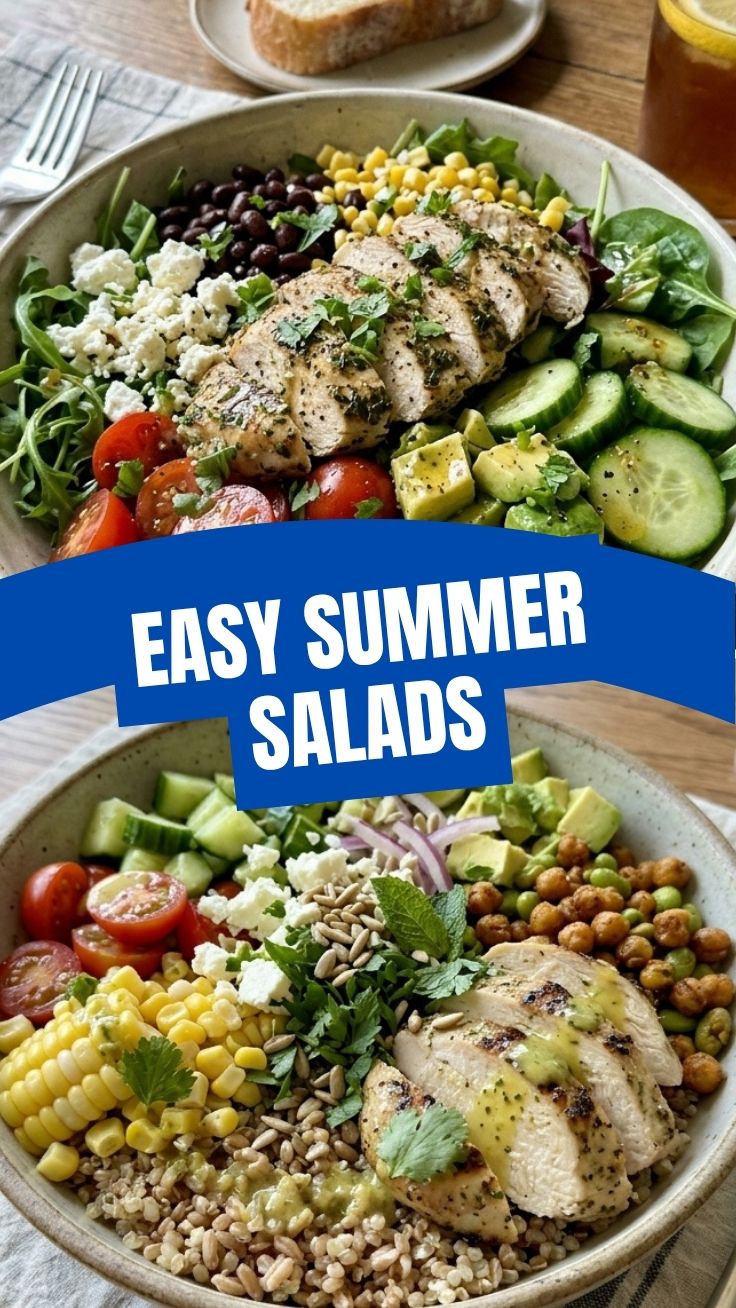
Ingredients
Equipment
Method
Planting and Growing
- Prepare your garden bed by mixing compost into the soil to enrich it with nutrients and improve drainage.
- Plant your chosen high-protein legumes, such as lentils, chickpeas, and snap peas, according to package directions, ensuring adequate spacing.
- Sow the seeds for your favorite leafy greens like spinach, kale, and arugula in succession for a continuous harvest.
- Incorporate edible flowers like nasturtiums, pansies, and calendula among your greens for aesthetic appeal and a peppery or sweet flavor accent.
- Water your garden regularly, especially during dry periods, to establish strong roots and promote lush growth.
Harvesting and Serving
- Harvest your greens and edible flowers in the morning after the dew has dried for the best flavor and crispness.
- Pick legumes like snap peas when pods are plump, and use young lentil or chickpea shoots as microgreens.
- Wash all harvested ingredients gently and pat them dry.
- Combine your fresh greens, legumes, and edible flowers for a delicious and nutritious high-protein summer salad.
Notes
For an extra protein boost, consider adding grilled chicken, fish, or plant-based protein sources like tofu or tempeh to your freshly picked salad. Ensure your soil has good drainage to prevent root rot, and consider companion planting to deter pests naturally.