Alright, let’s get right to it. Here’s your comprehensive, SEO-optimized blog post.
—
Do you ever crave a restaurant-quality dinner that feels indulgent yet aligns perfectly with your fitness goals? You’re not alone. The secret weapon in many a health-conscious kitchen is a perfectly grilled salmon fillet. It’s fast, it’s flavorful, and it delivers a serious protein punch without the heavy carbs. Learning a few master techniques for high protein grilled salmon recipes transforms a simple weeknight meal into a culinary highlight, proving that eating well doesn’t require sacrificing taste or spending hours in the kitchen. Plus, building healthy grilled salmon meals at home gives you complete control over ingredients, from the quality of the oil to the level of sodium, ensuring every bite supports your wellness journey.
Ingredients & Kitchen Tools
Before you ignite the grill, having everything prepped and ready is key to a stress-free cook.
Ingredients:
– 4 Salmon Fillets (6 oz each): Look for center-cut, skin-on fillets for best moisture and ease of grilling.
– 2 tbsp Extra Virgin Olive Oil: Helps the seasoning stick and prevents sticking to the grill.
– 1 tsp Kosher Salt: A must for drawing out flavor; use less if using fine sea salt.
– 1/2 tsp Black Pepper: Freshly ground is best.
– 1 tsp Smoked Paprika: Adds color and a subtle smoky depth.
– 1/2 tsp Garlic Powder: For savory backbone.
– 1 Lemon (for serving): Fresh lemon juice brightens the rich fish.
– Fresh Dill or Parsley (optional): For garnish.
Kitchen Tools:
– Gas or Charcoal Grill: Preheated to medium-high heat.
– Fish Spatula: Its thin, slotted design is perfect for flipping delicate fillets.
– Tongs: For moving the fish safely.
– Pastry Brush: For applying oil to the grill grates.
– Instant-Read Thermometer: Crucial for perfectly cooked salmon every time.
– Aluminum Foil (optional): For creating a packet for flavor variations.
Substitutions:
– No skin? Reduce grilling time by 1-2 minutes and cook on a well-oiled piece of foil to prevent sticking.
– Out of paprika? Try cumin for an earthy twist or cayenne for heat.
– Gluten-Free? This recipe is naturally gluten-free!
Prep Time & Cooking Schedule
Planning is easy with this streamlined timeline. Total time from start to table is under 25 minutes.
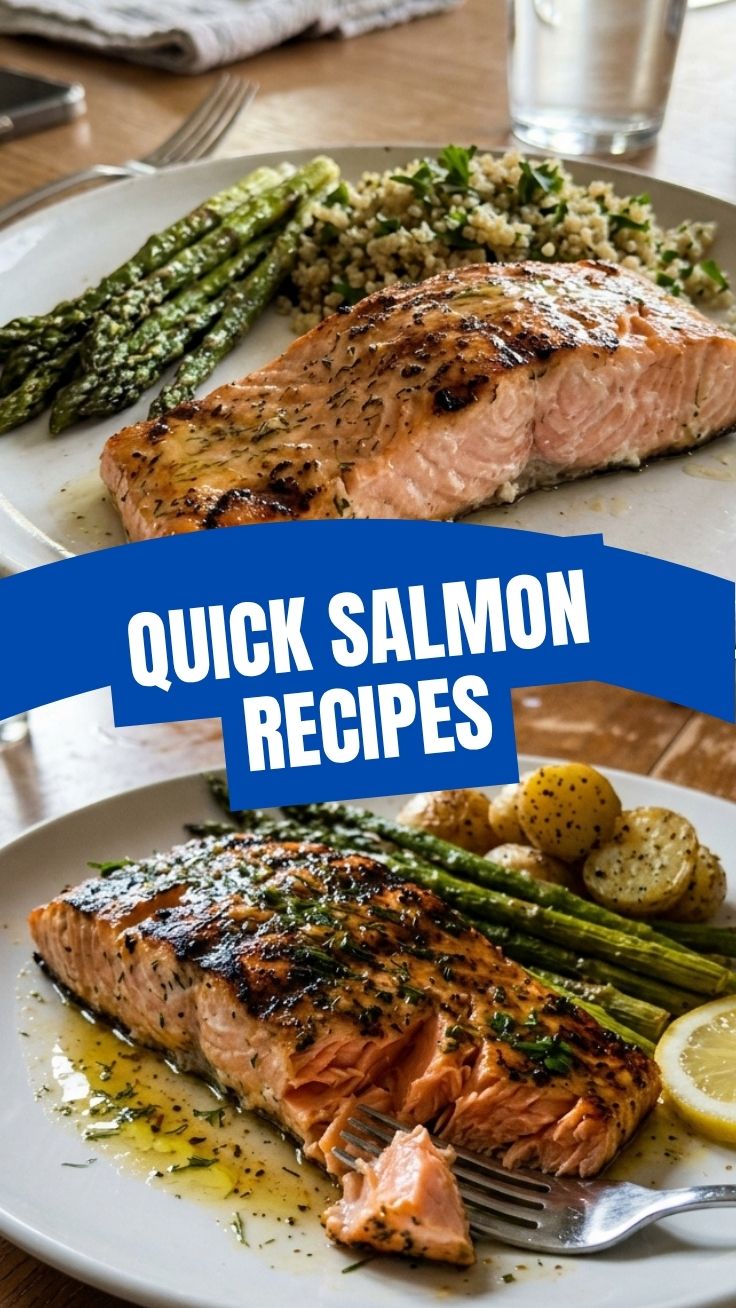
– Prep Time: 10 minutes. This includes patting the salmon dry, mixing the dry rub, and preheating your grill.
– Cook Time: 8-12 minutes. The exact time depends on the thickness of your fillets. A 1-inch thick fillet typically takes 4-6 minutes per side.
– Resting Time: 3 minutes. This is non-negotiable. Resting allows the juices to redistribute, ensuring flaky, moist fish.
Pro-Tip: Take the salmon out of the fridge 15 minutes before you start prepping. This allows it to come to room temperature slightly, promoting more even cooking.
Step-by-Step Instructions
Follow these steps for foolproof results that rival your favorite steakhouse. Creating high protein grilled salmon recipes at home is simpler than you think, and this technique is the foundation for countless healthy grilled salmon meals throughout the week.
1. Prep the Salmon: Pat the fillets completely dry with paper towels. This is the single most important step for a good sear. Brush all sides with olive oil.
2. Season: In a small bowl, combine kosher salt, black pepper, smoked paprika, and garlic powder. Sprinkle this mixture evenly over the flesh side of the salmon.
3. Preheat & Oil the Grill: Heat your grill to medium-high heat (400-450°F) . Use your pastry brush to oil the grates generously to prevent sticking.
4. Grill, Skin-Side Down: Place the salmon on the grill, skin-side down, at a 45-degree angle to get those beautiful cross-hatch grill marks. Close the lid and cook for 4-6 minutes. Do not move it! The skin will crisp and release naturally when it’s ready.
5. Check Release & Flip: Using your fish spatula, gently check if the skin lifts easily. If it sticks, give it another 30-60 seconds. Once released, flip the fillets over. Cook for another 3-5 minutes , lid closed, until the center is almost opaque.
6. Check Temperature: The gold standard is 125-130°F in the thickest part for medium (perfectly tender and moist). For well-done, aim for 135-140°F, but be careful not to overcook.
7. Rest & Serve: Transfer the salmon to a plate, squeeze fresh lemon juice over the top, and let it rest for 3 minutes. Garnish with fresh herbs and serve immediately.
Nutritional Benefits & Advantages
This isn’t just dinner; it’s a nutritional powerhouse. A single 6-ounce serving provides roughly 34-40 grams of high-quality protein, essential for muscle repair and satiety. Salmon is legendary for its omega-3 fatty acids (EPA and DHA), which are critical for brain health, reducing inflammation, and supporting heart function. It’s also an excellent source of Vitamin D, Vitamin B12, selenium, and antioxidants like astaxanthin, which gives the fish its vibrant color. Choosing to grill over frying adds zero extra fat, making this a lean, metabolism-friendly meal that fits perfectly into keto, paleo, Mediterranean, and high-protein diets.
Tips Variations & Cooking Advice
This base recipe is your canvas. Here are ways to make it your own:
– Flavor Swaps: Instead of paprika-garlic, try a blend of taco seasoning (for fish tacos), Italian herbs (basil, oregano, fennel), or Cajun spice.
– Citrus-Glazed: Whisk 2 tbsp maple syrup with 1 tbsp soy sauce and the zest of one orange. Brush on during the last 2 minutes of cooking (watch for burning).
– Dairy-Free Tzatziki: Serve with a side of Greek yogurt (if tolerated) or a dairy-free cucumber-dill sauce made with cashew cream.
– Oven-Broiled: If it’s raining, just transfer the seasoned fillets to a foil-lined baking sheet and broil on high for 6-8 minutes. No need to flip.
– Portion Control: For larger appetites, serve with roasted vegetables and quinoa. For lighter meals, flake the salmon over a massive arugula salad.
Common Mistakes to Avoid
Even experienced cooks fall into these traps. Here’s how to fix them:
– Mistake: The skin sticks and tears.
– Fix: Ensure the grill is scorching hot and well-oiled. Pat the skin bone-dry. Be patient and wait for the fish to release naturally. Forcing it will ruin the fillet.
– Mistake: The fish is dry and chalky.
– Fix: Use a thermometer. Overcooking is the #1 crime against salmon. Remove it from the heat at 125°F; residual heat will finish the job.
– Mistake: The flavor is bland.
– Fix: Season generously before cooking. Don’t be shy with salt; it makes the fish taste like itself. A bright, acidic finish (lemon, vinaigrette) is also crucial for balance.
– Mistake: The salmon fell apart on the grill.
– Fix: Only flip once. Use a wide, thin spatula. If your fillets are very thin (under 1 inch), cook them entirely on one side over high heat, covered, for 6-7 minutes.
Storage & Meal Prep Tips
Don’t let leftovers go to waste! Here’s how to keep them delicious.
– Refrigeration: Store leftover grilled salmon in an airtight container in the fridge for up to 3 days.
– Freezing: Place cooled, cooked fillets in a single layer in a freezer-safe bag, squeezing out all air. It will keep for up to 2 months.
– Reheating (the right way): The microwave will turn it into rubber. Instead, reheat gently in a skillet over low heat with a splash of water or lemon juice, covered, for 2-3 minutes. Or, enjoy it cold on top of a chopped salad for lunch tomorrow.
– Meal Prep Magic: Grill a large side of salmon at the beginning of the week. Flake it into containers with cooked quinoa, roasted broccoli, and a lemon vinaigrette for 3 perfect lunch portions.
Conclusion
Mastering the art of grilling salmon unlocks a world of quick, nutritious, and incredibly satisfying dinners. From the crispy skin to the tender, flaky center, this technique proves that you don’t need a complicated recipe to eat like a king. We’ve shown how effortless it is to create delicious high protein grilled salmon recipes that also double as impressive healthy grilled salmon meals for family and friends. So, fire up that grill, grab your favorite fillet, and experience the difference fresh, well-cooked salmon makes. We’d love to hear how yours turns out—share a photo or your favorite flavor twist in the comments below!
FAQs
Q: Can I use frozen salmon for this recipe?
A: Absolutely. Thaw it completely in the refrigerator overnight. Pat it extremely dry before seasoning, as frozen fish retains more moisture, which can prevent searing.
Q: How do I know when the salmon is done without a thermometer?
A: Look for visual cues. The flesh will change from translucent to opaque. When you gently press the thickest part, it should flake easily with a fork but still look moist inside. The internal color should be a vibrant coral pink.
Q: What if my grill isn’t hot enough?
A: A cold grill is the enemy of non-stick cooking. Invest in an inexpensive grill thermometer to ensure your surface is at least 400°F. If using charcoal, you should not be able to hold your hand 5 inches above the grate for more than 4-5 seconds.
Q: Can I make this dairy-free or egg-free?
A: This recipe is naturally free of both dairy and eggs. Just ensure any side sauces or accompaniments you choose (like a tzatziki or aioli) are also dairy-free or egg-free as needed.
Q: Why is my salmon skin not getting crispy?
A: Most likely, the skin is not dry enough before it hits the grill. Ensure you pat it thoroughly with paper towels. Also, don’t overcrowd the grill; heat needs to circulate around each fillet.
High Protein Grilled Salmon Recipe
Ingredients
Equipment
Method
- Pat the salmon fillets dry with paper towels to ensure crispy skin when grilled.
- Whisk together olive oil, lemon juice, minced garlic, dried dill, salt, and black pepper in a small bowl to create the marinade.
- Place salmon in a shallow dish, pour marinade over fillets, and let them marinate for 15-30 minutes.
- Preheat your grill to medium-high heat (about 400°F or 200°C) and lightly grease the grates.
- Grill the salmon fillets skin-side down for 4-6 minutes per side, until they flake easily and reach an internal temperature of 145°F (63°C).
- Remove the grilled salmon and let it rest for a few minutes before serving.