The Ultimate Guide to Cozy Comfort: Healthy Winter Soup Recipes for Your Slow Cooker
Have you ever walked in from a biting cold day, snowflakes still clinging to your coat, and craved something that could warm you from the inside out? That’s the magic of a nourishing bowl of soup—but it shouldn’t come from a can or take hours of active stirring. Preparing healthy winter soup recipes at home gives you complete control over ingredients, sodium levels, and flavor depth. With a slow cooker doing the heavy lifting, you can transform simple vegetables, legumes, and spices into a meal that comforts your soul and supports your wellness goals. Let’s explore how to build the perfect pot of warmth that carries you through the season.
Ingredients & Kitchen Tools
– Olive oil (2 tablespoons): For sautéing aromatics; adds richness and helps extract flavor.
– Yellow onion (1 large, diced): Provides a savory base; can substitute with leeks for a milder taste.
– Garlic cloves (4, minced): Boosts immune health and deepens savory notes.
– Carrots (3, peeled and sliced): Natural sweetness balances the soup; rich in beta-carotene.
– Celery stalks (3, sliced): Adds earthy flavor and crunch; use fennel for a subtle licorice twist.
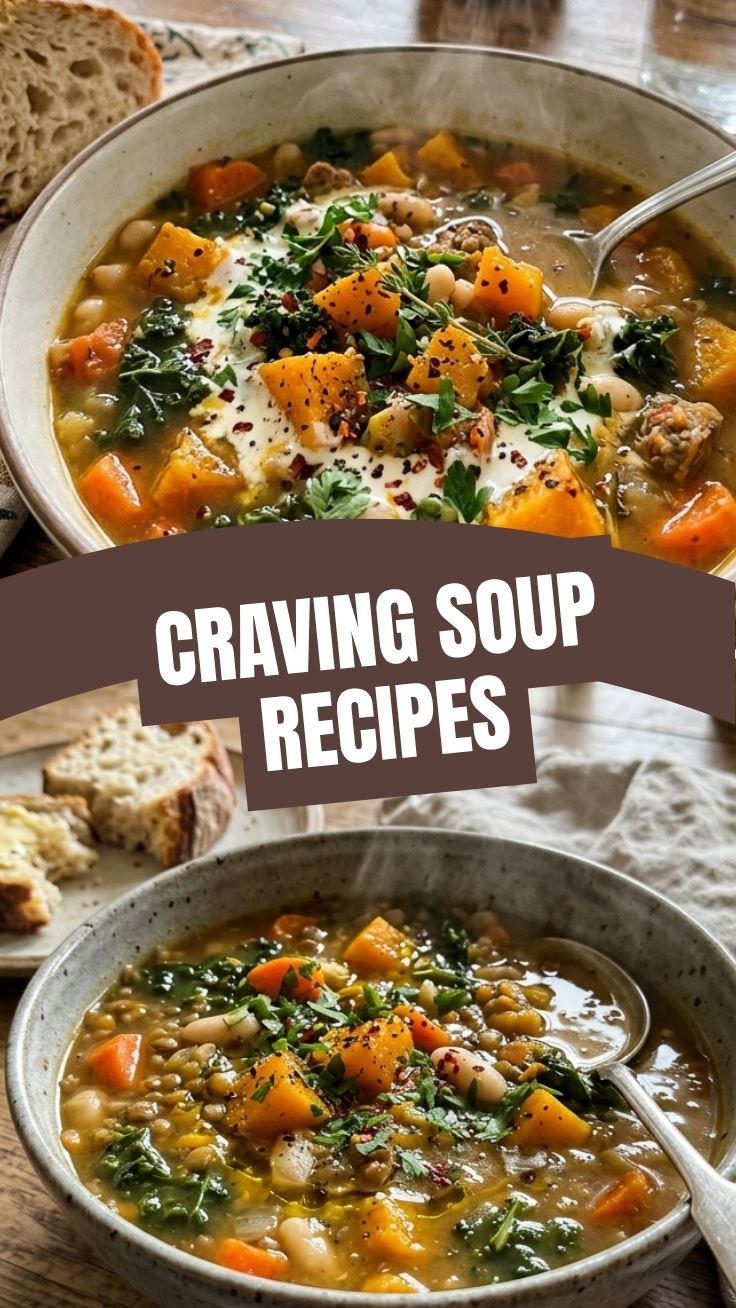
– Butternut squash (1 medium, peeled and cubed): Creamy texture when cooked; packed with vitamins A and C.
– Green lentils (1 cup, rinsed): Plant-based protein that holds shape well; no soaking needed.
– Diced tomatoes (1 can, 14.5 oz): Adds acidity and depth; fire-roasted variety enhances smokiness.
– Vegetable broth (4 cups): Low-sodium preferred; chicken broth works for non-vegetarian versions.
– Kale (2 cups, chopped): Stir in at the end for vibrant color and iron; swap with spinach or Swiss chard.
– Dried thyme (1 teaspoon) and smoked paprika (½ teaspoon): Warm spices that evoke winter comfort.
– Salt and black pepper: To taste; adjust after cooking to prevent overseasoning.
– Kitchen Tools: Large skillet, 6-quart slow cooker, sharp chef’s knife, cutting board, wooden spoon, measuring cups.
Prep Time & Cooking Schedule
– Prep time: 15 minutes (chopping vegetables, rinsing lentils, measuring spices).
– Cook time: 6–8 hours on LOW or 3–4 hours on HIGH.
– Resting time: 10 minutes after cooking allows flavors to meld fully.
Planning tip: Start this soup in the morning before work or an afternoon of errands. The slow cooker does the work while you go about your day. If you prefer a thicker consistency, cook on LOW for the full 8 hours—the lentils will break down slightly, naturally thickening the broth.
Step-by-Step Instructions
1. Sauté aromatics for depth: Heat olive oil in a large skillet over medium heat. Add diced onion, carrots, and celery. Cook for 5–7 minutes until softened and fragrant, stirring occasionally. Add minced garlic and cook for 1 minute more. This step unlocks layers of flavor that slow cooking alone cannot achieve.
2. Transfer to slow cooker: Scrape the sautéed vegetables into the slow cooker. Add cubed butternut squash, rinsed lentils, diced tomatoes (with their juices), and dried thyme and smoked paprika.
3. Add liquid and season: Pour in the vegetable broth and stir gently to combine. Season with a pinch of salt and pepper—remember, you can adjust later.
4. Cook low and slow: Cover and cook on LOW for 6–8 hours or on HIGH for 3–4 hours. The lentils should be tender but not mushy, and the squash should yield easily when pierced with a fork.
5. Finish with greens : During the last 15 minutes of cooking, stir in chopped kale. Cover and allow it to wilt into the hot soup, retaining its vibrant color and nutrients. Many healthy winter soup recipes rely on hardy greens like kale because they hold up well without turning slimy.
6. Adjust seasoning and serve: Taste and add more salt, pepper, or a squeeze of lemon juice for brightness. Ladle into bowls and enjoy with crusty bread or a simple side salad. If you’re looking for easy slow cooker winter soups, this one-step kale addition simplifies cleanup while maximizing nutrition.
Pro tip: For a creamier texture without dairy, use an immersion blender to partially puree about one-third of the soup before adding the kale. This creates a velvety body while keeping chunky vegetables intact.
Nutritional Benefits & Advantages
This soup is a nutritional powerhouse designed to support winter wellness. Each serving provides:
– Fiber (approximately 12 grams from lentils, vegetables, and kale): Promotes digestive health and prolonged satiety.
– Plant-based protein (15 grams from green lentils): Helps maintain muscle mass and steady energy levels.
– Vitamin A (over 200% DV from butternut squash and carrots): Essential for immune function and skin health.
– Vitamin C (45% DV from kale and tomatoes): Antioxidants combat seasonal oxidative stress.
– Iron (20% DV from lentils and kale): Critical for oxygen transport and combating winter fatigue.
The low-fat, cholesterol-free profile makes this heart-friendly, while the moderate sodium allows you to control intake. By cooking at home, you avoid preservatives and excess salt found in canned versions.
Tips, Variations & Cooking Advice
– Flavor boost: Add 1 tablespoon of tomato paste during the sauté step for deeper umami.
– Protein upgrade: Stir in shredded rotisserie chicken or cooked Italian sausage during the last 30 minutes.
– Spice it up: Include ¼ teaspoon red pepper flakes or a diced jalapeño for gentle heat.
– Gluten-free & dairy-free: This recipe is naturally both; simply ensure your broth is certified gluten-free if needed.
– Bean swap: Replace lentils with 2 cans of drained chickpeas or white beans for a different texture.
– Herb variations: Fresh rosemary or sage (1 teaspoon each, minced) adds earthy winter notes.
– Portion changes: This recipe yields about 6 generous servings; double for meal prep or freeze half.
Common Mistakes to Avoid
– Skipping the sauté: Adding raw vegetables directly to the slow cooker results in bland soup. The initial browning develops complexity that cannot be replicated later.
– Overcooking lentils: Green lentils hold their shape best; avoid cooking beyond 8 hours on LOW or they may disintegrate.
– Adding kale too early: Kale becomes bitter and mushy if cooked for hours. Always stir it in during the final 15 minutes.
– Under-seasoning: Soups often need more salt than expected because liquid dilutes flavors. Taste before serving and adjust boldly.
– Using low-quality broth: Boxed broth can make or break your soup. Opt for reduced-sodium, organic brands, or make your own.
Storage & Meal Prep Tips
– Refrigeration: Cool soup completely, then transfer to airtight containers. It stays fresh for up to 5 days in the refrigerator.
– Freezing: Portion into freezer-safe bags or containers, leaving 1-inch headspace for expansion. Freeze flat for easy stacking; keeps well for 3 months.
– Reheating: Thaw overnight in the fridge, then reheat gently on the stovetop over medium-low heat, stirring occasionally. Add a splash of broth or water if the soup thickens too much. Avoid boiling, which can make vegetables mushy.
– Meal prep: Prepare through step 4, cool, and refrigerate. Reheat and add kale just before serving for freshest texture.
Conclusion
This slow cooker soup proves that winter comfort doesn’t have to compromise your health goals. By layering simple ingredients with intentional technique, you create a meal that nourishes both body and spirit—exactly what healthy winter soup recipes should deliver. The hands-off cooking method ensures you can enjoy hearty, flavorful bowls without spending your whole afternoon in the kitchen. Whether you’re building a weekly rotation or trying easy slow cooker winter soups for the first time, this recipe offers flexibility and reliability. I encourage you to make a batch this week, adjust the spices to your liking, and share your results. Your future self on a cold, busy evening will thank you.
FAQs
1. Can I freeze this soup with kale already added?
Yes, but the kale may soften upon reheating. For best texture, freeze the soup base without greens and add fresh kale when reheating.
2. How can I thicken the soup without cream?
Mash some cooked lentils and squash against the side of the pot, or use an immersion blender on one-third of the soup. A tablespoon of cornstarch mixed with cold water can also be stirred in during the last 30 minutes.
3. What if I don’t have butternut squash?
Substitute with sweet potatoes, pumpkin, or even frozen cubed butternut squash for convenience. Adjust cooking time if using smaller cubes.
4. My soup tastes bland – what went wrong?
Likely under-seasoning or skipping the sauté step. Add salt gradually, plus a splash of lemon juice or vinegar to brighten flavors. Smoked paprika also adds needed depth.
5. Can I cook this on the stovetop instead?
Absolutely. Follow steps 1 and 2 in a large pot, then add broth and simmer covered for 30–40 minutes until lentils and squash are tender. Add kale and cook 5 more minutes.
Proven way to grow 15 healthy winter soup recipes
Ingredients
Equipment
Method
- Gather all your ingredients, wash and chop the vegetables, and prepare your chosen protein source.
- Dice onions, carrots, and celery as your aromatic base for most soups, and finely chop garlic if using.
- In a large pot or Dutch oven, sauté the aromatics with a little olive oil until softened.
- Add harder vegetables like potatoes and carrots, along with any chosen lean protein, and cook for a few minutes.
- Pour in the broth and bring the mixture to a simmer, then add softer vegetables such as kale or spinach in the last 10-15 minutes of cooking.
- Season generously with your desired herbs, spices, salt, and pepper, and adjust to your preference.
- Ladle the warm soup into bowls and garnish with fresh herbs or a dollop of dairy-free cream if desired.