Why This Fresh Greek Salad Will Become Your Go-To Summer Dish
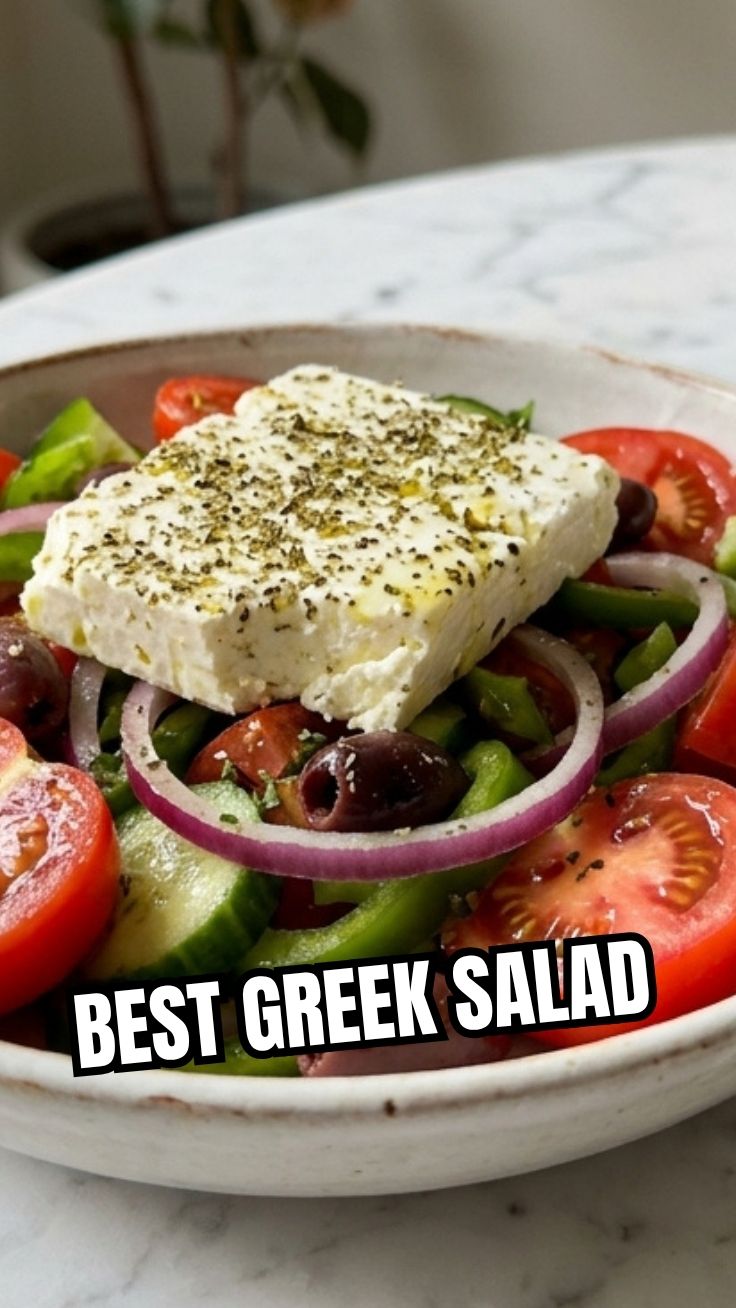
Have you ever bitten into a sad, wilted salad and wondered why restaurant versions taste so much better? The secret isn’t complicated techniques or hard-to-find ingredients—it’s the careful balance of textures, temperatures, and bold Mediterranean flavors. When you make a Greek Salad at home, you take control of quality while saving money and reducing food waste. This classic dish shines because of its simplicity: crisp cucumbers, juicy tomatoes, tangy feta, and briny olives come together with a zesty lemon-oregano dressing. Following the Mediterranean diet has never been easier or more satisfying. In fact, this recipe embodies everything nutritionists love about Mediterranean eating: fresh vegetables, healthy fats, and clean protein. Let’s explore why homemade versions outshine takeout every time.
Ingredients & Kitchen Tools
For the Salad:
– 4 large ripe tomatoes – Use vine-ripened or Roma for best flavor; avoid mealy winter tomatoes
– 1 English cucumber – Fewer seeds and thinner skin than regular cucumbers; no need to peel
– 1 small red onion – Slice paper-thin for mild sweetness; soak in cold water 10 minutes to reduce bite
– 1 green bell pepper – Adds crunch and slightly grassy note; substitute with banana pepper for heat
– ½ cup Kalamata olives – Rich, fruity flavor; green olives work but taste different
– 7–8 ounces feta cheese – Block feta in brine, not pre-crumbled (it’s drier and less creamy)
– 2 tablespoons fresh oregano – Dried works but use half amount; rub between palms to release oils
For the Dressing:
– 3 tablespoons extra virgin olive oil – Must be good quality; it’s the backbone of the dressing
– 1 tablespoon red wine vinegar – Substitute lemon juice if needed
– 1 teaspoon dried oregano – Greek oregano preferred for piney notes
– Salt and black pepper – Flaky sea salt and freshly ground pepper make a difference
Kitchen Tools:
– Large mixing bowl (stainless steel or ceramic – plastic can retain odors)
– Sharp chef’s knife and cutting board
– Vegetable peeler (optional for cucumber stripes)
– Small whisk or fork for dressing
– Salad servers or large spoons
Optional Substitutions:
– Dairy-free: Use marinated tofu or vegan feta block
– Low-sodium: Rinse olives briefly and use less feta
– Extra protein: Add grilled chicken, chickpeas, or canned tuna
Prep Time & Cooking Schedule
Total Time: 20 minutes active
Prep Time: 15 minutes (chopping)
Assembly: 5 minutes
Resting Time: 5–10 minutes (optional, for flavors to meld)
Planning Notes:
– Can be fully prepped 2 hours ahead; keep dressing separate
– Best served within 30 minutes of dressing for crisp vegetables
– Dressing lasts 1 week refrigerated – double batch for multiple salads
– Tomatoes should be at room temperature for fullest flavor
When to Make:
– Weeknight quick dinner with grilled protein
– Meal prep Sunday (chop veggies, store without dressing)
– Backyard barbecue – holds up better than leafy salads
Step-by-Step Instructions
1. Wash and dry all vegetables thoroughly – Wet vegetables dilute dressing and cause sogginess. Pat cucumber and peppers completely dry.
2. Cut tomatoes into bite-sized wedges – For grape tomatoes, halve them; for large tomatoes, remove core first. Keep pieces uniform (about 1-inch chunks) for even eating.
3. Slice cucumber in half lengthwise – Run a spoon down the center to remove seeds if they’re large. Cut into half-moon shapes about ¼-inch thick.
4. Peel and thinly slice red onion – Use a mandoline for paper-thin slices. Soak in ice water 5 minutes if you want milder flavor; drain and pat dry.
5. Seed and dice green bell pepper – Remove white pith and seeds completely (they’re bitter). Cut into ½-inch squares.
6. Combine in large bowl – Add tomatoes, cucumber, onion, bell pepper, and olives. Do not add feta yet – it gets added last.
7. Make the dressing – Whisk olive oil, red wine vinegar, dried oregano, ½ teaspoon salt, and ¼ teaspoon black pepper. Taste and adjust acidity – it should be bright but not sour.
8. Pour dressing over vegetables – Toss gently with hands or servers to coat evenly. Let rest 5 minutes if you have time.
9. Top with feta – Cut block into ½-inch cubes (or crumble coarsely). Arrange on top of dressed salad – this keeps feta from getting lost in the bottom.
10. Final garnish – Sprinkle fresh oregano leaves and a pinch of flaky salt. Serve immediately.
A well-prepared Greek Salad relies on temperature contrast – cool vegetables against room-temperature feta. The Mediterranean diet emphasizes this kind of fresh, vibrant eating where ingredients speak for themselves.
Nutritional Benefits & Advantages
This salad delivers impressive nutrition without sacrificing flavor:
– Vitamin C powerhouse – One serving covers 50%+ daily needs from tomatoes and bell peppers
– Heart-healthy fats – Olive oil and olives provide monounsaturated fats that support cholesterol balance
– Bone-friendly calcium – Feta cheese offers 150–200 mg calcium per ounce
– Hydration boost – Cucumber is 95% water, making this salad naturally low-calorie
– Antioxidant-rich – Oregano, tomatoes, and olives contain polyphenols that fight inflammation
Dietary Advantages:
– Naturally gluten-free
– Low-carb friendly (about 8g net carbs per serving)
– Vegetarian as written
– Can be made vegan by omitting feta or using plant-based alternative
Tips Variations & Cooking Advice
Flavor Variations:
– Spicy Kick – Add sliced pepperoncini or pinch of red pepper flakes
– Herb Swap – Use fresh mint or basil instead of oregano for different profile
– Creamy Twist – Add dollop of Greek yogurt on top
Ingredient Swaps:
– Tomatoes – Use cherry tomatoes halved; they hold up better for leftovers
– Feta substitutes – Goat cheese, ricotta salata, or even cubed halloumi (grill first)
– Olive alternatives – Castelvetrano or Cerignola for milder, buttery flavor
Cooking Methods:
– Grilled version – Char cucumber slices and bell pepper quarters for smoky notes
– Deconstructed bowl – Serve ingredients separately over quinoa or couscous
– Wraps or pitas – Stuff into warm pita with tzatziki for portable lunch
Dietary Adaptations:
– Low-FODMAP – Use green tops of scallions, omit garlic in dressing, reduce feta to 1 ounce
– Keto – Add extra olive oil, avocado, and reduce tomato portion
– Whole30 – Ensure feta is sugar-free; skip if strict
Common Mistakes to Avoid
| Mistake | Solution |
|———|———-|
| Watery, soggy salad | Salt tomatoes and let drain 10 minutes before adding other vegetables |
| Feta disappears into salad | Cube feta and add last, or serve whole slab on top |
| Bland flavor | Use good olives, not canned black ones; add salt gradually |
| Dressing separates | Whisk immediately before pouring; if using ahead, shake vigorously |
| Overdressed vegetables | Start with half dressing – you can always add more |
| Bitter onion taste | Soak sliced onion in cold water 5 minutes, then dry thoroughly |
Pro Tip: For maximum crunch, store cucumber and bell pepper in ice water 10–15 minutes while prepping other ingredients. Pat completely dry before adding to bowl.
Storage & Meal Prep Tips
Refrigeration:
– Store undressed vegetables (minus cucumber if possible) in airtight container for 3–4 days
– Keep dressing separately for up to 1 week in a jar
– Feta lasts 2 weeks in brine; store separately from salad
Freezing:
– Not recommended – vegetables become mushy upon thawing
– Exception: You can freeze dressing (without herbs) for up to 3 months; shake well before using
Reheating:
– Enjoy cold or at room temperature – reheating destroys texture
– If you prefer less chill, let sit on counter 15 minutes before serving
Meal Prep Strategy:
– Sunday: Chop all vegetables (except cucumber), store in separate bags
– Morning of: Slice cucumber, combine everything except dressing
– At serving: Dress and top with feta
Leftover Revamp:
– Blend leftover dressed salad into gazpacho base
– Mash into feta spread for wraps
– Chop smaller and add to omelets
Conclusion
A truly memorable Greek Salad comes down to three things: quality ingredients, proper technique, and respect for the original Mediterranean spirit. By following this guide, you’ll create a dish that’s crisp, bright, and satisfying every time. Whether you’re exploring the Mediterranean diet for health reasons or simply craving something fresh and delicious, this recipe delivers on all fronts. Homemade versions let you adjust flavors to your liking while avoiding preservatives and excess sodium found in restaurant interpretations. Give it a try tonight – you’ll wonder why you ever bought pre-made salad again. When you make it, tag your creation online or comment below with your favorite variation. Your taste buds (and your wallet) will thank you.
FAQs
1. Can I use dried oregano for the dressing?
Absolutely. Use 1 teaspoon dried oregano instead of fresh. Rub it between your palms before adding to release oils. Greek oregano is ideal for its piney, slightly peppery flavor.
2. My tomatoes are mealy – what went wrong?
Mealy tomatoes come from being refrigerated or picked unripe. Always use room-temperature tomatoes. In winter, cherry or grape tomatoes are more reliable than large ones. If all you have are bland tomatoes, roast them briefly to concentrate flavor.
3. How do I prevent the salad from getting watery?
Salt your chopped tomatoes and let them drain in a colander for 10–15 minutes before adding to the bowl. Also, pat cucumber dry after cutting. This simple step prevents that watery puddle at the bottom.
4. Can I add lettuce to make it stretch further?
Traditional Greek Salad has no lettuce, but you can add torn romaine or arugula for extra volume. Increase dressing slightly and toss gently. The texture changes, but it’s still delicious.
5. What’s the best way to store leftover dressed salad?
If you’ve already added dressing, transfer to an airtight container and refrigerate for up to 24 hours. The vegetables will soften, but the flavor improves. Don’t expect the same crunch as fresh – use leftovers for stuffed pita or as a topping for grilled fish.
6. Why is my dressing too sharp?
Red wine vinegar can vary in acidity. If your dressing tastes too tangy, whisk in an extra tablespoon of olive oil and a pinch of sugar. Balance is key – the dressing should be bright but not mouth-puckering.
7. Can I make this salad vegan?
Yes! Omit the feta and add: marinated tofu cubes, roasted chickpeas, or a sprinkle of nutritional yeast for umami. Avocado chunks also add creaminess and healthy fats.
Ready to explore more? Try our Classic Horiatiki (Village Salad) with capers or the Watermelon Feta Salad for a summer twist.
Best way to grow a 7-Ingredient Greek Salad
Ingredients
Equipment
Method
- Chop the cucumber and tomatoes into bite-sized pieces; thinly slice the red onion.
- Combine the chopped cucumber, tomatoes, red onion, Kalamata olives, and crumbled feta cheese in a large bowl.
- In a small bowl, whisk together the olive oil and red wine vinegar to make the dressing.
- Pour the dressing over the salad ingredients and toss gently to combine; serve immediately.