The Art of the Perfect Custard: A Breakfast Classic Reimagined
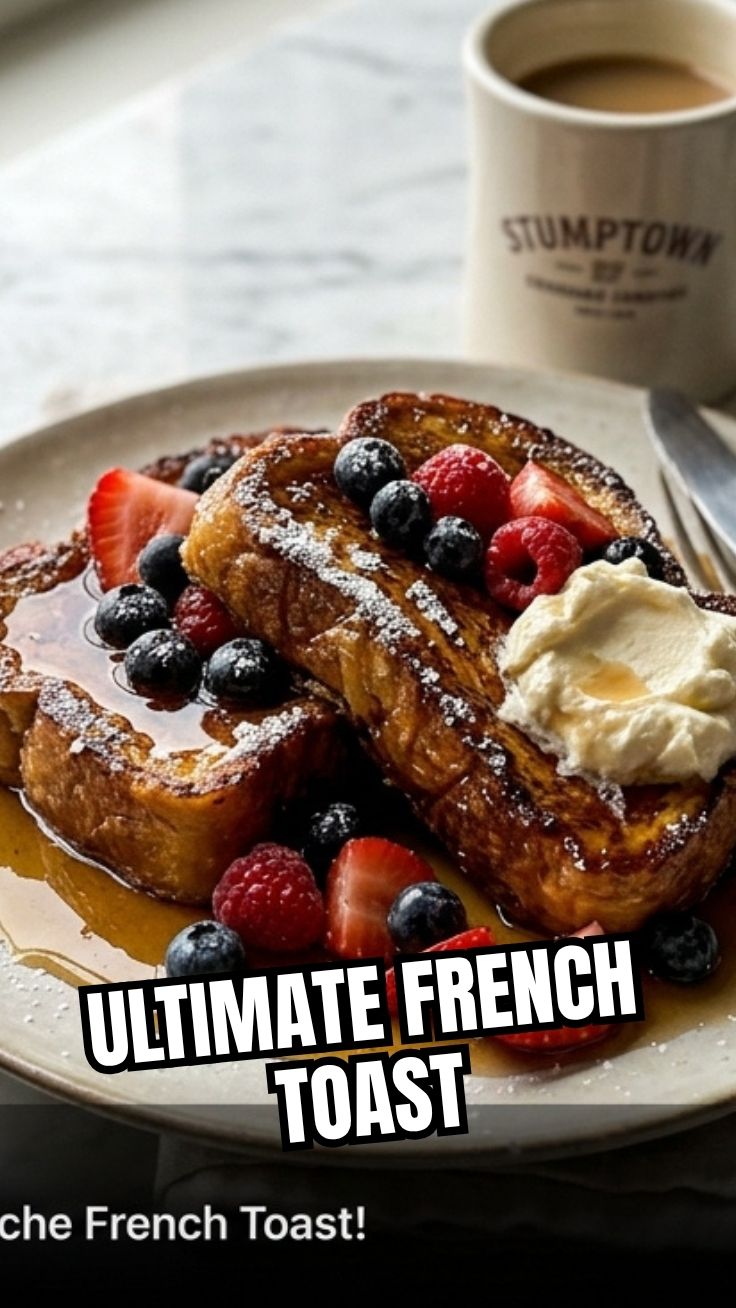
What if the secret to a breakfast that feels like a warm hug was just a few pantry staples away? Let’s be honest, a soggy piece of bread dipped in a thin, uneven wash is a tragedy that no amount of syrup can fully redeem. But achieving that perfect, custardy interior with a caramelized, golden-brown crust is a culinary art form worth mastering, and it saves you the cost and hassle of a diner trip. This recipe unlocks the secrets to the best French Toast you’ll ever make at home, delivering a restaurant-quality experience in ten minutes flat. The star of the show isn’t just the bread; it’s the quality of the Eggs you whisk into the custard. Fresh, farm-raised eggs make a monumental difference in color, richness, and overall structure.
Ingredients & Kitchen Tools
Bread: 4 thick slices of brioche or challah (day-old, slightly stale is ideal for maximum absorption).
Custard Base: 3 large eggs (room temperature for a smoother emulsion).
Dairy: ½ cup whole milk or half-and-half (higher fat content yields a richer custard).
Flavoring: 1 tsp pure vanilla extract, ½ tsp ground cinnamon, a pinch of freshly grated nutmeg, and a tiny pinch of sea salt.
Cooking Fat: 2 tbsp unsalted butter (or clarified butter for a higher smoke point).
Optional Garnishes: Pure maple syrup, fresh berries, powdered sugar, or a dollop of whipped cream.
Tools: Large shallow dish or pie plate, whisk, non-stick skillet or cast-iron griddle, a flexible spatula, and a timer.
Prep Time & Cooking Schedule
– Prep Time: 5 minutes (whisking the custard)
– Resting Time: 5 minutes (allowing the custard flavors to meld)
– Soaking Time: 30 seconds per side (crucial—do not oversaturate)
– Cook Time: 4–6 minutes total (2–3 minutes per side over medium heat)
– Total Time: 15 minutes
Plan this for a relaxed weekend morning, or prep the custard the night before to save time.
Step-by-Step Instructions
1. Make the Custard: In a shallow dish, whisk together the Eggs, milk, vanilla, cinnamon, nutmeg, and salt until completely smooth and pale yellow. This ensures the proteins are evenly distributed, preventing streaks of white in the final dish. Let the mixture rest for 5 minutes.
2. Heat the Pan: Place your skillet over medium heat. Add the butter and let it melt until it foams, then the foam subsides slightly. The butter should smell nutty but not burned. This precise temperature window is the difference between a deep golden sear and a scorched, bitter exterior.
3. Soak the Bread: Dip a slice of bread into the custard for 15–20 seconds per side. You want it fully saturated but not falling apart. The bread should feel heavy and soft but still hold its shape. This precision is what separates good French Toast from great French Toast.
4. Cook to Perfection: Place the soaked bread gently into the hot skillet. Do not crowd the pan—cook in batches if necessary. Cook for 2–3 minutes until the bottom is a deep amber color with crispy edges. Flip carefully and cook the other side. Press down gently with the spatula for even browning.
5. Serve Immediately: Transfer to a warm plate and serve with maple syrup and fresh fruit. The contrast between the crisp exterior and the soft, custard-like interior is the hallmark of a perfect batch.
Nutritional Benefits & Advantages
This breakfast is a powerhouse of balanced energy. The custard base provides high-quality complete protein and choline for brain health, while the whole milk adds calcium, vitamin D, and a dose of healthy fats that keep you full. The bread offers complex carbohydrates for sustained energy, and cinnamon is rich in antioxidants with anti-inflammatory properties that help regulate blood sugar. It’s a balanced meal that satisfies both the sweet tooth and the body’s nutritional needs—far superior to sugary cereals or processed breakfast bars.
Tips, Variations & Cooking Advice
– Bread Swap: Use sourdough for a tangy contrast, or gluten-free bread (which needs a shorter soak to avoid disintegration).
– Dairy-Free: Substitute whole milk with unsweetened oat milk or full-fat coconut milk, and use vegan butter or coconut oil for cooking.
– Flavor Boost: Add a splash of bourbon, orange zest, or a teaspoon of almond extract to the custard.
– Alternative Cooking Methods: For a crowd, bake the soaked slices on a sheet pan at 375°F (190°C) for 15 minutes, flipping halfway through. An air fryer at 350°F for 5 minutes creates an incredibly crispy crust without deep frying.
– Savory Variation: Omit the vanilla and cinnamon, add a pinch of black pepper and paprika, and serve with avocado and a poached egg.
Common Mistakes to Avoid
– Soggy, Dense Toast: Using fresh, soft bread or over-soaking. Stick to stale bread and a 15–20 second soak per side.
– Burned Butter: Your pan is too hot. Medium heat is your friend. If the butter browns immediately, lower the heat and start over.
– Eggy, Sulfurous Flavor: Insufficient whisking or too many eggs. Ensure a smooth custard and balance with vanilla and cinnamon.
– Custard Leaks: The milk-to-egg ratio is off. Stick to ½ cup of milk for every 3 large eggs for a perfectly cohesive batter.
– Uneven Coloring: Crowding the pan traps steam. Cook in batches to maintain a dry, hot surface for searing.
Storage & Meal Prep Tips
– Refrigeration: Store leftover slices in an airtight container in the fridge for up to 3 days. Place parchment paper between layers to prevent sticking.
– Freezing: Cool slices completely on a wire rack. Flash freeze on a baking sheet, then transfer to a freezer-safe bag. They will keep for up to 2 months.
– Reheating for Crispiness: Avoid the microwave. Reheat in a toaster, toaster oven, or air fryer at 350°F for 3–4 minutes. For larger batches, bake on a sheet pan at 350°F for 5–7 minutes.
– Make-Ahead Custard: The custard can be whisked and stored in the fridge for up to 24 hours. Whisk briefly before using.
Conclusion
Mastering this classic breakfast is a gift you give yourself. We’ve explored how the perfect custard, starring fresh Eggs, transforms humble bread into a golden, decadent delight. Paying attention to the soak time and pan temperature elevates a simple French Toast into a restaurant-quality meal. Now, it’s your turn to get golden. Try this recipe this weekend and share your creations with us—we can’t wait to see what you make!
FAQs
Can I use stale bread, or does it need to be fresh?
Stale bread is actually preferred! Day-old brioche or challah has less moisture, allowing it to act like a sponge and absorb the custard without falling apart or turning mushy in the center.
Why is my toast soggy in the middle?
This usually happens when the pan is not hot enough, or the bread is soaked too long. Ensure your pan is at a steady medium heat and limit each side to a 15–20 second soak.
What is the best bread for this recipe?
Thick-sliced brioche, challah, or Texas toast are the gold standard. Their dense, rich crumb structure holds up beautifully to the custard and creates a luxurious texture.
How do I prevent an overly “eggy” flavor?
A generous splash of vanilla extract, a pinch of cinnamon, and a tiny pinch of salt are your best defenses. Also, ensure you aren’t using too many eggs relative to the milk—stick to the 3:½ ratio.
Can I make this dairy-free?
Absolutely. Use unsweetened oat milk or almond milk in place of whole milk, and cook with coconut oil or a high-quality vegan butter. The texture will be slightly lighter, but still delicious.
Best way to grow fluffy French Toast
Ingredients
Equipment
Method
- Whisk together eggs, milk, sugar, vanilla extract, and cinnamon in a shallow dish until well combined.
- Melt butter in a non-stick skillet over medium heat. Dip each slice of bread into the egg mixture, ensuring it's fully coated but not soggy.
- Place the coated bread in the hot skillet and cook for 2-3 minutes per side, or until golden brown and fluffy.
- Serve immediately with your favorite toppings such as syrup, fresh fruit, or powdered sugar.