Here is the comprehensive, SEO-optimized, and easy-to-follow blog post you requested.
—
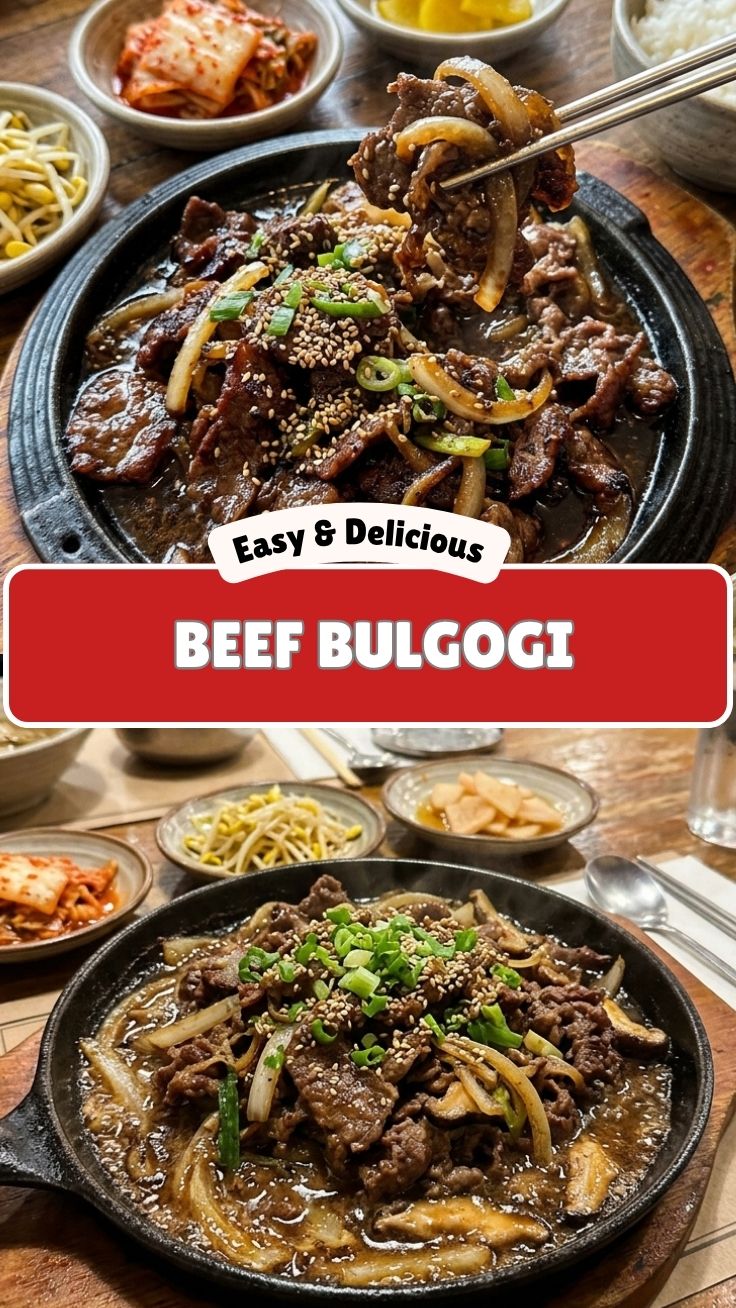
The Ultimate Guide to Making Savory Korean Beef Bulgogi at Home
Have you ever craved that deeply savory, slightly sweet, and smoky flavor of your favorite Korean restaurant dish but dreaded the takeout price tag? You are not alone. The magic of caramelized beef, soy, and sesame is a global phenomenon. In this guide, we will walk you through how to recreate that authentic restaurant experience in your own kitchen, proving that a high-quality Beef Bulgogi is not only achievable but often tastes better when you control the ingredients. Learning to master this dish unlocks a world of flavor without ever needing to fire up a grill. We begin by demystifying the core elements, focusing on the balance between sweet, savory, and umami that defines the best Korean BBQ experience at home. This recipe is your shortcut to a weeknight dinner that feels like a special occasion.
Ingredients & Kitchen Tools
For the Marinade & Beef:
– 1 lb thinly sliced ribeye or sirloin: This is the star. Look for “shabu-shabu” or “bulgogi” cut at an Asian grocery for perfect thinness. If unavailable, partially freeze a standard steak and slice it as thin as possible.
– ½ cup low-sodium soy sauce: The salt backbone. Low-sodium prevents the dish from becoming overly salty.
– ¼ cup brown sugar (or honey): Essential for caramelization. It creates the signature glossy glaze.
– 1 Asian pear or ½ apple (grated): The secret tenderizer! It adds natural sweetness and breaks down meat proteins.
– 2 tablespoons sesame oil: A must for its nutty aroma.
– 4 cloves garlic (minced): For pungent depth.
– 1 tablespoon ginger (grated): For a subtle, warm heat.
– 2 tablespoons gochujang (optional): Adds a mild, sweet heat for a spicy twist.
– 1 tablespoon sesame seeds (plus extra for garnish): For texture and flavor.
Kitchen Tools:
– Large mixing bowl: For marinating.
– Box grater: To grate the pear/onion.
– Cast-iron skillet or large non-stick wok: Best for high-heat cooking.
– Spider strainer or tongs: To handle the meat.
– Sharp knife & cutting board: For prep work.
Prep Time & Cooking Schedule
– Prep Time: 20 minutes (slicing, grating, mixing).
– Marinating Time: Minimum 30 minutes (ideally 2–4 hours for maximum flavor absorption).
– Cook Time: 5–7 minutes (high-heat, quick searing).
– Resting Time: 2 minutes (allow carry-over cooking).
Planning Tip: Because the marinating step is crucial, I recommend prepping the marinade in the morning. The flavor compounds in the Beef Bulgogi marinade—like the soy and pear—need time to penetrate the thin slices. If you are short on time, even 20 minutes works, but 2 hours yields a noticeably deeper, more cohesive taste.
Step-by-Step Instructions
1. Prepare the Marinade: In your mixing bowl, whisk together the soy sauce, brown sugar, grated pear (or apple), sesame oil, garlic, ginger, and gochujang (if using). Stir until the sugar is completely dissolved. The texture should be syrupy.
2. Marinate the Beef: Add the thinly sliced beef to the bowl. Use your hands (wearing gloves is best) to massage the marinade into every slice. Ensure each piece is fully coated. Cover and refrigerate for at least 30 minutes.
3. Sear the Beef: Heat a cast-iron skillet or wok over high heat until it begins to smoke. Do not add oil—the sesame oil in the marinade is sufficient. Working in batches to avoid overcrowding (which steams instead of sears), lay the beef slices flat in the skillet.
– Pro Tip: Let it cook undisturbed for 45 seconds to develop a nice char. Then, using your tongs, flip and sear the other side for another 30 seconds.
4. Finish & Garnish: Once the edges are caramelized and the meat is cooked through (about 2–3 minutes total per batch), remove it immediately to a plate. Garnish with sesame seeds and sliced green onions.
This method achieves the perfect balance of tender meat and savory glaze that defines a great Korean BBQ experience. The key is the high heat—it mimics the open flame of a grill, creating that signature smoky flavor.
Nutritional Benefits & Advantages
Beyond its incredible taste, this dish packs a nutritional punch. The primary ingredient, beef, is an excellent source of high-quality protein, iron, and zinc, which are vital for muscle repair, immune function, and energy production. The addition of garlic and ginger provides anti-inflammatory properties and antioxidants. Using Asian pear as a natural tenderizer means you are replacing chemical additives with a natural source of fiber and vitamin C. Opting for a lean cut like sirloin and controlling the sugar allows you to manage the calorie and sodium content better than most restaurant versions. This makes it a healthier, yet equally satisfying, weeknight meal.
Tips Variations & Cooking Advice
– Dairy-Free / Gluten-Free: To make this recipe gluten-free, simply swap the soy sauce for tamari or coconut aminos. The dish is naturally dairy-free.
– Add Vegetables: For a one-pan meal, add sliced onions, bell peppers, or mushrooms to the skillet after cooking the meat. Sauté them in the leftover marinade juices for a delicious side.
– Make it Spicy: Increase the gochujang to 2 tablespoons, or add a teaspoon of gochugaru (Korean chili flakes) to the marinade.
– Alternative Cooking: While pan-searing is fastest, you can also grill the meat on a stovetop grill pan or even under a broiler for 3–4 minutes, turning halfway.
– Portion Sizes: This recipe serves 2 as a main dish. Double the marinade ingredients for larger crowds.
Common Mistakes to Avoid
1. Slicing the Beef Too Thick: This is the #1 mistake. Thick slices will not absorb the marinade and will become tough when cooked. Solution: Request your butcher to slice it for “bulgogi,” or place the meat in the freezer for 30 minutes to firm up before hand-slicing.
2. Overcrowding the Pan: Adding too much meat at once lowers the pan’s temperature, causing the beef to steam and release its juices instead of caramelizing. Solution: Cook in single layers. It takes an extra 3 minutes but yields far superior texture.
3. Skipping the Sweet Element: The sugar or pear is not just for taste—it’s crucial for the caramelization that creates the beautiful glaze. Solution: Do not omit or drastically reduce the sweetener unless you use a sugar-free substitute like monk fruit.
4. Over-marinating: Marinating for over 6 hours can make the beef mushy due to the enzymes in the pear. Solution: Stick to a 2–4 hour window for the best texture.
Storage & Meal Prep Tips
– Refrigeration: Store leftover Beef Bulgogi in an airtight container in the refrigerator. It will stay fresh for 3–4 days.
– Freezing: You can freeze the cooked beef in a freezer-safe bag for up to 2 months. The flavors might intensify slightly upon thawing.
– Reheating: The best way to reheat is in a hot skillet over medium-high heat for about 60 seconds per side. This restores the caramelized crust. Avoid the microwave, which makes the meat rubbery and watery.
– Meal Prep: Marinate the beef up to 24 hours in advance. Store the raw marinated meat in a zip-lock bag in the fridge. When ready to cook, simply dump it into the hot pan.
Conclusion
Mastering this recipe transforms a restaurant favorite into a quick, reliable weeknight staple. By focusing on the quality of the Beef Bulgogi marinade and the high-heat sear, you unlock a depth of flavor that is often lost in takeout. Remember, the core of any great Korean BBQ lies in the balance of sweet, savory, and smoky. We encourage you to try this recipe tonight, serve it over rice or in lettuce wraps, and share your beautiful results in the comments below. Your family will thank you.
FAQs
Q1: Can I use ground beef instead of sliced beef?
A: Absolutely. A Korean Ground Beef Bowl is a popular and faster alternative. Cook the ground beef, drain the fat, then stir in the same marinade ingredients. Simmer for 5 minutes until thickened. It’s fantastic over rice.
Q2: What is the best cut of meat for Bulgogi?
A: Ribeye is the gold standard due to its marbling, which keeps the meat tender and juicy. Sirloin is a leaner but still excellent alternative. Avoid stew meat or tough cuts like chuck.
Q3: My meat turned out tough. What did I do wrong?
A: This typically happens from either slicing too thick or overcooking. Bulgogi is thin and cooks in seconds. Cook it just until the pink is gone, and remove it immediately from the heat.
Q4: Can I skip the Asian pear?
A: Yes, but it’s highly recommended for texture. You can substitute with a regular pear, apple, or even kiwi (use less, as kiwi is very strong). If you skip it, the meat may be slightly less tender.
Q5: How can I reduce the sodium?
A: Use low-sodium soy sauce or coconut aminos. You can also reduce the total amount of soy sauce by 25% and add a splash of water or beef broth to maintain volume.
Proven way to grow 5 Star Beef Bulgogi
Ingredients
Equipment
Method
- Slice the beef thinly and set aside.
- In a bowl, combine soy sauce, brown sugar, sesame oil, minced garlic, grated ginger, chopped green onion, and grated pear to create the marinade.
- Add the sliced beef to the marinade and mix well, ensuring all the beef is coated.
- Cover the bowl and refrigerate the marinated beef for at least 30 minutes, or preferably for several hours for maximum flavor.
- Heat a large skillet or grill pan over medium-high heat.
- Add the marinated beef in a single layer, cooking in batches if necessary to avoid overcrowding the pan.
- Cook for 2-3 minutes per side, or until the beef is cooked through and caramelized.
- Serve the cooked bulgogi immediately with cooked rice.
- Garnish with toasted sesame seeds and red pepper flakes, if desired.