Grill Like a Pro: Master the Art of the Perfect Father’s Day Ribeye
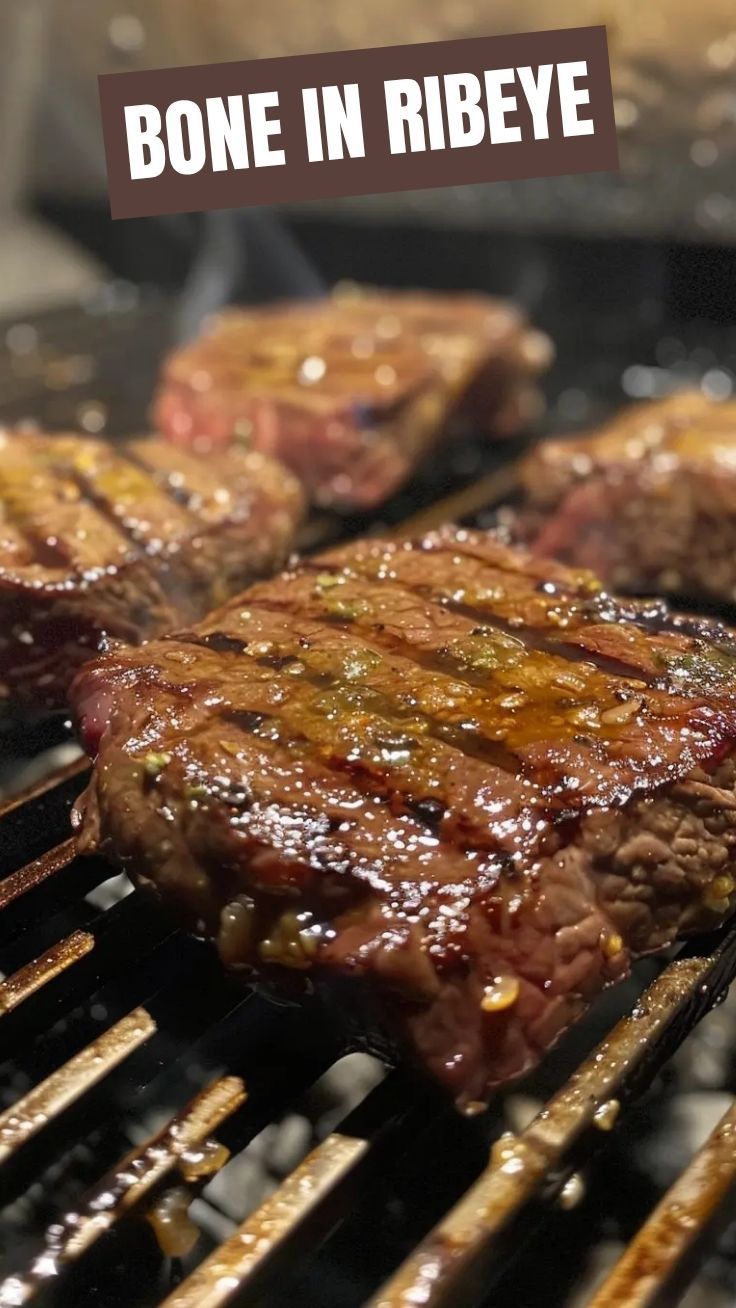
Ever wondered how to truly impress dad this Father’s Day with a meal he’ll never forget? The secret lies in mastering the grill, and today, we’re diving deep into preparing the ultimate Father’s Day Grilled Steak (Ribeye). Forget crowded restaurants and overpriced menus—there’s an undeniable satisfaction in crafting a restaurant-quality steak right in your own backyard. Not only does it allow for personalized seasoning and perfect doneness, but it also creates an unforgettable culinary experience, making it a perfect way to show appreciation. When it comes to flavor and juiciness, few cuts can rival a well-prepared ribeye, making it an ideal choice for this special occasion. And if you’re looking for more general Ribeye recipes, stay tuned, as the techniques we’ll cover here are universally applicable.
Ingredients & Kitchen Tools
2 (12-14 oz) USDA Choice or Prime Bone-in Ribeye Steaks: Choose well-marbled cuts for maximum flavor and tenderness.*
2 tablespoons Olive Oil: For a light coating to help seasonings adhere and prevent sticking.*
2 teaspoons Coarse Sea Salt: Essential for drawing out moisture and creating a flavorful crust.*
1 teaspoon Freshly Ground Black Pepper: Adds a pungent, aromatic kick.*
1 teaspoon Garlic Powder: Provides a savory depth that complements the beef.*
1/2 teaspoon Onion Powder: Adds another layer of aromatic richness.*
Optional Steaks Butter/Compound Butter: For finishing, adds luxurious flavor and shine. Think garlic-herb butter!*
Kitchen Tools:
Charcoal Grill or Gas Grill: Your primary cooking apparatus. Ensure it’s clean and preheated.*
Meat Thermometer (Instant-Read): Crucial for perfectly cooked steak. Takes the guesswork out of doneness.*
Tongs: For flipping and maneuvering the steaks without piercing them.*
Wire Rack: For resting the steaks, allowing air circulation.*
Baking Sheet: To place the wire rack on and catch any drippings.*
Cutting Board: For slicing the rested steak.*
Small Bowl: For mixing the seasoning blend.*
Prep Time & Cooking Schedule
- Prep Time: 15 minutes
- Marinating Time (Optional): 30 minutes to 2 hours (at room temperature)
- Grill Preheat Time: 15-20 minutes
- Cook Time: 10-15 minutes (for medium-rare, depending on thickness)
- Resting Time: 10 minutes
Planning Ahead: For optimal flavor and even cooking, remove your ribeyes from the refrigerator at least 30-60 minutes before grilling to allow them to come closer to room temperature. This helps achieve a more consistent cook from edge to center.
Step-by-Step Instructions
1. Prepare the Steaks: Pat the Father’s Day Grilled Steak (Ribeye) dry with paper towels. This is a critical step for achieving a good sear. Drizzle with olive oil and rub evenly over both sides. In a small bowl, combine sea salt, black pepper, garlic powder, and onion powder. Generously season both sides of the ribeyes with this blend. If time allows, let them sit at room temperature for up to two hours for deeper flavor penetration.
2. Preheat the Grill: For gas grills, preheat to high (450-500°F). For charcoal grills, prepare a two-zone fire with one side very hot and the other side medium. Ensure your grates are clean and oiled to prevent sticking.
3. Sear the Steaks: Place the seasoned ribeyes directly over the hottest part of the grill. Sear for 2-3 minutes per side to develop a rich, brown crust.
4. Move to Indirect Heat (if needed): If your steaks are thick (over 1.5 inches), move them to the cooler side of the grill after searing to finish cooking through without burning the exterior. Close the lid and continue cooking, flipping occasionally.
5. Monitor Internal Temperature: Use an instant-read meat thermometer to check for desired doneness.
* Rare: 125-130°F
* Medium-Rare: 130-135°F (Recommended for ribeye)
* Medium: 135-140°F
* Medium-Well: 140-145°F
Remember, the temperature will rise by 5-10 degrees during resting.*
6. Add Compound Butter (Optional): During the last minute of cooking, place a pat of compound butter on top of each steak. This will melt and baste the steak, adding incredible flavor.
7. Rest the Steaks: Once the desired internal temperature is reached, remove the ribeyes from the grill and place them on a wire rack set over a baking sheet. Tent loosely with foil and let them rest for at least 10 minutes. This allows the juices to redistribute throughout the meat, preventing them from Gushing out when sliced. This resting period is crucial for tender and juicy Ribeye recipes.
8. Slice and Serve: Against the grain, slice the rested steaks into thick, juicy pieces. Serve immediately.
Nutritional Benefits & Advantages
Ribeye steaks are a fantastic source of protein, essential for muscle building and repair, and provide substantial amounts of B vitamins (B6, B12, Niacin), which are vital for energy metabolism and nervous system function. They are also rich in iron, crucial for oxygen transport in the blood, and zinc, an important mineral for immune function and wound healing. Although higher in fat, the marbling in ribeye contributes to its flavor and provides healthy monounsaturated fats.
Tips, Variations & Cooking Advice
- Reverse Sear: For ultimate control and even doneness, consider reverse searing. Cook steaks slowly on low indirect heat until almost done, then finish with a quick, high-heat sear.
- Marinades: While a simple salt and pepper is often best for ribeye, a marinade with ingredients like Worcestershire, soy sauce, garlic, and fresh herbs can add another layer of flavor.
- Compound Butters: Experiment with different compound butters—blue cheese, chives, chili flakes—to elevate your steak.
- Wood Chips: Add a handful of wood chips (hickory, mesquite, or oak) to your charcoal or gas grill for a smoky aroma.
- Doneness: Always aim for medium-rare for ribeye to experience its full tenderness and juiciness.
Common Mistakes to Avoid
- Grilling Cold Steaks: Leads to uneven cooking and a tough exterior with an undercooked interior. Always bring steaks to room temperature.
- Skipping the Rest: Cutting into a steak immediately after grilling will cause all the flavorful juices to run out, resulting in a dry steak.
- Overcooking: Ribeye is best enjoyed medium-rare to medium. Overcooking dries out the meat and makes it tough.
- Flipping Too Often: Resist the urge to constantly flip. Let the steak sear undisturbed to build that beautiful crust.
- Dirty Grates: Leads to sticking and an unappealing presentation. Always clean your grill grates before and after use.
Storage & Meal Prep Tips
Leftover grilled ribeye can be stored in an airtight container in the refrigerator for 3-4 days. For best results when reheating, slice the steak thinly and gently warm it in a skillet over low heat or in a microwave for short bursts to avoid overcooking. It can also be enjoyed cold in salads or sandwiches. Freezing is possible, but the texture may change slightly upon thawing; wrap tightly in plastic wrap and then foil for up to 2-3 months.
Conclusion
Grilling the perfect Father’s Day Grilled Steak (Ribeye) is more than just cooking; it’s an experience. With these comprehensive steps and expert tips, you’re now equipped to create a memorable meal that will impress any steak lover, especially Dad. From understanding the importance of proper seasoning and temperature control to the crucial resting phase, every detail contributes to a truly exceptional result. Don’t be shy about experimenting with different Ribeye recipes and techniques, but always prioritize quality ingredients and patience. We encourage you to try this recipe and share your grilling triumphs with us!
FAQs
Q1: How do I know when my grill is hot enough?
A1: For gas grills, rely on the thermometer. For charcoal, an easy hand test: you should only be able to hold your hand about 5 inches above the grate for 2-4 seconds for high heat.
Q2: Can I use boneless ribeye instead?
A2: Absolutely! Boneless ribeye will cook slightly faster and provide more consistent slices. Adjust cooking times accordingly.
Q3: What’s the best way to get a good crust on my steak?
A3: Ensure your grill is scorching hot, pat the steak very dry before seasoning, and avoid flipping too frequently during the initial sear.
Q4: My steak is tough, what went wrong?
A4: Most likely, the steak was either overcooked, not rested properly, or potentially a lower quality cut with less marbling. Always aim for medium-rare and ensure adequate resting time.
Q5: What are good side dishes for grilled ribeye?
A5: Classic pairings include grilled asparagus, roasted potatoes, a fresh garden salad, or creamy mashed potatoes.
Best way to grow a Father's Day Grilled Steak (Ribeye)
Ingredients
Equipment
Method
- Remove the ribeye steak from the refrigerator and let it come to room temperature for about 30 minutes.
- Pat the steak dry with paper towels to ensure a good sear, then rub both sides with olive oil, salt, and black pepper.
- Preheat your grill to high heat (around 450-500°F) for direct grilling.
- Place the seasoned steak on the hot grill and cook for 4-5 minutes per side for medium-rare, or adjust to your desired doneness.
- Use tongs to turn the steak, avoiding piercing it which can release valuable juices.
- Once cooked, transfer the steak to a cutting board and let it rest for 5-10 minutes before slicing.
- Resting allows the juices to redistribute throughout the meat, ensuring a tender and flavorful steak.
- Slice against the grain and serve immediately.