The Ultimate Guide to Perfect, Moist Zucchini Bread (Every Time)
Have you ever wondered why some zucchini bread turns out dense, soggy, or lacking that signature sweet-spice flavor? The secret to exceptional Zucchini Bread lies in understanding how to handle the star ingredient—shredded zucchini—and balancing moisture with structure. Baking this beloved quick bread at home not only fills your kitchen with an irresistible cinnamon aroma but also lets you control every ingredient. Whether you’re seeking a classic version or need a gluten free zucchini bread option, mastering this recipe saves money, reduces food waste, and delivers far superior taste to store-bought alternatives.
—
Ingredients & Kitchen Tools
For the Bread:
– 1½ cups shredded zucchini (about 1 medium zucchini; squeeze out excess moisture gently)
– 1¾ cups all-purpose flour (or gluten-free 1:1 blend for GF version)
– 1 teaspoon baking soda (ensures proper rise)
– ½ teaspoon baking powder (adds lightness)
– 1 teaspoon ground cinnamon (warm spice essential for flavor)
– ½ teaspoon ground nutmeg (optional but recommended)
– ½ teaspoon salt (balances sweetness)
– 1 cup granulated sugar (or ¾ cup coconut sugar for lower glycemic option)
– ½ cup vegetable oil (or melted coconut oil; keeps crumb moist)
– 2 large eggs (room temperature for better emulsion)
– 1 teaspoon vanilla extract
– ½ cup chopped walnuts or pecans (optional; adds texture)
Kitchen Tools:
– Box grater or food processor with shredding disc
– Large mixing bowl and medium bowl
– Whisk and rubber spatula
– 9×5-inch loaf pan
– Parchment paper or non-stick spray
– Cooling rack
—
Prep Time & Cooking Schedule
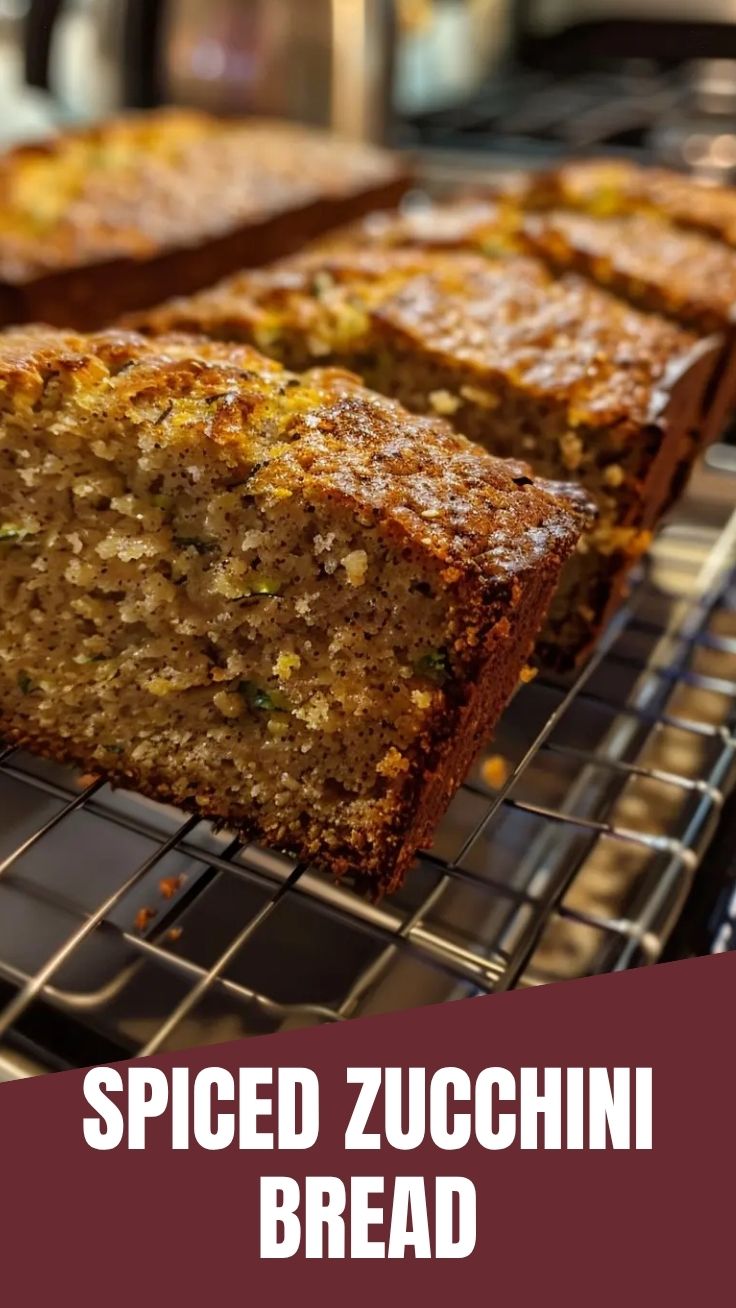
Total Time: 1 hour 15 minutes
– Prep Time: 15 minutes (shredding, measuring, mixing)
– Bake Time: 50–60 minutes at 350°F (175°C)
– Cooling Time: 20 minutes in pan + 30 minutes on rack
Plan accordingly: The resting time after baking is non-negotiable. Slicing too soon will result in a gummy interior. This bread freezes beautifully, so consider making a double batch when zucchini is abundant.
—
Step-by-Step Instructions
1. Preheat and prepare your oven to 350°F (175°C). Line a 9×5-inch loaf pan with parchment paper, leaving overhang on two sides for easy removal.
2. Shred the zucchini using a box grater (large holes). Place shreds in a clean kitchen towel and gently squeeze—you want to remove about ⅓ of the moisture, not all of it. Excess water leads to dense Zucchini Bread, while too dry yields crumbly results.
3. Whisk dry ingredients: In a medium bowl, combine flour, baking soda, baking powder, cinnamon, nutmeg, and salt. Set aside.
4. Mix wet ingredients: In a large bowl, whisk together sugar, oil, eggs, and vanilla until smooth and slightly thickened. Fold in shredded zucchini.
5. Combine wet and dry: Gently fold the dry ingredients into the wet mixture using a rubber spatula. Stir just until no flour streaks remain—overmixing develops gluten and toughens the bread. If using nuts, fold them in at this stage.
6. Pour and bake: Transfer batter into prepared loaf pan. Smooth the top with a spatula. Bake for 50–60 minutes, or until a toothpick inserted in the center comes out clean or with a few moist crumbs. Pro tip: Tent with foil at the 40-minute mark if the top browns too quickly.
7. Cool completely in the pan for 20 minutes, then lift out using parchment and transfer to a wire rack. For the best texture, let it cool fully (about 1 hour) before slicing.
Note: For a successful gluten free zucchini bread, use a high-quality 1:1 GF flour blend containing xanthan gum. Reduce bake time by 5 minutes and check early—gluten-free batters often bake faster due to higher moisture absorption.
—
Nutritional Benefits & Advantages
Zucchini bread offers surprising nutritional value. Zucchini itself is low in calories yet rich in vitamin C, vitamin A, and antioxidants like lutein and zeaxanthin, which support eye health. The fiber from both the zucchini and whole-grain flour alternatives aids digestion and promotes satiety. By baking at home, you can reduce added sugar by 25–50% without sacrificing moisture. The oil contributes healthy monounsaturated fats (especially if using avocado or olive oil) that help absorb fat-soluble vitamins. Compared to store-bought versions, homemade zucchini bread contains no preservatives, artificial flavors, or hidden hydrogenated oils.
—
Tips Variations & Cooking Advice
Flavor Variations:
– Chocolate Zucchini Bread: Replace ¼ cup flour with unsweetened cocoa powder and add ½ cup chocolate chips.
– Lemon-Ginger: Add zest of 1 lemon and 1 teaspoon fresh grated ginger.
– Spiced Pumpkin Style: Swap zucchini for equal amount of pumpkin purée; increase cinnamon to 2 teaspoons.
Dietary Adaptations:
– Gluten-Free: Already covered—use certified GF flour blend.
– Dairy-Free: This recipe naturally contains no dairy (unless you add butter or milk; stick with oil).
– Vegan: Replace eggs with 2 flax eggs (2 tablespoons ground flax + 6 tablespoons water, rested 10 minutes). Expect a denser crumb.
– Lower Sugar: Use ¾ cup maple syrup or honey instead of sugar, but reduce oil by 2 tablespoons to compensate for added liquid.
Cooking Methods:
Bake as muffins (18–22 minutes), mini loaves (25–30 minutes), or even as a sheet cake (20–25 minutes) for bar-style servings.
—
Common Mistakes to Avoid
1. Not squeezing zucchini enough
Result: Soggy, undercooked center. Fix: Press shreds firmly in a towel until only light moisture remains.
2. Overmixing the batter
Result: Tough, rubbery texture. Fix: Fold gently until just combined; lumps are okay.
3. Opening oven door too early
Result: Collapsed loaf. Fix: Wait until at least 35 minutes before checking.
4. Skipping the cooling step
Result: Gummy, falling-apart slices. Fix: Patience is key—cool completely before cutting.
5. Using too large or too small a pan
Result: Overflowing or flat bread. Fix: Stick with 9×5-inch; if using 8×4-inch, increase bake time by 10–15 minutes.
—
Storage & Meal Prep Tips
– Room Temperature: Wrap tightly in plastic wrap or store in an airtight container for up to 4 days. Place a paper towel in the container to absorb excess moisture and replace daily.
– Refrigeration: Extends freshness to 1 week but may dry out the edges. Wrap in plastic then foil before refrigerating.
– Freezing: Wrap cooled loaf in plastic wrap, then foil, then place in a freezer bag. Freeze for up to 3 months. Thaw overnight in the fridge or at room temperature for 2–3 hours.
– Reheating: Wrap slices in foil and warm in a 300°F oven for 10 minutes, or microwave for 15–20 seconds. Avoid microwaving the whole loaf—it turns rubbery.
—
Conclusion
Mastering homemade Zucchini Bread transforms an abundant garden vegetable into a cherished, moist, and spiced treat that rivals any bakery version. With the flexibility to adapt for a gluten free zucchini bread or other dietary needs, this recipe proves that wholesome baking can be both forgiving and rewarding. Whether you enjoy it with morning coffee or as an afternoon snack, the key is in the technique—gentle moisture handling, careful mixing, and patient cooling. We encourage you to try this recipe, share your results, or explore our other quick bread variations for year-round baking inspiration.
—
FAQs
1. Can I use frozen shredded zucchini?
Yes. Thaw completely and squeeze out excess liquid firmly before using. Frozen zucchini releases much more water than fresh, so reduce oil by 1 tablespoon to compensate.
2. Why is my zucchini bread raw in the middle?
Undercooked centers often result from not squeezing zucchini enough or from an oven that runs cool. Use an oven thermometer and test with a skewer rather than relying solely on time.
3. What’s the best gluten-free flour blend for this recipe?
Look for a blend labeled “1:1” that includes xanthan gum. Brands like King Arthur Measure for Measure or Bob’s Red Mill 1:1 work reliably.
4. Can I substitute applesauce for oil?
Yes, but only replace up to half the oil (¼ cup applesauce for ¼ cup oil). Full substitution creates a rubbery texture. Expect a slightly denser crumb.
5. How can I make this zucchini bread less sweet?
Reduce granulated sugar to ¾ cup without other adjustments. For further reduction, use ½ cup sugar plus ¼ cup unsweetened applesauce—the moisture from applesauce helps maintain tenderness.
Best way to grow perfect Zucchini Bread
Ingredients
Equipment
Method
- Preheat your oven to 325°F (160°C) and grease and flour two 8x4 inch loaf pans.
- In a large bowl, whisk together the flour, baking soda, baking powder, salt, and cinnamon.
- In a separate bowl, beat the eggs, oil, sugar, and vanilla extract until well combined.
- Add the wet ingredients to the dry ingredients, mixing until just combined, then fold in the grated zucchini. Divide the batter evenly between the prepared loaf pans and bake for 40-60 minutes, or until a toothpick inserted into the center comes out clean.
- Let the zucchini bread cool in the pans for 10 minutes before transferring to a wire rack to cool completely.