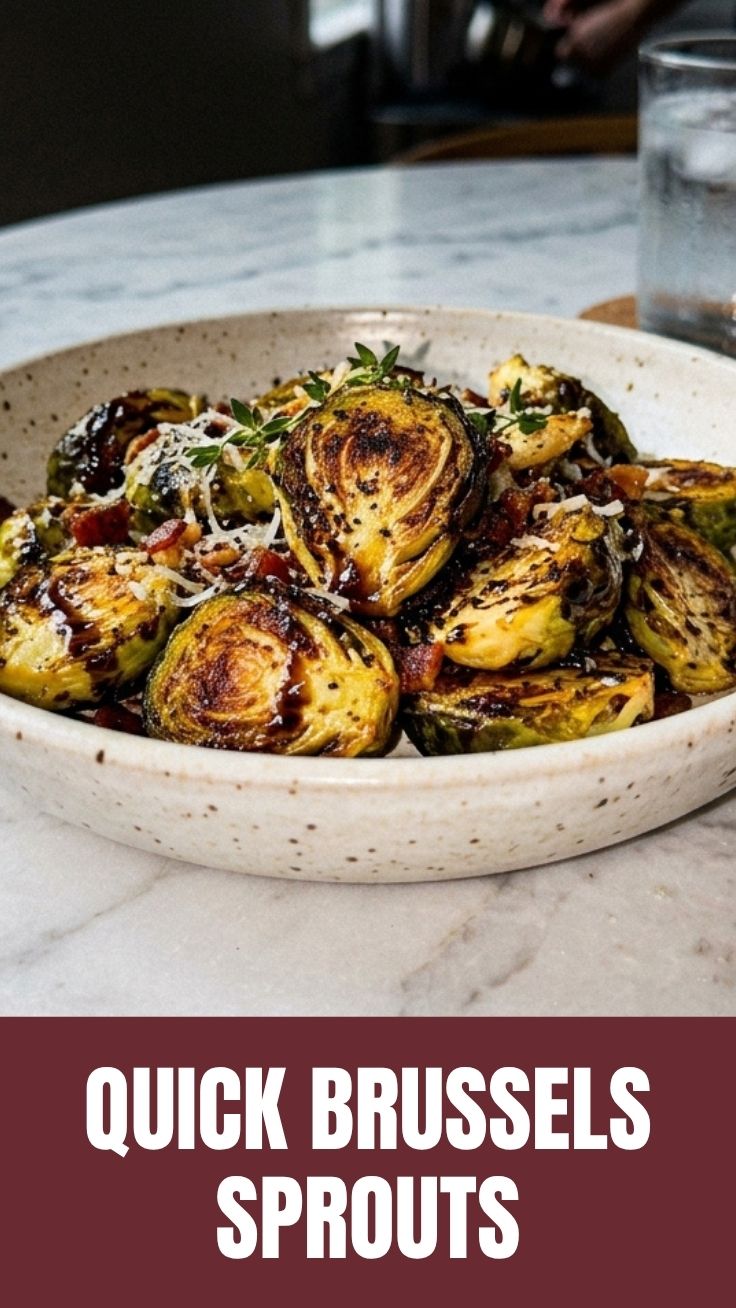
Ingredients
Equipment
Method
Starting Seeds Indoors
- Start Brussels sprout seeds indoors 4-6 weeks before the last frost date in your area; plant them 1/4 to 1/2 inch deep in seed-starting mix in trays or small pots.
Preparing the Garden Bed
- Choose a sunny location with well-draining soil, amend it with compost or aged manure, and adjust the soil pH to 6.0-7.0, adding garden lime if necessary.
Transplanting Seedlings
- Once seedlings are 4-6 inches tall and after the last frost, transplant them outdoors, spacing them 18-24 inches apart in rows 2-3 feet apart.
Watering and Fertilizing
- Maintain consistent moisture by watering regularly, especially during dry spells, and fertilize every 3-4 weeks with a balanced fertilizer.
Pest and Disease Control
- Monitor plants for common pests like aphids and cabbage worms, removing them manually or using organic pest control methods like insecticidal soap or row covers.
Topping the Plants
- About 3-4 weeks before harvest, cut off the top 2-3 inches of the plant to encourage the sprouts to mature uniformly.
Harvesting Brussels Sprouts
- Begin harvesting sprouts from the bottom of the stalk when they are firm, about 1 inch in diameter, and continue upwards as they mature.
Notes
Brussels sprouts grow best in cool weather, so timing your planting for a fall harvest is often ideal in many regions. They can tolerate a light frost, which can even improve their flavor.