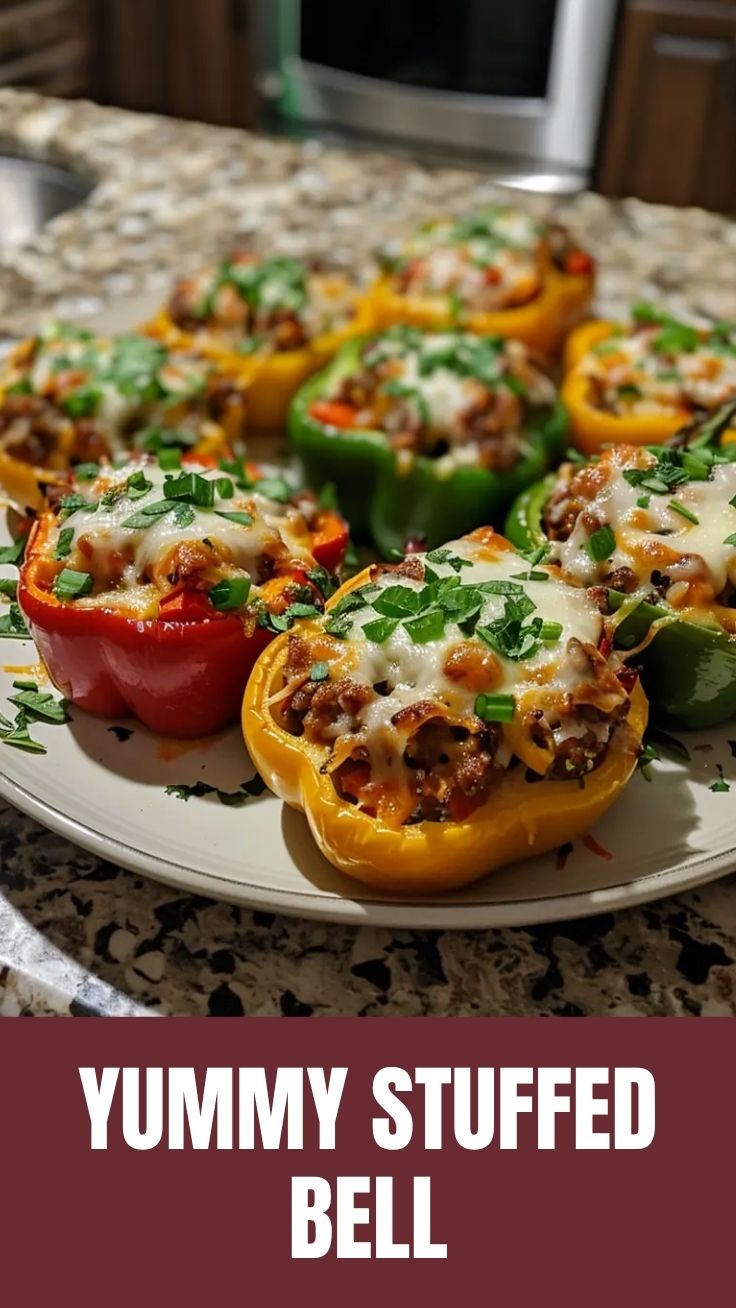
Ingredients
Equipment
Method
Planting and Care
- Choose a sunny spot in your garden that receives at least 6-8 hours of direct sunlight daily for optimal bell pepper growth.
- Amend your soil with compost and perlite to improve drainage and nutrient content, as bell peppers thrive in well-draining, fertile soil.
- Plant your bell pepper seeds or starter plants about 18-24 inches apart to provide enough space for air circulation and growth.
- Deeply water your bell pepper plants regularly, especially during dry spells, ensuring the soil remains consistently moist but not waterlogged.
- Use a balanced slow-release fertilizer or a liquid feed every 2-4 weeks to provide essential nutrients throughout the growing season.
- Install stakes or cages for your plants when they are young to support the heavy fruit and prevent breakage.
- Prune lower leaves and suckers to improve air circulation and direct the plant's energy towards fruit production.
- Protect plants from pests and diseases by inspecting them regularly and using organic pest control methods if necessary.
Harvesting and Stuffing
- Harvest bell peppers when they are firm, fully colored, and have reached their mature size, usually 60-90 days after planting.
- Preheat your oven to 375°F (190°C), then in a large skillet, brown the ground meat over medium heat and drain any excess fat.
- Add diced onion to the skillet with the cooked meat, cooking until softened, and then stir in the cooked rice, tomato sauce, and seasonings.
- Slice the bell peppers in half lengthwise, remove the seeds and membranes, and lightly brush the insides with olive oil.
- Spoon the meat and rice mixture evenly into each bell pepper half, topping with shredded cheese.
- Arrange the stuffed bell peppers in a baking dish, adding a small amount of water to the bottom of the dish.
- Bake for 30-40 minutes, or until the peppers are tender and the cheese is melted and bubbly.
Notes
For best flavor, use freshly harvested bell peppers. Consider growing different colored bell peppers for a vibrant stuffed dish. Companion planting with basil or marigolds can help deter pests.