The Ultimate Guide to a Perfectly Roasted Turkey Breast
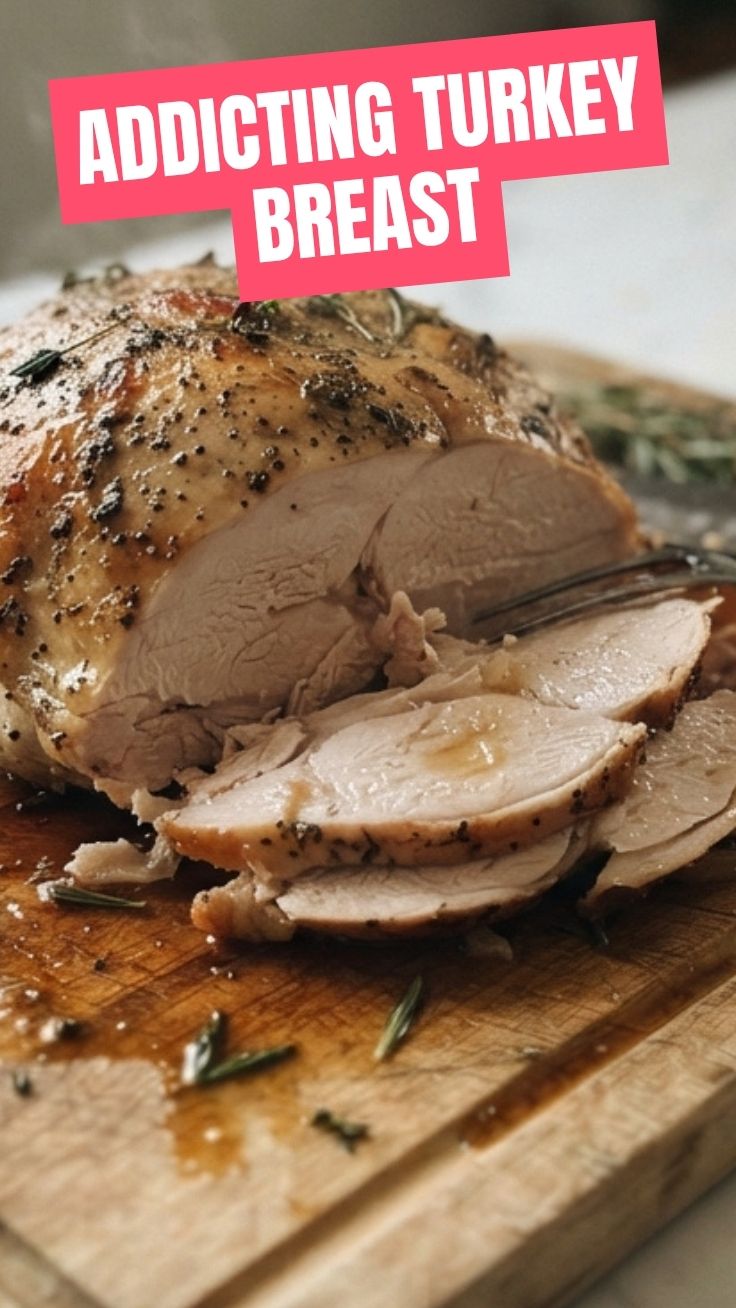
Have you ever wondered why restaurant-quality roasted turkey breast often tastes better than what you make at home? The secret isn’t a fancy oven or a secret ingredient—it’s technique. Preparing a Turkey Breast at home gives you complete control over flavor, texture, and seasoning, saving money while delivering impressive results. Whether you’re cooking for a holiday meal or a simple Sunday dinner, mastering this cut of poultry transforms your kitchen confidence. In this guide, you’ll learn every step to create a juicy, golden-brown Turkey Breast that rivals any professional dish—and discover how leftovers can become the ultimate Turkey Sandwich the next day.
Ingredients & Kitchen Tools
For the Turkey Breast:
– 1 bone-in or boneless turkey breast (3–5 lbs) – Bone-in adds more flavor and moisture.
– 3 tablespoons olive oil or melted butter – Helps browning and seasoning adhesion.
– 2 teaspoons kosher salt – Enhances natural poultry flavor.
– 1 teaspoon black pepper – Adds mild heat; adjust to taste.
– 1 teaspoon garlic powder – For savory depth without burning.
– 1 teaspoon dried thyme or rosemary – Classic herb pairings; use fresh if available.
– 1 cup low-sodium chicken broth – Keeps the roasting pan moist and builds a pan sauce.
Kitchen Tools:
– Roasting pan or oven-safe skillet – Heavy-bottomed for even heat.
– Meat thermometer – Essential for perfect doneness (165°F at thickest part).
– Basting brush or spoon – For coating with butter or oil.
– Cutting board – Preferably with a groove to catch juices.
– Aluminum foil – For tenting during resting.
Optional Substitutions: Swap broth for vegetable stock or white wine. Use avocado oil instead of olive for a higher smoke point. For a dairy-free option, skip butter and use vegan margarine.
Prep Time & Cooking Schedule
– Prep Time: 15 minutes (includes patting dry, seasoning, and trussing).
– Cook Time: 1 hour 15 minutes to 1 hour 45 minutes (depending on size and bone presence).
– Resting Time: 15–20 minutes (critical for juice redistribution).
– Total Time: Approximately 2 hours.
Plan to start cooking about 2.5 hours before serving. If marinating overnight, add at least 8 hours. This schedule fits perfectly for a relaxed lunch or an early dinner.
Step-by-Step Instructions
1. Preheat and Prepare: Set your oven to 350°F (175°C). Remove the turkey breast from the fridge 30 minutes early to reduce temperature shock (more even cooking).
2. Pat Dry and Season: Use paper towels to thoroughly dry the skin—this is the golden rule for crispy skin. Rub olive oil over the entire surface, then season generously with salt, pepper, garlic powder, and herbs. Massage the seasoning into all crevices.
3. Arrange in Pan: Place the turkey breast skin-side up in a roasting pan. Pour chicken broth into the bottom (avoid wetting the skin directly). Insert a meat thermometer into the thickest part of the breast, avoiding the bone.
4. Roast and Basting: Roast uncovered for 45 minutes. Baste every 15–20 minutes with pan juices or melted butter. This locks in moisture and deepens the golden color.
5. Temperature Check: After about 1 hour, start checking internal temperature. For a perfectly juicy Turkey Breast, remove from the oven at 155–158°F (it will rise to 165°F during resting). The related Turkey Sandwich you can prepare later benefits from this tender texture.
6. Rest and Carve: Transfer the turkey to a cutting board and tent loosely with foil. Rest for 15–20 minutes—this step is non-negotiable for moist meat. Slice against the grain into thick or thin pieces as desired.
Nutritional Benefits & Advantages
Turkey breast is one of the leanest protein sources, with a 3-ounce serving offering about 26 grams of protein and only 125 calories. It’s rich in B vitamins (especially B6 and B12), which support energy metabolism, and selenium, a powerful antioxidant. Because you control the seasoning and cooking fat, this recipe is easily customizable for low-sodium or heart-healthy diets. The skin contains most of the fat, so removing it post-cooking can further reduce calories without sacrificing flavor.
Tips Variations & Cooking Advice
– Flavor Variations: Rub with lemon zest and smoked paprika for a Mediterranean twist. Try a maple-Dijon glaze brushed during the last 15 minutes for a sweet-savory balance.
– Dietary Adaptations: For a gluten-free version, ensure your broth is certified gluten-free. Dairy-free? Use olive oil instead of butter—no extra steps needed.
– Alternative Methods: The same recipe works on a pellet smoker at 325°F with cherry wood chips (add 30 minutes). Or, butterfly the breast for faster cooking (about 40 minutes).
– Portion Changes: A 6-pound breast serves 6–8 for a main course, while a 3-pounder is ideal for 2–4 people.
Common Mistakes to Avoid
– Skipping the Rest: Carving too early releases all juices onto the cutting board, leaving dry meat. Always rest at least 15 minutes.
– Overcooking: Without a thermometer, it’s easy to exceed 165°F, resulting in tough poultry. Use a probe thermometer for accuracy.
– Wet Skin: If you don’t pat dry, the skin steams instead of crisping. Double-check with paper towels before applying oil.
– Dense Seasoning: Salting only the surface leaves the interior bland. Use a dry brine (salt 24 hours ahead) for deeper flavor penetration.
Storage & Meal Prep Tips
Leftover turkey breast stays fresh in an airtight container in the refrigerator for up to 4 days. For longer storage, slice or shred the meat, wrap in plastic wrap, then place in a freezer bag—this prevents freezer burn and lasts 3 months. To reheat, place slices in a covered skillet with a splash of broth over medium-low heat until warmed through; this restores moisture without drying. Avoid microwaving directly as it toughens the meat. Shredded leftovers work beautifully in salads, casseroles, or the perfect Turkey Sandwich you can assemble in minutes.
Conclusion
Roasting a Turkey Breast at home is a game-changer for anyone who loves flavorful, juicy poultry. You’ve learned the essential techniques—from proper drying and seasoning to accurate temperature management and resting. This approach not only saves money but also ensures you always have high-quality protein ready for meals, including an upgraded Turkey Sandwich with your own roasted meat. Try this recipe for your next gathering or weekly meal prep; share your results in the comments below.
FAQs
1. Can I use a frozen turkey breast?
Yes. Thaw in the refrigerator (24 hours per 4–5 pounds) before cooking. Never roast from frozen—it leads to uneven cooking and potential food safety issues.
2. How do I adjust cooking time for a boneless breast?
Boneless cuts cook faster—check temperature 15–20 minutes earlier than the bone-in estimate. Target 155°F for boneless as it cooks slightly faster during resting.
3. My skin isn’t crispy—what went wrong?
Most likely two issues: insufficient drying (use paper towels thoroughly) or low oven temperature. Consider finishing at 400°F for the last 10–15 minutes if needed.
4. Can I stuff the turkey breast?
Stuffing inside a breast is risky due to even cooking challenges. Instead, prepare stuffing separately in a casserole dish alongside the roasting pan.
5. What’s the best way to make a pan sauce?
After removing the turkey, deglaze the hot pan with 1/2 cup of white wine or broth over medium heat. Whisk in 1 tablespoon of butter and optional herbs—simmer 2 minutes until thickened.
Best way to grow juicy Turkey Breast
Ingredients
Equipment
Method
- Preheat your oven to 325°F (160°C). Then, pat the turkey breast dry with paper towels to ensure a crispy skin if applicable or better browning.
- In a small bowl, combine melted butter, olive oil, chopped rosemary, chopped thyme, garlic powder, onion powder, salt, and black pepper to create a flavorful herb butter.
- Rub the herb butter mixture all over the turkey breast, ensuring it is evenly coated for maximum flavor.
- Place the turkey breast in a roasting pan. Pour the chicken broth into the bottom of the pan to keep the turkey moist and create drippings for gravy.
- Roast for 1.5 to 2 hours, or until a meat thermometer inserted into the thickest part reads 165°F (74°C). Baste every 30 minutes with the pan juices.
- Once cooked, remove the turkey from the oven and let it rest for 10-15 minutes before slicing. This allows the juices to redistribute, ensuring a tender and juicy turkey breast.