Why This Homemade Salsa Will Transform Your Cooking
Have you ever wondered why restaurant salsa tastes so much fresher and more vibrant than anything you can buy at the store? The secret isn’t a magic ingredient—it’s the simple act of making it yourself. When you prepare Salsa at home, you unlock a world of flavor that no jarred version can replicate. You control the heat, the acidity, and the freshness of every single ingredient. This recipe is designed to give you that authentic, restaurant-quality taste in under 15 minutes, using tools you already have in your kitchen. Whether you’re hosting a party or just upgrading your Tuesday tacos, this homemade salsa is your new secret weapon.
—
Ingredients & Kitchen Tools
Fresh Ingredients
– 6 medium Roma tomatoes – Choose firm, ripe tomatoes with deep red color. They provide the base and natural sweetness.
– 1 medium white onion – Quartered. White onion offers sharpness without overpowering. Red onion works as a substitute.
– 2 cloves garlic – For pungent depth. Roast them first for a milder, sweeter flavor.
– 1–2 jalapeño peppers – The heat source. Remove seeds and membranes for milder salsa; leave them in for extra kick.
– 1/4 cup fresh cilantro – Packed loosely. Adds grassy brightness. If you’re cilantro-averse, try fresh parsley or mint.
– 1 lime – Juiced. Fresh lime juice is non-negotiable for that bright, tart finish.
– 1 teaspoon salt – Fine sea salt is best. Start with less and adjust.
– 1/2 teaspoon cumin – Optional but recommended. Adds warm, earthy undertones.
Kitchen Tools
– Blender or food processor – A standard blender works perfectly. A food processor gives a chunkier texture.
– Cutting board and sharp knife – For prepping ingredients.
– Small bowl – For mixing and serving.
– Measuring spoons – For precise seasoning.
– Lime juicer – Optional, but helps extract maximum juice.
Optional Substitutions
– Tomatoes: Use canned fire-roasted tomatoes (drained) for a smoky flavor.
– Onion: Shallots or scallions work if you’re out of white onion.
– Heat: Serrano peppers or a pinch of cayenne can replace jalapeños.
—
Prep Time & Cooking Schedule
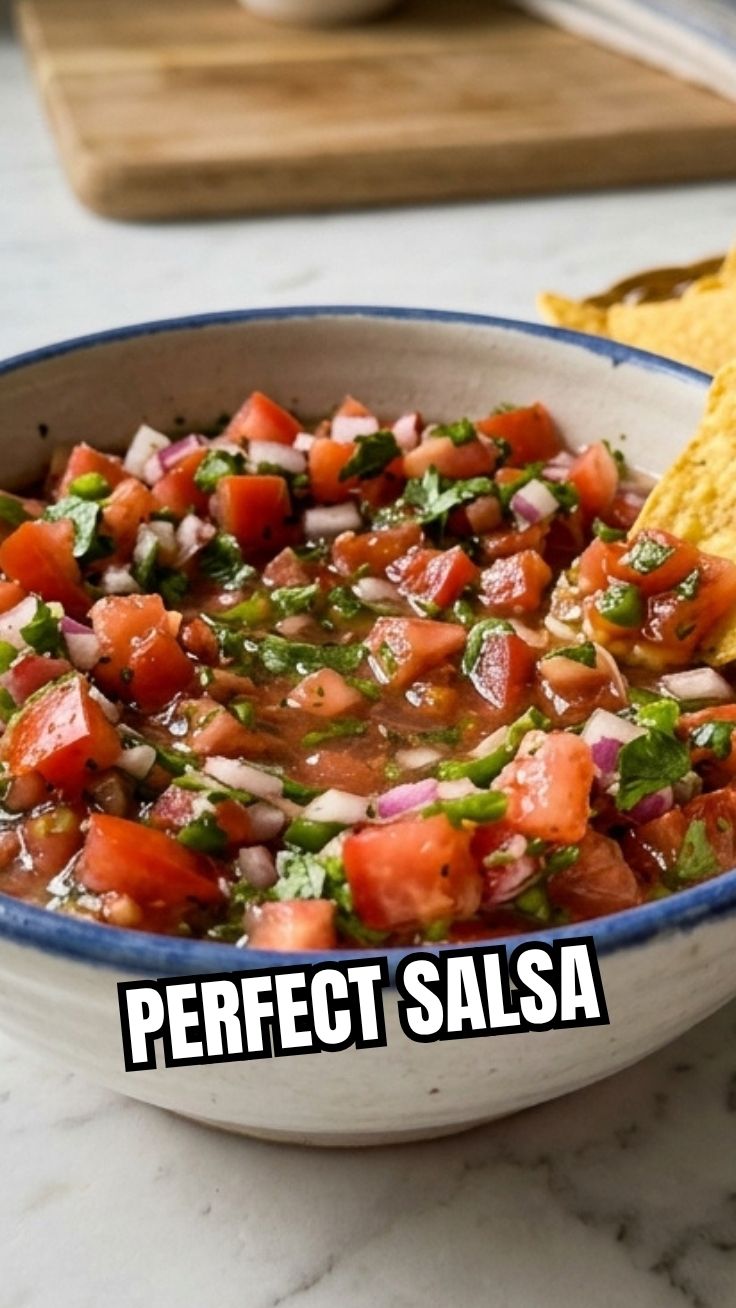
This salsa comes together quickly, making it perfect for last-minute meals.
– Prep time: 10 minutes (washing, chopping, and measuring)
– Active blending time: 2–3 minutes
– Resting time: 15–30 minutes (optional, but highly recommended for flavors to meld)
Tip: While the salsa rests, you can prepare tortilla chips, grill chicken, or set the table. This makes it an ideal dish to prepare first when planning a larger meal.
—
Step-by-Step Instructions
1. Prepare the tomatoes: Core the Roma tomatoes and roughly chop them into chunks. No need to peel them—the skin adds texture and nutrients.
2. Chop the aromatics: Quarter the onion, peel the garlic, and slice the jalapeños (remove seeds if desired). Rough chop the cilantro.
3. Combine in blender: Add tomatoes, onion, garlic, jalapeños, and cilantro to the blender. Squeeze the lime juice over the top and sprinkle with salt and cumin.
4. Blend to desired consistency: Pulse 3–4 times for a chunky salsa. Blend continuously for 15–20 seconds for a smoother version. Tip: Scrape down the sides with a spatula halfway through for even mixing.
5. Taste and adjust: Add more salt, lime juice, or jalapeño in small increments. The flavor should be bright, spicy, and balanced.
6. Rest for deeper flavor: Transfer the salsa to a bowl and let it sit at room temperature for at least 15 minutes. This allows the raw garlic and onion to mellow and the flavors to marry.
7. Serve and enjoy: Pair with chips, tacos, grilled meats, or eggs.
Key moment: If you’re new to making this type of Salsa, pay close attention to the blending time—over-blending can make it watery. And don’t forget that pairing it with your favorite music and a little Salsa dancing in the kitchen makes the whole process more fun!
—
Nutritional Benefits & Advantages
This homemade salsa is a nutritional powerhouse:
– Vitamin C: The tomatoes and lime juice provide a significant dose, supporting immune health.
– Antioxidants: Lycopene from tomatoes is linked to reduced risk of chronic disease.
– Low calorie: One serving (about 1/4 cup) contains roughly 15–20 calories, making it a guilt-free condiment.
– Dietary fiber: Onions and jalapeños contribute a small amount of fiber for digestive health.
– Hydration: With high water content from tomatoes, salsa helps with hydration.
Advantage over store-bought: You control the sodium content. Many commercial salsas contain added sugar and preservatives. This recipe is naturally gluten-free, dairy-free, and vegan.
—
Tips Variations & Cooking Advice
Flavor Variations
– Smoky version: Roast the tomatoes, onion, garlic, and jalapeños on a baking sheet at 400°F for 15 minutes before blending.
– Fruity twist: Add 1/2 cup diced mango or pineapple for sweetness and acidity.
– Herb swap: Replace cilantro with fresh basil or oregano for a Mediterranean profile.
– Extra heat: Include a habanero pepper (seeded) for serious spice lovers.
Cooking Methods
– No-blender option: Hand-chop all ingredients into small dice and mix in a bowl. This yields a rustic, chunky pico de gallo style.
– Grilled salsa: Grill the tomatoes, onion, and peppers for 5–7 minutes before blending for a charred flavor.
Dietary Adaptations
– Low-sodium: Use potassium chloride salt substitute or simply reduce added salt.
– Keto-friendly: This salsa is naturally low in carbs. Just be mindful of chip portions.
– Allergy-safe: No common allergens present. Always double-check ingredient labels if buying pre-packaged items.
—
Common Mistakes to Avoid
1. Using unripe tomatoes: They lack sweetness and can make salsa bitter. Test by gently squeezing—they should yield slightly.
2. Over-blending: A smooth paste is not salsa. Stop when you see small chunks of tomato and onion.
3. Forgetting to rest the salsa: Freshly blended salsa tastes harsh and separated. Waiting 15–30 minutes transforms it completely.
4. Adding too much lime juice at once: Acidity should enhance, not dominate. Start with half a lime and adjust.
5. Not tasting as you go: Seasoning is personal. Always taste before serving and adjust salt, heat, or lime.
—
Storage & Meal Prep Tips
Refrigeration: Store in an airtight container for up to 5 days. The flavors will actually deepen after 24 hours.
Freezing: Pour into freezer-safe bags or containers, leaving 1/2 inch of headspace. Thaw in the refrigerator overnight. Note: texture may become slightly watery—stir well before serving.
Reheating: This salsa is best served cold or at room temperature. If you prefer it warm, microwave for 20–30 seconds in a microwave-safe bowl.
Meal prep suggestion: Make a double batch on Sunday. Use it on:
– Tacos and burrito bowls
– Scrambled eggs or omelets
– Grilled fish or chicken
– As a dip for roasted vegetables
—
Conclusion
Making fresh salsa at home is one of the simplest and most rewarding culinary skills you can master. With just a few fresh ingredients and a blender, you can create a condiment that rivals any restaurant’s offering. This Salsa is not only delicious but also packed with nutrients and free from artificial additives. And don’t forget to have fun while you cook—put on some music and even practice a little Salsa dancing while the flavors meld! I encourage you to try this recipe tonight, share your results with friends, and explore other homemade condiments that can elevate your everyday meals.
—
FAQs
1. Can I use canned tomatoes for this salsa?
Yes. Fire-roasted diced tomatoes (drained) work well and add a smoky flavor. Adjust salt accordingly since canned tomatoes often contain sodium.
2. How can I make the salsa less spicy?
Remove the seeds and white membranes from the jalapeño before blending. You can also swap jalapeño for a milder pepper like poblano or omit it entirely.
3. Why is my salsa watery?
Watery salsa usually comes from over-blending or using very juicy tomatoes. To fix it, drain off excess liquid or add a small amount of crushed tortilla chips to thicken.
4. Can I make this salsa ahead of time for a party?
Absolutely. In fact, the flavor improves after 24 hours in the fridge. Just stir well before serving.
5. What if my salsa tastes bitter?
Bitter flavors often come from over-blended cilantro stems or using too much garlic. Next time, use only the cilantro leaves and reduce garlic to one clove.
Best way to grow Salsa: 5 Proven Tips
Ingredients
Equipment
Method
- Choose a sunny location in your garden that receives at least 6-8 hours of direct sunlight daily for optimal growth of salsa ingredients.
- Prepare your soil by enriching it with compost and organic matter to ensure good drainage and nutrient availability for healthy plants.
- Plant your tomato, pepper, onion, cilantro, and lime seeds or seedlings according to their specific spacing requirements, ensuring enough room for growth.
- Water your plants regularly, especially during dry periods, to keep the soil consistently moist but not waterlogged.
- Provide support for taller plants like tomatoes and peppers using stakes or cages to prevent them from falling over as they grow and bear fruit.