The Ultimate Guide to Building a Perfect Quinoa Bowl at Home
Are you tired of bland, soggy grain bowls that leave you unsatisfied? What if you could create a restaurant-quality Quinoa Bowl in your own kitchen, bursting with flavor, texture, and nutrients—all in under 30 minutes? Cooking a quinoa bowl at home puts you in control of every ingredient, saving money while delivering a meal that’s as delicious as it is nutritious. Whether you’re meal-prepping for the week or whipping up a quick dinner, mastering this versatile dish will transform your weeknight cooking. In this guide, I’ll walk you through everything from ingredient selection to storage tips, so your bowl turns out perfect every time. Ready to elevate your grain game? Let’s dive in.
Ingredients & Kitchen Tools
Required Ingredients
– 1 cup quinoa – Rinse thoroughly to remove bitterness; use white, red, or tricolor.
– 2 cups vegetable or chicken broth – Adds depth; water works but broth yields richer flavor.
– 1 lb shrimp (peeled, deveined) – Substitute with tofu, chicken, or salmon for variety.
– 3 tbsp soy sauce or tamari – For gluten-free option, use tamari or coconut aminos.
– 1 tbsp sesame oil – Toasted for aroma; neutral oil if you prefer a milder taste.
– 2 cloves garlic (minced) – Fresh is best; jarred minced garlic works in a pinch.
– 1 tsp fresh ginger (grated) – Adds warmth; substitute with ¼ tsp ground ginger.
– 1 cup mixed vegetables – Bell peppers, snap peas, carrots, or broccoli.
– 2 green onions (sliced) – For garnish.
– 1 tbsp sesame seeds – Optional, for crunch.
Kitchen Tools
– Medium saucepan with lid – For cooking quinoa.
– Large skillet or wok – For stir-frying shrimp and veggies.
– Fine-mesh strainer – For rinsing quinoa.
– Chef’s knife and cutting board.
– Measuring cups and spoons.
Optional Substitutions
– Swap shrimp for cooked edamame or chickpeas (vegan).
– Use cauliflower rice instead of quinoa for a low-carb bowl.
– Replace soy sauce with coconut aminos for soy-free.
Prep Time & Cooking Schedule
– Prep time: 10 minutes (rinse quinoa, chop veggies, mince garlic and ginger).
– Cook time: 20 minutes (quinoa takes 15 minutes, stir-fry takes 5).
– Total time: 30 minutes.
– Resting time: Let quinoa sit covered for 5 minutes after cooking, then fluff with a fork.
This schedule works perfectly for a busy weeknight. While quinoa simmers, you can prep shrimp and vegetables. The stir-fry comes together in the last few minutes, so everything is hot and ready at once.
Step-by-Step Instructions
1. Cook the quinoa: In a medium saucepan, combine rinsed quinoa and broth. Bring to a boil, then reduce heat to low, cover, and simmer for 15 minutes. Remove from heat, let stand covered for 5 minutes, then fluff with a fork. This ensures light, fluffy grains—not mushy.
2. Prepare the shrimp: While quinoa cooks, pat shrimp dry with paper towels. In a small bowl, whisk soy sauce, sesame oil, garlic, and ginger. Set aside.
3. Stir-fry vegetables: Heat a large skillet over medium-high heat. Add a drizzle of oil, then toss in mixed vegetables. Cook 2–3 minutes until crisp-tender. Remove from skillet and set aside.
4. Cook the shrimp: In the same skillet, add the shrimp and half the sauce. Cook 2–3 minutes per side until pink and opaque. Be careful not to overcook—shrimp become rubbery if heated too long.
5. Combine and serve: Return vegetables to skillet, add the remaining sauce and cooked quinoa. Toss everything together for 1 minute until heated through. Garnish with green onions and sesame seeds.
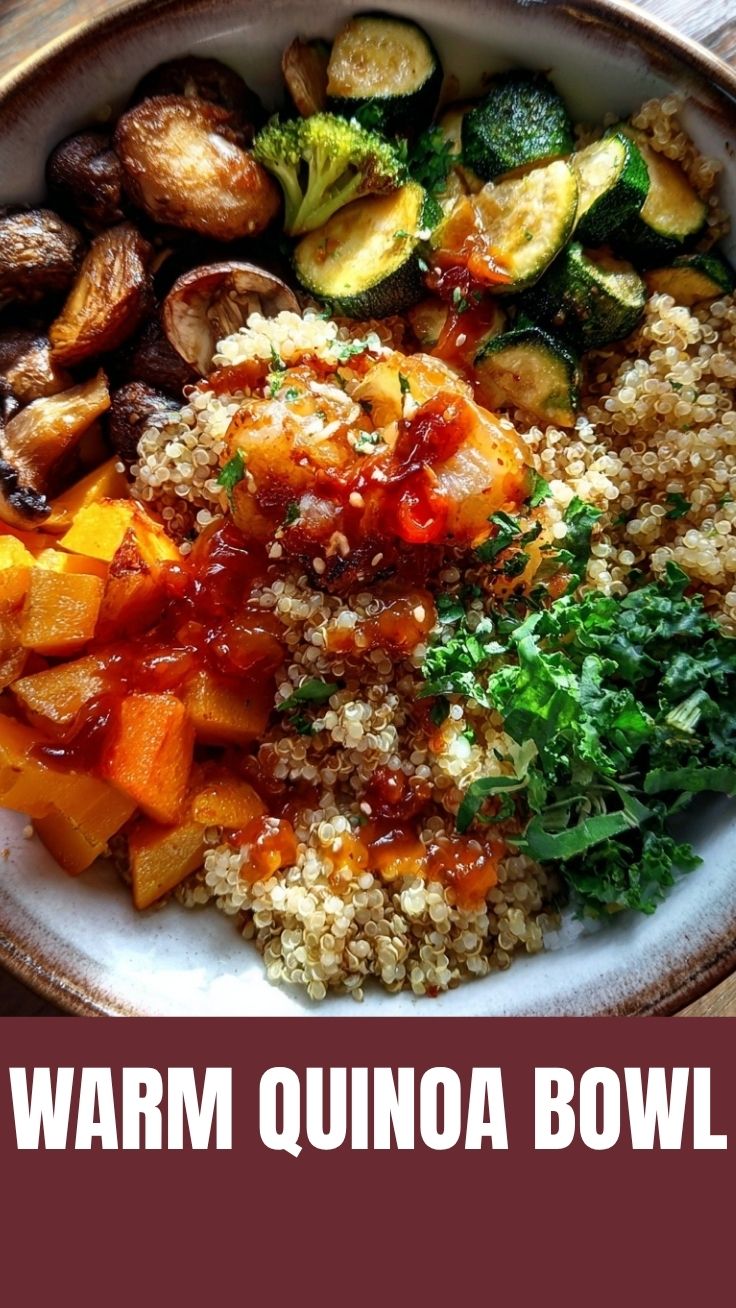
Now, this vibrant dish is more than just a meal—it’s a quinoa bowl that packs protein and fiber, and it can easily become a Superfood bowl by adding avocado, kale, or a drizzle of tahini. Adjust seasoning to your taste: more soy sauce for saltiness, a squeeze of lime for brightness.
Nutritional Benefits & Advantages
This bowl is a powerhouse of nutrition. Quinoa provides complete protein (all nine essential amino acids) and is rich in magnesium and iron. Shrimp delivers lean protein and omega-3s, while colorful vegetables supply antioxidants and vitamins A and C. Compared to rice-based bowls, quinoa offers twice the fiber, keeping you full longer. The ginger and garlic add anti-inflammatory compounds. Whether you’re following a gluten-free diet or simply aiming for a balanced dinner, this recipe fits seamlessly.
Tips Variations & Cooking Advice
– Flavor variations: Swap soy sauce for teriyaki or miso paste. Add chili flakes for heat.
– Ingredient swaps: Use chickpeas or grilled chicken instead of shrimp. Seasonal veggies like zucchini or asparagus work well.
– Cooking methods: Bake everything on a sheet pan at 400°F (200°C) for 20 minutes for a no-fuss version.
– Dietary adaptations: For dairy-free, skip any cheese garnish. For vegan, substitute shrimp with tofu and use vegetable broth.
– Portion changes: Double the recipe for meal prep; portion into containers and refrigerate.
Common Mistakes to Avoid
– Not rinsing quinoa: Unrinsed quinoa tastes bitter due to saponins. Always rinse in a fine-mesh strainer.
– Overcooking shrimp: Shrimp cook in 2–3 minutes per side. As soon as they curl and turn pink, remove them.
– Soggy quinoa: Use the correct water-to-quinoa ratio (2:1) and let it steam off heat. Don’t stir while cooking.
– Crowding the skillet: Cook vegetables and shrimp in batches if needed. Overcrowding causes steaming instead of searing.
– Skipping resting time: Letting quinoa rest ensures fluffy texture. Fluff immediately or let sit covered for 5 minutes.
Storage & Meal Prep Tips
– Refrigeration: Store leftovers in an airtight container for up to 4 days. The flavors meld beautifully overnight.
– Freezing: Portion into freezer-safe bags for up to 3 months. Thaw overnight in the fridge.
– Reheating: Microwave with a splash of water or broth, covered, for 1–2 minutes. Alternatively, reheat in a skillet over medium heat, stirring occasionally, to restore texture. Avoid high heat to prevent drying.
For meal prep, cook quinoa and stir-fry separately. Combine only when reheating to keep vegetables crisp. Store shrimp separately if you prefer not to reheat them with the grains.
Conclusion
Building a homemade quinoa bowl is a gateway to endless culinary creativity—you control the flavors, the protein, and the nutritional profile. This recipe proves that a Superfood bowl doesn’t require a specialty café; it’s achievable in your kitchen with minimal effort. The key is using perfectly cooked quinoa, fresh ingredients, and a balanced sauce. I encourage you to try this Asian-inspired version, then experiment with your own toppings. Share your results in the comments or tag us on social media. Ready to explore more? Check out our Quinoa Bowl and Superfood bowl for even more inspiration.
FAQs
1. Can I make this quinoa bowl ahead of time?
Yes. Cook quinoa and stir-fry separately, then combine and reheat when ready. Store components in airtight containers for up to 4 days.
2. What’s the best substitute for shrimp?
Grilled chicken, baked tofu, canned chickpeas, or flaked salmon work beautifully. Adjust cooking times accordingly.
3. Why is my quinoa mushy?
Too much water or overcooking is the culprit. Stick to 2 cups liquid per 1 cup quinoa, and don’t stir during simmering.
4. How can I make this bowl gluten-free?
Use tamari or coconut aminos instead of soy sauce. All other ingredients are naturally gluten-free.
5. Can I freeze this quinoa bowl?
Yes, but note that vegetables may lose crispness. For best results, freeze quinoa and protein separately, then add fresh veggies when reheating.
Quick way to grow: 3 Quinoa Bowl Recipes
Ingredients
Equipment
Method
- Rinse quinoa thoroughly under cold water using a fine-mesh sieve.
- Combine rinsed quinoa and water or broth in a medium saucepan.
- Bring to a boil, then reduce heat, cover, and simmer for 15 minutes, or until all liquid is absorbed.
- Remove from heat, let stand for 5 minutes, then fluff with a fork.
- In a bowl, combine cooked quinoa, halved cherry tomatoes, diced cucumber, and halved Kalamata olives.
- Add crumbled feta cheese and chopped fresh parsley, then drizzle with lemon vinaigrette.
- Toss gently to combine all ingredients and serve.
- Mix cooked quinoa with rinsed black beans, corn kernels, and diced avocado in a bowl.
- Stir in finely diced red onion and chopped cilantro, then drizzle with chipotle lime dressing.
- Toss thoroughly to combine all ingredients and serve immediately.
- Combine cooked quinoa with shelled edamame, shredded carrots, and thinly sliced red bell pepper in a bowl.
- Add sliced green onions and sesame seeds, then drizzle with soy ginger dressing.
- Toss to ensure all components are well mixed and serve.