The Ultimate Guide to Perfect Homemade Pizza Dough: A Foolproof Recipe for Beginners
Have you ever wondered why restaurant pizza tastes so much better than most homemade versions? The secret isn’t in the sauce or the cheese—it’s in the foundation. A truly great pizza starts with exceptional Pizza Dough. If you’ve been struggling with dense, flat, or flavorless crusts, you’re in for a treat. Preparing this recipe at home not only saves you money but also gives you complete control over ingredients, allowing you to craft a crust that’s crispy on the outside, chewy on the inside, and bursting with authentic flavor. Today, we’re diving deep into the art of making the perfect homemade pizza dough—a skill that will transform your Friday pizza nights forever.
—
Ingredients & Kitchen Tools
Essential Ingredients
– All-purpose flour (3 cups): Provides structure; bread flour works for a chewier texture
– Warm water (1 cup, 110°F): Activates yeast; too hot kills it, too cold slows fermentation
– Active dry yeast (2 ¼ teaspoons): The leavening agent; instant yeast works too (use same amount)
– Olive oil (2 tablespoons): Adds richness and helps browning; avocado oil is a neutral substitute
– Salt (1 teaspoon): Enhances flavor and controls yeast activity; use kosher or sea salt
– Sugar (1 teaspoon): Feeds yeast and aids browning; honey is a natural alternative
Kitchen Tools
– Large mixing bowl (glass or stainless steel preferred)
– Wooden spoon or dough whisk for initial mixing
– Measuring cups and spoons for precision
– Bench scraper (or a sharp knife) for dividing dough
– Clean kitchen towel or plastic wrap for covering
– Baking sheet or pizza stone for cooking
Optional Substitutions
– Gluten-free flour blend: Replace all-purpose cup-for-cup, but expect a denser texture
– Whole wheat flour: Use 50% whole wheat and 50% white for better rise
– No yeast? Try 1 tablespoon baking powder + 1 teaspoon vinegar for a quick version
—
Prep Time & Cooking Schedule
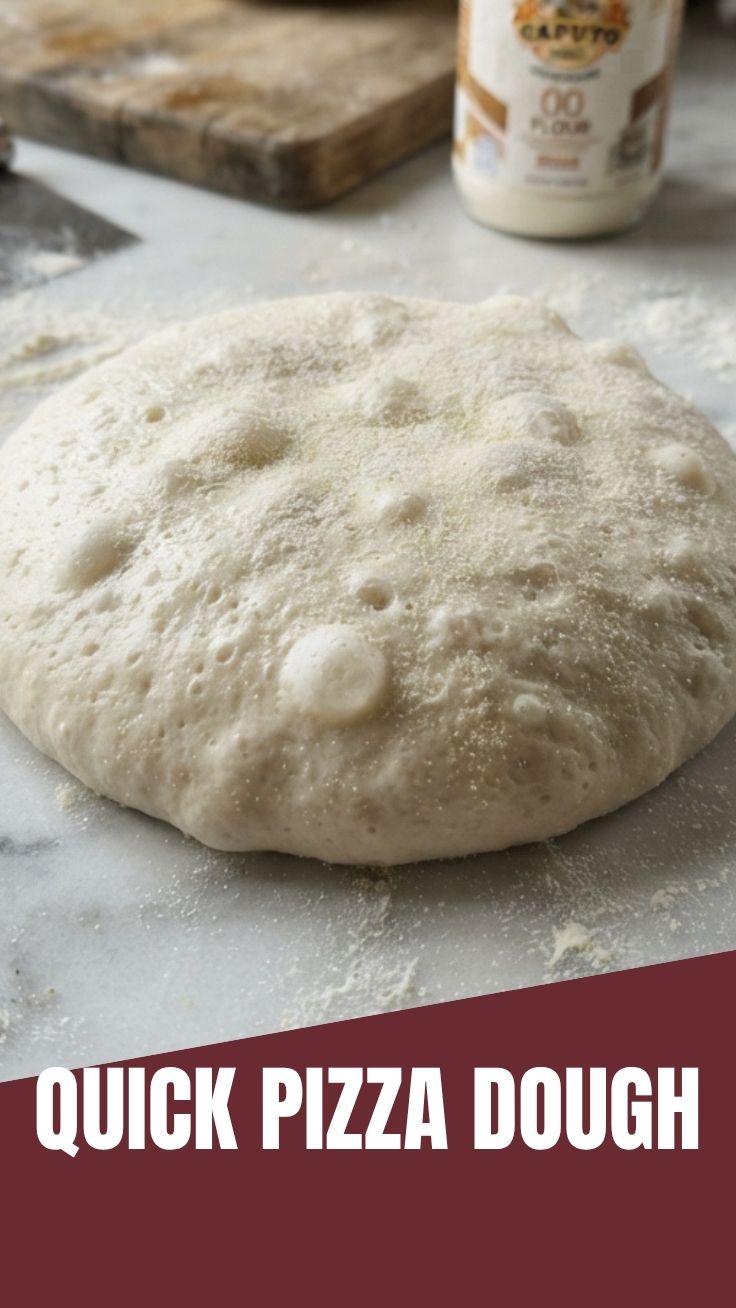
Understanding the timeline is crucial for success. Here’s what to expect:
Total Active Time: 25 minutes (mixing + kneading + shaping)
Rising Time: 1–1.5 hours (first rise) + 20 minutes (second rise)
Cook Time: 10–15 minutes at 475°F
Pro Tip: Plan ahead! The dough needs at least 1 hour to rise in a warm spot (75–80°F). If your kitchen is cooler, expect 90 minutes. For maximum flavor, refrigerate the dough overnight—this slow fermentation develops deeper, more complex tastes.
—
Step-by-Step Instructions
Step 1: Activate the Yeast
In your mixing bowl, combine warm water (110°F) and sugar. Sprinkle the active dry yeast on top and let it sit for 5–7 minutes until frothy. If no foam appears, your yeast may be dead—start over with fresh yeast.
Step 2: Mix the Dough
Add 2 cups of flour and salt to the yeast mixture. Stir with a wooden spoon until a shaggy dough forms. Gradually add the remaining cup of flour, stirring until it pulls away from the bowl’s sides.
Temperature Check: The dough should feel slightly tacky but not sticky. If it’s too wet, add flour one tablespoon at a time. Too dry? Add warm water, one teaspoon at a time.
Step 3: Knead the Dough
Turn the dough onto a floured surface. Knead for 8–10 minutes—push the dough away with the heel of your hand, fold it over, and rotate. You’re done when the dough is smooth and elastic. The Pizza Dough should spring back when pressed with your finger.
Step 4: First Rise
Place the kneaded dough in a lightly oiled bowl, turning to coat. Cover with a damp towel and let it rise in a warm spot until doubled in size (about 1 hour). Your homemade pizza dough should feel airy and puffy.
Pro Texture Check: A properly risen dough will hold an indentation when gently poked.
Step 5: Shape the Pizza
Punch down the dough to release air. On a floured surface, shape it into a round disc—use your fingers to press from the center outward, leaving a slightly thicker edge for the crust. Don’t use a rolling pin; it forces out air bubbles.
Step 6: Bake
Preheat your oven to the highest setting (475–500°F) with a pizza stone inside for 30 minutes. Transfer the shaped dough to a floured peel, add toppings, and bake for 10–15 minutes until golden brown.
—
Nutritional Benefits & Advantages
This Pizza Dough recipe isn’t just delicious—it’s nutritionally smart. Here’s why:
– Complex Carbohydrates: The flour provides sustained energy without the blood sugar spikes of processed foods
– Healthy Fats: Olive oil offers heart-healthy monounsaturated fats and antioxidants
– Protein Boost: Each serving provides about 12g of protein, especially if using bread flour
– No Preservatives: Unlike store-bought doughs, your homemade pizza dough contains zero artificial additives
Health Tip: For extra fiber, replace 1 cup of all-purpose flour with whole wheat or spelt flour. You’ll add 4g more fiber per serving.
—
Tips Variations & Cooking Advice
Flavor Variations
– Herb-Infused Dough: Mix 1 teaspoon each of dried oregano, basil, and garlic powder into the flour
– Cheese Crust: Fold shredded mozzarella into the dough before shaping for a cheese-stuffed crust
– Sourdough Version: Replace yeast with ½ cup active sourdough starter; reduce water by ¼ cup
Cooking Methods
– Cast Iron Skillet: Preheat skillet in oven, add oil, then place dough. Bake for 12–15 minutes for an ultra-crisp bottom
– Grill Method: Cook dough on a preheated grill for 2–3 minutes per side, then add toppings
– Air Fryer: Shape into mini pizzas and cook at 375°F for 6–8 minutes
Dietary Adaptations
– Gluten-Free: Use a quality 1:1 GF flour blend; add 1 teaspoon xanthan gum for structure
– Vegan: The recipe is naturally vegan; just use plant-based toppings
– Low-Sodium: Reduce salt to ½ teaspoon; flavor with garlic powder and herbs instead
—
Common Mistakes to Avoid
Mistake #1: Water Too Hot or Too Cold
Solution: Always use a kitchen thermometer. Water at 110°F feels warm but not hot to the touch—like a comfortable bath.
Mistake #2: Over-Kneading the Dough
Solution: Stop when the dough passes the “windowpane test”—stretch a small piece; if it forms a thin translucent membrane without tearing, it’s ready.
Mistake #3: Skipping the Second Rise
Solution: After shaping, let the dough rest for 20 minutes before baking. This relaxes the gluten and prevents the crust from shrinking in the oven.
Mistake #4: Baking on a Cold Surface
Solution: Always preheat your pizza stone or baking sheet for at least 30 minutes. A hot surface creates immediate steam, giving you that perfect crispy-bottomed homemade pizza dough.
Mistake #5: Overloading with Toppings
Solution: Keep toppings minimal—3–4 ingredients max. Too many weigh down the dough and create a soggy crust.
—
Storage & Meal Prep Tips
Refrigeration
– Store leftover dough in an airtight container or plastic wrap for up to 3 days
– Before using, let cold dough sit at room temperature for 45 minutes to relax
Freezing
– Portion dough into individual balls (about 200g each for a 10-inch pizza)
– Wrap tightly in plastic wrap, then place in a freezer bag for up to 3 months
– Thaw overnight in the refrigerator, then bring to room temperature before shaping
Reheating Leftover Pizza
– Best Method: Reheat in a cast iron skillet over medium heat for 2–3 minutes per side
– Oven Method: 375°F for 5–7 minutes on a bare rack (avoids a soggy bottom)
– Never Microwave: It turns the crust into a rubbery mess
Meal Prep Strategy
– Make a double batch of Pizza Dough on Sunday
– Freeze individual portions for quick weeknight dinners
– Pair with pre-made sauce and shredded cheese for 15-minute pizza nights
—
Conclusion
Mastering Pizza Dough at home is one of the most rewarding culinary skills you can develop. Not only does it save you money and eliminate processed ingredients, but it also opens the door to endless customization—from classic Margherita to creative seasonal toppings. The key takeaway? Great pizza starts with great dough, and with this foolproof recipe for homemade pizza dough, you’re equipped to create restaurant-quality results in your own kitchen. Try this recipe this weekend, share a photo of your masterpiece, and explore our other bread and flatbread recipes for more inspiration. Your Friday nights will never be the same!
—
FAQs
1. Can I use instant yeast instead of active dry yeast?
Yes! Use the same amount (2 ¼ teaspoons) but skip the activation step—mix it directly with the flour. Your homemade pizza dough will rise just as well.
2. Why is my dough not rising?
Several factors: yeast might be expired (check the date), water was too hot (over 120°F kills yeast), or the room temperature was too cold (below 70°F). Try placing the bowl in a turned-off oven with the light on for a warm environment.
3. Can I make this dough gluten-free?
Absolutely. Use a good gluten-free all-purpose blend (like Bob’s Red Mill 1:1). Add 1 teaspoon xanthan gum if your blend doesn’t already include it. The dough will be softer and less elastic, so handle it gently.
4. How do I fix dough that’s too sticky?
Sprinkle flour onto your work surface and hands, then knead it in gradually. Add just enough to make the dough manageable—too much flour will make your Pizza Dough dense and tough.
5. Can I prepare the dough a day ahead?
Yes! After the first rise, punch it down, wrap tightly in plastic wrap, and refrigerate for up to 24 hours. Cold fermentation develops better flavor. Just let it come to room temperature for 45 minutes before shaping.
Proven way to grow pizza dough in 1 hour. Pizza Dough
Ingredients
Equipment
Method
- In a large bowl, combine warm water, sugar, and yeast, then let it sit for 5-10 minutes until it becomes foamy to activate the yeast.
- Add olive oil, salt, and two cups of flour to the yeast mixture, mixing until well combined before gradually incorporating the remaining flour until a shaggy dough forms.
- Transfer the dough to a lightly floured surface and knead it for 7-10 minutes until it is smooth and elastic to the touch.
- Lightly oil a clean bowl, place the dough inside, turning to coat it, then cover the bowl and let the dough rise in a warm spot for one hour or until it has doubled in size.
- Gently punch down the risen dough to release any trapped air, and it will be ready to shape and use for your pizza recipe.