Why Homemade Pico de Gallo Beats Store-Bought Every Time
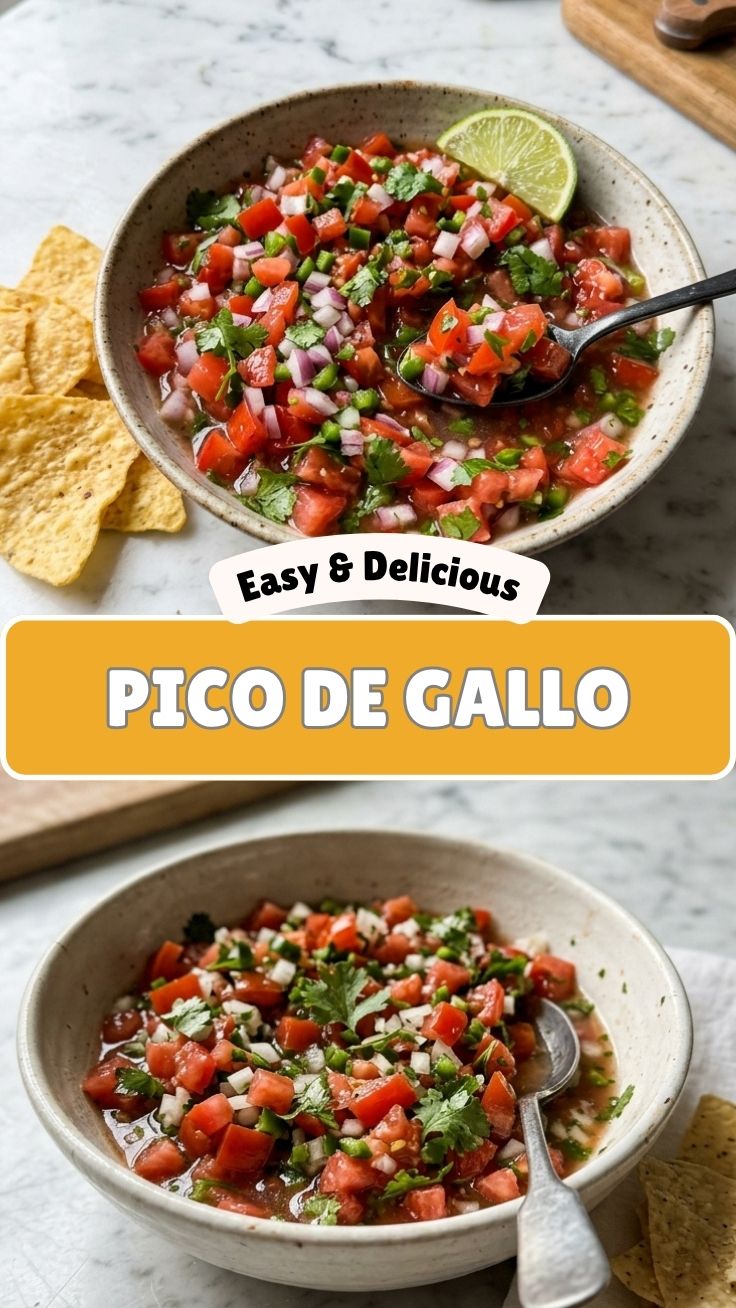
Have you ever wondered why the salsa at your favorite Mexican restaurant tastes so incredibly fresh and vibrant? The secret often lies in a simple, uncooked relish known as Pico de Gallo. Making this classic condiment at home is not only surprisingly easy but also allows you to control the quality of ingredients, ensuring every bite bursts with authentic flavor. Whether you call it Pico de Gallo or Salsa Fresca, preparing it yourself saves money, reduces sodium, and lets you tailor the heat and acidity to your personal taste. In this post, we’ll walk you through everything you need to create the perfect bowl of fresh salsa that will elevate tacos, burritos, chips, and grilled meats.
—
Ingredients & Kitchen Tools
Essential Ingredients
– Roma tomatoes (4-5 medium): Firm, ripe, and low in seeds for the best texture. Avoid overly soft tomatoes.
– White onion (½ medium): Sharp flavor that mellows after sitting in lime juice. Red onion works as a sweeter substitute.
– Fresh cilantro (½ cup, chopped): Use only the leaves and tender stems. Some people are genetically averse to cilantro—skip if needed.
– Jalapeño or serrano pepper (1-2): Adjust based on heat preference. Serranos are spicier; remove seeds for milder flavor.
– Fresh lime juice (2-3 tablespoons): Key for acidity and preserving freshness. Never use bottled lime juice.
– Salt (½ teaspoon, kosher): Enhances all flavors. Start with less and adjust.
– Optional garlic (1 small clove, minced): Adds depth, though not traditional in authentic recipes.
Kitchen Tools Needed
– Cutting board: Large, stable surface for dicing.
– Chef’s knife: Sharp blade is crucial for clean, even cuts.
– Mixing bowl: Glass or stainless steel (avoid reactive metals like aluminum).
– Fine-mesh strainer: Optional, for draining excess tomato juice if desired.
– Citrus juicer: Helps extract maximum lime juice without seeds.
Substitutions
– Onion: Red onion, shallots, or even green onions for milder flavor.
– Pepper: Habanero for extreme heat, poblano for smoky mildness, or bell pepper for zero heat.
– Herb: Flat-leaf parsley or mint for a non-cilantro option.
—
Prep Time & Cooking Schedule
| Phase | Time | Notes |
|——-|——|——-|
| Prep time | 15 minutes | Washing, dicing, and juicing |
| Resting time | 20–30 minutes | Essential for flavors to meld |
| Total time | 35–45 minutes | Can be made ahead |
| Best served | Within 2 hours | Peak freshness and crunch |
Pro tip: Plan your Pico so it rests while you finish preparing tacos, grilled meats, or nachos. The salsa improves over the first 30 minutes as the lime juice lightly marinates the onions and peppers, softening their bite.
—
Step-by-Step Instructions
1. Wash and dry all produce thoroughly. Pat the tomatoes, cilantro, and peppers dry with a clean towel—excess water dilutes the flavor.
2. Dice the tomatoes: Cut each Roma tomato in half lengthwise, remove the core and most of the seeds using a spoon, then dice into ¼-inch cubes. Place in a strainer over a bowl and sprinkle with a pinch of salt—this draws out excess liquid for a firmer Pico de Gallo.
3. Finely dice the onion into pieces similar in size to the tomatoes. The goal is uniform cubes for consistent texture in every bite of Salsa Fresca.
4. Mince the jalapeño: Remove seeds and white ribs for less heat, then chop very finely. Wash hands immediately after handling peppers.
5. Chop cilantro by gathering into a tight bunch and slicing crosswise; avoid over-chopping into mush.
6. Combine everything in a large mixing bowl: tomatoes (drained), onion, jalapeño, and cilantro. Add lime juice and ½ teaspoon kosher salt. Stir gently.
7. Taste and adjust: Add more lime juice for acidity, salt for seasoning, or extra pepper for heat. Let rest at room temperature for 20–30 minutes before serving.
Temperature control tip: If your kitchen is warm (above 75°F), refrigerate the Pico immediately after combining to slow enzymatic changes that can make tomatoes mealy.
—
Nutritional Benefits & Advantages
Homemade Pico de Gallo is a nutritional powerhouse with no added oils, sugars, or preservatives. A half-cup serving contains roughly:
– 25–30 calories
– 1g protein
– 6g carbohydrates (mostly fiber)
– High in vitamin C (from tomatoes and lime)
– Rich in antioxidants like lycopene (tomatoes) and quercetin (onions)
– Zero cholesterol and very low sodium (controlled by you)
This fresh salsa also supports hydration (tomatoes are 94% water) and digestive health thanks to fiber from onions and peppers. Unlike many store-bought versions, you decide exactly how much salt enters the bowl, making it ideal for low-sodium diets.
—
Tips, Variations & Cooking Advice
Flavor Variations
– Smoky Pico: Grill the tomatoes, onion, and jalapeño for 3–5 minutes before dicing.
– Fruity Pico: Add diced mango, pineapple, or peach for sweetness.
– Herb-forward: Mix in chopped mint or oregano for a Mediterranean twist.
Ingredient Swaps & Dietary Adaptations
– Gluten-free: Naturally gluten-free—just ensure your chips are certified gluten-free.
– Dairy-free: Always dairy-free as written.
– Low-FODMAP: Use green onion tops instead of white onion, and skip garlic.
Cooking Method Changes
– For chunkier texture: Dice vegetables larger (½-inch) and skip draining.
– For saucier texture: Blend half the tomatoes before dicing the rest.
– Quick shortcut: Use a food processor for coarse chop (pulse 3–4 times).
Portion Adjustments
– Scale up: Double recipe for parties; add 10 minutes to resting time.
– Scale down: Halve easily—just use one jalapeño partially.
—
Common Mistakes to Avoid
| Mistake | Solution |
|———|———-|
| Watery salsa | Always drain salted tomatoes after 5 minutes, and avoid over-juicing limes |
| Bitter taste | Check seeds from jalapeño are fully removed; old lime juice turns bitter |
| Mushy texture | Do not over-mix or refrigerate too long (beyond 24 hours) |
| Lack of flavor | Taste and season twice: once raw, once after resting—flavors change |
| Cilantro overwhelms | Use stems sparingly; leaves only for balance |
—
Storage & Meal Prep Tips
Refrigeration
– Store in an airtight container for up to 3–4 days.
– Place a paper towel on top before sealing to absorb excess moisture.
– Stir before serving each time.
Freezing
– Not recommended—tomatoes become mushy and watery upon thawing. If you must freeze, drain well and use only for cooked dishes like soups or stews.
Reheating
– Pico de Gallo is served cold or at room temperature only. Never microwave, as heat destroys the fresh texture.
Meal Prep Hack
– Dice tomatoes, onions, and peppers separately and store in individual containers. Combine with lime juice and salt just before serving for maximum crunch.
—
Conclusion
Mastering authentic Pico de Gallo transforms everyday meals into vibrant culinary experiences. By following these steps, you’ll consistently create a salsa that’s fresher, healthier, and more flavorful than anything from a jar. Remember that the magic lies in resting the mixture—this brief wait allows the lime juice to gently marry the sharp onion, cool tomato, and spicy pepper into a balanced Salsa Fresca that shines on tacos, eggs, grilled fish, or simply scooped with chips. Now it’s your turn—grab fresh ingredients, sharpen your knife, and taste the difference homemade makes. Share your creation with friends, or experiment with mango or grilled variations. Once you go homemade, you’ll never go back to store-bought.
—
FAQs
1. Can I use canned tomatoes instead of fresh?
Yes, but drain well and expect a softer, less crunchy texture. Fire-roasted canned tomatoes add smoky depth.
2. How do I make Pico de Gallo less spicy?
Remove all seeds and white membranes from the pepper, or substitute a poblano or bell pepper entirely.
3. Why is my Pico de Gallo bitter?
Common causes: old limes, over-juiced lime pith, or too much cilantro stem. Always use fresh limes and taste as you go.
4. Can I add garlic or cumin?
Absolutely—though not traditional in authentic Mexican versions, minced garlic (½ clove) or ¼ teaspoon cumin adds complexity.
5. How long can I leave Pico de Gallo at a party?
No more than 2 hours at room temperature (1 hour if above 90°F). Place the bowl on ice for longer events.
—
Did this guide help you perfect your homemade salsa? Share your results in the comments below—we’d love to see your colorful creations!
How to grow Pico de Gallo from 5 ingredients
Ingredients
Equipment
Method
- Plant tomato and jalapeño seeds indoors 6-8 weeks before the last frost, ensuring they receive plenty of sunlight and consistent moisture.
- Sow cilantro seeds directly into well-draining soil after the danger of frost has passed, and plant onion sets about an inch deep and 4-6 inches apart.
- Transplant tomato and jalapeño seedlings outdoors after the last frost, spacing them appropriately and providing support for tomatoes.
- Plant your lime tree seedling in a sunny spot with good drainage, ensuring it receives adequate water, especially during dry periods.
- Maturity times vary: tomatoes and jalapeños take 60-90 days, cilantro 30-45 days, onions 90-120 days, and a lime tree will take several years to bear fruit.