The Ultimate Orzo Salad (Summer) Recipe: Bursting with Fresh Flavor
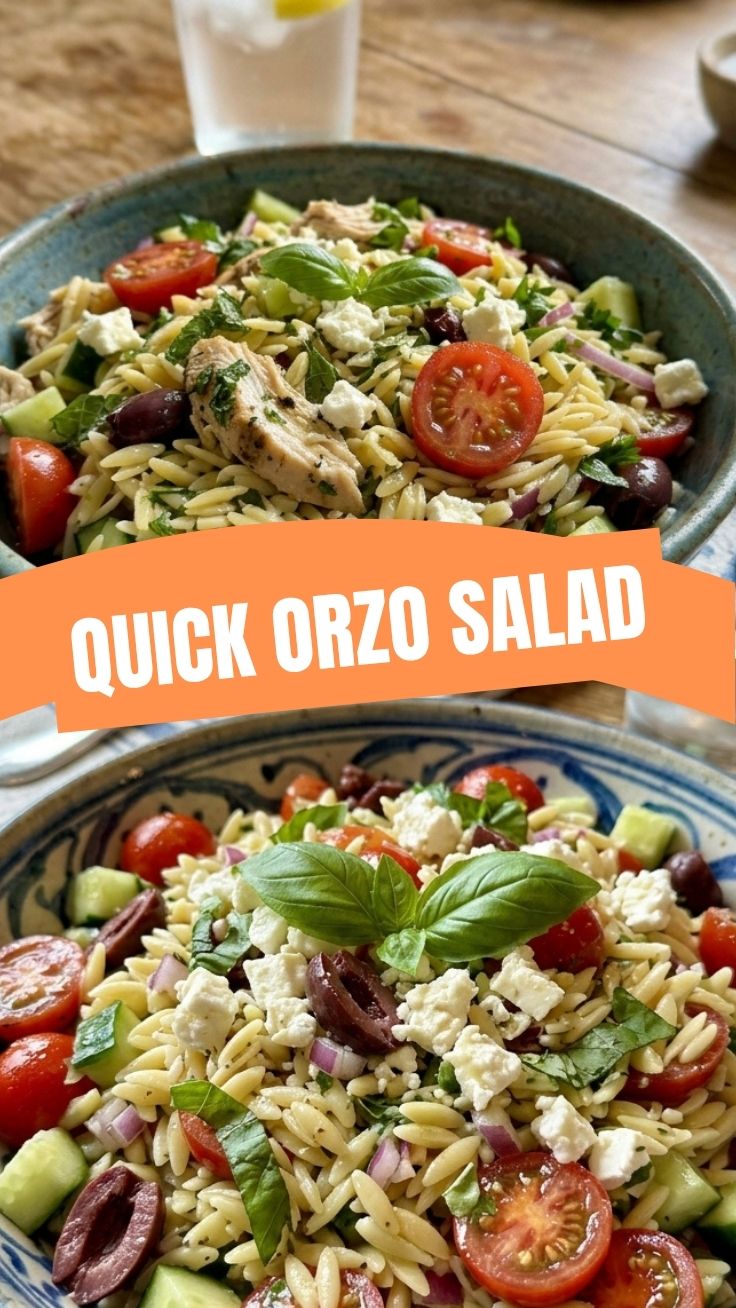
Have you ever wondered why your summer potluck side dish always gets devoured in minutes, yet you struggle to replicate that magic at home? The secret lies in mastering the art of a chilled pasta salad that balances texture, acidity, and fresh produce perfectly. This vibrant Orzo Salad (Summer) is the ultimate solution—it is light, refreshing, and incredibly versatile. Preparing it at home not only saves money but also gives you full control over ingredient quality. Whether you are hosting a backyard barbecue or meal-prepping for the week, this dish fits perfectly into the family of Cold pasta recipes that never go out of season.
—
Ingredients & Kitchen Tools
Essential Ingredients
– Orzo pasta (1 cup) – A rice-shaped pasta that holds dressing beautifully; choose whole-wheat for extra fiber.
– Cherry tomatoes (1 cup, halved) – Look for firm, brightly colored tomatoes for maximum sweetness.
– English cucumber (1 medium, diced) – Fewer seeds and a crisp texture make it ideal for cold salads.
– Red bell pepper (1, diced) – Adds crunch and a pop of color along with vitamin C.
– Fresh basil leaves (¼ cup, chopped) – Do not substitute dried basil; fresh is non-negotiable for that aromatic lift.
– Feta cheese (½ cup, crumbled) – Provides salty tang; omit for a dairy-free version or use vegan feta.
– Kalamata olives (⅓ cup, halved) – Briny depth complements the creamy dressing.
– Lemon juice (3 tablespoons, freshly squeezed) – Bottled juice lacks brightness.
– Extra-virgin olive oil (¼ cup) – Use a good quality one; it is the backbone of the dressing.
– Red wine vinegar (1 tablespoon) – Adds acidity without overpowering.
– Garlic (1 clove, minced) – Fresh garlic infuses better than powder.
– Salt and black pepper (to taste) – Finish with flaky sea salt just before serving.
Kitchen Tools Required
– Large pot for boiling pasta
– Colander for rinsing
– Sharp chef’s knife and cutting board
– Medium mixing bowl for dressing
– Large serving bowl for tossing
– Whisk or fork for emulsifying dressing
– Measuring cups and spoons
Optional Substitutions
– Gluten-free: Use brown rice or quinoa orzo.
– Protein boost: Add grilled chicken, chickpeas, or white beans.
– Vegan option: Replace feta with marinated tofu or nutritional yeast.
—
Prep Time & Cooking Schedule

– Prep time: 15 minutes (washing, dicing, and chopping)
– Cook time: 9 minutes (al dente orzo)
– Chill time: At least 30 minutes (allows flavors to meld)
– Total time: Approximately 1 hour
Why plan ahead? The resting time is crucial—this salad tastes significantly better after the orzo absorbs the dressing and the vegetables release their juices. Prepare it in the morning for an afternoon gathering, or make it the night before for deeper flavor development.
—
Step-by-Step Instructions
1. Cook the orzo: Bring a large pot of salted water to a rolling boil. Add 1 cup orzo and cook according to package directions until al dente (typically 8-9 minutes). Do not overcook—mushy pasta ruins the texture of any cold dish. Drain well and rinse under cold running water to stop cooking and remove excess starch.
2. Prepare the dressing: While the pasta cooks, whisk together ¼ cup olive oil, 3 tablespoons lemon juice, 1 tablespoon red wine vinegar, 1 minced garlic clove, ½ teaspoon salt, and ¼ teaspoon black pepper. Emulsify until slightly thickened.
3. Chop the vegetables: Halve cherry tomatoes, dice cucumber and bell pepper into uniform bite-sized pieces. Uniformity ensures every forkful has balanced flavors.
4. Combine and toss: In a large serving bowl, add cooled orzo, chopped vegetables, halved Kalamata olives, and fresh basil. Pour the dressing over the top and toss gently but thoroughly using two spoons or a spatula. Be careful not to break the orzo.
5. Fold in the cheese: Gently fold in crumbled feta cheese. Avoid overmixing to keep the cheese from disintegrating into the salad.
6. Chill and serve: Cover tightly with plastic wrap and refrigerate for at least 30 minutes. Taste before serving and adjust salt, pepper, or lemon juice as needed. Serve chilled or at room temperature, exactly as you would with any other top-rated Cold pasta recipes. This Orzo Salad (Summer) is a centerpiece that highlights seasonal produce beautifully.
Pro tip: For optimal texture, slightly undercook the orzo by 1 minute—it will continue absorbing dressing during chilling and become perfectly tender without turning mushy.
—
Nutritional Benefits & Advantages
This summer orzo salad is nutritionally dense without feeling heavy. One serving (about 1.5 cups) provides:
– Complex carbohydrates from orzo provide sustained energy, making it ideal for active summer days.
– Vitamin C and antioxidants from cherry tomatoes and bell peppers support immune function and skin health.
– Healthy monounsaturated fats from olive oil and olives promote heart health and help absorb fat-soluble vitamins.
– Calcium and protein from feta cheese contribute to bone health; adding chickpeas or chicken boosts protein further.
– Hydration support from cucumber (over 95% water content) helps maintain fluid balance in hot weather.
Unlike heavy mayonnaise-based salads, this oil-and-acid dressing keeps calories moderate (approximately 280 per serving) while delivering bright, palate-cleansing flavors that do not weigh you down.
—
Tips Variations & Cooking Advice
Flavor Variations
– Mediterranean twist: Add chopped sun-dried tomatoes, artichoke hearts, and a sprinkle of oregano.
– Spicy version: Toss in ½ teaspoon red pepper flakes or diced jalapeño.
– Herb-forward: Replace basil with equal parts fresh mint and parsley for a zingy alternative.
Ingredient Swaps
– Grains: Substitute orzo with couscous, farro, or quinoa for different textures.
– Cheese: Goat cheese or shredded Parmesan work well instead of feta.
– Vegetables: Grilled zucchini, roasted corn, or blanched asparagus add seasonal variety.
Dietary Adaptations
– Gluten-free: Use certified gluten-free orzo or brown rice pasta.
– Dairy-free: Omit feta or use cashew-based vegan cheese crumbles.
– Low-carb: Replace orzo with cauliflower rice (roast first to remove moisture).
– Nut-free: This recipe is naturally nut-free; no substitutions needed.
Cooking Advice
– Temperature control: Always rinse orzo with cold water after draining to stop carryover cooking.
– Seasoning adjustment: Taste before serving—cold temperatures dull sweetness, so you may need to add an extra pinch of salt or squeeze of lemon.
– Portion changes: This recipe doubles easily for large gatherings; use a 4-quart bowl minimum.
—
Common Mistakes to Avoid
| Mistake | Solution |
|————-|————–|
| Overcooking orzo | Set a timer and test 1 minute before package time; al dente is firm to the bite. |
| Skipping the rinse | Rinsing removes sticky starch that causes clumping in cold salads. |
| Adding dressing too early | Toss dressing just before chilling or reserve some to add later if storing overnight. |
| Using watery vegetables | Pat cucumber and tomatoes dry with paper towels to avoid diluting the dressing. |
| Forgetting to season the pasta water | Salt water generously—it seasons the pasta from within. |
| Oversalting the feta | Taste feta first; if very salty, reduce added salt in dressing. |
—
Storage & Meal Prep Tips
– Refrigeration: Store in an airtight container for up to 4 days. Stir well before serving as dressing settles.
– Freezing: Not recommended—frozen vegetables release water upon thawing, turning the salad mushy.
– Reheating: This salad is best served cold or at room temperature. If you prefer warm, microwave individual portions for 20–30 seconds only.
– Longevity hack: Keep extra dressing separately and add it to leftovers to revive moisture and flavor.
Meal prep strategy: Double the recipe on Sunday. Pack single servings for easy grab-and-go lunches. The flavors actually improve by day two, making this an ideal make-ahead dish.
—
Conclusion
This Orzo Salad (Summer) proves that cold side dishes can be both nutritious and explosively flavorful. By using fresh produce, a simple vinaigrette, and high-quality ingredients, you create a dish that outshines store-bought alternatives every time. Whether you are looking for a quick lunch, a potluck hero, or a reliable addition to your weekly rotation, this recipe delivers consistent results with minimal effort. It is a testament to how delicious and versatile Cold pasta recipes can be when built around seasonal ingredients and proper technique. Try it this weekend and watch it disappear—then come back and share your favorite variation with us!
—
FAQs
Can I use a different pasta shape instead of orzo?
Absolutely. Ditalini, small shells, or pearl couscous work well. Adjust cooking time accordingly and maintain the al dente texture for best results.
How do I prevent the pasta from sticking together?
Rinse thoroughly after cooking, toss with a tablespoon of olive oil before adding dressing, and ensure the pasta is completely cool before mixing with other ingredients.
My salad tastes bland. What did I do wrong?
Most likely insufficient salt or acid. Add a pinch of flaky salt and an extra squeeze of lemon juice, then toss and taste again. Cold temperatures mute flavors, so season aggressively.
Can I make this salad ahead of time for a party?
Yes, but with one caveat: avoid adding fresh basil and half the feta until just before serving. These retain better texture and appearance when added fresh.
Is this salad suitable for a gluten-free diet?
Only if you use gluten-free orzo or substitute with quinoa. Check all ingredient labels, especially the vinegar and olives, for potential cross-contamination warnings.
Orzo Salad (Summer)
Ingredients
Equipment
Method
- Cook orzo according to package directions until al dente; drain and rinse with cold water, then transfer to a large bowl.
- In a small bowl, whisk together the olive oil and lemon juice until well combined to create the dressing.
- Add cherry tomatoes, diced cucumber, thinly sliced red onion, and crumbled feta cheese to the bowl with the cooked orzo.
- Pour the dressing over the orzo mixture, tossing gently to ensure all ingredients are well coated and combined.
- Serve immediately, or chill in the refrigerator for at least 15 minutes before serving for enhanced flavor.