Master the Art of the Perfect New York Cheesecake: Your Ultimate Guide
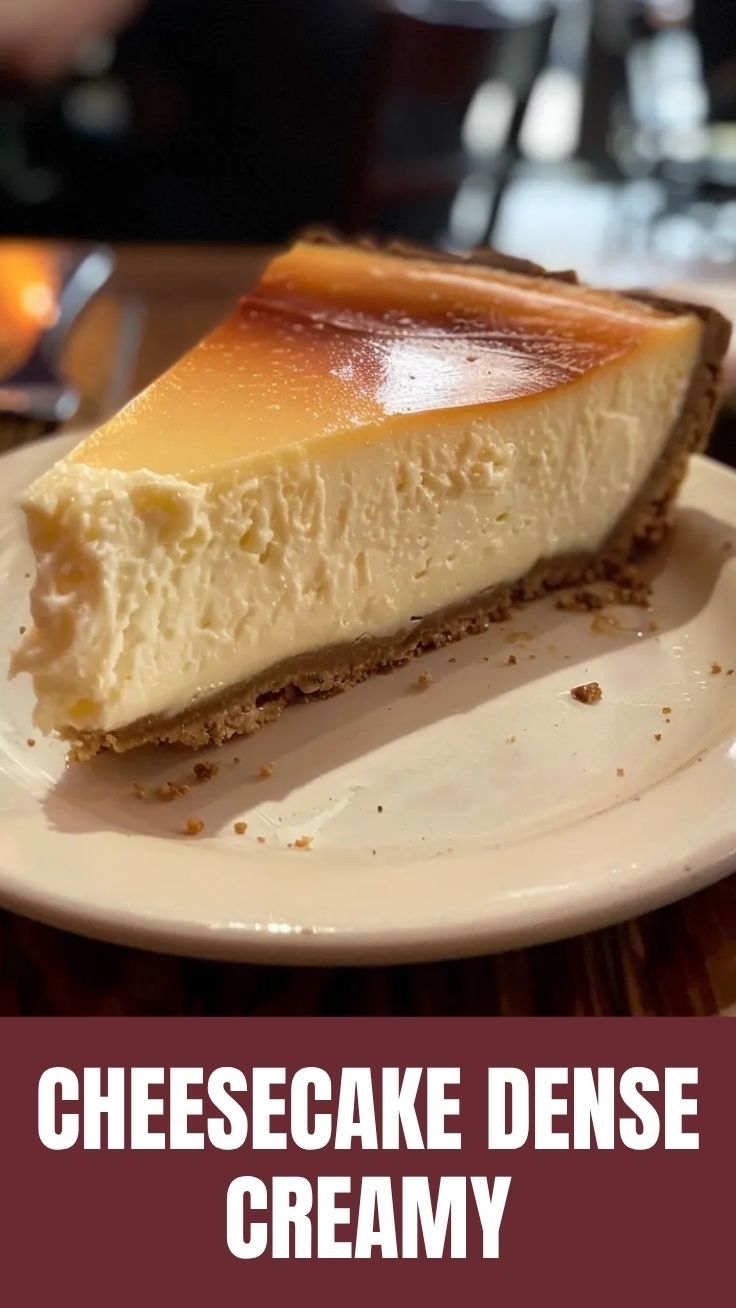
Ever wondered if you could recreate that iconic, velvety smooth slice of New York Cheesecake from your favorite bakery right in your own kitchen? The answer is a resounding yes! There’s an unparalleled satisfaction in presenting a homemade dessert, especially one as magnificent and widely adored as this classic. Beyond the bragging rights, preparing this exquisite dessert at home allows you complete control over ingredients, ensuring superior quality and flavor. If you’re looking to elevate your dessert game and delve into the world of truly decadent Cheesecake recipes, you’ve come to the right place. This comprehensive guide will walk you through every step, demystifying the process and empowering you to bake a cheesecake that will impress even the most discerning palates.
Ingredients & Kitchen Tools
Crafting an exceptional cheesecake begins with high-quality ingredients and the right equipment. Here’s what you’ll need:
- For the Crust:
* 1 ½ cups Graham cracker crumbs: About 10-12 full graham cracker sheets, finely crushed. You can also use digestive biscuits or vanilla wafers for a slight flavor variation.
* ½ cup unsalted butter, melted: Binds the crumbs together beautifully.
* ¼ cup granulated sugar: Adds a touch of sweetness to the crust.
* Pinch of salt: Enhances the flavor of the crust.
- For the Filling:
* 4 (8-ounce) packages cream cheese, softened: Full-fat cream cheese is non-negotiable for that signature rich texture. Ensure it’s at room temperature to prevent lumps.
* 1 ½ cups granulated sugar: Sweetens the filling. Adjust to your preference.
* 1 tablespoon all-purpose flour: Helps prevent cracking.
* 1 teaspoon vanilla extract: Pure vanilla extract offers the best flavor.
* ½ teaspoon lemon zest: Brightens the flavor profile without making it tart.
* Pinch of salt: Balances the sweetness.
* 4 large eggs, room temperature: Also crucial for a smooth, homogenous batter.
* ½ cup sour cream, room temperature: Adds a delightful tangy creaminess and helps achieve a silky texture.
- Kitchen Tools:
* 9-inch springform pan: Essential for easy removal of the cheesecake.
* Aluminum foil: For tightly wrapping the springform pan if using a water bath.
* Large mixing bowls: For combining ingredients.
* Electric mixer (stand or hand-held): Makes creaming the cream cheese much easier.
* Spatula: For scraping down bowls and folding.
* Measuring cups and spoons: For accurate ingredient measurement.
* Roasting pan (for water bath): A large pan that can accommodate the springform pan.
* Wire rack: For cooling the cheesecake.
Prep Time & Cooking Schedule
- Prep Time: 30 minutes
- Bake Time: 1 hour 15 minutes to 1 hour 30 minutes
- Cooling Time: 1 hour (on the counter) + 4-6 hours (in the refrigerator), or preferably overnight.
Plan ahead! The extended cooling time is vital for the cheesecake to set properly and develop its ultimate texture. Rushing this step will result in a less firm and potentially cracked cheesecake. Ensure your cream cheese, eggs, and sour cream are all at room temperature before you begin mixing – this prevents a lumpy batter and ensures a smooth, even bake.
Step-by-Step Instructions
1. Prepare the Crust: Preheat your oven to 325°F (160°C). In a medium bowl, combine graham cracker crumbs, melted butter, sugar, and a pinch of salt. Mix until thoroughly combined. Press the mixture firmly and evenly into the bottom of a 9-inch springform pan. Bake for 10 minutes, then remove and let cool slightly while you prepare the filling. This pre-bake helps create a sturdy crust that won’t get soggy.
2. Prepare for Water Bath (Optional but Recommended): Wrap the outside of your springform pan tightly with several layers of heavy-duty aluminum foil. This prevents water from seeping into the pan during the water bath, minimizing cracks and ensuring a creamy texture for your New York Cheesecake.
3. Make the Filling: In a large mixing bowl, beat the softened cream cheese with an electric mixer on medium speed until smooth and creamy, about 2-3 minutes. Gradually add the granulated sugar and flour, beating until just combined. Be careful not to overmix, as this can incorporate too much air, leading to cracks.
4. Add Flavorings and Eggs: Beat in the vanilla extract, lemon zest, and salt. Add the eggs one at a time, beating on low speed only until just incorporated after each addition. Finally, gently fold in the sour cream until just combined.
5. Pour and Bake: Pour the cheesecake batter over the cooled crust in the springform pan. If using a water bath, place the foil-wrapped springform pan into a larger roasting pan. Carefully pour hot water into the roasting pan, reaching about halfway up the sides of the springform pan.
6. Bake the Cheesecake: Bake for 1 hour 15 minutes to 1 hour 30 minutes, or until the edges are set, but the center still jiggles slightly (like firm Jell-O). The internal temperature should be around 145-150°F (63-65°C). Avoid opening the oven door too frequently.
7. Cooling Process: Turn off the oven, crack the door open slightly, and let the cheesecake cool in the oven for 1 hour. This slow cooling prevents drastic temperature changes that can cause cracking. Remove from the oven, remove the foil, and let cool completely on a wire rack at room temperature for another hour.
8. Chill: Once at room temperature, cover the cheesecake loosely with plastic wrap and refrigerate for at least 4-6 hours, or ideally overnight, before serving. This chilling time is paramount for the cheesecake to firm up and develop its full flavor and classic texture. There are many more Cheesecake recipes for you to try so don’t be afraid to experiment with new flavors.
Nutritional Benefits & Advantages
While a treat, homemade New York Cheesecake offers advantages over store-bought versions. You control the sugar content and can opt for higher-quality, natural ingredients. Cream cheese provides calcium, and eggs are a good source of protein and essential vitamins. Using fresh lemon zest also adds a boost of natural antioxidants. Making it from scratch also avoids artificial flavors, preservatives, and high-fructose corn syrup often found in commercially prepared desserts.
Tips, Variations & Cooking Advice
- Preventing Cracks: The water bath is your best friend here! Also, don’t overmix the batter, and allow for slow cooling in the oven.
- Flavor Variations:
* Chocolate Swirl: Melt some chocolate (dark or milk) and drizzle over the top of the batter before baking, then swirl with a knife.
* Fruit Topping: A simple berry compote (strawberries, raspberries, blueberries simmered with a little sugar) makes an excellent fresh topping.
* Caramel Drizzle: A generous drizzle of homemade or store-bought caramel sauce is always a hit.
- Gluten-Free: Use gluten-free graham cracker crumbs for the crust.
- Lower Sugar: Gradually reduce the sugar in both the crust and filling. Taste the batter before adding eggs to adjust.
- Don’t Overbake: An overbaked cheesecake will be dry and crumbly. The slight jiggle in the center is key.
Common Mistakes to Avoid
- Using Cold Ingredients: Leads to lumps and an uneven texture. Always have cream cheese, eggs, and sour cream at room temperature.
- Overmixing the Batter: Incorporates too much air, which expands during baking and then collapses, causing cracks. Mix until just combined.
- Skipping the Water Bath: While optional, it greatly reduces the risk of cracks and yields a creamier result.
- Rushing the Cooling Process: Drastic temperature changes are the enemy of a smooth, crack-free cheesecake.
Storage & Meal Prep Tips
Leftover New York Cheesecake should be stored in an airtight container in the refrigerator. It will stay fresh for up to 4-5 days. For longer storage, you can freeze individual slices or the whole cheesecake. Wrap tightly in plastic wrap, then a layer of aluminum foil, and freeze for up to 1-2 months. Thaw in the refrigerator overnight before serving. Do not refreeze thawed cheesecake.
Conclusion
Creating a homemade New York Cheesecake is a truly rewarding culinary experience. With patience and adherence to these detailed steps, you can achieve a dessert that is not only visually stunning but also exquisitely delicious. The creamy texture, rich flavor, and satisfying sweetness make it a timeless classic, perfect for any occasion. Don’t be intimidated; embrace the process, and you’ll soon be enjoying your masterpiece. We encourage you to try this quintessential dessert and perhaps explore other equally delightful Cheesecake recipes. Share your creations with us!
FAQs
1. Why did my cheesecake crack?
Cracks are usually due to overbaking, overmixing the batter, or rapid temperature changes during cooling. Using a water bath and slow cooling are the best preventative measures.
2. Can I make this cheesecake ahead of time?
Absolutely! In fact, it’s highly recommended. The cheesecake benefits from chilling overnight to fully set and for flavors to meld.
3. What if I don’t have a springform pan?
While a springform pan is ideal, you can use a regular round cake pan lined with parchment paper, leaving an overhang on the sides to lift it out. However, unmolding will be more challenging.
4. Can I use low-fat cream cheese?
For a true New York Cheesecake texture and flavor, full-fat cream cheese is essential. Low-fat versions may result in a drier or less rich cheesecake.
5. How do I know when the cheesecake is done?
The edges should be set, and the center should still have a slight jiggle to it when gently shaken. It will continue to cook and set as it cools.
Best way to grow 3 New York CheesecakeNew York Cheesecake
Ingredients
Equipment
Method
- Preheat oven to 350°F (175°C). In a medium bowl, combine graham cracker crumbs, sugar, and melted butter. Press the mixture firmly into the bottom of a 9-inch springform pan.
- In a large bowl, beat the softened cream cheese and sugar together until smooth and creamy. Beat in the eggs one at a time, mixing well after each addition. Stir in the sour cream and vanilla extract until just combined.
- Pour the cream cheese mixture over the crust in the springform pan. Place the springform pan in a larger roasting pan. Fill the roasting pan with hot water halfway up the sides of the springform pan.
- Bake for 60-75 minutes, or until the edges are set and the center jiggles slightly. Turn off the oven and leave the cheesecake inside with the door ajar for 1 hour.
- Remove the cheesecake from the oven and water bath. Let it cool completely on a wire rack, then refrigerate for at least 4 hours, or preferably overnight, before serving.