Unlocking the Secret to the Creamiest Mashed Potatoes You’ll Ever Make
Are you tired of bland, lumpy mashed potatoes that disappoint every time? Imagine a side dish so incredibly smooth, rich, and flavorful that it steals the spotlight from the main course. That dream, my fellow food enthusiasts, is closer than you think! Crafting the perfect, velvety Mashed Potatoes at home isn’t just about smashing cooked spuds; it’s an art that combines precise technique with the right ingredients. This comprehensive guide will transform your kitchen into a potato-mashing haven, empowering you to create an unforgettable side every time. We’ll demystify the process, ensuring your homemade spuds are always a triumph. Get ready to elevate your culinary game and discover the ultimate mashed potato recipe that will have everyone asking for seconds.
Ingredients & Kitchen Tools
2 lbs Russet or Yukon Gold Potatoes: The best choices for a fluffy, creamy mash due to their high starch content.*
1/2 cup Whole Milk (warm): Warming prevents cooling down the potatoes and ensures better absorption.*
1/4 cup Unsalted Butter: Adds richness and a silky texture. Quality butter makes a difference!*
1/2 tsp Salt (or to taste): Essential for bringing out the potato’s flavor. Adjust as needed.*
1/4 tsp Black Pepper (freshly ground, or to taste): Adds a subtle spice and aroma.*
Optional: 1-2 cloves Garlic (minced): For a flavor boost, added to the milk while warming.*
Optional: 2 tbsp Cream Cheese or Sour Cream: For extra tanginess and smoothness.*
Large Pot: For boiling the potatoes.*
Potato Masher, Ricer, or Food Mill: A ricer or food mill ensures the smoothest, lump-free texture.*
Large Mixing Bowl: For combining and mashing.*
Whisk or Sturdy Spoon: For incorporating ingredients.*
Prep Time & Cooking Schedule
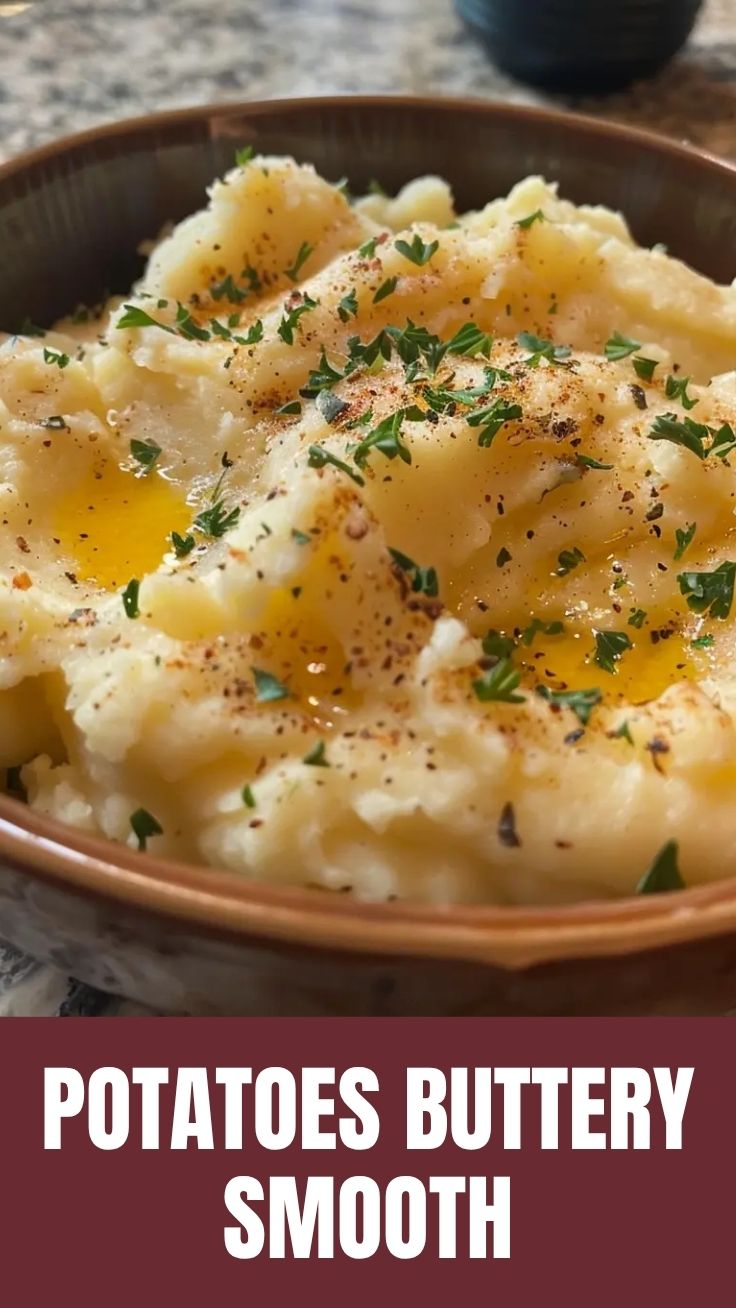
- Prep Time: 15 minutes (peeling and chopping potatoes).
- Cook Time: 20-25 minutes (boiling potatoes).
- Mashing & Finishing: 5-7 minutes.
- Total Time: Approximately 40-47 minutes.
This straightforward schedule means you can whipping up this delightful dish in under an hour, making it perfect for both weeknight dinners and special occasions. The most time-consuming part is boiling, so plan accordingly to have your other dishes ready around the same time.
Step-by-Step Instructions
1. Prepare the Potatoes: Peel the potatoes and cut them into evenly sized 1-inch cubes. This ensures they cook uniformly. Rinse the cubed potatoes under cold water to remove excess starch, which helps prevent gumminess.
2. Boil the Potatoes: Place the rinsed potato cubes in a large pot and cover them with cold water by about an inch. Add a generous pinch of salt to the water. Bring to a boil over high heat, then reduce heat and simmer until the potatoes are fork-tender (about 15-20 minutes).
3. Drain Thoroughly: This is a crucial step for achieving fluffy results. Once cooked, drain the potatoes completely in a colander. For an even drier potato, return them to the empty hot pot over low heat for 1-2 minutes, shaking gently to evaporate any remaining moisture.
4. Warm the Dairy: While the potatoes are drying, gently warm the milk (and minced garlic, if using) and butter in a small saucepan over low heat until the butter is melted and the milk is just steaming, not boiling.
5. Mash the Potatoes: Transfer the hot, dry potatoes to a large mixing bowl. Using a potato ricer, food mill, or masher, process the potatoes until they are smooth with no lumps. For the ultimate creamy Mashed Potatoes, a ricer is highly recommended.
6. Incorporate Wet Ingredients: Gradually add the warm milk and butter mixture to the mashed potatoes, mixing gently with a whisk or sturdy spoon until fully incorporated and the desired consistency is reached. Be careful not to overmix, as this can make them gluey.
7. Season and Serve: Stir in salt and pepper to taste. If using, fold in cream cheese or sour cream for an extra creamy texture. Serve immediately and enjoy your perfect mashed potato recipe!
Nutritional Benefits & Advantages
Potatoes, often unfairly maligned, are a surprisingly nutrient-dense vegetable. They are an excellent source of Vitamin C, Potassium, and Vitamin B6. When prepared properly, like in this recipe, they offer complex carbohydrates for sustained energy and dietary fiber, especially if you opt to leave some skin on for a rustic mash. The added dairy provides calcium and Vitamin D, making this a wholesome and comforting side dish that fuels your body and soul.
Tips, Variations & Cooking Advice
- Garlic & Herb Infusion: Add fresh rosemary, thyme, or chives along with the garlic to the warming milk for an aromatic twist.
- Cheesy Delight: Stir in grated Parmesan, Gruyere, or sharp cheddar cheese at the end for cheesy mashed potatoes.
- Vegan/Dairy-Free: Substitute whole milk with unsweetened almond or oat milk and butter with a plant-based butter alternative. Nutritional yeast can add a cheesy flavor.
- Roasted Garlic: Roast a head of garlic until soft, then squeeze the cloves into the potatoes for a deep, mellow garlic flavor.
- Avoid Overmixing: This is key! Overmixing develops the starch too much, leading to a gummy texture. Mash and mix just until smooth and combined.
Common Mistakes to Avoid
- Using the Wrong Potato Type: Waxy potatoes (like red or new potatoes) have less starch and won’t give you that fluffy texture. Stick to Russets or Yukon Golds.
- Starting in Hot Water: Always start potatoes in cold water. This allows them to cook more evenly from the outside in.
- Not Draining & Drying Properly: Excess water leads to watery, bland mash. Drain thoroughly and consider briefly drying them on the stovetop.
- Using Cold Dairy: Cold milk and butter will cool down your potatoes and make them harder to incorporate smoothly. Warm them gently beforehand.
- Overmixing: As mentioned, this is the enemy of creamy mashed potatoes. Mash just until smooth.
Storage & Meal Prep Tips
Leftover mashed potatoes can be stored in an airtight container in the refrigerator for up to 3-4 days. To reheat, gently warm them on the stovetop over low heat with a splash of milk or cream, stirring occasionally, until heated through. You can also microwave them in short bursts, stirring between each, adding a little liquid if they seem dry. Freezing mashed potatoes is possible, but they may become slightly grainier upon thawing. For best results when freezing, use a very creamy recipe and thaw overnight in the fridge before reheating gently.
Conclusion
Mastering the art of perfect Mashed Potatoes is a culinary triumph that will enhance countless meals. By following these detailed steps and paying attention to a few critical techniques, you can banish sad, lumpy spuds forever and consistently create a side dish that is incredibly smooth, rich, and utterly delicious. This comprehensive mashed potato recipe ensures success every time, turning a humble ingredient into a star. Don’t hesitate to experiment with the variations and make this recipe truly your own. Give it a try, share your results in the comments below, and let us know your favorite ways to enjoy this classic comfort food!
FAQs
Q1: Can I make mashed potatoes ahead of time?
A1: Yes, you can prepare them a few hours in advance and keep them warm in a slow cooker on the “warm” setting with a splash of milk, or reheat gently on the stovetop.
Q2: My mashed potatoes turned out gummy. What went wrong?
A2: Gummy potatoes are usually a result of overmixing. Overworking the starch in the potatoes releases too much, leading to a gluey texture. Handle them gently and mash just until smooth.
Q3: What’s the best way to get truly lump-free mashed potatoes?
A3: Using a potato ricer or a food mill is the best way to achieve a perfectly smooth, lump-free texture. A traditional masher can work, but a ricer is superior for smoothness.
Q4: Can I add herbs other than garlic?
A4: Absolutely! Fresh chives, parsley, rosemary, or thyme are excellent additions. Stir them in at the very end for fresh flavor.
Q5: What if I don’t have whole milk?
A5: You can use 2% milk, but whole milk or even half-and-half will yield a creamier, richer result. For a splurge, heavy cream works wonderfully.
Best way to grow Incredible Mashed Potatoes
Ingredients
Equipment
Method
- Peel and cut the potatoes into 1-inch chunks for even cooking.
- Place the potato chunks in a large pot and cover with cold water by about an inch. Add a generous pinch of salt.
- Bring the water to a boil, then reduce heat and simmer until the potatoes are very tender, about 15-20 minutes.
- Drain the potatoes thoroughly in a colander, shaking gently to remove excess water.
- Return the hot, drained potatoes to the empty pot or a large bowl. Add the butter and milk.
- Mash the potatoes with a potato masher or a large fork until smooth, incorporating the butter and milk.
- Season generously with salt and pepper, adding more if needed, and serve immediately.