How to Make Zucchini Noodles That Actually Taste Good (And Save You Hundreds of Calories)
Are you tired of bland, watery vegetable noodles that leave you craving real pasta? You’re not alone. The secret to transforming humble zucchini into a satisfying, crave-worthy meal lies in mastering a few simple techniques. Learning how to prepare low calorie zucchini noodle recipes at home not only saves you money on expensive spiralized products but also gives you complete control over texture and flavor. Whether you’re cutting carbs, counting calories, or simply looking for a lighter alternative, this guide will walk you through everything you need to know—from choosing the right tools to avoiding the soggy-noodle trap. Let’s turn that humble zucchini into a star player in your kitchen.
Ingredients & Kitchen Tools
For the Zucchini Noodles
– 2–3 medium zucchini (firm, dark green, and blemish-free for best texture)
– 1 teaspoon salt (draws out excess moisture for al dente results)
– 1 tablespoon olive oil (or avocado oil for higher smoke point)
– 2 cloves garlic (minced; or ½ teaspoon garlic powder)
– Salt and black pepper (to taste)
Optional Seasonings & Toppings
– ¼ cup fresh basil or parsley (chopped)
– 2 tablespoons grated Parmesan (or nutritional yeast for dairy-free)
– Red pepper flakes (for heat)
Kitchen Tools Needed
– Spiralizer (handheld or countertop; julienne peeler works too)
– Large skillet (nonstick or stainless steel)
– Colander (for draining salted zucchini)
– Clean kitchen towel or paper towels (to dry noodles)
– Tongs (for tossing without breaking noodles)
Substitution Tip: No spiralizer? Use a vegetable peeler to create wide ribbons. No fresh zucchini? Frozen spiraled zucchini works but must be thawed and pressed dry thoroughly.
Prep Time & Cooking Schedule
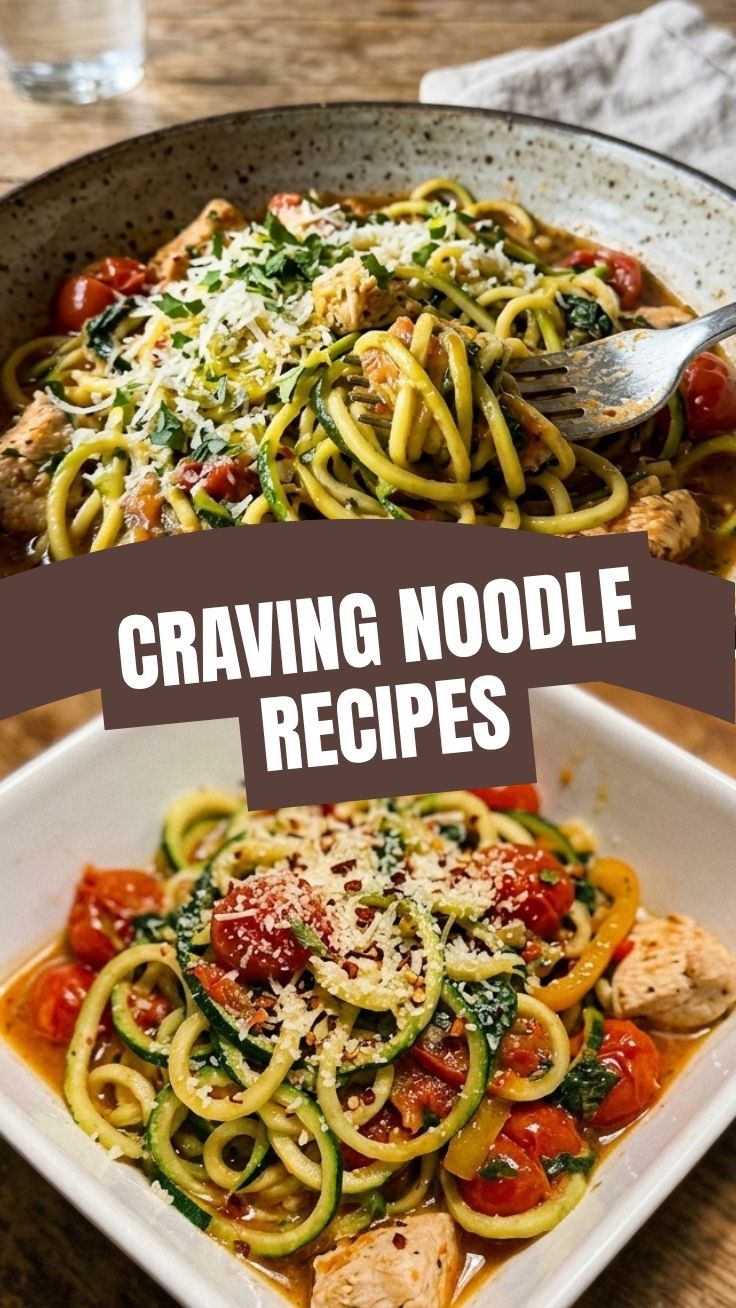
– Prep Time: 15 minutes (including salting and drying)
– Cook Time: 3–5 minutes (quick sauté only)
– Total Time: 20 minutes
– Resting Time: 10 minutes (after salting, to release moisture)
Planning Note: Salting the zucchini noodles immediately after spiralizing and letting them rest while you prep other ingredients saves time. Cook only when ready to serve—zucchini noodles do not hold well for long periods.
Step-by-Step Instructions
1. Spiralize the zucchini: Trim ends, attach to spiralizer, and create long noodles. Aim for uniform thickness (about ¼-inch strands work best). If using a julienne peeler, create ribbons and cut into thin strips.
2. Salt and drain: Place noodles in a colander over a bowl. Sprinkle with 1 teaspoon salt, toss gently, and let rest for 10 minutes. This critical step removes excess water, preventing that dreaded soggy texture.
3. Press dry: After resting, transfer noodles to a clean kitchen towel and press firmly to absorb released moisture. You can also use paper towels. The drier they are, the better they’ll sauté—this is a foundational tip in low calorie zucchini noodle recipes because it preserves the al dente bite.
4. Quick sauté: Heat olive oil in a large skillet over medium-high heat. Add garlic and cook 30 seconds until fragrant. Add zucchini noodles and toss with tongs for 2–3 minutes only. Cook just until heated through and slightly tender but still firm.
5. Season and serve: Remove from heat immediately. Season with salt, pepper, and any desired toppings. Serve right away. For a satisfying meal, consider using zucchini noodles as a zucchini noodle pasta substitute in your favorite marinara or pesto recipes—they absorb sauce beautifully without becoming gluey.
Pro Tip: Do not overcrowd the skillet. Cook in batches if needed to ensure noodles sear rather than steam.
Nutritional Benefits & Advantages
Zucchini noodles offer remarkable nutritional advantages compared to traditional wheat pasta:
– 25 calories per cup vs. 220 calories per cup of cooked spaghetti
– Rich in vitamins: High in vitamin C (immune support) and vitamin A (eye health)
– Antioxidant power: Contains lutein and zeaxanthin, beneficial for skin and vision
– Hydration support: Over 90% water content helps maintain fullness
– Diet-friendly: Naturally gluten-free, keto-friendly, paleo-approved
Using low calorie zucchini noodle recipes as a base allows you to enjoy generous portions of your favorite sauces and proteins while dramatically reducing overall calorie load.
Tips Variations & Cooking Advice
Flavor Variations
– Asian-style: Toss with soy sauce, sesame oil, and toasted sesame seeds
– Mediterranean: Add cherry tomatoes, olives, and feta cheese
– Creamy: Stir in a tablespoon of cream cheese or cashew cream
Cooking Method Swaps
– Raw: Toss with dressing for a crunchy salad (skip the cooking step)
– Baked: Spread on baking sheet at 400°F for 8–10 minutes for “roasted noodles”
– Microwave: Quickest option; place in bowl with lid, cook 2 minutes, then drain
Dietary Adaptations
– Dairy-free: Use nutritional yeast instead of Parmesan
– Low-FODMAP: Stick to the green part only and limit portion to 1 cup
– High-protein: Add grilled chicken, shrimp, or tofu directly to the noodles
Common Mistakes to Avoid
1. Overcooking: More than 5 minutes of heat turns noodles into mush. The residual heat will continue cooking them even after removed from the pan.
2. Skipping the salting step: This is the number one reason for watery, unappetizing noodles. Always salt and press dry.
3. Using overly large zucchini: Giant zucchini have more seeds and watery flesh. Choose medium-sized, firm specimens.
4. Adding sauce too early: Sauce should be ready to go when noodles are done. Toss together in the pan for 30 seconds, then serve immediately.
5. Not patting dry after rinsing: If you rinse off the salt, pat dry again. Any remaining moisture will steam your noodles.
Storage & Meal Prep Tips
Refrigeration: Store cooked zucchini noodles in an airtight container for up to 2 days. Expect them to lose some texture. Do not freeze–they become waterlogged upon thawing.
Best reheating method: Sauté briefly in a dry skillet over medium-high heat for 1 minute to revive texture. Alternatively, microwave for 45 seconds and drain any released liquid.
Meal prep hack: Spiralize and salt raw zucchini, then store in a sealed container with a paper towel. Cook only the portion you need each day. This lets you have fresh noodles ready for low calorie zucchini noodle recipes throughout the week without the time crunch.
Conclusion
Mastering the art of zucchini noodles transforms a simple vegetable into a versatile, satisfying foundation for countless meals. By following these techniques—especially the crucial salting and quick sauté method—you can enjoy the texture and flavor you crave while keeping calories in check. Whether you’re exploring low calorie zucchini noodle recipes for weight management or seeking a smart zucchini noodle pasta substitute to accommodate dietary needs, these tips will deliver consistent, delicious results every time. Try this recipe tonight, and discover how easy and rewarding healthy cooking can be. Share your creations in the comments below, and don’t forget to tag us in your photos—we’d love to see how you make it your own.
FAQs
Q: Can I use a regular vegetable peeler instead of a spiralizer?
A: Absolutely. Peel long, wide ribbons, then stack and slice them thinly into fettuccine-style strips. The texture will be slightly different but equally delicious.
Q: Why are my zucchini noodles turning brown?
A: Oxidation occurs when cut zucchini is exposed to air. Toss with a little lemon juice immediately after spiralizing to slow this process, or cook within 30 minutes.
Q: How do I prevent the noodles from sticking together in the pan?
A: Make sure they are thoroughly dried after salting, use enough oil (about 1 tablespoon per 2 medium zucchini), and toss constantly with tongs during cooking.
Q: Can I make these ahead of time for a party?
A: It’s best to cook them just before serving. For parties, prepare the salted, dried noodles and have sauce ready. Cook in batches as guests arrive to maintain optimal texture.
Q: What’s the best sauce pairing for zucchini noodles?
A: Lighter sauces work best—pesto, garlic and oil, marinara, or a simple lemon-butter sauce. Heavy cream sauces can weigh down the noodles. Remember that zucchini releases some liquid, so slightly thicker sauces hold up better.
Quick way to grow 10 low calorie zucchini noodle recipes
Ingredients
Equipment
Method
- Wash and trim the ends of the zucchini, then use a spiralizer to create noodles.
- Heat olive oil in a large pan over medium heat; add minced garlic and cook until fragrant (about 1 minute).
- Stir in diced tomatoes, season with salt and pepper, and cook for 3-5 minutes until slightly softened.
- Add zucchini noodles to the pan and toss with the sauce; cook for 2-3 minutes until al dente.
- Garnish with fresh basil and serve immediately.