Why This Garlicky Salmon Will Become Your Weeknight Hero
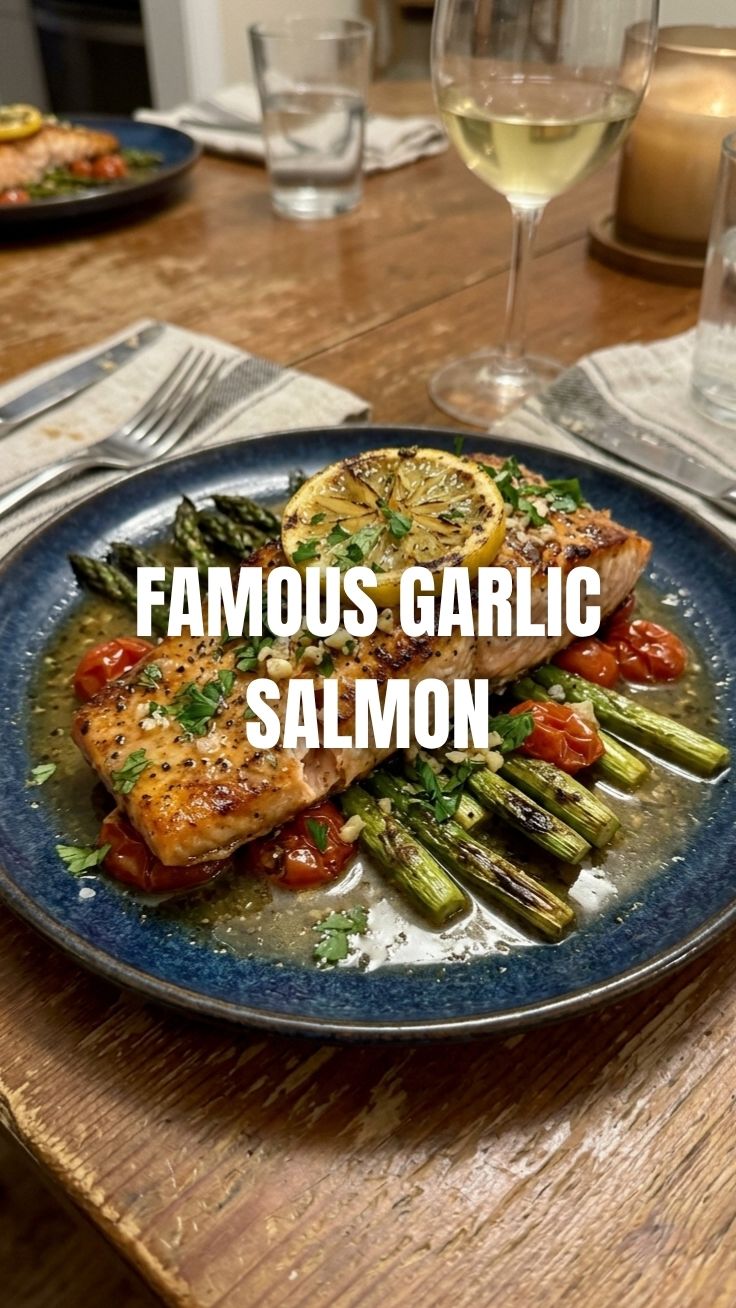
Have you ever stared at a piece of raw salmon and wondered how to turn it into something extraordinary without spending an hour in the kitchen? That’s exactly why mastering a simple yet flavorful dish like Lemon Garlic Salmon is a game-changer. When you prepare this at home, you control the quality of ingredients, avoid unnecessary additives, and save money compared to restaurant versions. The magic lies in the balance: bright citrus cuts through the richness of the fish while garlic adds savory depth. And if you’re looking to expand your repertoire, exploring more Salmon recipes can help you discover new techniques and flavor combinations. Ready to create a restaurant-quality meal in under 30 minutes? Let’s dive in.
—
Ingredients & Kitchen Tools
For the dish:
– 4 salmon fillets (6 oz each) – Skin-on or skinless; skin helps keep the flesh moist
– 3 tablespoons olive oil – Extra virgin for flavor, or avocado oil for a neutral taste
– 4 cloves garlic, minced – Fresh is essential; jarred garlic lacks pungency
– 2 tablespoons fresh lemon juice – Bottled lemon juice contains preservatives that alter taste
– 1 teaspoon lemon zest – Adds bright, aromatic notes without acidity
– ½ teaspoon salt – Sea salt or kosher preferred for even seasoning
– ¼ teaspoon black pepper – Freshly ground
– 2 tablespoons unsalted butter – Cut into small pieces for melting
– 2 tablespoons fresh parsley, chopped – Optional but adds color and freshness
Substitutions:
– Dairy-free: Use vegan butter or omit and increase olive oil to 4 tablespoons
– Gluten-free: Already gluten-free; ensure any side dishes (e.g., pasta) are GF
– Low-fat: Replace butter with additional olive oil or skip for a lighter version
Tools:
– Cast-iron skillet or oven-safe sauté pan (for oven method)
– Small mixing bowl
– Microplane or zester
– Fish spatula or thin metal spatula
– Instant-read thermometer (helpful but not mandatory)
– Aluminum foil or parchment paper (if baking)
—
Prep Time & Cooking Schedule
Total time: 20 minutes
Prep time: 10 minutes (zesting, juicing, mincing garlic, patting salmon dry)
Cook time: 10 minutes for pan-seared method (4–5 minutes per side)
Resting time: 2 minutes after cooking (allows juices to redistribute)
Plan this dish when you can focus on the stovetop for about 10 minutes. The active cooking window is short, so have all ingredients prepped and near the stove before turning on the heat. If using an oven method, preheat to 400°F (200°C) before starting prep.
—
Step-by-Step Instructions
1. Pat salmon dry with paper towels. Moisture is the enemy of a beautiful sear. Season both sides with salt and pepper.
2. In a small bowl, whisk together olive oil, minced garlic, lemon juice, and lemon zest. Set aside about 1 tablespoon for basting later.
3. Heat a cast-iron skillet over medium-high heat until it’s hot enough that a drop of water sizzles on contact. Add the remaining olive oil mixture and swirl.
4. Place salmon fillets skin-side down (if using skin) in the hot pan. Press gently with a spatula for 10 seconds to ensure even contact. Cook without moving for 4 minutes.
5. Flip the salmon using a fish spatula. The skin should be golden and crisp. Reduce heat to medium. Pour the reserved oil-garlic mixture over the fillets.
6. Add butter pieces to the pan. As they melt, tilt the pan slightly and spoon the sizzling butter over the salmon for 1–2 minutes. This basting technique creates a buttery, garlicky crust.
7. Check doneness: The internal temperature should reach 125°F (52°C) for medium (flaky but tender) or 130°F (54°C) for well-done. The flesh should separate easily with a fork. Overcooking turns it dry—remove from heat 5 degrees early as carryover cooking continues.
8. Sprinkle with parsley and a squeeze of fresh lemon before serving.
> Tip on temperature control: If the garlic starts to brown too quickly, it will turn bitter. Keep heat moderate and add fresh garlic halfway through cooking if you’re using high heat. This Lemon Garlic Salmon method locks in moisture while developing deep flavor. For more inspiration, check out other Salmon recipes that use different cooking techniques and marinades.
—
Nutritional Benefits & Advantages
Salmon is a powerhouse of omega-3 fatty acids (EPA and DHA), which support heart health, reduce inflammation, and improve brain function. A 6-ounce fillet provides about 40 grams of protein with only 300–350 calories. The lemon and garlic boost antioxidant intake—allicin from garlic may help lower blood pressure, and vitamin C from lemon aids iron absorption. This dish is naturally low in carbohydrates and fits ketogenic, paleo, and Mediterranean diets. Using olive oil instead of heavy creams keeps saturated fat in check while delivering monounsaturated fats.
—
Tips Variations & Cooking Advice
– Flavor variations: Add ½ teaspoon smoked paprika or red pepper flakes for heat. Substitute lime for lemon, or swap parsley with fresh dill or basil. A tablespoon of capers adds briny pops.
– Cooking method variations: Bake at 400°F for 12–15 minutes on a lined baking sheet; broil for 6–8 minutes (watch closely); or grill over medium heat for 5 minutes per side in a foil packet.
– Ingredient swaps: Use salmon fillets from frozen (thaw overnight in fridge) or substitute with trout or arctic char. For a dairy-free version, use coconut oil instead of butter.
– Portion changes: For a crowd, double the recipe and cook in batches to avoid crowding the pan. Thinner fillets cook faster—adjust timing.
—
Common Mistakes to Avoid
1. Overcooking: The #1 mistake. Salmon continues cooking after removal. Use an instant-read thermometer and pull it at 125°F for medium.
2. Not patting dry: Excess moisture creates steam, preventing a golden crust. Blot thoroughly.
3. Cooking cold salmon: Let fillets rest at room temperature for 10 minutes before cooking for even heat distribution.
4. Skipping the resting step: Cutting immediately lets juices run out. Rest 2 minutes on a warm plate.
5. Burning the garlic: If garlic browns too fast, fish won’t be fully cooked. Add garlic halfway through or cook on medium heat.
—
Storage & Meal Prep Tips
– Refrigerate leftovers in an airtight container for up to 3 days. The texture degrades after 2 days, so eat soon.
– Freezing: Cooked salmon freezes well for up to 2 months. Wrap tightly in plastic wrap then foil to prevent freezer burn. Thaw overnight in the fridge.
– Reheating: Best in a low oven (275°F) for 10 minutes to avoid drying. Or flake cold salmon into salads, pasta, or wraps. Microwave on 50% power in 30-second bursts, but expect some moisture loss.
– Meal prep: Cook salmon fillets without butter and store separately. Reheat and add fresh butter at serving. The garlic-lemon oil can be made ahead and kept in the fridge for up to a week.
—
Conclusion
This quick skillet method proves you don’t need complicated techniques or exotic ingredients to enjoy a restaurant-quality dinner at home. The key is freshness—lemon zest brings fragrance, garlic delivers punch, and high heat creates a perfectly seared exterior while keeping the inside moist and flaky. Whether you’re a seasoned cook or a beginner, this Lemon Garlic Salmon will become a staple you’ll turn to again and again. And once you’ve mastered it, don’t stop there—explore more Salmon recipes to keep your weeknight dinners exciting. Give it a try tonight and let me know how it turns out in the comments below!
—
FAQs
Q: Can I use frozen salmon for this recipe?
Yes, but thaw it completely in the refrigerator overnight for best results. Cooking from frozen leads to uneven doneness and excess water in the pan.
Q: What if I don’t have a cast-iron skillet?
Any heavy-bottomed oven-safe pan works—stainless steel or nonstick. Just be careful with nonstick at high heat; use medium instead of medium-high.
Q: How do I prevent the garlic from burning?
Add the garlic to the pan after the salmon has cooked for 2 minutes on the first side, or cook on medium heat throughout. You can also add it with the butter toward the end.
Q: Can I make this dairy-free?
Absolutely. Skip the butter and use an extra tablespoon of olive oil. For richness, add a splash of coconut milk or a spoonful of tahini.
Q: How do I know the salmon is done without a thermometer?
Insert a fork into the thickest part and gently twist. The flesh should flake easily but still look slightly translucent in the center. If it’s completely opaque and dry, it’s overcooked.
Best way to grow Lemon Garlic Salmon
Ingredients
Equipment
Method
- Preheat your oven to 400°F (200°C) and line a baking sheet with parchment paper.
- Pat the salmon fillets dry with a paper towel and season them with salt and pepper.
- In a small bowl, whisk together olive oil, minced garlic, and the juice of half a lemon.
- Place the seasoned salmon fillets on the prepared baking sheet and pour the lemon garlic mixture over each fillet.
- Slice the remaining lemon half into thin rounds and place a slice or two on top of each salmon fillet.
- Bake for 12-15 minutes, or until the salmon is cooked through and flakes easily with a fork.
- Garnish with fresh parsley before serving.