Beat the Heat with Protein: Your Ultimate Summer Orzo Salad
Are you tired of heavy meals that leave you sluggish during the hot summer months? What if you could enjoy a vibrant, satisfying dish that actually fuels your body without weighing you down? This is precisely why preparing a cold orzo salad packed with plant-based protein at home is a game-changer. By taking control of your ingredients, you ensure every bite is fresh, nutrient-dense, and perfectly tailored to your taste. These high protein plant based summer recipes are designed to keep you energized and cool, while these high protein vegan summer recipes prove that eating for performance and pleasure can go hand in hand—even when the mercury rises.
Ingredients & Kitchen Tools
For the Salad:
– 1 cup dry orzo pasta – A small, rice-shaped pasta that absorbs dressing beautifully. Substitute with gluten-free orzo or quinoa for a gluten-free option.
– 1 can (15 oz) chickpeas, drained and rinsed – Provides 12g of plant protein per cup and a creamy texture.
– 1 cup shelled edamame, cooked – A complete protein source with all nine essential amino acids.
– 1 large cucumber, diced – Adds crunch and hydration.
– 1 cup cherry tomatoes, halved – Bursting with lycopene and summer sweetness.
– ½ cup red onion, finely diced – Soak in cold water for 10 minutes to mellow the bite.
– ¼ cup fresh basil, chopped – For aromatic freshness.
For the Lemon-Herb Dressing:
– ¼ cup extra virgin olive oil
– 3 tablespoons fresh lemon juice – About one large lemon.
– 1 tablespoon Dijon mustard – Acts as an emulsifier.
– 2 cloves garlic, minced
– Salt and black pepper to taste
Kitchen Tools:
– Large pot for boiling pasta
– Colander
– Sharp knife and cutting board
– Large mixing bowl
– Small jar or bowl for dressing
– Measuring cups and spoons
Prep Time & Cooking Schedule
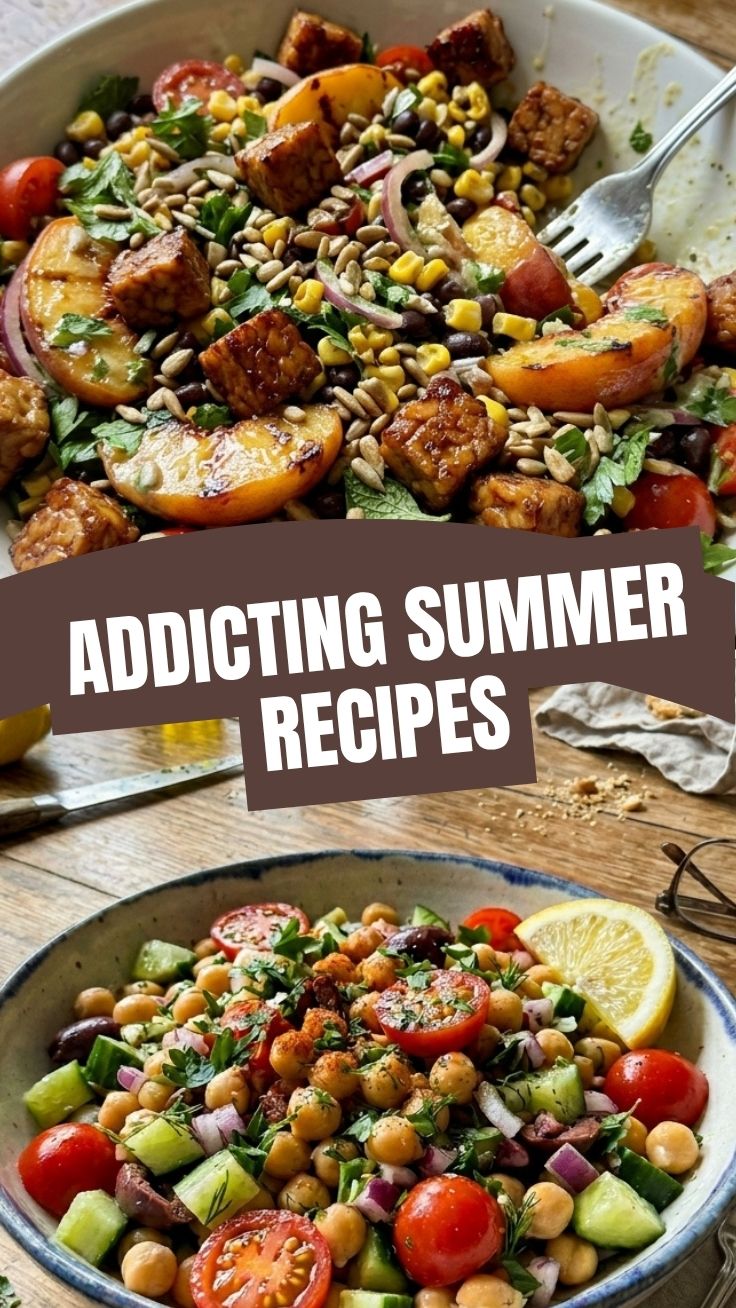
Total Time: 30 minutes
– Prep Time: 15 minutes
– Cook Time: 8–10 minutes
– Resting Time: 5 minutes (for flavors to meld)
This recipe is perfect for meal prep on a Sunday afternoon. The entire process is straightforward—boil pasta, chop vegetables, whisk dressing, and combine. The salad actually improves after an hour in the refrigerator as the orzo absorbs the tangy dressing, making it an ideal make-ahead lunch for busy weekdays.
Step-by-Step Instructions
1. Cook the orzo: Bring a large pot of salted water to a rolling boil. Add the orzo and cook according to package directions until al dente (typically 8–9 minutes). Stir occasionally to prevent sticking. Drain in a colander and rinse briefly with cool water to stop the cooking process and cool it down for the salad.
2. Prepare the dressing: In a small bowl or jar, whisk together the olive oil, lemon juice, Dijon mustard, minced garlic, ½ teaspoon salt, and ¼ teaspoon black pepper. Taste and adjust seasoning—the dressing should be bright and slightly tangy.
3. Combine the ingredients: In a large mixing bowl, add the cooled orzo, chickpeas, edamame, cucumber, cherry tomatoes, red onion, and fresh basil. Pour the dressing over the top and toss gently until everything is well coated. These high protein plant based summer recipes truly shine when you let the flavors marry, so don’t skip the resting step.
4. Rest and serve: Let the salad sit at room temperature for 5 minutes for the flavors to meld. Garnish with extra basil or a sprinkle of hemp seeds for added protein. Enjoy chilled or at room temperature—it’s equally delicious both ways. For even more culinary inspiration, explore how high protein vegan summer recipes can transform your seasonal cooking with bold, fresh ingredients.
Nutritional Benefits & Advantages
This dish is a powerhouse of plant-based nutrition. Each serving provides approximately 22 grams of protein thanks to the trio of chickpeas, edamame, and orzo. Edamame is particularly remarkable because it’s a complete protein, meaning it contains all essential amino acids your body needs. The cherry tomatoes deliver lycopene—a potent antioxidant linked to heart health and sun protection. Cucumber and lemon juice offer hydration and vitamin C, while olive oil provides healthy monounsaturated fats that aid nutrient absorption. This salad is naturally cholesterol-free, low in saturated fat, and rich in dietary fiber (about 8 grams per serving), supporting digestive health and sustained energy levels.
Tips Variations & Cooking Advice
Flavor Variations:
– Swap basil for mint or parsley for a different herbaceous note.
– Add ¼ cup crumbled vegan feta or nutritional yeast for a cheesy flavor.
– Toss in 2 tablespoons of capers or Kalamata olives for a briny boost.
Ingredient Swaps:
– Use quinoa, couscous, or farro instead of orzo for different textures.
– Replace edamame with cubed extra-firm tofu (pan-seared for crispiness) or tempeh.
– Add grilled zucchini, bell peppers, or corn for extra summer vegetables.
Dietary Adaptations:
– For gluten-free: Use certified gluten-free orzo or quinoa.
– For nut-free: This recipe is naturally nut-free; just avoid adding pine nuts unless desired.
– For oil-free: Replace olive oil with a mashed avocado or tahini-based dressing.
Cooking Methods:
– Roast the chickpeas at 400°F for 20 minutes for a crunchy texture.
– Grill the vegetables for a smoky flavor before adding to the salad.
Common Mistakes to Avoid
Overcooking the orzo: Mushy orzo ruins the texture. Cook it al dente and rinse with cold water immediately to stop the cooking process. Solution: Set a timer and taste a piece 1 minute before the package suggests.
Skipping the salt in the pasta water: Unsalted orzo leads to a bland salad. Solution: Add 1 tablespoon of salt per 4 cups of water—it’s the only chance to season the pasta from within.
Dressing too far in advance: If you dress the salad hours before serving, the vegetables release water and dilute the flavor. Solution: Add the dressing just before serving or store it separately and toss before eating.
Uneven chopping: Large chunks of cucumber or onion overwhelm the orzo. Solution: Dice all vegetables to a uniform ½-inch size for perfect bites.
Storage & Meal Prep Tips
Refrigeration: Store the salad in an airtight container for up to 4 days. The orzo will absorb some dressing over time, making it slightly softer but still delicious. To revive, add a splash of lemon juice or olive oil before serving.
Freezing: This salad is not recommended for freezing due to the watery vegetables and pasta texture changes. However, you can freeze the cooked and cooled orzo separately for up to 3 months, then combine with fresh vegetables and dressing when ready.
Reheating: This salad is served cold or at room temperature, so no reheating is needed. If you prefer a warm version, gently microwave individual portions for 30–45 seconds, but note that the cucumber will become soft.
Meal Prep Strategy: Batch cook the orzo and chop all vegetables on Sunday. Store each component separately in airtight containers. When ready to eat, simply combine portions and dress fresh. This keeps everything crisp for 5–6 days.
Conclusion
This high-protein summer orzo salad proves that eating plant-based in warm weather doesn’t have to be boring or complicated. With a perfect balance of protein-rich legumes, fresh vegetables, and a zesty lemon herb dressing, it satisfies hunger without overheating your kitchen—or your body. Whether you’re looking to diversify your high protein plant based summer recipes rotation or seeking new high protein vegan summer recipes for your weekly meal prep, this dish delivers on taste, nutrition, and convenience. I encourage you to try this recipe this week, experiment with the variations, and share your results with friends. For more seasonal inspiration, explore other vibrant and nourishing meal options on our site.
FAQs
Can I use a different pasta shape instead of orzo?
Absolutely. Small shapes like ditalini, stelline, or even small shells work well. For a gluten-free option, use quinoa or brown rice pasta. Adjust cooking times according to package directions.
How can I add more protein to this salad?
You can increase the edamame to 1½ cups, add ½ cup roasted chickpeas, or include 4 ounces of baked tofu or tempeh cubes. Hemp seeds or pumpkin seeds also add 5–6 grams of protein per tablespoon.
What if I don’t have fresh basil?
Dried basil works, but use only 1 tablespoon. Alternatively, use fresh mint, parsley, or dill for a different but equally delicious flavor profile.
Why did my salad become watery on day two?
Cucumbers and tomatoes release moisture over time. To prevent this, remove the seeds from the cucumber before dicing, and always pat vegetables dry after washing. You can also store the dressing separately and toss right before serving.
Can I make this oil-free?
Yes. Replace the olive oil with mashed avocado or a blended silken tofu dressing. The salad will be creamier and still high in protein, though the texture will be slightly different.
Quick way to grow high protein plant based summer recipes
Ingredients
Equipment
Method
- Fill your small pots or seed trays with seed starter soil, leaving about an inch of space from the top.
- Plant your chosen high-protein plant seeds according to package directions, typically a few seeds per pot or section.
- Gently water the soil until it is moist but not waterlogged.
- Place your pots or trays in a sunny location, ensuring they receive at least 6 hours of direct sunlight daily.
- Keep the soil consistently moist by watering regularly, especially during warmer summer months.
- Harvest your plant-based protein sources as they mature, following specific guidelines for each type of plant or when they reach a desired size for consumption.