Beat the Heat with These Fresh and Flavorful Healthy Summer Dinner Recipes
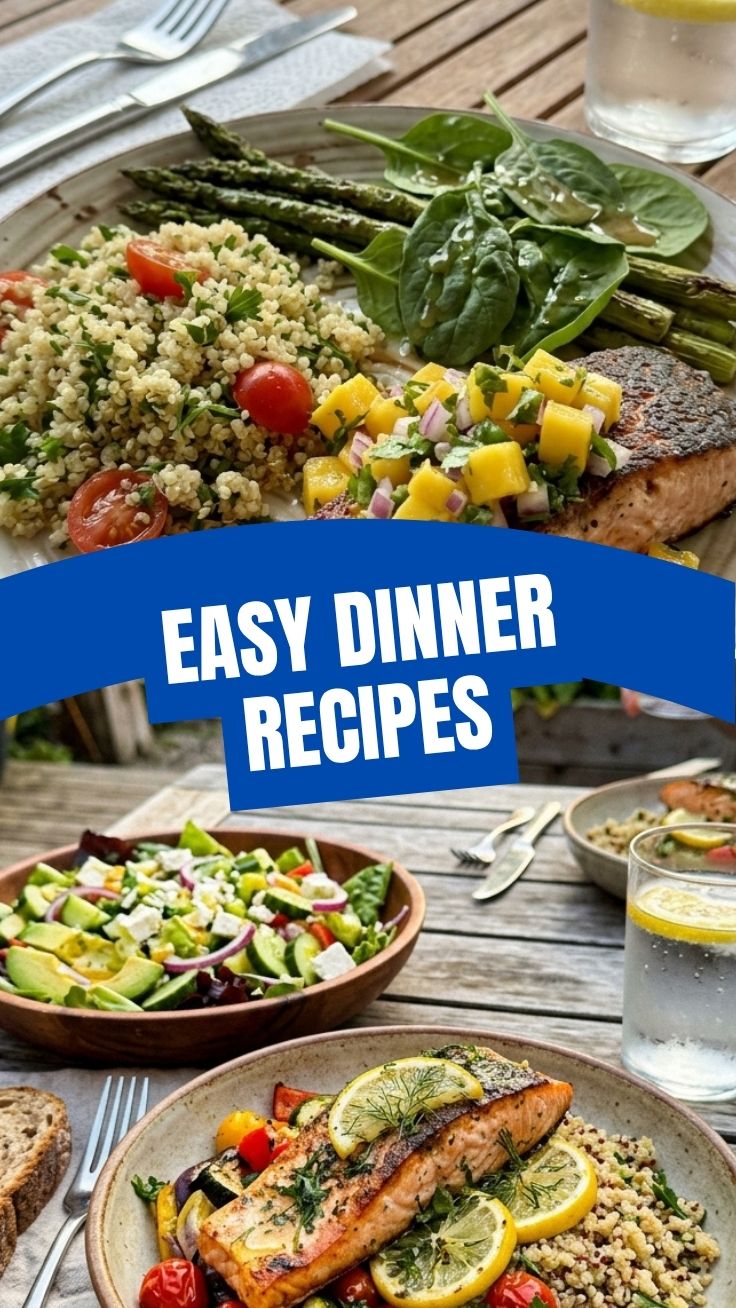
Are you tired of standing over a hot stove when the temperature climbs, wondering what to cook that won’t weigh you down? Everyone deserves a meal that feels light, refreshing, and satisfying—without sacrificing flavor. That’s exactly why preparing these healthy summer dinner recipes at home is a game-changer. You control every ingredient, ensuring freshness and avoiding hidden preservatives. Whether you’re feeding a family or meal-prepping for yourself, these easy healthy summer dinner ideas will keep your kitchen cool and your taste buds happy. Let’s dive into a dish that celebrates seasonal produce and effortless cooking.
—
Ingredients & Kitchen Tools
Ingredients
– 2 medium zucchinis – Dice into ½-inch cubes; no need to peel if fresh.
– 1 large eggplant – Cut into similar-sized pieces for even cooking.
– 2 ripe tomatoes – Roughly chopped; Roma or heirloom work best.
– 1 red bell pepper – Seeds removed, sliced into strips.
– 1 yellow onion – Thinly sliced; sweet onions add a milder flavor.
– 3 garlic cloves – Minced fresh for intense aroma.
– 3 tablespoons olive oil – Extra virgin for richness; avocado oil works too.
– 1 teaspoon dried oregano – Or 2 teaspoons fresh, if available.
– ½ teaspoon smoked paprika – Adds a subtle, earthy heat.
– Salt and black pepper – To taste; sea salt preferred.
– Fresh basil leaves – For garnish; about ¼ cup chopped.
Optional Substitutions
– Zucchini → Yellow squash (swap 1:1).
– Eggplant → Portobello mushrooms (sliced thick, for a meatier texture).
– Tomatoes → 1 can (14 oz) diced tomatoes, drained if water-packed.
Kitchen Tools
– Large skillet or sauté pan – Nonstick or cast-iron preferred.
– Cutting board and chef’s knife – A sharp blade ensures precise cuts.
– Wooden spoon or spatula – For stirring without scratching pans.
– Measuring spoons – For accurate seasoning.
– Serving bowl – Wide and shallow works best.
—
Prep Time & Cooking Schedule
– Prep time: 15 minutes (wash, chop, measure).
– Cook time: 25 minutes (active stovetop time).
– Resting time: 5 minutes (allows flavors to meld after cooking).
Planning tip: Start the rice or quinoa first since it takes 15–20 minutes. While it simmers, chop your vegetables. This staggered timing means everything finishes together, so you’re not rushing at the end.
—
Step-by-Step Instructions
1. Heat the pan. Set your skillet over medium-high heat. Add 1½ tablespoons olive oil and let it shimmer (about 30 seconds).
2. Sauté the aromatics. Add onion and garlic. Cook 2–3 minutes until translucent, stirring frequently. Lower heat if browning too fast.
3. Cook the eggplant. Add eggplant cubes to the pan. Sprinkle with a pinch of salt. Cook 5–6 minutes, stirring occasionally, until softened and lightly golden. Tip: Eggplant absorbs oil quickly—add the remaining oil now if needed.
4. Add peppers and zucchini. Toss in bell pepper strips and zucchini. Stir to combine. Cook 4–5 minutes until vegetables are just tender but still vibrant.
5. Incorporate tomatoes. Add chopped tomatoes, oregano, and smoked paprika. Stir well. Reduce heat to medium-low. Let the mixture simmer uncovered for 8–10 minutes, stirring twice. The tomatoes will break down into a light sauce.
6. Season and rest. Turn off the heat. Season with salt and pepper to taste. Let the ratatouille sit for 5 minutes. This brief rest allows the flavors to deepen naturally.
7. Serve and garnish. Spoon over cooked grains or enjoy as a standalone bowl. Top with fresh basil. Pair with a side salad or crusty bread for a complete meal that fits perfectly within your healthy summer dinner recipes collection. For those seeking more inspiration, check out these easy healthy summer dinner ideas that require minimal effort yet deliver maximum satisfaction.
—
Nutritional Benefits & Advantages
This ratatouille is naturally plant-based, gluten-free, and low in calories—roughly 180 calories per serving (excluding grains). Zucchini and eggplant are rich in fiber and antioxidants like lutein and nasunin, which support skin health and reduce inflammation. Tomatoes provide lycopene, a powerful compound linked to heart health. The olive oil adds healthy monounsaturated fats that aid nutrient absorption. Because it’s packed with vegetables, this dish helps you meet the recommended 5 servings of produce per day without feeling heavy.
—
Tips, Variations & Cooking Advice
– Flavor variations: Add a pinch of chili flakes for heat, or stir in 1 tablespoon balsamic vinegar at the end for tangy depth.
– Protein boost: Toss in chickpeas (drained, rinsed) or cubed firm tofu during the last 5 minutes of cooking.
– Dietary adaptations: This recipe is already vegan and dairy-free. For low-FODMAP, omit garlic and use garlic-infused oil.
– Cooking method swap: Roast all vegetables at 400°F (200°C) on a sheet pan for 20 minutes—less stirring, same delicious result.
– Portion changes: Double the recipe for meal prep; it keeps well in the fridge for up to 4 days.
—
Common Mistakes to Avoid
– Overcrowding the pan: If vegetables are piled too high, they steam instead of sautéing. Work in batches if needed.
– Undercooking eggplant: Undercooked eggplant can taste bitter and spongy. Cook until it’s soft and golden, about 6 minutes after adding.
– Skipping the resting time: Serving immediately from the pan can result in watery, separated flavors. Resting allows the sauce to thicken naturally.
– Adding salt too early: Salt draws moisture out of vegetables early on. Add most of the salt after the tomatoes are in, when you need to balance acidity and sweetness.
—
Storage & Meal Prep Tips
– Refrigeration: Store cooled leftovers in an airtight container for up to 4 days. The flavor actually improves overnight.
– Freezing: Place in freezer-safe containers or bags for up to 3 months. Thaw in the refrigerator overnight before reheating.
– Reheating: Warm in a skillet over medium heat for 5–7 minutes, adding a splash of water if dry. Avoid microwaving as it can make vegetables mushy.
– Meal prep suggestion: Cook a double batch on Sunday. Portion into containers with quinoa or farro for grab-and-go lunches throughout the week.
—
Conclusion
This ratatouille proves that eating well doesn’t require complicated techniques or exotic ingredients. By focusing on fresh, seasonal produce and simple cooking methods, you can create a dish that’s both nourishing and deeply satisfying. Whether you’re adding it to your list of healthy summer dinner recipes or looking for easy healthy summer dinner ideas, this vegetable-forward meal delivers on every front. Try it this week, share your photos, and discover how effortless summer cooking can be. Your taste buds—and your waistline—will thank you.
—
FAQs
1. Can I use canned diced tomatoes instead of fresh?
Yes, absolutely. Drain the liquid slightly to avoid a watery sauce, and reduce the simmering time by 2–3 minutes since canned tomatoes are already softened.
2. What’s the best way to add protein to this dish?
Add cooked chickpeas, lentils, or grilled chicken during the last 5 minutes of cooking. Alternatively, serve alongside grilled salmon or shrimp for a complete meal.
3. Why does my ratatouille turn out watery?
This usually happens when tomatoes are too ripe or you add salt too early. Use firmer tomatoes, and add salt only after the vegetables have cooked for 8 minutes.
4. Can I make this recipe in an Instant Pot or slow cooker?
Yes. For Instant Pot, sauté vegetables using the Sauté function for 5 minutes, then add tomatoes and seasonings. Pressure cook on High for 4 minutes with quick release. For slow cooker, cook on Low for 4–5 hours, but add zucchini and peppers in the last hour to avoid mushiness.
5. How do I store leftovers and reheat without losing texture?
Store in an airtight container in the fridge for up to 4 days. Reheat gently in a skillet over medium heat, stirring occasionally. Avoid the microwave if possible, as it can make zucchini and eggplant too soft.