Here is a comprehensive, SEO-optimized blog post following your exact structure and keyword requirements.
—
Cracking the Code to the Perfect Summer Side: Why Your Salad Needs an Upgrade
Have you ever wondered why the salad at your favorite deli tastes so much better than the one you throw together at home? The secret isn’t a magic ingredient—it’s about technique and balance. Mastering a simple, crisp dish like this healthy cucumber tomato salad unlocks a world of flavor that rivals any restaurant offering. When you prepare it at home, you control the quality of the produce, the acidity of the dressing, and the salt level, ensuring perfect freshness without any hidden preservatives. This isn’t just about chopping vegetables; it’s about crafting a refreshing summer salad that becomes a staple for every backyard barbecue and weeknight dinner.
Ingredients & Kitchen Tools
Produce:
– English Cucumber (1 large): Fewer seeds, thinner skin, and less bitterness than standard cucumbers. No peeling required.
– Cherry Tomatoes (2 cups): Sweeter and more consistent in flavor than larger beefsteak tomatoes. Halve or quarter for best texture.
– Red Onion (½ medium): Adds a sharp, peppery bite. Soaking slices in cold water for 10 minutes reduces intensity.
– Fresh Dill (¼ cup, chopped): The classic herb pairing. Flat-leaf parsley or basil work as substitutes.
Dressing:
– Extra Virgin Olive Oil (3 tbsp): Use a high-quality, peppery oil for the best mouthfeel.
– Red Wine Vinegar (2 tbsp): Balances the oil’s richness. White wine or apple cider vinegar are acceptable swaps.
– Dijon Mustard (1 tsp): Acts as an emulsifier for a clingy dressing.
– Salt & Black Pepper: To taste. Use flaky sea salt for a final burst of flavor.
Kitchen Tools & Utensils:
– Cutting board & sharp chef’s knife
– Large mixing bowl
– Small jar or whisk for dressing
– Measuring spoons
– Colander (for rinsing tomatoes)
Prep Time & Cooking Schedule
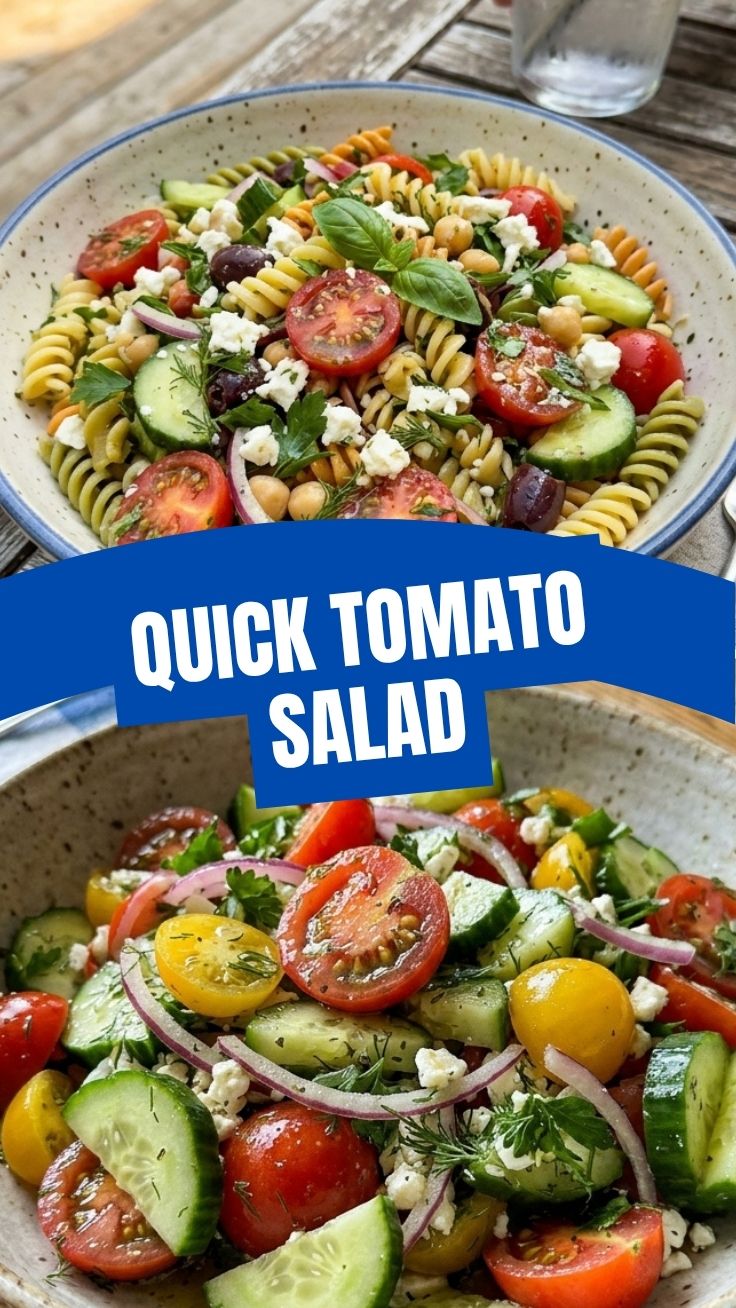
– Total Active Time: 15 minutes
– Resting/Marinating Time: 10–30 minutes (mandatory for best flavor)
While “cooking” isn’t involved, the resting step is non-negotiable. Immediately after mixing, the flavors taste separate and sharp. Allowing the salad to sit at room temperature for at least 15 minutes lets the salt draw moisture from the cucumbers, creating a light, natural brine that marries all the ingredients together. This is the optimal time to set the table or grill the main course.
Step-by-Step Instructions
1. Prep the Cucumber: Trim the ends of the English cucumber. Slice lengthwise in half, then cut into thin half-moons (about ¼-inch thick). Place in your mixing bowl.
2. Prep the Tomatoes & Onion: Halve the cherry tomatoes. Thinly slice the red onion into rings or crescents. Add both to the bowl with the cucumber.
3. Make the Vinaigrette: In a small jar, combine the olive oil, red wine vinegar, Dijon mustard, a pinch of salt, and several grinds of black pepper. Seal the jar and shake vigorously until the oil and vinegar form a creamy, unified mixture. Tip: If you don’t have a jar, whisk aggressively in a small bowl.
4. Toss & Rest: Pour the dressing over the vegetables. Add the chopped dill. Gently toss with a spatula to coat everything evenly. This is the moment you create a truly healthy cucumber tomato salad—check your seasoning now by tasting a single piece of cucumber; it should taste tangy and bright. Let it rest at room temperature for at least 10 minutes. For the ultimate refreshing summer salad experience, refrigerate for 30 minutes.
5. Final Check: Taste again just before serving. The saltiness will have mellowed. Adjust with a second pinch of salt and an extra drizzle of olive oil if needed.
Nutritional Benefits & Advantages
This dish is a powerhouse of hydration. Cucumbers are 96% water, making this salad incredibly low in calories (under 100 calories per serving) while offering significant volume to keep you full. Tomatoes provide a generous dose of Lycopene, a powerful antioxidant linked to heart health and reduced inflammation. The olive oil is crucial here, as dietary fat is required for the body to absorb Lycopene effectively. It is naturally vegan, gluten-free, and low-carb, fitting seamlessly into Keto or Paleo frameworks.
Tips, Variations & Cooking Advice
– Flavor Swaps: Replace dill with fresh mint or basil for a Middle Eastern twist. Add crumbled Feta cheese (omit for dairy-free) or creamy Avocado chunks.
– Ingredient Swap: Bored of red onion? Use thinly sliced shallots or scallions.
– Dietary Adaptation: For a soy-based umami kick without dairy, add 1 tablespoon of toasted sesame seeds and a splash of rice vinegar.
– Portion Change: For a crowd, simply double the recipe. The salad holds up well for 2-3 hours on a buffet table without becoming soggy if you hold the salt until serving.
Common Mistakes to Avoid
– Mistake 1: Using American Slicing Cucumbers. These have thick, waxy skins and large, watery seeds that ruin the texture. Solution: Always use English (hothouse) or Persian cucumbers.
– Mistake 2: Dressing Too Early (without rest). Serving immediately leads to a dry, bland salad. Solution: Always allow that minimum 10-minute marination period.
– Mistake 3: Soggy Salad. Over-salting or letting it rest for over 2 hours without draining. Solution: If preparing ahead, keep the salt and dressing separate; combine just before serving.
Storage & Meal Prep Tips
– Refrigeration: Store leftovers in an airtight container. The salad will keep for up to 2 days, but the texture will soften as the cucumbers continue to release water.
– Freezing: Not recommended. The high water content of the vegetables creates a mushy, unappetizing texture upon thawing.
– Reheating: This is a cold salad, so no reheating is required. To revive a day-old salad, drain any excess liquid that has pooled at the bottom, add a fresh squeeze of lemon juice and a new pinch of salt, and toss well.
Conclusion
This recipe proves that simplicity, when executed with precision, delivers the greatest rewards. By focusing on quality produce, a properly emulsified vinaigrette, and a mandatory resting period, you transform basic ingredients into a staple side dish. This healthy cucumber tomato salad is the ultimate example of how a few minutes of technique can pay off in flavor. It is the definitive refreshing summer salad you will turn to week after week. Try it tonight, share a photo of your creation, and tell us—what’s your secret to a perfect side dish?
FAQs
Q1: Can I use regular cucumbers instead of English?
A: Yes, but you must peel them and scoop out the seeds with a spoon to avoid excess water and bitterness.
Q2: My salad is watery after an hour. What happened?
A: This is natural due to salt drawing out moisture. Either drain the excess liquid before serving or save the liquid as a light, refreshing juice to sip.
Q3: Can I add vinegar other than red wine?
A: Absolutely. White balsamic, champagne, or sherry vinegar work wonderfully. Avoid dark balsamic as its sweetness can overwhelm the dish.
Q4: Do I need to deseed the tomatoes?
A: Not for cherry tomatoes. If using larger Roma or vine-ripened tomatoes, remove the seeds and jelly-like pulp to prevent sogginess.
Q5: How can I make this salad spicier?
A: Add a pinch of red pepper flakes to the dressing or a few thin slices of fresh jalapeño along with the onions.
Best way to grow healthy cucumber tomato salad with 5 tips
Ingredients
Equipment
Method
- Choose a sunny location with at least 6-8 hours of direct sunlight daily for your cucumbers and tomatoes to thrive, as both plants require ample sun for optimal growth.
- Prepare well-drained soil rich in organic matter by mixing compost and balanced fertilizer, ensuring it is slightly acidic to neutral (pH 6.0-7.0) for best results.
- Plant cucumber and tomato seeds or young plants, spacing them appropriately according to package instructions to allow for proper air circulation and growth.
- Water regularly and deeply, especially during dry spells and when fruits are developing, to keep the soil consistently moist but never waterlogged.
- Provide support as plants grow by using trellises or stakes for both cucumbers and tomatoes to encourage vertical growth, prevent disease, and improve fruit quality.