The Ultimate Guide to Making a Fresh Greek Salad at Home: A Bowl of Mediterranean Sunshine
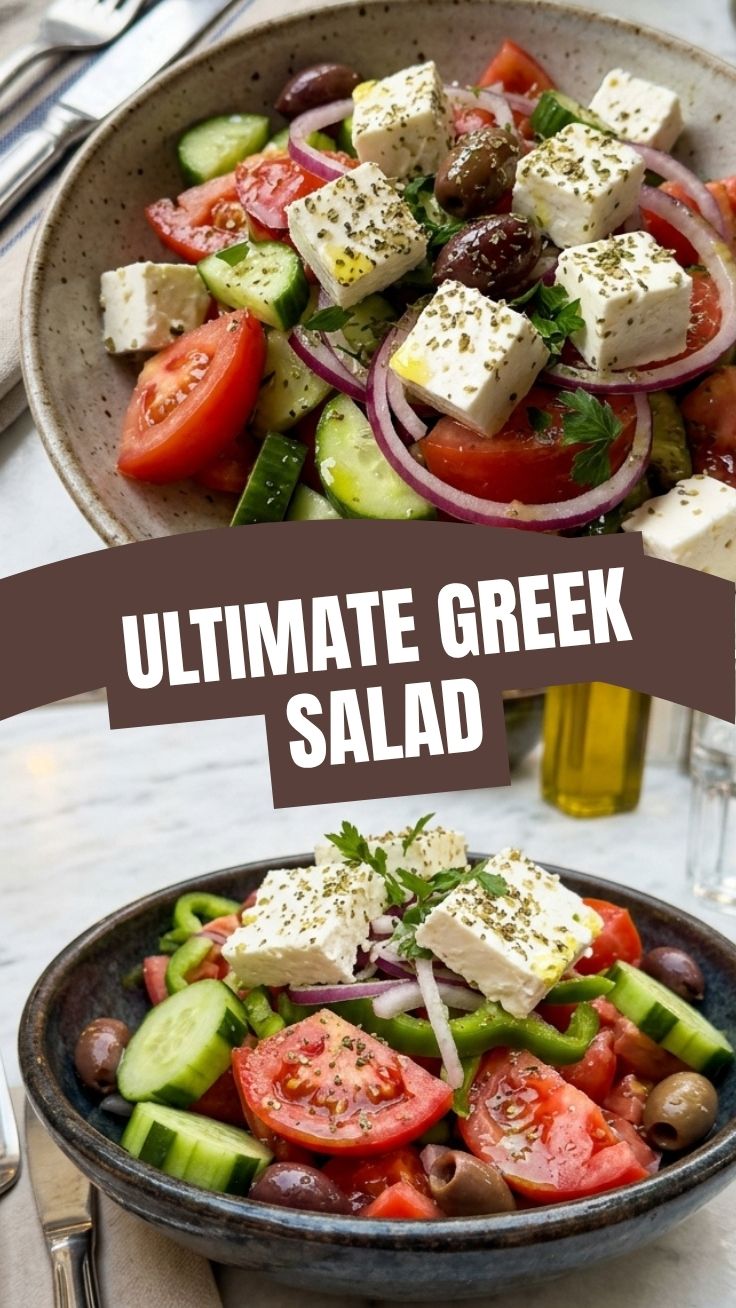
Have you ever wondered why a simple combination of tomatoes, cucumbers, and olives can taste so incredibly vibrant and satisfying? The secret lies in the quality of ingredients and the harmony of flavors that define a classic Greek Salad. This isn’t just any salad—it’s a celebration of fresh produce, briny feta, and herbaceous oregano that transports you straight to a sun-drenched taverna by the Aegean Sea. Preparing it at home not only saves money but also lets you control every component, ensuring peak ripeness and authenticity. In this post, I’ll walk you through a foolproof method for crafting a Greek Salad that rivals any restaurant version. We’ll also explore a vibrant variation known as the Mediterranean Salad, which adds hearty chickpeas for extra protein and texture. Whether you’re a meal-prep enthusiast or a last-minute dinner hero, this guide will make you the king or queen of chilled, crunchy, tangy perfection.
—
Ingredients & Kitchen Tools
Produce (base of your salad)
– 2 large ripe tomatoes – Use vine-ripened or Roma; they should be firm but juicy.
– 1 large English cucumber – Peeled and cut into half-moons; no bitter seeds.
– 1 medium red onion – Thinly sliced; soak in cold water for 10 minutes to mellow sharpness.
– 1 green bell pepper – Seeded and diced; adds crunch and mild sweetness.
– ⅓ cup Kalamata olives – Pitted; briny and meaty.
– ¼ cup pepperoncini (optional) – For a mild tangy kick.
Cheese & herbs
– 200g (7 oz) feta cheese – Use a block in brine, not crumbled pre-packaged; better texture.
– 2 tbsp fresh oregano – Or 1 tbsp dried, but fresh makes a world of difference.
Dressing essentials
– 4 tbsp extra virgin olive oil – A fruity, peppery Greek or Italian variety.
– 2 tbsp red wine vinegar – Aged quality matters; acidity balances the oil.
– 1 tsp dried oregano – For seasoning the feta.
– Salt and black pepper – Sea salt flakes freshly ground.
Kitchen tools
– Large mixing bowl, sharp chef’s knife, cutting board, small jar (for dressing), salad tongs, and a serving platter.
—
Prep Time & Cooking Schedule
Total time: 15 minutes active, 10 minutes resting.
– Prep: 10 minutes (wash, chop, slice).
– Dressing mixing: 1 minute.
– Resting: 10 minutes after assembling (helps flavors meld).
– No cooking required – this is a raw, no-heat salad best served chilled.
Tip for planning: If serving as a main course, pair with grilled pita or crusty bread. For meal prep, chop vegetables up to 24 hours ahead but dress only before serving.
—
Step-by-Step Instructions
1. Prep the vegetables
Wash everything thoroughly. Slice tomatoes into 1-inch chunks (not too small or they turn mushy). Cucumber: cut in half lengthwise, then slice crosswise into thick half-moons. Slice red onion into thin rings, then chop into quarter-rings. Dice bell pepper into ½-inch squares. Toss all into a large bowl.
2. Add olives and pepperoncini
Scatter Kalamata olives and optional pepperoncini over the vegetables. These bring the signature brininess that defines a Greek Salad.
3. Make the dressing
In a small jar, combine extra virgin olive oil, red wine vinegar, dried oregano, a pinch of salt, and a few grinds of black pepper. Shake vigorously until emulsified (about 10 seconds). Taste and adjust acidity – it should be tangy but not harsh.
4. Dress and toss
Drizzle the dressing over the vegetables. Toss gently with your hands or tongs, making sure every piece is coated. Let rest for 5 minutes to soften the onions and marry the flavors.
5. Top with feta and herbs
Cut the block of feta into thick slices or large crumbles (don’t crumble too finely – big chunks taste better). Place on top of the salad. Sprinkle fresh oregano (or extra dried oregano) over the cheese and serve immediately. For an even heartier option, try a Mediterranean Salad variation by adding 1 cup of drained canned chickpeas and a handful of chopped fresh mint – it turns the dish into a protein-packed main.
Pro tips:
– Temperature control: Serve chilled but not ice-cold. Remove from fridge 10 minutes before eating to let flavors bloom.
– Texture cues: Vegetables should crunch when bitten; if they’re limp, you’ve overdressed or skipped resting time.
– Seasoning adjustments: If olives are very salty, reduce added salt.
—
Nutritional Benefits & Advantages
This salad is a powerhouse of nutrition. Tomatoes provide lycopene (an antioxidant linked to heart health), while cucumbers offer hydration and silica for skin. Feta cheese is lower in fat and calories compared to many aged cheeses, delivering calcium and protein. Olive oil – the star of the Greek Salad – is rich in monounsaturated fats that reduce inflammation and support brain function. The Mediterranean Salad variation adds chickpeas, which boost fiber and plant-based protein, making the meal more satiating. Together, this dish aligns perfectly with the Mediterranean diet, known for reducing the risk of chronic diseases and promoting longevity.
—
Tips, Variations & Cooking Advice
Flavor twists
– Add grilled chicken or shrimp for a carnivore-friendly version.
– Swap feta for goat cheese – tangier, creamier.
– Use lemon juice instead of red wine vinegar for a brighter, citrusy dressing.
Dietary adaptations
– Gluten-free: Already naturally GF – just verify feta is pure (no cross-contamination).
– Dairy-free: Replace feta with marinated tofu or vegan feta made from almonds.
– Low-carb: Serve over a bed of spinach or arugula instead of having extra bread.
Portion changes
– As a side dish: serves 4. As a main (with chickpeas or protein): serves 2–3.
Alternative cooking methods
– Roasted version: Toss tomatoes, peppers, and onions with olive oil and roast at 400°F for 20 minutes, then cool and assemble with fresh cucumber and feta. A warm twist for colder months.
—
Common Mistakes to Avoid
1. Overcooking / overdressing – This salad is raw, so there’s no cooking. But if you add dressing too early and let it sit for hours, vegetables will become soggy. Always dress within 30 minutes of serving.
2. Using pre-crumbled feta – It’s often drier and less flavorful. Always buy a block in brine and crumble fresh.
3. Skipping the onion soak – Red onion can be harsh. A quick 10-minute soak in cold water removes the bite while keeping crunch.
4. Underseasoning the dressing – A bland dressing ruins the entire Greek Salad. Taste it before pouring; it should be bold with salt, acid, and herbs.
5. Not resting – Letting the salad rest for 5–10 minutes after tossing is crucial for flavor infusion. Don’t rush it.
—
Storage & Meal Prep Tips
– Refrigeration: Store undressed vegetables in an airtight container for up to 2 days. Dressing can be kept separately for 1 week in the fridge.
– Freezing: Not recommended – cucumbers and tomatoes will turn mushy when thawed.
– Leftovers: If already dressed, keep for up to 24 hours. The vegetables will soften, but the flavors will deepen. To maintain texture, add extra fresh cucumber before serving.
– Reheating: Do NOT reheat. Serve chilled or at room temperature. If you’ve added a warm protein like grilled chicken, keep that separate until assembly.
—
Conclusion
A well-made Greek Salad is a testament to the power of simple, high-quality ingredients. By following this step-by-step guide, you can recreate the authentic taste of Greece in your own kitchen—crunchy, tangy, and satisfying. And if you’re looking for a more substantial version with legumes, the Mediterranean Salad variation offers a wonderful twist. The key is to respect the balance of flavors: briny olives, creamy feta, sweet tomatoes, and zesty dressing. I encourage you to try this recipe this week, share your results with friends, and explore other fresh, no-cook salads that celebrate the Mediterranean diet. Your taste buds—and your heart—will thank you.
—
FAQs
1. Can I use dried oregano instead of fresh?
Yes, but use half the amount. Dried is more concentrated. If using fresh, stems removed and leaves roughly chopped.
2. What if I don’t have Kalamata olives?
Substitute with black olives, green olives, or even Castelvetrano for a milder, buttery flavor. Just adjust salt accordingly.
3. How do I prevent the salad from getting watery?
Salt the chopped tomatoes lightly and let sit for 5 minutes in a colander before adding to the bowl. This draws out excess juice.
4. Can I make this vegan?
Absolutely. Replace feta with a plant-based alternative or marinated tofu. The dressing is already vegan.
5. Why does my dressing separate?
That’s normal. Shake or whisk it again just before using. Emulsification only lasts briefly without mustard or a thickener.
Greek Salad
Ingredients
Equipment
Method
- Chop tomatoes, cucumbers, bell pepper, and red onion into bite-sized pieces.
- Combine all chopped vegetables in a large bowl and add feta cheese and Kalamata olives.
- In a small bowl, whisk together olive oil, red wine vinegar, dried oregano, salt, and black pepper.
- Pour the dressing over the salad and toss gently to combine.
- Serve immediately as a side dish or light meal.