The Ultimate Guide to a Vibrant Winter Fruit Salad: Healthy, Delicious, and Easy to Make
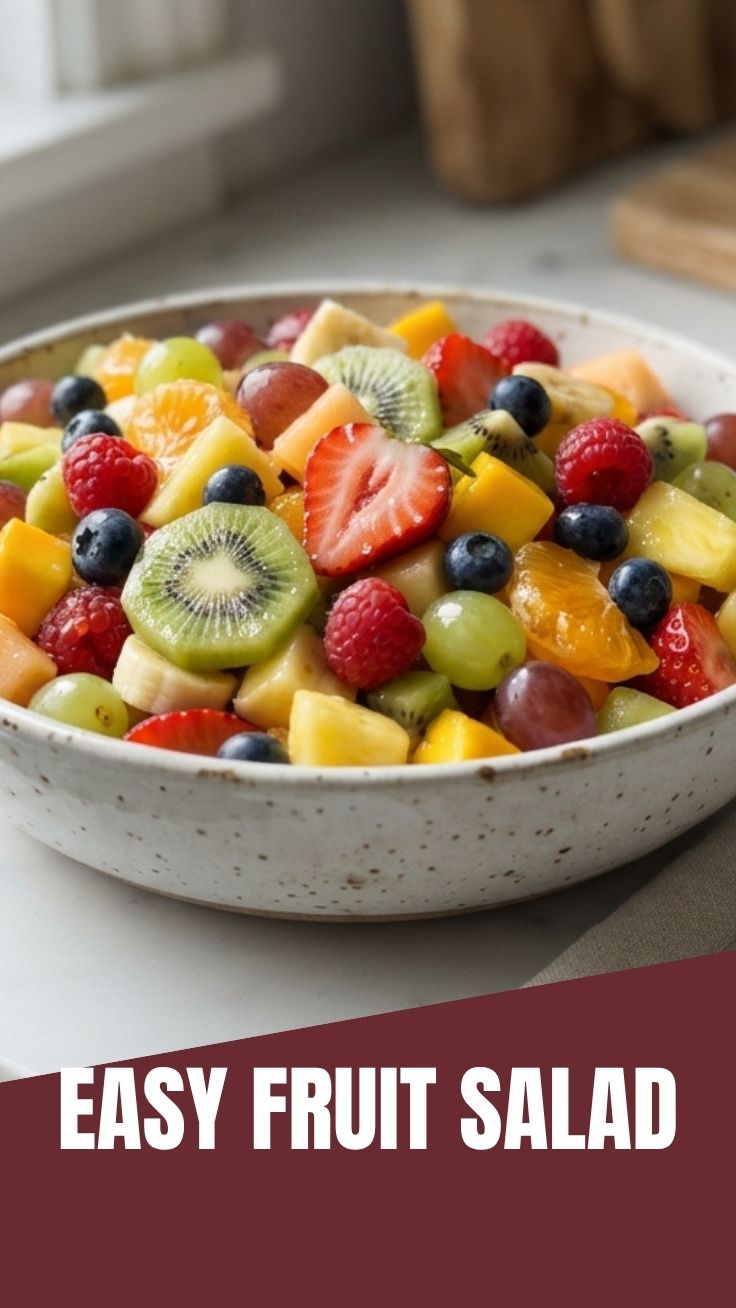
Have you ever craved a burst of sunshine in the middle of winter? A bowl of fresh, juicy fruit can instantly lift your mood and nourish your body. But let’s be honest—store-bought fruit cups often lack flavor and are loaded with syrup. That’s why making your own Fruit Salad at home is not only rewarding but also allows you to control every ingredient. This recipe transforms seasonal winter produce into a vibrant, nutrient-packed dish that’s perfect for breakfast, snack, or dessert. In this guide, you’ll learn how to create a healthy fruit salad that’s both delicious and visually stunning. Ready to dive in?
—
Ingredients & Kitchen Tools
Ingredients
– 2 cups diced apples (Honeycrisp or Fuji – hold shape well)
– 1 cup sliced pears (Bartlett or Bosc – tender, sweet)
– 1 cup orange segments (navel oranges – fresh, no pith)
– ½ cup pomegranate arils (adds crunch and antioxidants)
– ½ cup dried cranberries (unsweetened optional – chewy texture)
– ¼ cup fresh mint leaves (for garnish and freshness)
– 2 tbsp honey or maple syrup (adjust to taste)
– 1 tbsp fresh lemon juice (prevents browning and brightens flavor)
– Optional: ½ tsp ground cinnamon (warm spice for winter)
Kitchen Tools
– Large mixing bowl
– Sharp chef’s knife
– Cutting board
– Citrus juicer (or hand squeeze)
– Measuring cups and spoons
– Slotted spoon (to avoid excess liquid)
– Serving bowl or glass trifle dish
Substitutions
– Swap honey for agave or date syrup (vegan)
– Replace pears with diced mango or kiwi (tropical twist)
– Use walnuts or pecans instead of cranberries (nutty crunch)
—
Prep Time & Cooking Schedule
– Prep time: 15 minutes
– Chill time: 30 minutes (optional but recommended for flavor melding)
– Total time: 45 minutes (including rest)
– Resting: After mixing, let the salad sit at room temperature for 10 minutes so the honey and lemon juice coat evenly. Chilling firms the fruit and enhances sweetness.
Why a 30-minute chill? According to food science studies, chilling fruit salads for at least 30 minutes allows the flavors to marry and the natural sugars to develop, creating a more harmonious taste. Perfect for making ahead before a holiday meal.
—
Step-by-Step Instructions
1. Prepare the fruit – Wash all produce thoroughly. Core and dice apples into ½-inch cubes. Peel and dice pears similar size. Segment oranges over a bowl to catch juice.
2. Mix the dressing – In a small bowl, whisk together lemon juice, honey (or maple syrup), and cinnamon (if using). The lemon juice prevents oxidation and keeps the fruit vibrant.
3. Combine – Place apples, pears, orange segments, and pomegranate arils in a large bowl. Pour the dressing over and gently toss with a slotted spoon to coat. Avoid crushing soft fruit.
4. Add texture – Fold in dried cranberries. If using nuts, add them just before serving to retain crunch.
5. Rest – Cover and refrigerate for at least 30 minutes. For an extra refreshing twist, add mint leaves only when serving.
6. Serve – Scoop into individual bowls or a large glass dish. Garnish with extra mint and a sprinkle of pomegranate arils.
> Pro tip: For the perfect Fruit Salad, taste before serving. If too tart, add a bit more honey. If too sweet, a squeeze of lemon balances it. This is where a healthy fruit salad shines—you control the sweetness level without added sugar syrups.
—
Nutritional Benefits & Advantages
This winter fruit salad is packed with immune-boosting vitamins. Vitamin C from oranges and pomegranates supports collagen production and fights winter colds. Apples and pears provide soluble fiber, aiding digestion and promoting satiety. Pomegranates are rich in antioxidants called punicalagins, which reduce inflammation. The honey (or maple syrup) offers natural energy without refined sugar. Compared to store-bought fruit cups, this homemade version has up to 60% less sugar and no preservatives. It’s also naturally gluten-free, dairy-free, and vegan-friendly (if using maple syrup). A single serving (~1 cup) contains roughly 150 calories, 3g fiber, and 30g carbs—ideal as a light breakfast or dessert.
—
Tips, Variations & Cooking Advice
– Seasonal swaps: In spring, substitute peaches and strawberries. In fall, try persimmons and figs.
– Herb boost: Basil or rosemary can replace mint for an unexpected savory note.
– Creamy version: Add a dollop of Greek yogurt or coconut cream on top.
– Spiced option: Toss with a pinch of cardamom and ginger for chai-inspired flavor.
– Dietary adaptations: For keto, skip honey and use monk fruit sweetener; replace apples with berries.
– Portion change: Double the recipe for a large party—it keeps well for 2 days in the fridge.
—
Common Mistakes to Avoid
| Mistake | Solution |
|———|———-|
| Over-chopping fruit | Cut into uniform ½-inch pieces to prevent mushiness. |
| Skipping lemon juice | Always add lemon—it stops browning and extends shelf life. |
| Adding tender fruit too early | Add bananas, berries, or mango just before serving to avoid sogginess. |
| Not draining excess juice | Use a slotted spoon to serve, especially if resting overnight. |
| Over-sweetening | Start with half the sweetener; adjust after resting. |
—
Storage & Meal Prep Tips
– Refrigeration: Store in an airtight container for up to 3 days. The fruit will release liquid—drain before serving if needed.
– Freezing: Not recommended for fresh fruit salad—texture degrades. However, you can freeze the dressing separately (lemon + honey) for later.
– Reheating: N/A – serve cold or at room temperature.
– Meal prep: Chop apples and pears (toss with lemon juice) up to 24 hours ahead. Add pomegranate and dressing just before serving.
—
Conclusion
Creating a homemade Fruit Salad is a simple yet transformative way to enjoy winter produce at its peak. With this recipe, you’ve learned how to pick the best fruits, balance flavors, and avoid common pitfalls. The result is a healthy fruit salad that nourishes your body and delights your taste buds. Whether you serve it at a brunch, as a side dish for dinner, or as a quick snack, this salad brings color and cheer to any table. Try it this week and share your creation with family—or tag me in your photos! For more seasonal recipes, explore our other fruit-based dishes.
—
FAQs
1. Can I use frozen fruit instead of fresh?
Frozen fruit works in a pinch, but thawed berries will release water and make the salad watery. If using frozen, add to the bowl still frozen and serve immediately.
2. How do I prevent apples from turning brown?
Toss diced apples immediately with lemon juice. The acid inhibits oxidation. Alternatively, use ascorbic acid powder (Fruit-Fresh).
3. What can I substitute for pomegranate arils?
Try fresh blueberries or halved seedless grapes. They provide a similar pop of sweetness and color.
4. Is this salad suitable for diabetics?
Yes, with modifications: use low-sugar fruits (berries, green apples) and skip honey or use a zero-calorie sweetener. Always consult your doctor.
5. Why did my fruit salad get watery after a day?
Fruits release natural juices as they sit. Drain the excess liquid, and next time toss the fruit with a bit of cornstarch (1 tsp) to absorb moisture—this is a trick used by professional chefs for fruit bowls.
Best way to grow a 5-Star Fruit Salad
Ingredients
Equipment
Method
- Begin by carefully selecting the freshest and ripest fruits from your "orchard." Wash all fruits thoroughly under cool water to remove any impurities.
- Next, prepare your star fruit by slicing it into beautiful star-shaped pieces, then peel and dice the mango and pineapple into bite-sized chunks.
- Peel and slice the kiwi, then hull and halve the strawberries, and gently wash the blueberries, ensuring all are ready for their grand assembly.
- In a large mixing bowl, gently combine all the prepared fruits, being careful not to bruise the delicate pieces.
- In a separate small bowl, whisk together the fresh lime juice and honey, if using, to create a light and zesty dressing.
- Pour the dressing over the fruit mixture and toss gently until all the fruit is lightly coated, enhancing its natural sweetness.
- For optimal flavor, chill the fruit salad in the refrigerator for at least 30 minutes before serving, allowing the flavors to meld beautifully.
- Serve your magnificent 5-star fruit salad in individual bowls or a large serving dish, garnished with a mint sprig if desired.