The Ultimate Guide to Homemade Frozen Lemonade: Cool Down with This Refreshing Summer Classic
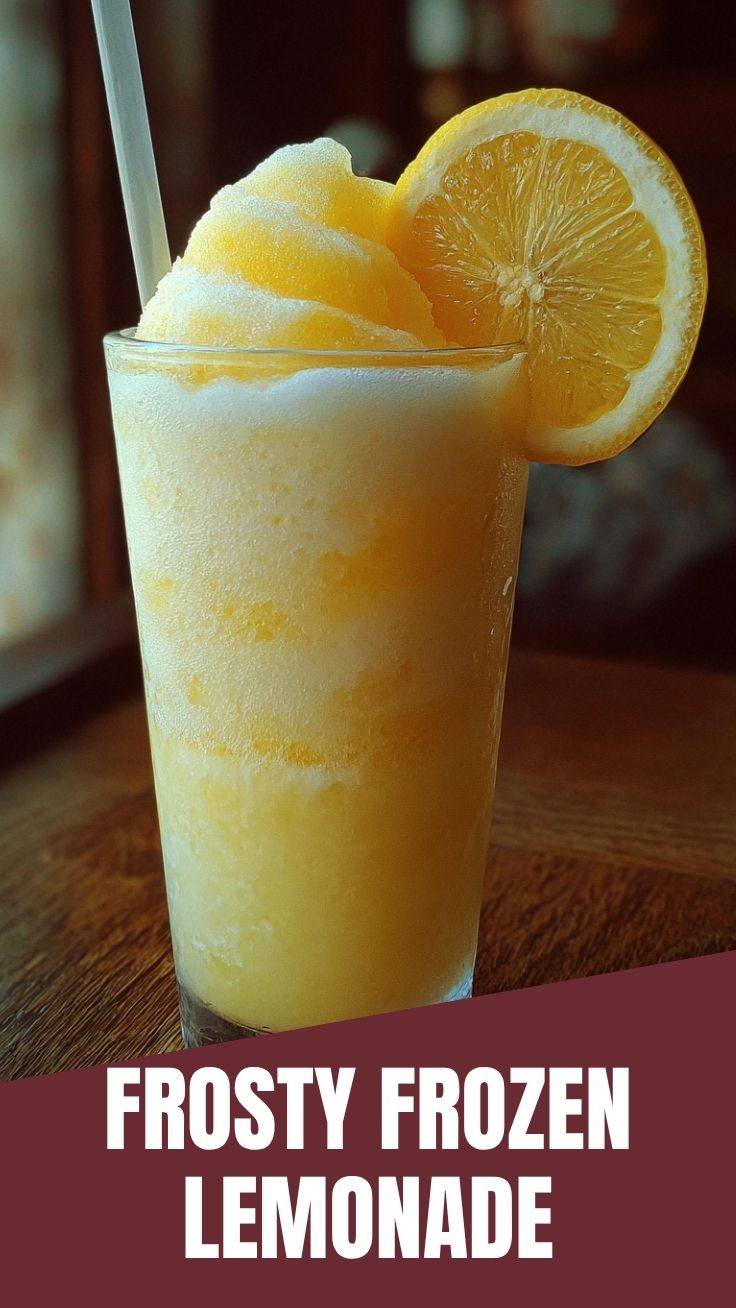
Are you tired of paying premium prices at coffee shops and fast-food chains for a simple frozen drink that costs pennies to make at home? What if I told you that you could create a more flavorful, healthier, and infinitely more customizable version of your favorite summer indulgence in under five minutes? That’s exactly what this recipe delivers. Learning how to make [Frozen Lemonade](https://homecookedrecipe.com/lemonade/) at home isn’t just about saving money—it’s about controlling exactly what goes into your glass. No artificial syrups, no preservatives, just pure citrus goodness that hits the spot on a scorching afternoon. This icy delight is the most refreshing way to beat the heat, and once you try it homemade, you’ll never go back to store-bought mixes again.
Ingredients & Kitchen Tools
For the perfect frozen lemonade:
– Fresh lemons (4-5 medium) – Provides that bright, tangy juice. Avoid bottled juice; fresh makes all the difference.
– Granulated sugar (½ cup) – Balances the acidity. Adjust to taste.
– Ice cubes (2 cups) – Creates the slushy texture. Use filtered water for cleaner flavor.
– Cold water (½ cup) – Helps blending consistency.
– Lemon zest (1 teaspoon optional) – Adds aromatic oils for deeper citrus notes.
– Simple syrup substitute – Replace sugar with honey or agave (use ⅔ cup for equal sweetness).
Kitchen tools:
– High-speed blender (or food processor)
– Citrus juicer (reamer or electric)
– Microplane or fine grater (for zest)
– Measuring cups and spoons
– Paring knife and cutting board
– Serving glasses (chill them for extra frosty presentation)
Prep Time & Cooking Schedule
| Stage | Time |
|——-|——|
| Prep time | 5 minutes |
| Blending | 1–2 minutes |
| Resting (optional for thicker texture) | 5 minutes |
| Total time | 10 minutes |
This recipe is nearly instant—ideal for spontaneous cravings. For a thicker, more scoopable texture, rest the blended mixture in the freezer for 5–10 minutes before serving. This allows the ice crystals to stabilize, giving you that authentic soft-serve slush consistency. No cooking required, so there’s no need to plan hours ahead—just keep your lemons at room temperature for easier juicing.
Step-by-Step Instructions
1. Prepare the lemons: Roll each lemon firmly on the countertop for 10 seconds to break internal membranes. Halve them and juice into a bowl, straining out seeds. You need ¾ cup fresh lemon juice. Zest one lemon before juicing if using.
2. Build the base: In your blender, combine fresh lemon juice, sugar, cold water, and lemon zest. Pulse 3–4 times to dissolve the sugar partially.
3. Add ice and blend: Add all ice cubes. Start on low speed for 10 seconds, then ramp to high. Blend until you hear a consistent roaring sound—about 45–60 seconds. The mixture should look like wet snow: smooth, thick, and pourable. If it’s too thin, add 3–4 more ice cubes and blend again. If too thick, add 1 tablespoon cold water.
4. Taste and adjust: The perfect [Frozen Lemonade](https://homecookedrecipe.com/lemonade/) should hit three notes: tart, sweet, and refreshing in equal measure. If it’s too sour, add 1 tablespoon sugar; too sweet, add ½ tablespoon lemon juice. Blend briefly after each adjustment.
5. Serve immediately: Pour into chilled glasses. For garnish, rim the glass with sugar or salt, or add a lemon wheel and fresh mint sprig. Enjoy with a wide straw.
Pro temperature tip: For an extra-frosty drink, freeze your serving glasses for 15 minutes before pouring. This keeps the slushy texture intact longer on hot days.
Nutritional Benefits & Advantages
Homemade frozen lemonade offers significant advantages over commercial versions. A typical 12-ounce serving contains about 110–130 calories (depending on sweetener), compared to 200+ calories in chain-store equivalents. You control the sugar entirely—reduce it by half for a low-carb option, or use stevia for keto-friendly enjoyment.
Key benefits:
– Vitamin C powerhouse: One serving provides 40–50% of your daily vitamin C needs, supporting immune function and collagen production.
– Hydration with flavor: The water-ice base helps maintain hydration during summer heat, while the citric acid aids digestion.
– No artificial anything: You eliminate high-fructose corn syrup, artificial colors, and preservatives common in commercial frozen drinks.
– Portion control: Make single servings or batch-prepare for the week without impulse buys.
Tips Variations & Cooking Advice
Flavor twists:
– Berry lemonade: Add ½ cup frozen strawberries, raspberries, or blueberries for a vibrant pink hue and antioxidant boost.
– Herbal infusion: Steep 2–3 fresh mint leaves or basil in the water before freezing. Strain and use for blending.
– Spicy kick: Blend in ¼ teaspoon cayenne pepper or a slice of fresh ginger for a fiery-sweet contrast.
Dietary adaptations:
– Sugar-free: Use monk fruit sweetener or erythritol (adjust quantity per package directions as they’re often sweeter than sugar).
– Keto-friendly: Substitute sugar with allulose and use half the water (add more ice). This version contains under 5g net carbs.
– Dairy-free note: This recipe is naturally dairy-free. No modifications needed.
Alternative methods:
– No blender? Use a food processor with the S-blade. Pulse in short bursts to avoid liquefying.
– Slushy machine method: Freeze lemonade mixture in ice cube trays overnight, then blend frozen cubes with ¼ cup cold water. Yields a coarser, more snow-cone-like texture.
Common Mistakes to Avoid
| Mistake | Solution |
|———|———-|
| Watery consistency | Not enough ice or over-blending. Add 4–5 more ice cubes and pulse briefly. |
| Bitter flavor | You included pith or seeds. Juice carefully and avoid pressing too hard on spent lemon halves. |
| Ice crystals too large | Blend on high speed for the full minute. Large crystals indicate low-speed blending. |
| Separation after sitting | Serve immediately. If storing, re-blend for 10 seconds before serving. |
| Too sweet | Cut sugar by ¼ cup and balance with extra lemon juice. Remember that cold dulls sweetness perception—what tastes perfect warm may seem under-sweet when frozen. |
Storage & Meal Prep Tips
Refrigeration: Frozen lemonade doesn’t store well in liquid form—it separates and loses texture. However, you can freeze it as a solid block: pour leftover mixture into an airtight container, leaving 1 inch headspace. Thaw in the refrigerator for 2 hours, then re-blend with 2–3 ice cubes to restore slushy consistency.
Freezer storage: Pour the blended mixture into silicone popsicle molds for frozen lemonade pops—a perfect no-mess alternative. They last 3–4 months in the freezer.
Meal prep hack: Freeze fresh lemon juice in ice cube trays (1 tablespoon per cube). When ready to make frozen lemonade, use 12 cubes of juice + 2 cups ice + sweetener of choice. This cuts prep time to 2 minutes flat.
Pro tip: If you must prep ahead, blend the lemon-sugar-water base without ice and refrigerate up to 24 hours. Add ice and blend when ready to serve—this prevents dilution over time.
Conclusion
There’s nothing quite like the satisfaction of making your own [Frozen Lemonade](https://homecookedrecipe.com/lemonade/) from scratch. With just four core ingredients and a blender, you transform simple lemons into a refreshing masterpiece that rivals any commercial offering while costing a fraction of the price. The beauty of this recipe lies in its flexibility: adjust sweetness, add fruits or herbs, or dial up the tartness to match your personal preference. No artificial ingredients, no guessing games—just pure citrus joy in every icy sip. Now it’s your turn: grab those lemons, fire up your blender, and share your creation with friends and family. Tag your results or drop a comment below—we’d love to see how you make this summer classic your own!
FAQs
Can I use bottled lemon juice instead of fresh?
Technically yes, but the flavor will be noticeably flat and may contain preservatives that alter the texture. Fresh lemons provide volatile oils that create that bright, authentic taste. If using bottled, add 1 teaspoon lemon extract to compensate.
Why is my frozen lemonade turning brown?
This is oxidation from the lemon juice reacting with air. It’s harmless but unappealing. To prevent it, stir in 1 teaspoon of ascorbic acid (vitamin C powder) or serve immediately after blending. Fresh-squeezed juice also oxidizes faster than pasteurized juice.
How can I make it less icy and more creamy?
Add ¼ cup of heavy cream, coconut cream, or a frozen banana to the blender. This introduces fat that coats ice crystals, giving a smoother, almost sorbet-like texture. For a vegan option, use frozen avocado half.
Can I scale this recipe for a crowd?
Absolutely. Multiply ingredients by the number of servings (1 batch yields 2–3 servings). Blend in batches—don’t overload your blender motor. For large events, make the base syrup (juice + sugar + water) in advance and chill. Blend with ice in 2-cup batches at serving time.
How do I fix frozen lemonade that’s too tart?
Add ½ tablespoon of simple syrup (or 1 tablespoon of sugar) at a time and blend briefly. Alternatively, throw in the sweetener of your choice. A sprinkle of salt also counteracts excessive acidity by blocking sour taste receptors.
Creamy Frozen Lemonade
Ingredients
Equipment
Method
- Wash lemons and extract 2 cups of fresh lemon juice using a citrus juicer, then strain the juice to remove seeds and pulp.
- In a small saucepan, combine 1 cup of water and 1 cup of sugar; heat until sugar dissolves, then let cool to room temperature.
- In a blender, combine fresh lemon juice, simple syrup (or granulated sugar), 3 cups of cold water, heavy cream, vanilla extract, and a pinch of salt; blend until smooth and creamy.
- Taste the lemonade and adjust sweetness or tartness with more sugar or lemon juice, and add more cold water if it's too thick.
- Add 2-3 cups of ice cubes to the blender and blend again until the ice is crushed and the lemonade is slushy and frozen.
- Pour the creamy frozen lemonade into glasses and garnish with lemon slices and fresh mint if desired; serve immediately.