Crispy, Juicy, and Irresistible: Your Guide to Perfect Homemade Fried Chicken
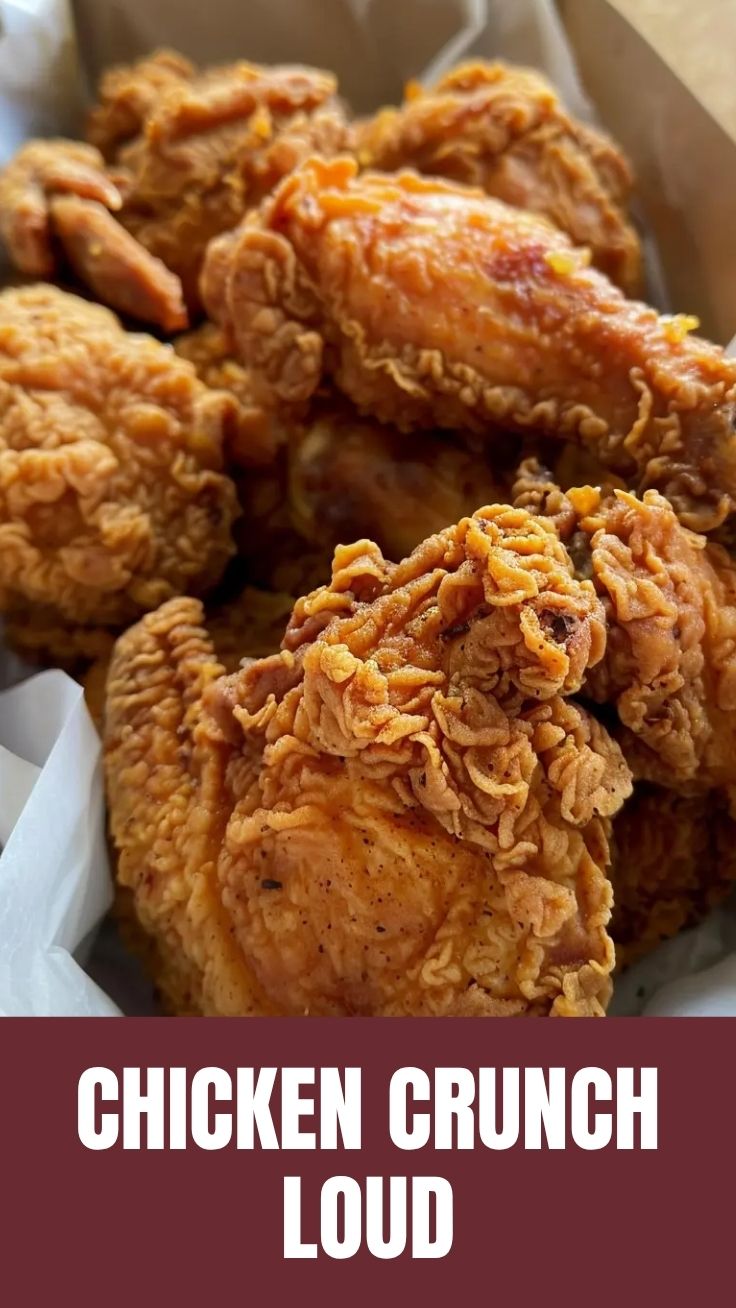
Craving that golden-brown, finger-licking goodness that only perfectly cooked Fried Chicken can deliver? Forget the drive-thru! There’s an unparalleled satisfaction in creating this iconic dish from scratch in your own kitchen. Not only do you control the quality of the ingredients, but you can also customize the flavors to your heart’s content, ensuring a truly unforgettable meal experience. Whether you’re a seasoned home cook or just starting your culinary journey, mastering the art of homemade Southern Fried Chicken is a deeply rewarding endeavor that will delight your taste buds and impress your family and friends.
Ingredients & Kitchen Tools
Here’s everything you’ll need to create culinary magic:
- Whole Chicken (cut into 8 pieces): Opt for a fresh, high-quality chicken. Cutting it yourself or asking your butcher can yield better results.
- Buttermilk (2 cups): Essential for tenderizing the chicken and creating that signature tangy flavor.
- All-Purpose Flour (3 cups): The base for your crispy coating.
- Cornstarch (1/2 cup): Adds extra crispiness to the coating.
- Paprika (2 tsp): For a touch of color and subtle sweetness.
- Garlic Powder (2 tsp): Aromatic and adds depth of flavor.
- Onion Powder (2 tsp): Complements the garlic and enhances savory notes.
- Cayenne Pepper (1 tsp, or to taste): For a gentle kick, adjust based on your spice preference.
- Black Pepper (1 tsp): Freshly ground is always best.
- Salt (2 tsp, plus more for seasoning): Balances flavors and enhances taste.
- Eggs (2 large): Helps the flour mixture adhere to the chicken.
- Hot Sauce (1 tbsp, optional): For an extra layer of flavor and heat in the buttermilk marinade.
- Vegetable Oil or Peanut Oil (at least 4 cups, or enough to fill pot halfway): High smoke point oils are crucial for deep frying.
- Large Mixing Bowls (2-3): For marinating, breading, and holding prepared chicken.
- Heavy-Bottomed Pot or Dutch Oven: Provides even heat distribution for frying.
- Tongs: For safely turning chicken in hot oil.
- Wire Rack with Baking Sheet: For draining excess oil and keeping chicken crispy.
- Meat Thermometer: Essential for ensuring chicken is cooked through to a safe internal temperature.
- Paper Towels: For blotting excess oil.
Prep Time & Cooking Schedule
- Prep Time: 20 minutes (plus a minimum of 4 hours marinating time)
- Marinating Time: 4 hours (ideally overnight for best flavor and tenderness)
- Cook Time: 20-30 minutes per batch
- Total Time: Approximately 4 hours 40 minutes (includes marinating)
Plan ahead! The marinating step is key to tender, flavorful chicken, so try to start this process the day before or at least several hours before you intend to fry.
Step-by-Step Instructions
1. Prepare the Marinade: In a large bowl, whisk together the buttermilk, eggs, hot sauce (if using), 1 teaspoon of salt, and 1/2 teaspoon of black pepper. Add your chicken pieces, ensuring they are fully submerged. Cover and refrigerate for at least 4 hours, or preferably overnight. This tenderizes the Fried Chicken and imbues it with flavor.
2. Make the Dredging Mix: In another large bowl, combine the flour, cornstarch, paprika, garlic powder, onion powder, cayenne pepper, remaining 1 teaspoon of salt, and 1/2 teaspoon of black pepper. Whisk thoroughly until well combined.
3. Dredge the Chicken: Remove the chicken pieces from the buttermilk mixture, allowing any excess to drip off. Dip each piece into the flour mixture, pressing firmly to ensure it’s completely coated. You want a thick, shaggy coating. Place the breaded chicken on a wire rack set over a baking sheet. Repeat for all pieces. For an extra crispy crust, you can double-dip: dredge in flour, then dip back into the buttermilk, and then into the flour again. This is a classic technique for amazing Southern Fried Chicken.
4. Heat the Oil: Pour enough oil into your heavy-bottomed pot or Dutch oven to reach about 2-3 inches deep. Heat the oil over medium-high heat until it reaches 350°F (175°C). Use a thermometer for accuracy—too cool and your chicken will be greasy, too hot and it will burn before cooking through.
5. Fry the Chicken: Carefully lower 2-3 pieces of chicken into the hot oil, ensuring not to overcrowd the pot. Maintain the oil temperature as close to 325-350°F (160-175°C) as possible. Fry for 6-8 minutes per side, or until golden brown and cooked through.
6. Check for Doneness: The internal temperature of the thickest part of the chicken should reach 165°F (74°C). Use a meat thermometer to verify.
7. Drain and Rest: Once cooked, transfer the chicken to a clean wire rack set over a baking sheet to drain excess oil. This helps keep the skin crispy. Lightly season with a dash of salt immediately after frying.
8. Serve: Let the chicken rest for a few minutes before serving. Enjoy hot!
Nutritional Benefits & Advantages
Homemade fried chicken, when prepared with care, can offer more than just deliciousness. Chicken itself is an excellent source of lean protein, essential for muscle building and repair. When using good quality oil, you can limit unhealthy fats often found in fast-food alternatives. The buttermilk tenderizes the meat, making it more digestible, and the spices contribute not only flavor but also antioxidant properties. Preparing it at home also means you can control salt levels and avoid artificial ingredients.
Tips, Variations & Cooking Advice
- Spice it up: Add a pinch of smoked paprika, chili powder, or white pepper to your dredging mix for different flavor profiles.
- Herbaceous twist: Incorporate dried herbs like thyme, rosemary, or sage into the flour for an aromatic coating.
- Gluten-Free Option: Substitute all-purpose flour with a 1:1 gluten-free flour blend. Ensure your cornstarch is also gluten-free.
- Dairy-Free Option: Replace buttermilk with a dairy-free alternative like unsweetened almond milk mixed with a tablespoon of lemon juice or apple cider vinegar.
- Brining: For even more succulent chicken, consider a quick brine (saltwater solution) before the buttermilk marinade.
- Temperature Control: Investing in a good deep-fry thermometer is crucial for consistent results. Fluctuating oil temperatures are the enemy of crispy, evenly cooked chicken.
- Don’t Overcrowd: Frying too many pieces at once drastically drops the oil temperature, leading to greasy, less crispy chicken.
Common Mistakes to Avoid
- Not Marinating Long Enough: This is a key step for flavor and tenderness. Don’t skip it or shorten it.
- Overcrowding the Pot: Leads to a temperature drop and greasy chicken. Fry in batches!
- Incorrect Oil Temperature: Too low, and the chicken becomes soggy; too high, and it burns on the outside before cooking through.
- Not Resting the Chicken: Resting allows the juices to redistribute, resulting in a more tender and moist piece of chicken.
- Uneven Breading: Ensure each piece is thoroughly coated for that perfect crispy exterior.
Storage & Meal Prep Tips
Leftover fried chicken can be a delicious treat!
- Refrigeration: Store cooked chicken in an airtight container in the refrigerator for up to 3-4 days.
- Freezing: For longer storage, flash freeze individual pieces on a baking sheet, then transfer to a freezer-safe bag or container. It will keep well for up to 2-3 months.
- Reheating: To maintain crispiness, reheat in an oven or air fryer at 350°F (175°C) until warmed through, about 15-20 minutes. Avoid the microwave, as it can make the skin soggy.
Conclusion
There’s nothing quite like the satisfaction of biting into perfectly crispy, juicy Fried Chicken you’ve made yourself. This comprehensive guide, from the buttermilk marinade to the final crispy bite, equips you with all the knowledge to conquer this classic comfort food. With a little patience and attention to detail, you will soon be savoring the best homemade Southern Fried Chicken. So, roll up your sleeves, embrace the culinary adventure, and get ready to impress your taste buds! We encourage you to try this recipe and share your delicious results in the comments below!
FAQs
Q1: Can I use chicken breasts or thighs instead of a whole chicken?
A1: Absolutely! Adjust frying times accordingly. Boneless, skinless cuts will cook faster (around 6-10 minutes) while bone-in pieces will take longer. Ensure the internal temperature reaches 165°F (74°C).
Q2: What’s the best type of oil for frying?
A2: Vegetable oil, peanut oil, or canola oil are excellent choices due to their high smoke points and neutral flavor, which won’t overpower the chicken.
Q3: My chicken isn’t crispy. What went wrong?
A3: Common culprits include overcrowding the pot, oil temperature being too low, or not letting the chicken rest on a wire rack after frying. Ensure good oil temperature control and proper drainage.
Q4: Can I reuse the frying oil?
A4: Yes, you can. Allow the oil to cool completely, then strain it through a fine-mesh sieve or cheesecloth to remove any food particles. Store it in an airtight container in a cool, dark place. You can typically reuse frying oil 2-3 times depending on what you’ve fried.
Q5: How can I make my fried chicken spicier?
A5: Increase the amount of cayenne pepper in the dredging mix, add a pinch of chili flakes, or include a hotter variety of hot sauce in the buttermilk marinade.
Quick way to grow crispy Fried Chicken in 7 days
Ingredients
Equipment
Method
- In a medium bowl, combine the imaginary fried chicken seeds with warm water, gently stirring until slightly dissolved.
- Transfer the mixture to a shallow, wide container, ensuring the "seeds" are evenly dispersed across the bottom.
- Each day, lightly sprinkle the surface of the mixture with a tablespoon of all-purpose flour, mimicking nutrients for growth.
- Gently mist with buttermilk once daily, imagining it as a growth stimulant for the crispy coating.
- Add a pinch of your "secret spice blend" every other day, visualizing the flavor developing.
- Carefully observe the container for any signs of "fried chicken formation," which might appear as golden-brown, irregular shapes.
- In a large, deep pot, heat the vegetable oil over medium-high heat until it reaches 350°F (175°C).
- Using tongs, carefully "harvest" any fully formed "fried chicken pieces" from your growth medium and gently place them into the hot oil.
- Fry for about 6-8 minutes, or until deeply golden brown and audibly crispy, turning occasionally for even cooking.
- Remove the crispy "chicken" to a plate lined with paper towels to drain excess oil, then season generously with salt and pepper to taste.