Why This Quick Cabbage Dish Deserves a Spot on Your Table
Ever stared at a wilting head of cabbage in your fridge and wondered how to transform it into something irresistible? You’re not alone. Cabbage is one of the most underrated vegetables—affordable, long-lasting, and incredibly versatile. When cooked right, it becomes a caramelized, buttery, slightly sweet side dish that pairs with almost anything. Preparing it at home saves money, cuts down food waste, and lets you control the seasoning. That’s exactly why this Fried Cabbage (Easy) has gone viral—it’s foolproof, fast, and full of flavor. And if you’re craving a bit more crunch and soy-sauce depth, Stir Fry Cabbage offers a fantastic alternative. Both methods transform humble cabbage into a star player, and in this guide we’ll walk through the easiest version step by step.
—
Ingredients & Kitchen Tools
Ingredients
– 1 medium green cabbage (about 2 lbs) – shred or chop into bite-sized pieces
– 2 tbsp unsalted butter or vegetable oil – butter adds richness; oil works for dairy-free
– 1 medium yellow onion – diced; adds sweetness
– 3 cloves garlic – minced; adjust to taste
– ½ tsp salt (plus more to taste) – enhances natural flavors
– ¼ tsp black pepper
– ½ tsp smoked paprika (optional) – for a subtle smoky depth
– 1 tbsp apple cider vinegar or lemon juice – brightens the dish at the end
Kitchen Tools
– Large skillet or cast-iron pan (12-inch recommended)
– Chef’s knife + cutting board
– Wooden spatula or tongs
– Measuring spoons
– Bowl for prepped cabbage (optional)
Optional substitutions
– Swap butter for bacon grease for extra savoriness
– Use red cabbage for a more vibrant color (cook slightly longer)
– Add sliced carrots or bell peppers for crunch and nutrition
—
Prep Time & Cooking Schedule
| Timing | Duration |
|——–|———-|
| Prep time | 10 minutes |
| Cook time | 15–20 minutes |
| Total | 25–30 minutes |
Plan ahead: This comes together quickly, so have all ingredients prepped before you start heating the pan. The cabbage will shrink significantly during cooking—one medium head yields about 4 cups cooked.
—
Step-by-Step Instructions
1. Prep the cabbage – Remove outer leaves if wilted. Quarter the head, cut out the core, and slice into 1-inch strips or squares. Rinse and drain well (or spin dry) – excess moisture will steam rather than fry.
2. Heat the skillet – Place over medium-high heat and add butter or oil. Once it shimmers (not smokes), add diced onion. Sauté 3–4 minutes until translucent, stirring occasionally.
3. Add garlic & cabbage – Stir in minced garlic for 30 seconds until fragrant. Then add all the cabbage, salt, pepper, and smoked paprika (if using). Toss to coat. Spread into an even layer.
4. Cook undisturbed – Let the cabbage sit for 3–4 minutes without stirring. This creates beautiful golden-brown char marks. This caramelization is the secret behind the best Fried Cabbage (Easy) – the sugars in the cabbage develop a nutty flavor. If you’re aiming for Stir Fry Cabbage, you’d use high heat and toss continuously, but here we want some browning.
5. Toss and finish – After 4 minutes, stir the cabbage, then let it cook another 3–4 minutes until tender-crisp (not mushy). Taste and adjust salt. For a tangy kick, add apple cider vinegar or lemon juice in the last minute.
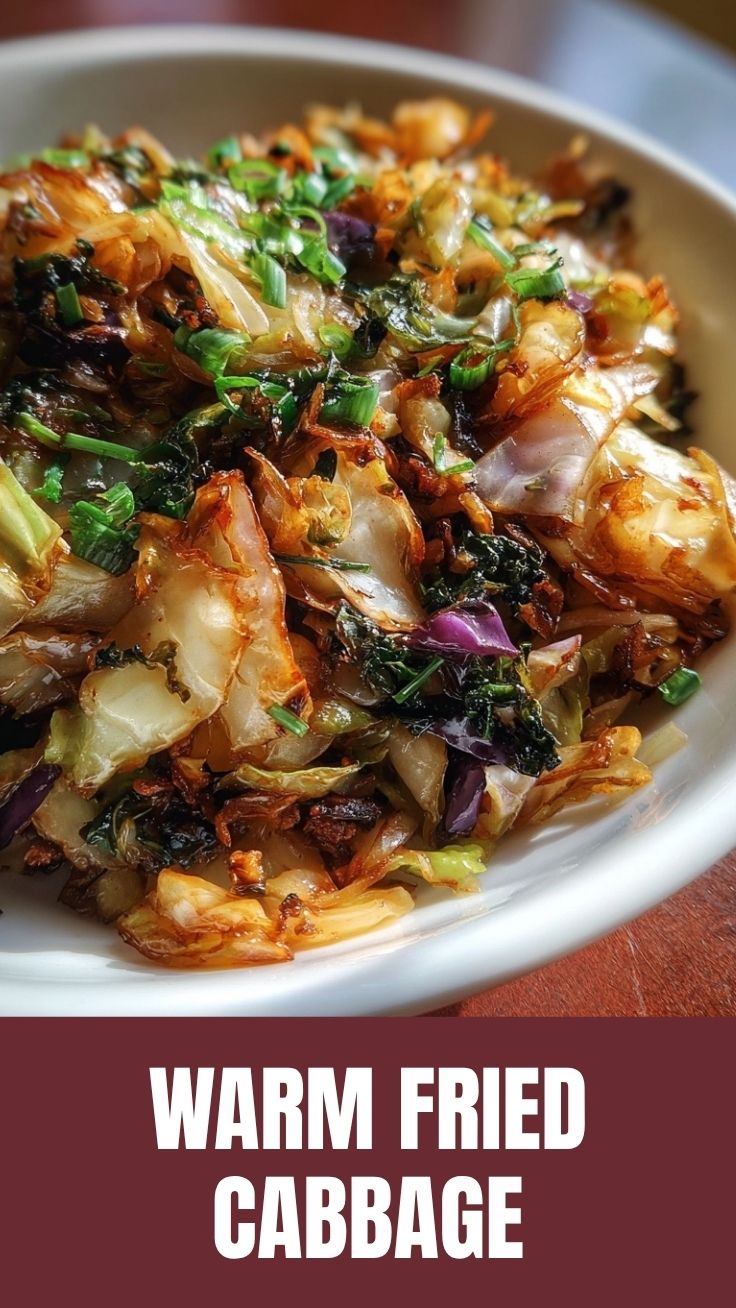
6. Serve immediately – Transfer to a platter and garnish with fresh parsley or chives if desired. The texture should be tender with slight bite and visible browned edges.
Pro tip: If your pan looks dry, add a splash of water or broth to deglaze and create a light sauce.
—
Nutritional Benefits & Advantages
Cabbage is a nutritional powerhouse. One cup of cooked cabbage provides:
– ~33 calories – low energy density, great for weight management
– 3.5g fiber – supports digestion and satiety
– 85% of daily vitamin K – essential for blood clotting and bone health
– 54% of daily vitamin C – boosts immunity and collagen production
– Glucosinolates – compounds linked to reduced cancer risk
This fried version adds healthy fats from butter or oil, which help absorb fat-soluble vitamins. Compared to boiled cabbage, frying preserves more nutrients because of shorter cook time and less water leaching. It’s naturally gluten-free and low-carb (about 8g net carbs per serving). For a dairy-free option, use avocado oil – it has a high smoke point and neutral flavor.
—
Tips Variations & Cooking Advice
Flavor twists
– Southern-style: Add 4 slices of chopped bacon, cook first, then sauté onions and cabbage in the rendered fat.
– Spicy: Add ½ teaspoon red pepper flakes or a diced jalapeño with the garlic.
– Umami-rich: Stir in 1 tablespoon soy sauce or tamari and ½ teaspoon sesame oil at the end (leaning toward the Stir Fry Cabbage style).
Cooking methods
– For a bigger batch: Use a Dutch oven or large pot – just watch heat to avoid burning.
– Air fryer? Toss shredded cabbage with oil and seasonings, air-fry at 375°F for 10–12 minutes, shaking halfway.
Dietary adaptations
– Vegan: Use plant-based butter or coconut oil.
– Keto-friendly: Increase fat with extra butter or olive oil and serve alongside protein.
– FODMAP-sensitive: Use green cabbage (red is also low-FODMAP) and limit garlic to 1 clove or use garlic-infused oil.
—
Common Mistakes to Avoid
1. Overcrowding the pan – Too much cabbage traps steam, leading to soggy, boiled texture instead of fried. Cook in batches if needed.
2. Not drying the cabbage – Wet cabbage releases excess moisture. Pat it dry with paper towels after washing.
3. Underseasoning – Cabbage needs enough salt to draw out its natural sweetness. Start with ½ teaspoon per medium head, then adjust.
4. Cooking on low heat – Medium-high to high heat is essential for browning. Low heat yields gray, watery cabbage.
5. Adding acid too early – Vinegar or lemon juice should go in at the end; early addition can make cabbage turn an unappealing grey and inhibit browning.
—
Storage & Meal Prep Tips
– Refrigerate: Store cooled fried cabbage in an airtight container for up to 4 days.
– Freeze: Not ideal – thawed cabbage becomes very soft and watery. But if you must, freeze for up to 1 month and use in soups or casseroles.
– Reheat: In a skillet over medium heat with a pat of butter or a splash of broth for 3–5 minutes. Avoid microwaving, which can make it mushy.
– Meal prep: Cook a double batch and portion into lunches. Pair with grilled chicken, sausage, or over rice.
—
Conclusion
There’s something deeply satisfying about turning a simple, budget-friendly cabbage into a golden, caramelized side dish that tastes like comfort food. The key is patience – letting it brown without stirring – and a hot pan. Whether you stick with the classic Fried Cabbage (Easy) or want to branch out into an Asian-inspired Stir Fry Cabbage, you now have the techniques to nail it every time. Give it a try tonight – your taste buds (and your wallet) will thank you. Have a favorite variation? Drop a comment below or tag us in your photos!
—
FAQs
1. Can I use red cabbage instead of green?
Yes, but red cabbage is denser and slightly bitter. Cook it a few minutes longer, and add a pinch of sugar to balance the flavor. The color will fade slightly – a splash of vinegar at the end helps retain some purple hue.
2. My fried cabbage turned out watery. What went wrong?
Most likely cause: too much moisture in the pan. Did you dry the cabbage after washing? Did you overcrowd the skillet? Next time, cook in batches over high heat and avoid covering the pan.
3. How do I make this recipe spicier?
Add ½ teaspoon red pepper flakes with the garlic, or stir in a diced serrano pepper. For extra heat, drizzle with sriracha or chili oil before serving.
4. Can I use pre-shredded coleslaw mix?
Absolutely. It saves prep time, though the texture may be slightly finer. Cook for 8–10 minutes total instead of 12–15.
5. Is fried cabbage keto-friendly?
Yes. One serving has about 8g net carbs (fiber subtracted). Use butter or bacon fat for added fat, and avoid adding sugar. Pair with a fatty protein like steak or pork chops.
Proven way to grow your perfect Fried Cabbage (Easy)
Ingredients
Equipment
Method
- Cut the cabbage into 1-inch pieces and chop the bacon, onion, and garlic.
- In a large skillet, cook the chopped bacon over medium heat until crispy.
- Remove the bacon from the skillet, leaving two tablespoons of drippings, then add the chopped onion and cook until softened.
- Stir in the minced garlic and cook for one minute until fragrant, then add the chopped cabbage and cooked bacon to the skillet.
- Pour in the apple cider vinegar and season with salt and pepper, then cook the cabbage for 10-15 minutes, stirring occasionally, until tender-crisp.
- Serve the fried cabbage hot as a delicious side dish or light meal.