The Ultimate Guide to Creamy Shrimp Fettuccine Alfredo: A Restaurant-Quality Recipe
Have you ever craved that velvety, indulgent Fettuccine Alfredo from your favorite Italian restaurant but hesitated because of the calorie count or the price tag? The good news is that you can create an even better version at home—one that’s fresher, more customizable, and surprisingly simple to master. This shrimp fettuccine alfredo recipe delivers that signature rich, creamy sauce while giving you full control over the ingredients. Whether you’re looking for quick weeknight dinners or impressive date-night meals, this recipe will become your go-to. Let’s explore why homemade Pasta sauce recipes like this one are worth every minute in the kitchen.
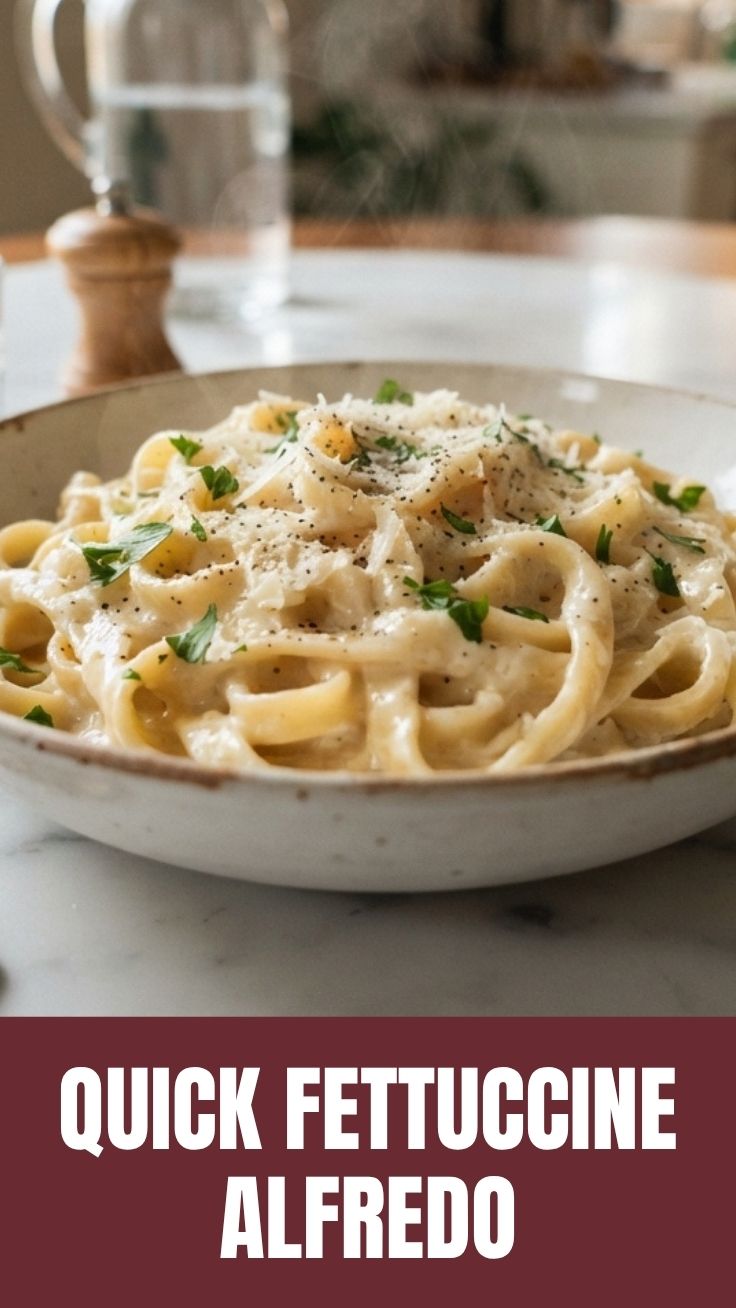
Ingredients & Kitchen Tools
Ingredients
– 12 oz fettuccine pasta – Dried or fresh; fresh cooks faster and yields a silkier texture
– 1 lb large shrimp – Peeled and deveined; tail-on or tail-off based on preference
– 1 cup heavy cream – The foundation of the sauce; don’t substitute with milk for best results
– 1/2 cup unsalted butter – Adds richness; salted butter works if you adjust seasoning
– 1 cup freshly grated Parmesan cheese – Pre-grated won’t melt as smoothly
– 3 cloves garlic, minced – Fresh garlic is crucial; garlic powder is a last-resort substitute
– 1/2 teaspoon black pepper – Freshly ground for optimal flavor
– 1/4 teaspoon salt – Adjust based on cheese salinity
– 2 tablespoons fresh parsley, chopped – For garnish
– 1 tablespoon lemon juice – Brightens the dish; optional but recommended
Kitchen Tools
– Large pot for pasta
– Large skillet or sauté pan
– Colander
– Measuring cups and spoons
– Wooden spoon or silicone spatula
– Cheese grater
– Knife and cutting board
– Tongs
Prep Time & Cooking Schedule
– Prep time: 15 minutes (peel shrimp, grate cheese, mince garlic)
– Cook time: 20 minutes
– Total time: 35 minutes
– Active cooking time: 25 minutes
This timing assumes you have all ingredients ready. If you’re multitasking the sauce and pasta simultaneously, you’ll have dinner on the table in under 30 minutes. Perfect for busy weeknights when you need a satisfying meal without hours of effort.
Step-by-Step Instructions
1. Bring a large pot of salted water to a rolling boil. Add the fettuccine and cook according to package directions until al dente (typically 8–10 minutes). Reserve 1 cup of pasta water before draining.
2. While the pasta cooks, pat the shrimp dry and season with salt and pepper. This prevents the shrimp from steaming in the pan and ensures a nice sear.
3. In a large skillet over medium heat, melt 2 tablespoons of butter. Add the shrimp in a single layer and cook 2–3 minutes per side until pink and curled. Remove shrimp and set aside on a plate.
4. Reduce heat to medium-low and add remaining 6 tablespoons of butter to the same pan. Once melted, add minced garlic and sauté for 30–45 seconds until fragrant—don’t let it brown or burn.
5. Slowly pour in the heavy cream while whisking continuously. Let the mixture simmer gently for 2–3 minutes until it slightly thickens. The key to authentic Fettuccine Alfredo is patience here—rushing the cream can cause it to separate. Explore different Pasta sauce recipes to see how cream-to-butter ratios affect texture.
6. Remove the pan from heat and gradually add the grated Parmesan cheese. Stir constantly until the cheese melts completely into a smooth, glossy sauce. If it thickens too much, add pasta water 1 tablespoon at a time.
7. Return the shrimp to the pan along with the drained fettuccine. Toss everything together using tongs, ensuring every strand is coated.
8. Finish with fresh parsley, a squeeze of lemon juice, and additional black pepper. Serve immediately while hot.
Nutritional Benefits & Advantages
This shrimp fettuccine alfredo offers surprising nutritional value despite its indulgent reputation:
– Protein-packed: Shrimp provides lean protein (about 20g per serving) that supports muscle health and satiety
– Calcium-rich: Parmesan and heavy cream contribute calcium for bone density
– Energy-dense: The carbohydrates from pasta fuel active lifestyles
– Vitamin boost: Parsley and lemon juice add vitamin C and antioxidants
The homemade version contains no preservatives or artificial thickeners, making it a cleaner choice than restaurant or jarred alternatives. You control the salt content and can adjust cream ratios for lighter versions.
Tips, Variations & Cooking Advice
Flavor Variations
– Lemon garlic: Double the lemon juice and add lemon zest
– Spicy Calabrian: Add 1 teaspoon red pepper flakes with the garlic
– Herb-infused: Stir in fresh basil or thyme before serving
Ingredient Swaps
– Pasta: Use gluten-free pasta or zucchini noodles for lower carb
– Dairy-free: Replace heavy cream with full-fat coconut cream and use nutritional yeast instead of Parmesan
– Protein: Substitute chicken, scallops, or mushrooms for shrimp
Cooking Methods
– One-pot method: Cook pasta directly in the sauce with extra water
– Baked version: Assemble in a casserole dish, top with breadcrumbs, and bake at 375°F for 15 minutes
Common Mistakes to Avoid
– Overcooking the pasta – Al dente is non-negotiable because the pasta will continue absorbing sauce
– Sauce separation – This happens when heat is too high or when adding cheese to boiling cream. Always remove from heat first.
– Soggy shrimp – Overcrowding the pan causes steaming instead of searing. Cook in batches if needed.
– Clumpy cheese – Pre-shredded cheese contains anti-caking agents that prevent smooth melting. Always grate fresh Parmesan.
– Sauce too thin – If the sauce lacks body, you’ve either used too little cheese or didn’t simmer the cream long enough.
Storage & Meal Prep Tips
Refrigeration
– Store in an airtight container for up to 3 days
– The sauce will thicken as it cools; add a splash of milk or water when reheating
Freezing
– Freeze in a single layer in a freezer-safe bag for up to 1 month
– Note: Cream-based sauces may separate slightly upon thawing; whisk vigorously while reheating
Reheating
– Stovetop: Warm over low heat, adding liquid gradually and stirring constantly
– Microwave: Use 50% power in 30-second intervals to prevent rubbery shrimp
Meal Prep
– Cook pasta and shrimp separately; store sauce alone
– Combine only when ready to serve to maintain texture
Conclusion
This shrimp fettuccine alfredo proves that restaurant-quality Italian cooking is absolutely achievable in your home kitchen. The combination of succulent shrimp, perfectly cooked pasta, and that impossibly creamy sauce creates a meal that feels special yet fits into your weekly routine. Remember that mastering Fettuccine Alfredo starts with understanding how cream interacts with cheese and heat—once you nail that, the possibilities are endless. Don’t forget that versatile Pasta sauce recipes like this can be adapted with different proteins or vegetables. I encourage you to try this recipe tonight, share your results, and experiment with your own twists. Your family will thank you!
FAQs
1. Can I use milk instead of heavy cream for a lighter Fettuccine Alfredo?
Yes, but the sauce will be thinner and less rich. Use whole milk and add an extra tablespoon of butter to compensate. Expect a less glossy, less decadent final dish.
2. Why did my Alfredo sauce turn grainy?
Grainy sauce typically results from overheating the cheese or using pre-shredded cheese. Always remove the pan from heat before adding freshly grated Parmesan, and stir gently.
3. Can I make this dish ahead of time for a dinner party?
You can prep all components separately up to 24 hours in advance. Store cooked pasta tossed in olive oil, cooked shrimp, and sauce separately. Combine and reheat just before serving.
4. How do I prevent shrimp from becoming rubbery?
Shrimp cook very quickly—only 2–3 minutes per side. Remove them from the pan as soon as they turn pink and curl into a C-shape. Overcooking makes them tough.
5. Is it possible to make this gluten-free?
Absolutely! Use gluten-free fettuccine or spaghetti. Cook according to package directions—gluten-free pasta often requires careful timing to avoid mushiness. The sauce remains naturally gluten-free.
Proven way to grow Fettuccine Alfredo Recipe
Ingredients
Equipment
Method
- Boil the fettuccine pasta according to package directions until al dente, then drain and set aside.
- In a large skillet over medium heat, melt the butter and sauté the minced garlic until fragrant, about one minute.
- Pour in the heavy cream and bring it to a gentle simmer, stirring occasionally for about 2-3 minutes.
- Reduce the heat to low, then gradually whisk in the grated Parmesan cheese until the sauce is smooth and creamy.
- Season the sauce with salt and black pepper to taste, then stir in any cooked chicken or mushrooms if desired.
- Add the cooked fettuccine to the skillet with the Alfredo sauce and toss until the pasta is fully coated.
- Serve immediately, garnished with fresh parsley if desired, and enjoy your homemade Fettuccine Alfredo.
- In a small pot, mix the potting soil and water, then gently place a few strands of cooked fettuccine on top of the soil.
- Observe your "growing" fettuccine over the next few days, understanding that this is a playful experiment and not actual plant growth.