Crispy Homemade Falafel: A Foolproof Guide for Perfect Results Every Time
Have you ever craved that perfectly crispy, herb-infused falafel from your favorite Mediterranean spot but wished you could recreate it at home? You’re not alone. Making Falafel (Homemade) from scratch is not only deeply satisfying but also allows you to control the ingredients, ensuring a fresher, healthier, and more flavorful result. When you master the art of using a Chickpea as the base, you unlock a world of plant-based protein that is both budget-friendly and incredibly versatile. Whether you’re a seasoned cook or a kitchen novice, this guide will walk you through every step, from soaking dried legumes to achieving that golden, crunchy exterior without deep-frying. Let’s dive into a recipe that will transform your home cooking.
Ingredients & Kitchen Tools
For the Falafel:
– 1 cup dried chickpeas (NOT canned; must be soaked) – Soaking raw legumes is crucial for texture; canned chickpeas make the mixture too wet and cause falafel to fall apart.
– 1/2 cup fresh parsley (packed) – Provides vibrant color and a fresh, grassy note.
– 1/4 cup fresh cilantro (optional but recommended) – Adds an earthy, citrusy undertone.
– 1 small onion (roughly chopped) – Use yellow or red for a mild, sweet bite.
– 4 cloves garlic – For pungent depth.
– 1 teaspoon ground cumin – The warm, earthy backbone of Middle Eastern spice.
– 1 teaspoon ground coriander – Provides a lemony, floral lift.
– 1/2 teaspoon baking powder – The secret to airy, fluffy interior.
– 1/2 teaspoon salt (plus more to taste)
– 1/4 teaspoon black pepper
– 1-2 tablespoons chickpea flour or all-purpose flour (if needed) – Helps bind if mixture feels wet.
Kitchen Tools:
– Food processor (essential for consistent texture; do not use a blender)
– Large bowl (for mixing)
– Baking sheet (for oven-baking or air-frying)
– Parchment paper (prevents sticking)
– Skillet (if pan-frying) with 1/2 inch neutral oil (e.g., avocado or canola)
– Slotted spoon (for removing from oil)
– Cookie scoop or tablespoon (for uniform patties)
Prep Time & Cooking Schedule
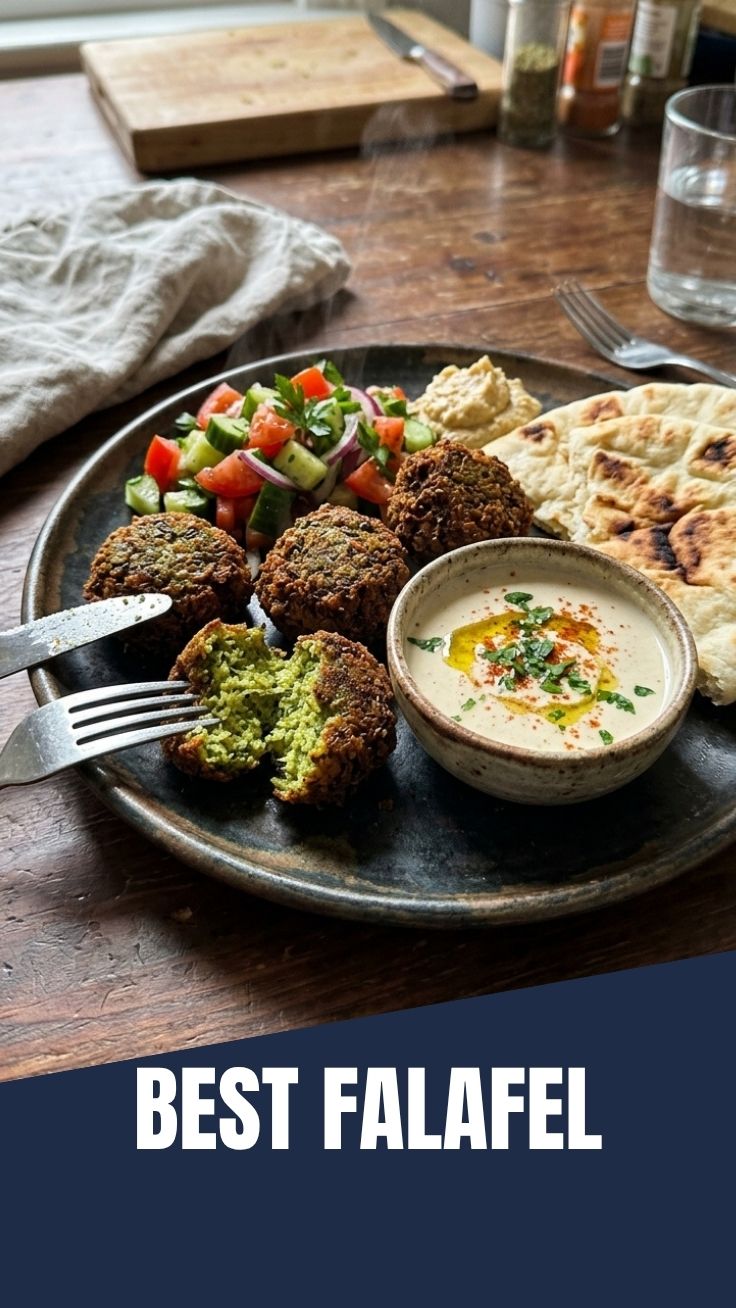
Total Active Time: 20 minutes (excluding soaking)
Total Time: 8–12 hours (soaking) + 30 minutes (cooking)
– Soaking: 8–12 hours overnight, or at least 4 hours with a hot water kickstart. Do not skip this – raw chickpeas must triple in size. Drain and rinse thoroughly before use.
– Prep: 15 minutes to chop herbs and pulse in food processor.
– Chilling (optional but recommended): 30 minutes in the fridge to firm up patties.
– Cooking: 10–15 minutes depending on method (bake at 375°F for 15 minutes, air fry at 375°F for 12 minutes, or pan-fry for 3–4 minutes per side).
Planning tip: Start soaking first thing in the morning for dinner, or the night before for lunch. The actual hands-on work is minimal – perfect for a weekend meal prep session.
Step-by-Step Instructions
1. Soak and drain: Place dried chickpeas in a large bowl, cover with 3 inches of cold water, and let soak for 8–12 hours. Drain and rinse well. Do not cook them – raw is essential for structure.
2. Pulse the base: In a food processor, combine soaked chickpeas, parsley, cilantro, onion, garlic, cumin, coriander, salt, and pepper. Pulse about 15–20 times until you have a coarse, grainy paste. The mixture should hold together when pressed but feel slightly crumbly. Do not over-process into hummus.
3. Add baking powder: Transfer mixture to a bowl and fold in baking powder. If the dough feels wet or sticky, stir in 1 tablespoon of chickpea flour. Cover and refrigerate for 30 minutes.
4. Shape the falafel: Using a cookie scoop or wet hands, form small balls (1.5–2 inches). Slightly flatten into patties if baking or pan-frying; keep round if air-frying.
5. Cook your way:
– Oven: Place on parchment-lined sheet, brush lightly with oil, bake at 375°F for 15 minutes, flip, bake 5 more minutes.
– Air Fryer: Spray with oil, cook at 375°F for 12 minutes, shaking halfway.
– Pan-Fry: Heat 1/2 inch oil to 350°F in a skillet. Cook falafel in batches, 3–4 minutes per side until deep golden. Drain on paper towels.
6. Serve immediately: Crispiness fades fast! Pair with pita, tahini sauce, fresh veggies, and a drizzle of Falafel (Homemade) perfection. For a twist, use the Chickpea mixture as a base for patties or even crumbled over salads.
Pro Tip: For extra crispy edges, place cooked falafel under the broiler for 1 minute on each side before serving.
Nutritional Benefits & Advantages
Falafel is a nutritional powerhouse, especially when made with whole, plant-based ingredients. A single serving (3–4 falafel) provides:
– 12g plant protein from chickpeas – supports muscle repair and satiety.
– 9g dietary fiber – promotes digestive health and stable blood sugar.
– High in iron, folate, and manganese – essential for energy production and bone health.
– Low glycemic index – unlike refined carbs, it releases energy slowly.
– Naturally vegan, gluten-free (if using chickpea flour), and dairy-free. This recipe is also free from preservatives and excess sodium found in frozen versions.
The combination of fresh herbs adds antioxidants like vitamin C and chlorophyll, while cumin and coriander support digestion thanks to their anti-inflammatory properties.
Tips Variations & Cooking Advice
Flavor Variations:
– Spicy Harissa: Add 1 tablespoon harissa paste to the mixture for smoky heat.
– Sun-Dried Tomato: Fold in 1/4 cup finely chopped sun-dried tomatoes and a pinch of oregano.
– Turmeric & Ginger: Swap cumin for turmeric and add 1 teaspoon grated fresh ginger for an anti-inflammatory boost.
Cooking Alternatives:
– Deep-Fry: For classic street-style crunch, fry at 350°F for 2–3 minutes.
– Stovetop Pan-Fry: Use a cast-iron skillet for even heat and less oil absorption.
– Baked: Works well for meal prep but won’t be as crunchy – spray generously with oil.
Dietary Adaptations:
– Gluten-Free: Use chickpea flour instead of all-purpose flour and check baking powder for starch.
– Oil-Free: Bake at 375°F without oil; texture will be denser but still delicious.
– Nut-Free: Naturally nut-free as written.
Portion Tips: Make mini falafel for appetizers or use the mixture as a burger patty base. Leftover dough freezes beautifully – shape into balls and freeze on a tray before transferring to a bag.
Common Mistakes to Avoid
1. Using canned chickpeas: They are too soft and will cause falafel to fall apart in the oil. Always start with dried, soaked legumes.
2. Over-processing the mixture: A paste that’s too smooth (like hummus) lacks the texture needed to hold shape. Stop when it resembles coarse sand.
3. Skipping the resting period: Chilling helps the starch settle and the mixture firm up, preventing crumbling during cooking.
4. Crowding the pan: Overloading the skillet or air fryer drops the temperature, leading to greasy, soggy falafel. Cook in batches.
5. Forgetting to season the oil: If pan-frying, a pinch of salt and cumin in the oil adds flavor from the outside in.
6. Serving cold: Falafel is best eaten immediately after cooking – its exterior shatters, revealing a tender, herbaceous interior.
Storage & Meal Prep Tips
Refrigeration: Store cooked falafel in an airtight container for up to 4 days. Reheat in an air fryer at 350°F for 3–4 minutes to restore crispiness (microwaving will make them soggy).
Freezing (uncooked): Shape the mixture into balls, place on a parchment-lined tray (not touching), and freeze solid. Transfer to a freezer bag. Cook from frozen – add 2–3 minutes to your cooking time, no need to thaw.
Freezing (cooked): Let cool completely, then freeze in single layers. Reheat in a 375°F oven for 8–10 minutes.
Meal Prep Idea: Make a double batch of dough. Bake half for dinner tonight and freeze the rest for quick lunches. Serve in pitas with Falafel (Homemade) as the star, or crumble over grain bowls. Pair with a simple lemon-tahini sauce (tahini + lemon juice + garlic + water) for a complete Mediterranean meal.
Conclusion
Mastering Falafel (Homemade) at home unlocks a world of flavor, health, and culinary confidence that store-bought versions simply cannot replicate. By starting with dried Chickpea – not canned – and following a few key techniques, you’ll achieve that coveted crispy exterior and tender, herb-flecked interior every time. This recipe is not just about a single dish; it’s about embracing a versatile, nourishing ingredient that can be adapted to your taste, dietary needs, and schedule. Whether you serve it in a warm pita, over a salad, or as a snack, the satisfaction of creating something so delicious from scratch is unmatched. I encourage you to try this recipe this week, share your results with friends, and explore other legume-based dishes – your taste buds and body will thank you.
FAQs
1. Can I use canned chickpeas if I have no dried ones?
No – canned chickpeas are too soft and contain excess moisture, causing falafel to fall apart. You need soaked, uncooked dried chickpeas for the right texture. If absolutely necessary, reduce liquid by 50% and add 2 tablespoons chickpea flour for binding, but results vary.
2. Why did my falafel fall apart while cooking?
This is usually due to one of three issues: (a) using canned chickpeas, (b) over-processing the mixture into a paste, or (c) not chilling the dough before cooking. Ensure your mixture holds together when pressed – it should feel like damp sand, not wet dough.
3. Can I bake falafel instead of frying?
Absolutely – baking is healthier and easier for meal prep. Bake at 375°F for 15 minutes on a parchment-lined sheet, flipping halfway. For extra crispiness, brush with olive oil before baking. Note that baked falafel is denser and less crispy than fried, but still delicious.
4. How do I make falafel spicy?
Add 1–2 teaspoons of red pepper flakes, 1/2 teaspoon cayenne pepper, or 1 tablespoon harissa paste to the food processor. You can also serve with a spicy yogurt dip made with sriracha or harissa.
5. Can I freeze raw falafel mixture?
Yes – shape the mixture into balls, place on a parchment-lined tray, freeze until solid (about 1 hour), then transfer to a freezer bag. Cook from frozen directly: add 2–3 minutes to your regular cooking time. No need to thaw, which helps maintain texture.
Proven way to grow perfect Falafel (Homemade) in 3 steps. Falafel (Homemade)
Ingredients
Equipment
Method
- Soak dried chickpeas in cold water overnight, then drain them thoroughly.
- Combine the soaked chickpeas, onion, parsley, cilantro, garlic, cumin, coriander, baking soda, salt, and pepper in a food processor, blending until the mixture is coarse but holds together.
- Form the falafel mixture into small balls or patties.
- Heat vegetable oil in a deep pot or fryer to 350°F (175°C).
- Carefully fry the falafel in batches for 3-5 minutes until they are golden brown and crispy.
- Remove falafel from oil and place on a paper towel-lined plate to drain excess oil.