The Ultimate Guide to Perfect Cornbread: A Golden, Buttery Classic You’ll Master Tonight
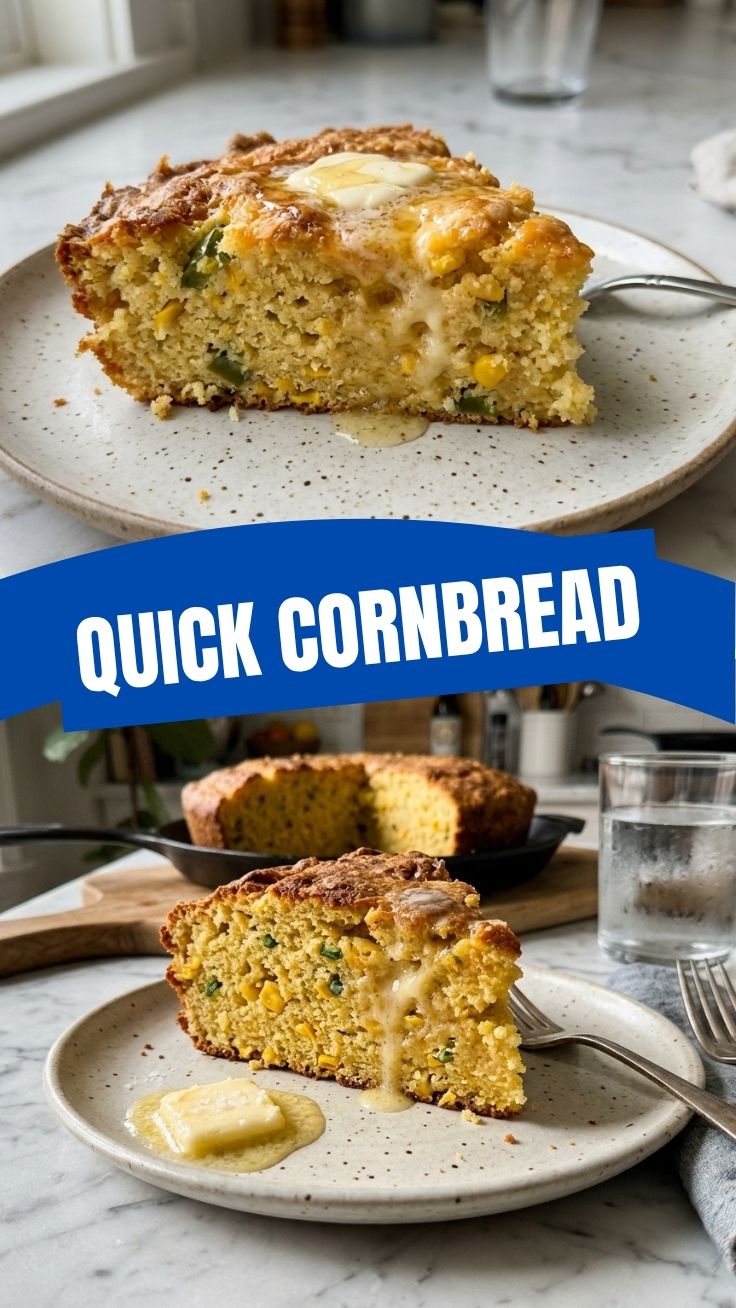
Is there anything more comforting than a warm, buttery slice of Cornbread fresh from the oven? That first bite—crisp golden crust, tender moist crumb, and a hint of sweetness balanced by savory depth—is pure nostalgia on a plate. Yet so many home cooks settle for dry, crumbly boxes or bland mixes. Why? Because making truly exceptional cornbread from scratch feels intimidating. It shouldn’t be. This guide demystifies every step, turning simple pantry staples into a crowd-pleasing masterpiece. Whether you’re pairing it with chili, serving it alongside collard greens, or slathering it with honey butter, preparing Homemade cornbread at home unlocks flavor and texture no box can match. Plus, you control the ingredients—no preservatives, no mystery additives. Ready to become the cornbread expert your family raves about? Let’s dive in.
—
Ingredients & Kitchen Tools
For the Cornbread Batter
– 1 cup yellow cornmeal – Stone-ground for texture; fine-ground works too but yields a softer crumb.
– 1 cup all-purpose flour – Gives structure; swap with gluten-free 1:1 blend if needed.
– 1/4 cup granulated sugar – Optional for sweetness; reduce to 1 tbsp for savory cornbread.
– 1 tbsp baking powder – Ensures a good rise; check expiration date.
– 1/2 tsp baking soda – Reacts with buttermilk for tenderness.
– 1/2 tsp salt – Enhances all flavors.
– 1 cup buttermilk – Adds tang and moisture; sub with milk + 1 tbsp lemon juice (let sit 5 minutes).
– 1/3 cup melted butter (plus extra for the pan) – Unsalted preferred; coconut oil works for dairy-free.
– 2 large eggs – Room temperature for better emulsion.
– 1/4 cup honey or maple syrup – Natural sweetness; optional but recommended.
Kitchen Tools
– Cast-iron skillet (10-inch) – Ideal for crispy edges; a 9×9 baking pan works too.
– Mixing bowls – One medium, one large.
– Whisk and wooden spoon – For dry and wet ingredients.
– Measuring cups and spoons – Accuracy matters.
– Cooling rack – Prevents soggy bottom.
Optional additions: 1 cup corn kernels (fresh or frozen, thawed), 1/2 cup shredded cheddar, 1 diced jalapeño, or 1/4 cup chopped scallions.
—
Prep Time & Cooking Schedule
| Stage | Time |
|——-|——|
| Prep (measuring, mixing) | 10–12 minutes |
| Preheating skillet in oven | 10 minutes |
| Baking | 20–25 minutes |
| Resting in pan | 5 minutes |
| Cooling on rack | 10–15 minutes |
| Total | ~1 hour |
Context to help you plan: Start preheating your oven to 400°F (200°C) with the cast-iron skillet inside. This sizzling-hot pan creates that signature crispy crust. While it heats, measure dry ingredients in one bowl, whisk wet ingredients in another. The actual hands-on time is under 15 minutes—ideal for busy weeknights or last-minute guests.
—
Step-by-Step Instructions
1. Preheat and prep the skillet – Place your 10-inch cast-iron skillet in the cold oven, then set to 400°F. Let it heat for at least 10 minutes. This step is non-negotiable for a golden, crunchy exterior.
2. Mix dry ingredients – In a large bowl, whisk together cornmeal, flour, sugar, baking powder, baking soda, and salt. Ensure no lumps remain.
3. Combine wet ingredients – In a separate medium bowl, whisk buttermilk, melted butter, eggs, and honey until smooth and pale yellow.
4. Create the batter – Pour wet mixture into dry ingredients. Stir with a wooden spoon just until combined—about 15 strokes. Overmixing = tough Cornbread. A few small lumps are fine. If adding corn, cheese, or jalapeños, fold them in now.
5. Bake immediately – Carefully remove the hot skillet from the oven (use oven mitts!). Add 1 tbsp butter and swirl to coat evenly. Pour batter into the skillet—it should sizzle. Smooth the top with a spatula.
6. Bake and test – Return skillet to oven. Bake 20–25 minutes until golden brown and a toothpick inserted in center comes out clean. The edges should pull away slightly from the skillet. Check your Homemade cornbread at 20 minutes to avoid overbaking.
7. Rest and serve – Let cool in the skillet for 5 minutes, then transfer to a cooling rack for 10–15 minutes. Slice into wedges and serve warm with butter, honey, or alongside your favorite stew.
Temperature control tip: Ovens vary—if the top browns too fast before the center is set, tent loosely with foil for the last 5 minutes. For a moister crumb, add 2 tbsp more buttermilk.
—
Nutritional Benefits & Advantages
Cornbread is more than comfort food—it packs surprising nutritional value. Cornmeal provides complex carbohydrates for sustained energy, plus fiber for digestive health. Buttermilk offers calcium, vitamin B12, and probiotics (in live-culture versions). Eggs contribute high-quality protein and choline for brain function. Using whole-grain cornmeal boosts fiber and antioxidants called carotenoids (lutein and zeaxanthin) that support eye health.
Compared to store-bought mixes, this Homemade cornbread has 40% less sodium and no artificial preservatives or hydrogenated oils. The cast-iron skillet method adds a small amount of dietary iron (especially beneficial for those with anemia). For a lighter option, substitute half the flour with whole-wheat pastry flour or reduce butter to 1/4 cup and replace with Greek yogurt. This recipe is also naturally nut-free and can be made gluten-free with a 1:1 all-purpose gluten-free flour blend.
—
Tips, Variations & Cooking Advice
Flavor variations to explore:
– Savory herb cornbread: Fold in 1 tbsp fresh rosemary or thyme, plus 1/2 cup crumbled feta.
– Spicy Mexican street corn style: Add 1/2 cup cotija cheese, 1 diced jalapeño, and 1/4 cup chopped cilantro. Drizzle with lime crema.
– Sweet maple pecan: Swap honey for maple syrup, stir in 1/3 cup toasted pecans and 1/4 cup dried cranberries.
Cooking method swaps:
– Muffins: Pour batter into greased muffin tin (fill 2/3 full). Bake at 400°F for 12–15 minutes—perfect for meal prep.
– 9×9 baking dish: Grease well, bake at 375°F for 25–30 minutes (no preheating dish needed).
– Air fryer: Use a 7-inch cake pan lined with parchment. Air fry at 320°F for 14–16 minutes.
Dietary adaptations:
– Dairy-free: Use plant-based milk + 1 tbsp lemon juice (as buttermilk sub), coconut oil or vegan butter.
– Egg-free: Replace each egg with 1 tbsp ground flax + 3 tbsp water (let gel 5 minutes). Texture will be slightly denser.
– Low-sugar: Reduce sugar to 1 tbsp or omit entirely; use unsweetened almond milk.
Pro tip: For ultra-moist cornbread, soak cornmeal in buttermilk for 15 minutes before mixing—this hydrates the grains for a tender crumb.
—
Common Mistakes to Avoid
1. Overmixing the batter – Leads to gluten development, making cornbread tough and rubbery. Mix until just combined; lumps are your friend.
2. Skipping the hot skillet – A cold pan produces pale, cakey cornbread without that coveted crispy crust. Preheat your cast-iron skillet in the oven for at least 10 minutes.
3. Using fine cornmeal exclusively – Fine cornmeal lacks the rustic texture that makes cornbread memorable. Blend half fine, half medium-grind for ideal results.
4. Overbaking – Dry, crumbly cornbread is a common tragedy. Start checking at 18 minutes; the toothpick should have a few moist crumbs, not be completely dry.
5. Cutting while hot – Slicing too early causes crumbling. Let cornbread rest 5 minutes in the pan, then transfer to a cooling rack for 10 minutes before cutting.
6. Neglecting salt – Salt amplifies all flavors, including sweetness. Without it, cornbread tastes flat and one-dimensional.
—
Storage & Meal Prep Tips
Refrigeration: Wrap cooled cornbread tightly in plastic wrap or aluminum foil, then place in an airtight container. It stays fresh up to 4 days. To prevent drying, add a damp paper towel to the container (check daily—replace if mold appears).
Freezing: Perfect for meal prep. Slice cornbread into individual portions, wrap each piece tightly in plastic wrap, then place in a freezer-safe bag. Remove as much air as possible. Freeze up to 3 months. Label with date!
Reheating (maintains texture):
– Oven: 350°F for 5–7 minutes uncovered—crisps the exterior.
– Air fryer: 320°F for 3–4 minutes—ideal for single servings.
– Microwave (emergency only): 15–20 seconds on high. Place a damp paper towel over the slice to avoid dryness.
Reviving stale cornbread: Sprinkle with water, wrap in foil, and reheat at 350°F for 8 minutes. The steam restores moisture. Or turn leftovers into cornbread croutons—cube, toss with olive oil, bake at 375°F for 10 minutes.
—
Conclusion
Mastering Cornbread from scratch opens a world of culinary possibilities—from breakfast with honey butter to dinner alongside smoky chili. This recipe delivers consistent, restaurant-quality results every time, thanks to the hot skillet method and simple, whole ingredients. Whether you choose a classic sweet version or adventurous add-ins, this Homemade cornbread becomes your canvas for creativity. The satisfaction of pulling a golden, fragrant wedge from a sizzling cast-iron pan? Unbeatable. I encourage you to try this recipe tonight, share a photo of your creation, and explore our collection of Southern sides and soul-warming soups that pair perfectly. Your kitchen is about to smell amazing.
—
FAQs
1. Can I substitute buttermilk with regular milk?
Yes. Add 1 tablespoon of lemon juice or white vinegar to 1 cup of milk. Let it sit for 5 minutes to curdle—this mimics buttermilk’s acidity, ensuring proper rise and tenderness.
2. Why did my cornbread turn out dry and crumbly?
Most likely overbaking or too much cornmeal relative to liquid. Check at 18–20 minutes. Also ensure you’re measuring flour correctly (spoon into cup, don’t scoop). Adding 2 extra tablespoons of buttermilk helps.
3. Can I make this gluten-free?
Absolutely. Substitute the all-purpose flour with a high-quality 1:1 gluten-free baking blend (like King Arthur or Bob’s Red Mill). Add 1/2 teaspoon xanthan gum if your blend doesn’t include it.
4. How do I make cornbread less sweet?
Reduce sugar to 1 tablespoon or omit entirely. Use unsweetened buttermilk and skip the honey. For savory cornbread, add 1/2 teaspoon black pepper and 1/4 cup grated Parmesan.
5. Can I bake cornbread without a cast-iron skillet?
Yes. Use a well-greased 9×9 metal or glass baking dish. Preheat the empty dish for 3–5 minutes, then add butter and batter. Bake at 375°F for 25–30 minutes. Expect slightly less crispy edges.
How to grow Cornbread in 5 simple steps. Cornbread
Ingredients
Equipment
Method
- In a large gardening pot, combine cornmeal seeds, enriched flour soil, baking powder fertilizer, sugar crystals, and salt grains, mixing thoroughly to create your cornbread "soil."
- Gently add warm milk and melted butter to the soil mix, stirring until just moistened; ensure not to overwater, as this can make your cornbread dense.
- Pour the mixture into a well-oiled cast-iron skillet, mimicking a sun-drenched patch of earth, and bake at 400°F (200°C) for 20-25 minutes until golden brown.
- Once a golden crust forms and a toothpick inserted into the center comes out clean, your cornbread crop is ready for harvesting; carefully remove it from the skillet.
- Allow your freshly "grown" cornbread to cool slightly before slicing and serving, perhaps with a dollop of honey or butter, and savor your homegrown delight.