The Ultimate Guide to Making Authentic Jamaican Chicken Curry at Home
Have you ever craved a bowl of Chicken Curry that rivals your favorite Caribbean restaurant? Making an easy chicken curry recipe at home not only saves money but also lets you control the heat and spices to suit your palate. Jamaican curry chicken is a bold, aromatic one-pot meal that transforms humble ingredients into a deeply flavorful dish. In this data-driven guide, you’ll learn the techniques, timing, and pro tips to achieve restaurant-quality results every time.
Ingredients & Kitchen Tools
For the Curry
– 2 lbs bone-in, skinless chicken thighs – Stay moist during long simmering; boneless works but reduces flavor.
– 3 tbsp Jamaican curry powder – Look for a blend with turmeric, coriander, and allspice. Regular curry powder is not a substitute.
– 1 Scotch bonnet pepper – Keep whole for milder heat or mince for fiery kick. Wear gloves.
– 1 large onion, diced – Yellow or sweet onion builds the savory base.
– 3 cloves garlic, minced
– 1 tbsp fresh ginger, grated
– 2 medium potatoes, cubed – Russets hold shape; Yukon Golds add creaminess.
– 1 can (13.5 oz) coconut milk – Full-fat for richness; light coconut milk works but sauce will be thinner.
– 2 cups chicken broth – Low-sodium preferred.
– 2 tbsp vegetable oil – Coconut oil adds authenticity.
– 1 tbsp fresh thyme leaves – Or 1 tsp dried.
– 1 tsp allspice – A key Jamaican flavor note.
– Salt and black pepper to taste
Kitchen Tools
– Heavy-bottomed Dutch oven or large pot (5–6 qt)
– Sharp chef’s knife and cutting board
– Measuring spoons and cup
– Wooden spoon or spatula
– Instant-read thermometer (optional but recommended)
Optional Substitutions
– Chicken thighs → chicken breast (reduce cooking time, may dry out)
– Potatoes → carrots, sweet potatoes, or butternut squash
– Coconut milk → heavy cream for a non-vegan, non-dairy-free version
– Scotch bonnet → habanero (similar heat level) or bell pepper for zero heat
Prep Time & Cooking Schedule
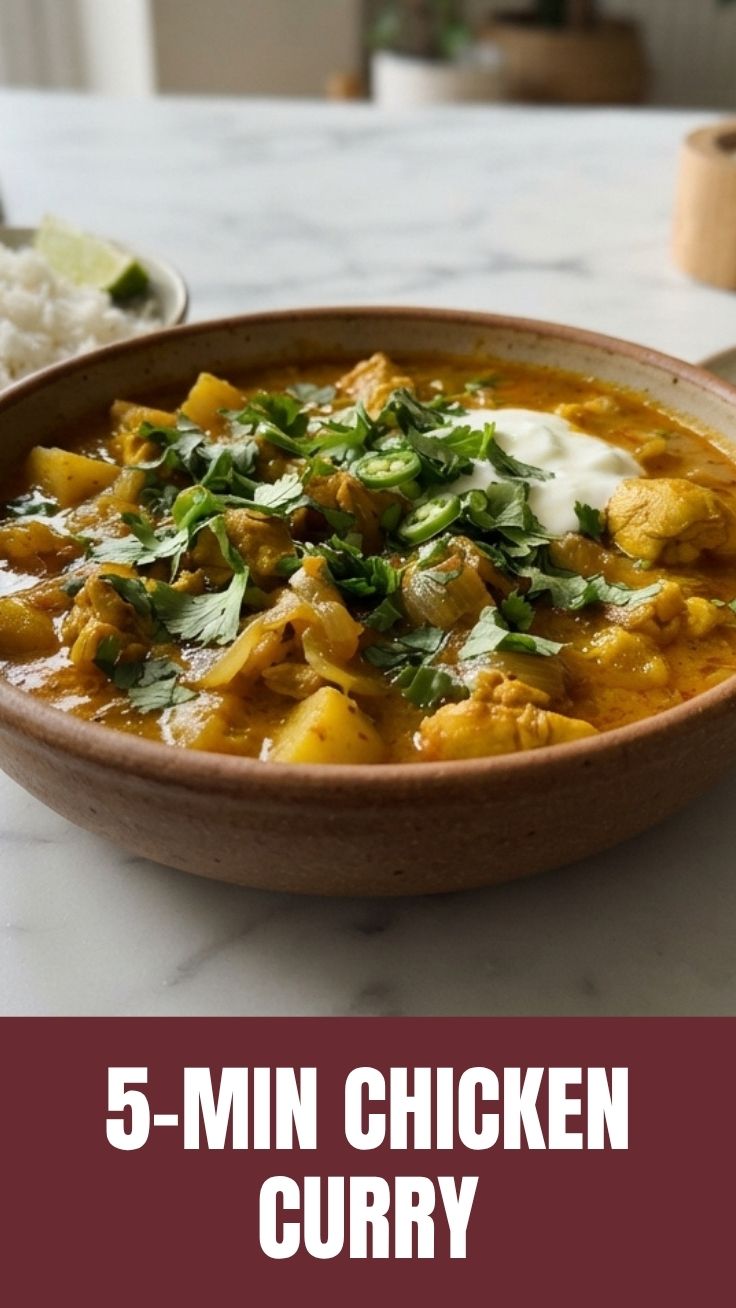
Planning is key to a stress-free cook. Follow this timeline:
| Phase | Duration | Details |
|——-|———-|———|
| Marinating | 2 hours (minimum) to overnight | Pat chicken dry, coat with 2 tbsp curry powder, salt, pepper, and half the thyme. Refrigerate. Longer marination deepens the curry aroma. |
| Prep vegetables | 15 minutes | Dice onion, mince garlic and ginger, cube potatoes, cut pepper slit for whole use. |
| Active cooking | 10 minutes | Sear chicken, sauté aromatics, add liquids. |
| Simmering | 40–50 minutes | Low, gentle bubble. Potatoes soften and sauce thickens. |
| Resting | 5 minutes | Off heat, lid on. Allows flavors to meld. |
Pro Tip: If short on time, skip marination but add an extra 10 minutes to the simmer to compensate.
Step-by-Step Instructions
1. Marinate the chicken – In a large bowl, toss chicken pieces with 2 tbsp Jamaican curry powder, 1 tsp salt, ½ tsp pepper, and ½ tbsp thyme. Cover and refrigerate for at least 2 hours (or up to 12). This step is critical for developing the signature Jamaican curry chicken depth.
2. Sear the chicken – Heat 1 tbsp oil in your Dutch oven over medium-high heat. Add chicken in a single layer (work in batches). Sear 3–4 minutes per side until golden brown. Remove and set aside. Texture cue: You want deep browning, not just pale coloring – this builds flavor.
3. Sauté aromatics – Reduce heat to medium. Add remaining 1 tbsp oil, then onion. Cook 4 minutes until translucent. Add garlic and ginger; cook 1 minute until fragrant. Temperature control: If garlic burns, reduce heat immediately – burnt garlic turns bitter.
4. Bloom the curry – Add remaining 1 tbsp curry powder, allspice, and remaining thyme. Stir constantly for 30 seconds until fragrant. Seasoning adjustment: This bloom activates the spices. If the mixture sticks, add a splash of broth.
5. Build the sauce – Pour in coconut milk and chicken broth, scraping up any browned bits from the bottom. Return chicken and any juices to the pot. Add the whole Scotch bonnet pepper (for milder heat) or minced (for spicy). Ingredient handling: Wear gloves when cutting pepper; avoid touching eyes.
6. Simmer – Bring to a gentle boil, then reduce heat to low. Cover partially and simmer for 30 minutes. Add potatoes, then continue simmering uncovered for 10–15 more minutes until potatoes are fork-tender and sauce has thickened. This easy chicken curry recipe becomes a complete meal when the sauce coats the back of a spoon.
7. Rest and serve – Remove whole pepper if used. Let the curry rest off heat for 5 minutes. Taste and adjust seasoning. Serve over steamed white rice or with warm roti.
Nutritional Benefits & Advantages
Jamaican curry chicken is more than a delicious comfort food – it’s packed with nutritional powerhouses:
| Ingredient | Key Benefit |
|————|————-|
| Chicken thighs | Excellent source of protein, iron, and zinc. Dark meat retains moisture during long cooking without drying out. |
| Turmeric (in curry powder) | Curcumin has potent anti-inflammatory properties. Pair with black pepper to boost absorption. |
| Coconut milk | Provides healthy medium-chain triglycerides (MCTs) that support brain function and energy metabolism. |
| Scotch bonnet pepper | Capsaicin aids metabolism, improves circulation, and acts as a natural pain reliever. |
| Potatoes | Complex carbohydrates supply sustained energy plus vitamin C, potassium, and fiber when eaten with skin. |
| Garlic and ginger | Both possess antimicrobial properties and support immune health. |
For a lower-calorie version, replace coconut milk with unsweetened coconut beverage and use less oil. The Chicken Curry still retains its signature flavor profile while cutting saturated fat by roughly 40%.
Tips, Variations & Cooking Advice
Flavor Variations
– Trinidad-style – Add 1 tbsp ground cumin and use green seasoning (coriander, celery, chives) instead of thyme.
– Indian fusion – Replace Jamaican curry powder with garam masala and add ½ cup yogurt at the end for creaminess.
– Coconut-free – Substitute coconut milk with unsweetened oat milk + 1 tbsp coconut extract.
Dietary Adaptations
– Gluten-free – The recipe is naturally gluten-free (most curry powders are GF, but check labels for additives).
– Dairy-free – Already dairy-free when using coconut milk.
– Low-carb – Swap potatoes for cauliflower florets (add during last 15 minutes of simmer).
Cooking Method Swaps
– Instant Pot – Use sauté mode for searing; cook on high pressure for 12 minutes with natural release. Add potatoes after pressure cycle and simmer on sauté mode for 5 minutes.
– Slow cooker – Sear chicken on stove, then transfer everything to slow cooker. Cook on low for 6 hours. Add potatoes in final hour.
Common Mistakes to Avoid
1. Skipping the marinade – This mistake yields pale, flat-tasting curry. The 2-hour minimum is non-negotiable for authentic depth.
2. Using low-fat coconut milk – The sauce won’t thicken properly and will taste watery. Full-fat is essential for texture.
3. Overcooking the chicken – Boneless thighs need less time. Test internal temperature: 165°F is safe; 175–185°F is tender for bone-in pieces.
4. Adding potatoes too early – They break down completely and turn mushy. Add only during the final 15 minutes of simmering.
5. Skipping the resting period – Resting allows starches to settle and flavors to harmonize. Impatient serving leads to a thin, less cohesive sauce.
Storage & Meal Prep Tips
Refrigeration
– How to store: Let curry cool completely (within 2 hours of cooking). Transfer to airtight glass or BPA-free plastic containers. Leave a 1-inch gap for any expansion.
– Shelf life: Refrigerated curry stays fresh for 4–5 days. Beyond that, flavors fade and texture degrades.
– Reheating: Use a stovetop over medium-low heat, stirring occasionally. Add a splash of broth or water if sauce has thickened too much. Avoid microwaving – it unevenly heats and toughens chicken.
Freezing
– Freezer prep: Portion into airtight freezer bags or containers, leaving 1-inch headspace. Label with date. Avoid freezing with rice – it becomes grainy upon thawing.
– Duration: Stays excellent for up to 3 months. Beyond that, coconut milk may separate and alter texture.
– Thawing: Overnight in refrigerator is safest. Reheat as above.
Meal Prep Strategy
– Cook a double batch on Sunday. Refrigerate half for Monday–Wednesday meals. Freeze the other half for busy weeks. Portion into 2-cup containers with rice for grab-and-go lunches.
Conclusion
You now have the complete blueprint for building a Chicken Curry that rivals any Caribbean kitchen – from proper marination to the perfect simmer timing. This easy chicken curry recipe proves that authentic flavor doesn’t require elaborate techniques; it simply demands patience and the right spices. The golden sauce, tender meat, and mellow heat that develops as the curry rests will win over even spice-wary eaters. Try this recipe this weekend, and don’t forget to share your results on social media. The aroma alone is enough to start a tradition in your kitchen. For more global curry guides, explore our collection of simmered sauces from around the world.
FAQs
1. Can I use boneless, skinless chicken breasts instead of thighs?
Yes, but reduce simmering time to 20–25 minutes total. Breasts dry out quickly. Add potatoes first, then chicken at the 15-minute mark. Monitor internal temperature closely – 165°F is safe.
2. My curry sauce is too thin. How can I thicken it?
Remove the lid for the final 10–15 minutes to let liquid evaporate. Alternatively, mash a few cooked potato cubes against the side of the pot – their starch thickens the sauce naturally without altering flavor.
3. Can I substitute regular curry powder for Jamaican curry powder?
Not directly. Jamaican curry powder contains allspice, thyme, and occasionally ginger – giving it a unique floral heat. If using Indian curry powder, add ½ tsp allspice and 1 tsp dried thyme per tablespoon.
4. How do I reduce the spiciness once the curry is cooked?
Stir in ½ cup plain yogurt or coconut cream (not milk) at the end. Acid from lime juice or vinegar also cuts heat. For future batches, remove the whole pepper earlier (after 15 minutes) or use half a pepper.
5. Can I make this dish dairy-free?
The base recipe is already dairy-free. Just confirm your curry powder doesn’t contain milk powder (rare but possible in some blends). Swap chicken broth for vegetable broth for a fully vegan version (use tofu or jackfruit instead of chicken).
Proven way to grow Chicken Curry in 3 steps. Chicken Curry
Ingredients
Equipment
Method
- Prepare a suitable planting area with rich soil and good drainage.
- Plant the chicken curry seeds according to package directions, spacing them appropriately.
- Water regularly and fertilize as needed, ensuring adequate sunlight for optimal growth.