The Ultimate Homemade Cheeseburger: A Savory Delight for Every Occasion
Are you ready to transform your understanding of a classic American dish? This isn’t just about assembling ground beef and a bun; it’s about crafting an experience, a masterpiece of flavor and texture right in your own kitchen. Many might see a Cheeseburger as simple diner fare, but I’m here to show you how making this iconic dish at home elevates it to gourmet status. Forget dry patties and bland toppings; we’re diving into the art of creating a juicy, perfectly seasoned Hamburger that will tantalize your taste buds and impress even the most discerning palates. Preparing this savory delight at home offers unparalleled control over ingredients, allowing for fresher components, personalized seasoning, and a truly superior outcome compared to any fast-food joint. Let’s unlock the secrets to a truly unforgettable homemade burger!
Ingredients & Kitchen Tools
Here’s what you’ll need to create your culinary masterpiece:
- 1.5 lbs Ground Chuck (80/20 blend): This fat content ensures a juicy and flavorful patty.
- ½ tsp Smoked Paprika: Adds a subtle smoky depth.
- 1 tsp Garlic Powder: Enhances the savory profile.
- ½ tsp Onion Powder: Contributes a foundational aromatic note.
- ½ tsp Black Pepper (freshly ground preferred): For a piquant kick and fresh flavor.
- 1 tsp Kosher Salt: Essential for seasoning and bringing out flavors.
- 4-6 slices of your favorite cheese (Cheddar, American, Swiss): Melts beautifully and adds creaminess.
- 4-6 Burger Buns (brioche, potato, or sesame seed): Choose a sturdy bun that can hold up to the juicy patty.
- Optional Toppings: Lettuce, tomato, red onion (thinly sliced), pickles, ketchup, mustard, mayonnaise, bacon, sautéed mushrooms, caramelized onions.
- Mixing Bowl: For combining ingredients.
- Grill or Cast-Iron Skillet: For cooking the patties evenly.
- Spatula: Essential for flipping and handling patties.
- Meat Thermometer (optional but recommended): For checking internal temperature.
- Basting Brush (optional): For applying butter to buns.
Prep Time & Cooking Schedule
- Prep Time: 15 minutes (active ingredient mixing and patty forming).
- Cook Time: 10-15 minutes (depending on desired doneness).
- Resting Time: 5 minutes (for patties after cooking, to redistribute juices).
Plan ahead: form your patties an hour before grilling/cooking and keep them refrigerated to help them hold their shape better. This also allows the seasonings to meld with the meat for a deeper flavor. Allow cheese to come to room temperature for easier melting.
Step-by-Step Instructions
1. Prepare the Patties: In a large mixing bowl, gently combine the ground chuck, smoked paprika, garlic powder, onion powder, black pepper, and kosher salt. Be careful not to overmix, as this can make the patties tough. Divide the mixture into 4-6 equal portions (about ⅓ to ½ pound each). Form each portion into a patty, about ¾ to 1 inch thick, making a slight indentation in the center with your thumb. This prevents the burger from bulging in the middle during cooking.
2. Preheat Your Cooking Surface: If grilling, preheat your grill to medium-high heat (375-400°F / 190-200°C). If using a cast-iron skillet, heat it over medium-high heat until hot, then add a tablespoon of high-smoke-point oil (like canola or grapeseed).
3. Cook the Patties: Place the patties on the hot grill or skillet. Cook for 3-5 minutes per side for medium-rare, 5-7 minutes per side for medium, or 7-9 minutes per side for well-done. Flip only once to ensure a good crust forms. During the last minute of cooking, place a slice of cheese on each patty to melt.
4. Toast the Buns (Optional): While the patties are cooking, you can lightly butter the cut sides of your buns and toast them on the grill or in a separate pan until golden brown. This adds a nice texture and prevents the bun from getting soggy.
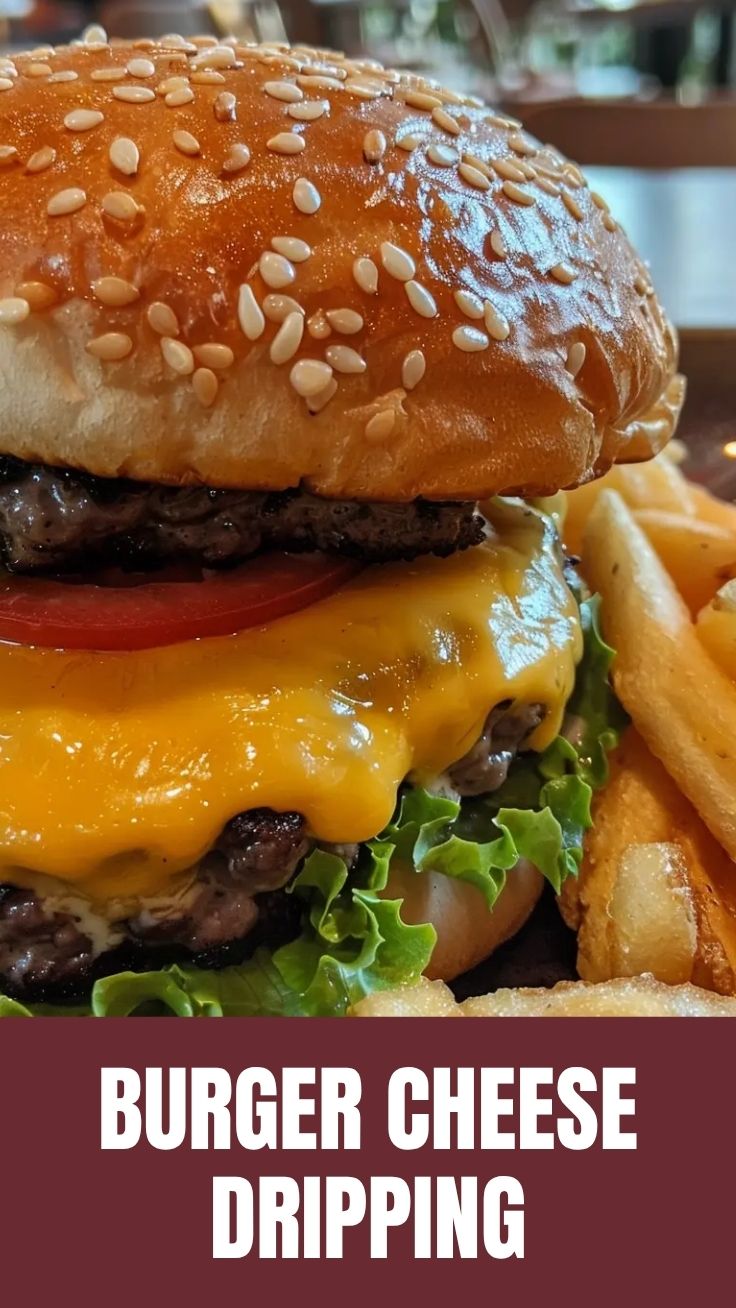
5. Assemble Your Burger: Remove the cheesy patties from the heat and let them rest for 5 minutes. This is crucial for juiciness. Begin assembling your delightful Cheeseburger. Place the cooked patty on the bottom bun, add your desired toppings, and crown it with the top bun. A properly seasoned and cooked Hamburger is a joy to behold!
Nutritional Benefits & Advantages
Crafting your own burgers allows for significant nutritional advantages. By choosing lean ground beef (if preferred) and fresh produce for toppings, you control sodium levels, unhealthy fats, and artificial additives often found in store-bought or fast-food options. Beef is an excellent source of protein, iron crucial for energy, and B vitamins vital for metabolism. Opting for whole-wheat buns adds fiber, while a generous helping of lettuce, tomato, and onion contributes essential vitamins, minerals, and antioxidants, turning a simple meal into a well-rounded and satisfying dish.
Tips, Variations & Cooking Advice
- Flavor Boost: Add a dash of Worcestershire sauce or a spoonful of finely chopped fresh herbs (parsley, chives) to the meat mixture for extra flavor.
- Spice It Up: Incorporate a pinch of cayenne pepper or a chopped jalapeño for a spicy kick.
- Alternative Meats: Experiment with ground turkey, chicken, or plant-based alternatives for dietary variations. Adjust cooking times accordingly.
- Cheese Variety: Don’t limit yourself to classic cheddar! Try provolone, blue cheese, or goat cheese for different flavor profiles.
- Gourmet Toppings: Elevate your burger with caramelized onions, crispy bacon, avocado, a fried egg, or a gourmet sauce like aioli or sriracha mayo.
- Gluten-Free: Serve on gluten-free buns or as a lettuce wrap.
- Dairy-Free: Omit the cheese or use a plant-based cheese alternative.
Common Mistakes to Avoid
- Overmixing the Meat: This is the cardinal sin of burger making! Overmixing develops the proteins too much, resulting in a tough, rubbery patty. Mix gently until just combined.
- Pressing Patties During Cooking: Resist the urge to press down on your patties with a spatula. This squeezes out all the delicious juices, leading to a dry and flavorless burger.
- Underseasoning: Don’t be shy with salt and pepper! They are crucial for bringing out the rich flavor of the beef.
- Cooking on a Cold Surface: Ensure your grill or skillet is hot before adding the patties. This creates a beautiful, flavorful crust (Maillard reaction).
- Not Resting the Meat: Just like steaks, burgers benefit from a short rest after cooking. This allows the juices to redistribute throughout the patty, ensuring every bite is moist and flavorful.
Storage & Meal Prep Tips
Cooked burger patties can be stored in an airtight container in the refrigerator for 3-4 days. For longer storage, cooked patties (without buns or toppings) can be frozen for up to 3 months. Wrap them individually in plastic wrap and then place them in a freezer-safe bag. To reheat, thaw in the refrigerator overnight and then gently warm in a skillet, oven, or microwave until heated through. For meal prep, you can form patties in advance and store them raw in the refrigerator for up to 24 hours, separated by parchment paper, or freeze them raw for up to 3 months.
Conclusion
Mastering the art of the homemade Cheeseburger is a rewarding culinary journey that pays dividends in flavor and satisfaction. By following these detailed steps and embracing the tips, you’re not just cooking a meal; you’re crafting an experience. Each juicy bite of this perfectly prepared Hamburger is a testament to the fact that home cooking truly is the best cooking. We encourage you to try this recipe tonight, customize it to your heart’s content, and share your delicious results with us! Tag us on social media or leave a comment below with your favorite topping combinations. Happy grilling!
FAQs
Q1: Can I use leaner ground beef?
A1: While 80/20 ground chuck is recommended for juiciness, you can use leaner blends like 90/10. Just be aware that leaner meat tends to be drier, so you might want to add a tablespoon of butter or a binder like breadcrumbs soaked in milk.
Q2: How do I prevent my burgers from falling apart on the grill?
A2: Ensure your ground beef is cold when forming patties, and avoid adding too many wet ingredients. Don’t overwork the meat, and make sure your grill grates are clean and well-oiled before placing the patties.
Q3: What’s the best way to get a good crust on the patties?
A3: High heat is key! Preheat your grill or cast-iron skillet sufficiently. Once the patties are down, resist flipping them too often. Let them cook undisturbed for a few minutes to develop that beautiful crust.
Q4: Can I bake these burgers instead of grilling or pan-frying?
A4: Yes, you can! Preheat your oven to 400°F (200°C). Place patties on a wire rack over a baking sheet and bake for 15-20 minutes, or until desired doneness, flipping once. Add cheese during the last few minutes.
Q5: What’s a good homemade burger sauce?
A5: A simple and delicious burger sauce can be made by combining mayonnaise, ketchup, a touch of mustard (Dijon or yellow), a dash of Worcestershire sauce, and finely minced pickles or pickle relish. Adjust to taste!
Quick way to grow a perfect Cheeseburger plant
Ingredients
Equipment
Method
- Gently place the frozen ground beef patty onto one half of the miniature bun, then cover with the cheese slice to create your "seed."
- Fill the terracotta pot with potting soil, making a small indentation in the center, and place your cheeseburger "seed" cheese-side up into it.
- Lightly cover the "seed" with a thin layer of soil, being careful not to bury it too deeply.
- Water the soil around the "seed" with 1/4 cup of water, then mix the nutrient solution into the remaining water and apply it to the soil once a week.
- Create a mini greenhouse by covering the pot with plastic wrap, securing it with a rubber band, and poke a few small holes for air circulation to encourage growth.
- Place the pot in a warm, sunny spot, ensuring consistent light and warmth to help your cheeseburger plant sprout.
- Check daily for sprouting; within a few days, a tiny cheeseburger should begin to emerge from the soil.
- Once the cheeseburger is fully grown and peeking out of the soil, carefully unwrap each one from its miniature wax paper to reveal a ready-to-eat cheeseburger.
- Add optional dehydrated pickle slices, freeze-dried lettuce and tomato, and onion flakes, along with miniature ketchup and mustard packets.