Master the Art of Comfort: Your Guide to the Perfect Homemade Beef Stew
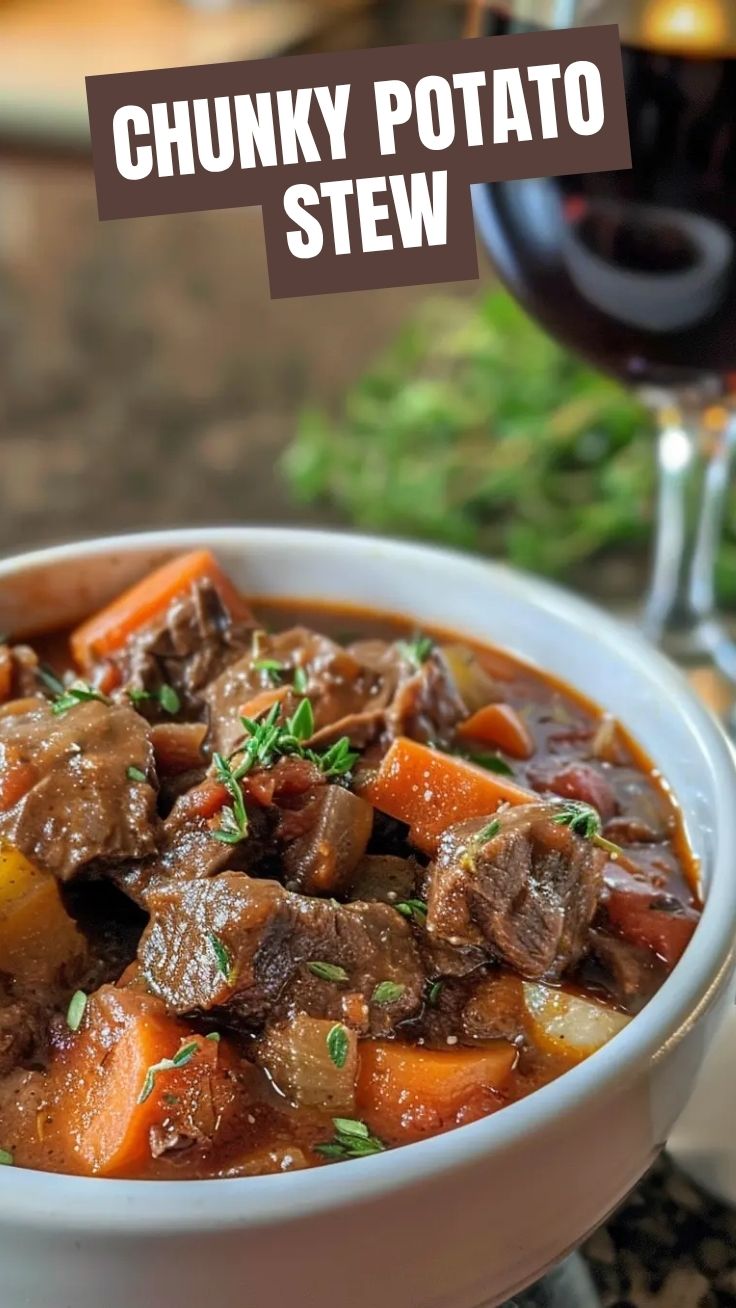
Have you ever craved a dish that warms you from the inside out, offering both hearty satisfaction and nostalgic comfort? Look no further than a classic Beef Stew. This isn’t just any meal; it’s a culinary hug in a bowl, a testament to slow cooking, and a perfect way to bring your family together around the dinner table. Preparing this delicious Recipe at home allows for unparalleled control over ingredients, ensuring a personalized flavor profile and the freshest quality. Forget expensive restaurant versions; our detailed guide empowers you to create an absolutely divine Beef Stew that will earn rave reviews. This particular Recipe is designed to be approachable yet incredibly flavorful – truly a home run for any cook!
Ingredients & Kitchen Tools
Crafting the perfect beef stew begins with the right components and equipment.
- 2 lbs Boneless Beef Chuck Roast: Cut into 1-inch cubes. This cut is ideal for slow cooking as it becomes incredibly tender.
- 2 tbsp Olive Oil: For searing the beef and sautéing vegetables.
- 1 Large Yellow Onion: Diced. Provides a foundational aromatic sweetness.
- 2 Carrots: Peeled and roughly chopped. Adds natural sweetness and vibrant color.
- 2 Celery Stalks: Chopped. Contributes a subtle, earthy flavor.
- 3 cloves Garlic: Minced. Essential for depth of flavor.
- 4 cups Beef Broth: Low sodium is preferred, allowing you to control the saltiness.
- 1 cup Dry Red Wine (optional): Such as Cabernet Sauvignon or Merlot. Adds complexity and richness to the broth.
- 2 tbsp Tomato Paste: Enhances umami and thickens the stew slightly.
- 1 tbsp Worcestershire Sauce: A savory condiment that boosts overall flavor.
- 1 tsp Dried Thyme: Classic herb pairing for beef.
- 1 tsp Dried Rosemary: Another timeless herb that complements beef beautifully.
- 2 Bay Leaves: Infuses a subtle, aromatic note.
- 2 Large Potatoes: Peeled and cut into 1-inch chunks (e.g., Russet or Yukon Gold). Starchy potatoes help thicken the stew.
- 1 cup Frozen Peas: Added at the end for freshness and color.
- Salt and Freshly Ground Black Pepper: To taste.
- 2 tbsp Cornstarch (optional): Mixed with 2 tbsp cold water, for thickening if desired.
Kitchen Tools:
- Large Dutch Oven or Heavy-Bottomed Pot: Essential for even heat distribution and slow cooking.
- Cutting Board & Sharp Knife: For preparing ingredients.
- Measuring Cups & Spoons: For accurate ingredient quantities.
- Wooden Spoon or Spatula: For stirring.
Prep Time & Cooking Schedule
Planning is key for a truly comforting stew.
- Prep Time: 25 minutes (for chopping vegetables and beef).
- Cook Time: 2.5 – 3 hours (simmering until beef is fork-tender).
- Resting Time: 10 minutes (allowing flavors to meld before serving).
Allocate approximately 3 to 3.5 hours from start to finish. This makes it a perfect weekend project or a make-ahead weekday meal. The longer simmering time ensures the beef breaks down beautifully and the flavors deepen.
Step-by-Step Instructions
Follow these steps to create a show-stopping Beef Stew that will delight everyone. This particular Recipe is designed to be foolproof.
1. Sear the Beef: Pat the beef cubes dry with paper towels. Season generously with salt and pepper. Heat olive oil in a large Dutch oven over medium-high heat. Brown the beef in batches, about 2-3 minutes per side. Don’t overcrowd the pot; this ensures a good sear. Remove seared beef and set aside.
2. Sauté Aromatics: Reduce heat to medium. Add onion, carrots, and celery to the pot. Sauté for 5-7 minutes until softened. Add minced garlic and cook for another minute until fragrant.
3. Build the Base: Stir in tomato paste and cook for 1-2 minutes, stirring constantly. Deglaze the pot with red wine (if using), scraping up any browned bits from the bottom. Let it simmer for 2-3 minutes until slightly reduced.
4. Combine Ingredients & Simmer: Return the seared beef to the pot. Pour in beef broth. Add Worcestershire sauce, dried thyme, dried rosemary, and bay leaves. Bring to a boil, then reduce heat to low, cover, and simmer for 1.5 hours, stirring occasionally.
5. Add Potatoes: After 1.5 hours, add the chopped potatoes to the stew. Continue to simmer, covered, for another 45-60 minutes, or until the beef is fork-tender and the potatoes are soft.
6. Finishing Touches: Stir in the frozen peas and cook for 5 minutes, or until heated through. If you prefer a thicker stew, mix cornstarch with cold water in a small bowl, then gradually stir into the stew. Simmer for a few more minutes until thickened. Taste and adjust seasoning with salt and pepper as needed. Remove bay leaves before serving.
Nutritional Benefits & Advantages
This hearty Beef Stew offers a wealth of nutritional advantages. Beef chuck provides an excellent source of protein, iron, and B vitamins, crucial for energy and red blood cell formation. The array of vegetables—carrots, celery, potatoes, and peas—adds dietary fiber, vitamins (A, C, K), and minerals, supporting digestive health and boosting immunity. Cooking it yourself ensures you avoid excessive sodium, unhealthy fats, and artificial additives often found in store-bought versions. It’s a complete meal in one bowl, promoting satiety and balanced nutrition.
Tips, Variations & Cooking Advice
- Spice it Up: Add a pinch of red pepper flakes for a subtle kick.
- Herb Variations: Fresh rosemary and thyme can be used (double the quantity of dried). Add them in the last 30 minutes of cooking.
- Vegetable Swap: Feel free to include other root vegetables like parsnips or turnips, or even mushrooms for an earthy depth.
- Thicker Broth: For a richer, darker broth, dredge the beef cubes lightly in flour before searing. The flour also helps to thicken the stew.
- Slow Cooker Method: After searing the beef and sautéing the aromatics, combine all ingredients (except peas) in a slow cooker. Cook on low for 6-8 hours or on high for 3-4 hours. Add peas in the last 30 minutes.
Common Mistakes to Avoid
- Overcooking the Beef Initially: Don’t cook the beef thoroughly when searing; you’re just aiming for a nice brown crust. It will finish cooking during the simmer.
- Not Patting Beef Dry: Moisture prevents proper browning, leading to grey, steamed meat instead of a flavorful sear.
- Adding Potatoes Too Early: If added at the very beginning, potatoes can become mushy. Adding them later ensures they hold their shape.
- Forgetting to Scrape the Bottom: Those browned bits (fond) from searing the beef and sautéing vegetables are packed with flavor. Deglazing helps incorporate them into the stew.
Storage & Meal Prep Tips
Leftover Beef Stew tastes even better the next day as the flavors continue to meld.
- Refrigeration: Store cooled stew in an airtight container in the refrigerator for up to 3-4 days.
- Freezing: For longer storage, freeze cooled stew in freezer-safe containers or bags for up to 3 months. Thaw overnight in the refrigerator before reheating.
- Reheating: Gently reheat on the stovetop over low heat, stirring occasionally, until warmed through. You may need to add a splash of broth or water if it’s too thick. Microwave reheating is also an option, stirring midway.
Conclusion
Mastering this incredibly satisfying Beef Stew is a culinary triumph that offers comfort, flavor, and nourishment. This comprehensive Recipe ensures that even novice cooks can achieve delicious results. We encourage you to try this ultimate comfort food in your own kitchen – experiment with the variations, savor the aroma, and enjoy the rich, tender goodness. Share your creations with us; we love seeing your homemade culinary successes!
FAQs
Q1: Can I make this stew without red wine?
A1: Absolutely! If you prefer not to use wine, simply replace it with an equal amount of beef broth. The stew will still be delicious.
Q2: My stew isn’t thickening. What should I do?
A2: If your stew is too thin, create a cornstarch slurry by mixing 1-2 tablespoons of cornstarch with an equal amount of cold water. Stir it into the simmering stew and cook for a few more minutes until it reaches your desired consistency.
Q3: What’s the best type of beef for stew?
A3: Boneless beef chuck roast is highly recommended. Its marbling and connective tissue break down beautifully during slow cooking, resulting in incredibly tender and flavorful meat.
Q4: Can I add other vegetables?
A4: Yes, feel free to customize! Mushrooms, parsnips, turnips, or even green beans can be added. If using tender vegetables like green beans, add them towards the end of the cooking process to prevent them from becoming mushy.
Q5: How can I make this stew gluten-free?
A5: This recipe is naturally gluten-free if you avoid dredging your beef in flour. Ensure your beef broth is gluten-free (most are, but always check the label) and use cornstarch if thickening, as it’s naturally gluten-free.
Proven way to grow beef stew
Ingredients
Equipment
Method
- Pat the beef dry with paper towels and toss it with flour, salt, and pepper until coated.
- Heat olive oil in a large Dutch oven over medium-high heat, then sear the beef in batches until browned on all sides, removing it to a plate.
- Add onion, carrots, and celery to the Dutch oven, cooking until softened, and then stir in the garlic for one minute.
- Return the beef to the pot, pour in the beef broth, and bring it to a simmer.
- Reduce heat to low, cover, and cook for 1.5-2 hours, or until the beef is tender.
- Add the cubed potatoes and continue to simmer for another 20-30 minutes, or until the potatoes are tender.
- Taste and adjust seasonings as needed, then serve hot with crusty bread or a salad.