Master the Art of Texas BBQ: Crafting Irresistible Brisket at Home
Ever dreamt of sinking your teeth into tender, smoky BBQ Brisket (Texas Style) that falls apart with a gentle tug, its flavor a symphony of savory and subtly sweet notes? While often perceived as a pitmaster’s exclusive domain, preparing authentic, mouth-watering brisket at home is not just achievable, but incredibly rewarding. This guide is your passport to mastering one of the most iconic dishes in American barbecue, transforming an unassuming cut of beef into a culinary masterpiece. Forget expensive restaurant bills; with a little patience and the right techniques, you can create a smoked brisket that will impress even the most discerning palates.
Ingredients & Kitchen Tools
To embark on your BBQ Brisket (Texas Style) adventure, gather these essentials:
- 10-14 lb Full Packer Brisket, USDA Prime or Choice: This consists of both the “flat” (leaner) and the “point” (fattier). Choose one with good marbling for optimal flavor and tenderness.
- Coarse-Ground Black Pepper: The dominant spice in Texas-style rub; go for a high-quality, fresh grind.
- Coarse Kosher Salt: Balances the pepper and helps form a flavorful crust.
- Optional Binder (Yellow Mustard or Worcestershire Sauce): A thin layer helps the rub adhere.
- Wood Chunks or Bisquettes (Oak or Post Oak recommended): Essential for that signature smoky flavor.
- Water Pan: Placed in the smoker to maintain moisture during cooking.
Kitchen Tools & Utensils:
- Smoker (Offset, Pellet, or Kamado-style): Crucial for low-and-slow cooking and smoke infusion.
- Sharp Boning Knife or Brisket Trimming Knife: For precise trimming of fat.
- Large Cutting Board: To handle the substantial size of the brisket.
- Instant-Read Meat Thermometer: Indispensable for monitoring internal temperature.
- Aluminum Foil or Butcher Paper (Pink Butcher Paper preferred): For wrapping the brisket during the “stall.”
- Foil Pan: For resting the brisket and collecting juices.
- Heat-Resistant Gloves: For handling the hot brisket.
- Spray Bottle (optional): Filled with apple cider vinegar, water, or beef broth for spritzing.
Prep Time & Cooking Schedule
- Prep Time: 45-60 minutes (trimming, seasoning)
- Marinating Time: Overnight (8-12 hours) (optional, but recommended for flavor penetration)
- Cook Time: 10-16 hours (depending on brisket size, smoker temperature, and consistency)
- Resting Time: 2-4 hours
Plan a full day for this culinary endeavor. The beauty of a truly tender smoked brisket lies in its unhurried preparation. Start your prep the day before and cooking early in the morning to allow ample time for the low-and-slow process and crucial resting period.
Step-by-Step Instructions
1. Trim the Brisket (Overnight Prep): Carefully trim excess hard fat from the brisket, leaving a 1/4 to 1/2-inch layer of soft fat on the top (fat cap). This fat will render and self-baste the meat. Square off edges to promote even cooking.
2. Apply the Rub: If using, spread a thin layer of mustard or Worcestershire over the brisket. Generously apply the coarse salt and pepper rub across all surfaces, pressing it gently to adhere. Let it sit at room temperature for 1-2 hours or refrigerate overnight for deeper flavor.
3. Preheat Your Smoker: Bring your smoker to a stable temperature of 225-275°F (107-135°C). Add your chosen wood chunks; aiming for a thin blue smoke, not thick white smoke, which can impart a bitter flavor. Place a water pan inside.
4. Smoke the Brisket (Unwrapped Phase): Place the brisket fat-side up (or towards the main heat source) directly on the smoker grates. Smoke unwrapped until a beautiful “bark” forms and the internal temperature reaches 150-165°F (65-74°C). This can take 6-10 hours. Spritz every 1-2 hours after the bark sets to prevent drying.
5. The “Stall” & Wrapping: As the internal temperature approaches 150-165°F, you’ll likely hit the “stall” where evaporation cools the meat, stalling the cooking process. This is when you wrap the brisket tightly in butcher paper or heavy-duty foil. This pushes past the stall and helps retain moisture. Return the wrapped brisket to the smoker.
6. Continue Cooking to Tenderness: Cook until the internal temperature reaches 200-205°F (93-96°C) and, more importantly, the brisket feels “probe tender” – the thermometer should slide in with very little resistance, like pushing it into warm butter. This can take another 4-6 hours. This careful attention to the BBQ Brisket (Texas Style) cooking ensures maximum tenderness.
7. The Crucial Rest: Transfer the wrapped brisket to an empty cooler (without ice) or an unheated oven, still wrapped. Let it rest for at least 2 hours, ideally 3-4 hours. This allows the muscle fibers to relax and reabsorb juices, resulting in an incredibly moist smoked brisket.
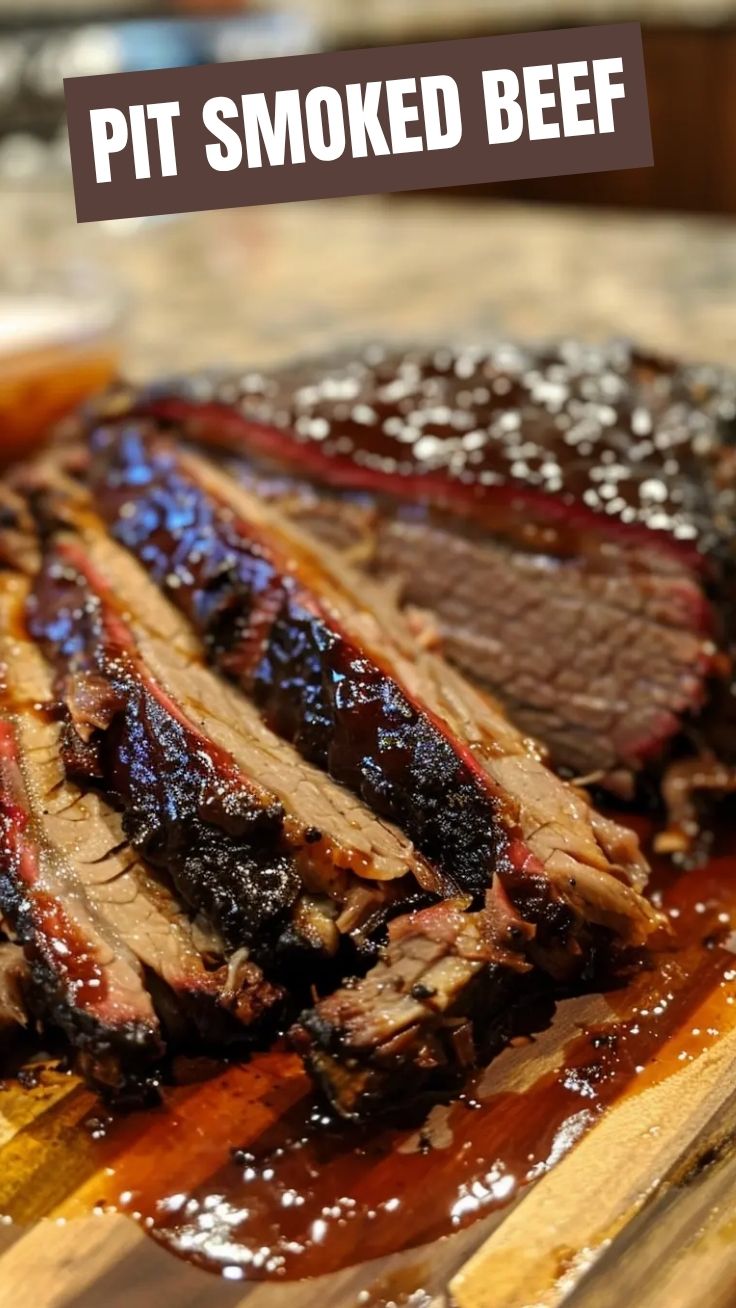
8. Slice Against the Grain: Unwrap the brisket and separate the flat from the point (if not already separated by the trim). Slice the flat against the grain into pencil-thick slices. For the point, shred or cube it for burnt ends. Serve immediately.
Nutritional Benefits & Advantages
Brisket, while rich, offers significant nutritional benefits. It’s an excellent source of high-quality protein, essential for muscle repair and growth. It also provides important B vitamins (B12, niacin) crucial for energy metabolism, and minerals like zinc and iron. Cooking it low-and-slow with minimal added sugars or sauces, as in Texas style, allows the natural flavors to shine and avoids unnecessary calories. While it’s higher in fat, much of it renders out, and the remaining healthy fats contribute to satiety.
Tips, Variations & Cooking Advice
- Wood Choice: While oak is classic, pecan or hickory also pair beautifully with brisket. Avoid mesquite if you’re new to smoking, as its flavor can be overpowering.
- Spritzing: A 50/50 mix of apple cider vinegar and water is a common spritz. It helps keep the surface moist and contributes to bark formation without washing off the rub.
- Burnt Ends: The fatty point is perfect for making “burnt ends.” After separation, cube the point, toss with some rub and a touch of BBQ sauce (optional), and return to the smoker for another 1-2 hours until caramelized.
- Temperature Consistency: Maintaining a consistent smoker temperature is key. Invest in a good thermometer for your smoker.
- Don’t Over-Trim: Leaving some fat is crucial; it renders and keeps the meat moist.
Common Mistakes to Avoid
- Under-Trimming or Over-Trimming: Too much fat prevents bark, too little results in dry meat.
- Not Letting it Rest: This is perhaps the biggest mistake! Skipping the rest makes the brisket dry and tough.
- Cooking by Time Instead of Temperature/Tenderness: Every brisket is different; cook until it’s done, not by the clock.
- Too Much Smoke: Excessive white smoke leads to a bitter taste. Aim for a thin, nearly invisible “blue smoke.”
- Frequent Lid Opening: Each time you open the smoker, you lose heat and extend cooking time. “If you’re lookin’, you ain’t cookin’!”
Storage & Meal Prep Tips
Leftover Brisket (Texas Style) can be a treasure!
- Refrigeration: Store sliced or whole pieces in an airtight container for up to 3-4 days. For best results, store in its own rendered juices to maintain moisture.
- Freezing: Wrap individual portions tightly in plastic wrap, then aluminum foil, and place in a freezer bag. Freeze for up to 2-3 months. Thaw overnight in the refrigerator.
- Reheating: Gently reheat in a preheated oven at 250-300°F (120-150°C) with a splash of beef broth, covered with foil, until warmed through. Alternatively, use a sous vide bath for incredibly tender reheating. Avoid high heat, which can dry it out.
Conclusion
Crafting the perfect BBQ Brisket (Texas Style) is a journey of patience, precision, and passion, but the payoff is an unbelievably tender, flavorful feast. By following these steps, understanding the nuances of temperature and smoke, and most importantly, allowing for that crucial resting period, you can achieve a truly remarkable smoked brisket right in your backyard. Don’t be intimidated; embrace the process, trust your instincts, and prepare to be hailed as a barbecue hero. Give this recipe a try, share your results in the comments, and explore our other delicious smoked meat recipes!
FAQs
1. Can I make this in an oven if I don’t have a smoker?
While an oven won’t impart the smoky flavor, you can achieve a tender brisket by following the same general principles of low-and-slow cooking. Use liquid smoke sparingly in the rub, and consider a deep roasting pan with a lid for moisture.
2. How do I know when the brisket is truly “probe tender?”
Forget the temperature alone. Probe the brisket with your thermometer in several spots. It should slide in and out with almost no resistance, like soft butter. If it’s tough in spots, it needs more time.
3. What if my brisket “stalls” for a very long time?
The stall is normal. If it’s prolonged, ensure your smoker temperature is consistent. Wrapping the brisket as described is the most effective way to push through the stall.
4. What cut of brisket should I buy?
A “full packer” brisket, which includes both the flat and point, is ideal. It allows for better rendering of fat and results in a moister product.
5. How important is the resting period?
Extremely important! Without it, the juices will run out when you slice, leaving you with dry meat. The rest allows the muscle fibers to relax and reabsorb those precious juices, ensuring a succulent result.
Proven way to grow your BBQ Brisket (Texas Style)
Ingredients
Equipment
Method
- Trim the excess fat from the brisket, leaving about a 1/4 inch fat cap. Mix the dry rub ingredients and generously apply the rub mixture all over the brisket. Allow the brisket to rest in the refrigerator for at least 4 hours, or preferably overnight.
- Preheat your smoker to 225-250°F (107-121°C). Place the brisket fat-side up in the smoker and cook until the internal temperature reaches 165°F (74°C), typically 6-8 hours. Wrap the brisket in butcher paper or foil, then return it to the smoker and continue cooking until it reaches an internal temperature of 200-205°F (93-96°C) and is probe-tender, another 4-6 hours.
- Once the brisket is tender, remove it from the smoker and let it rest, still wrapped, in a cooler or an unheated oven for at least 2-4 hours. This crucial step allows the juices to redistribute. After resting, unwrap the brisket and slice it against the grain into pencil-thick slices.