Why Hoisin Garlic Noodles Should Be Your Next Weeknight Dinner Hero
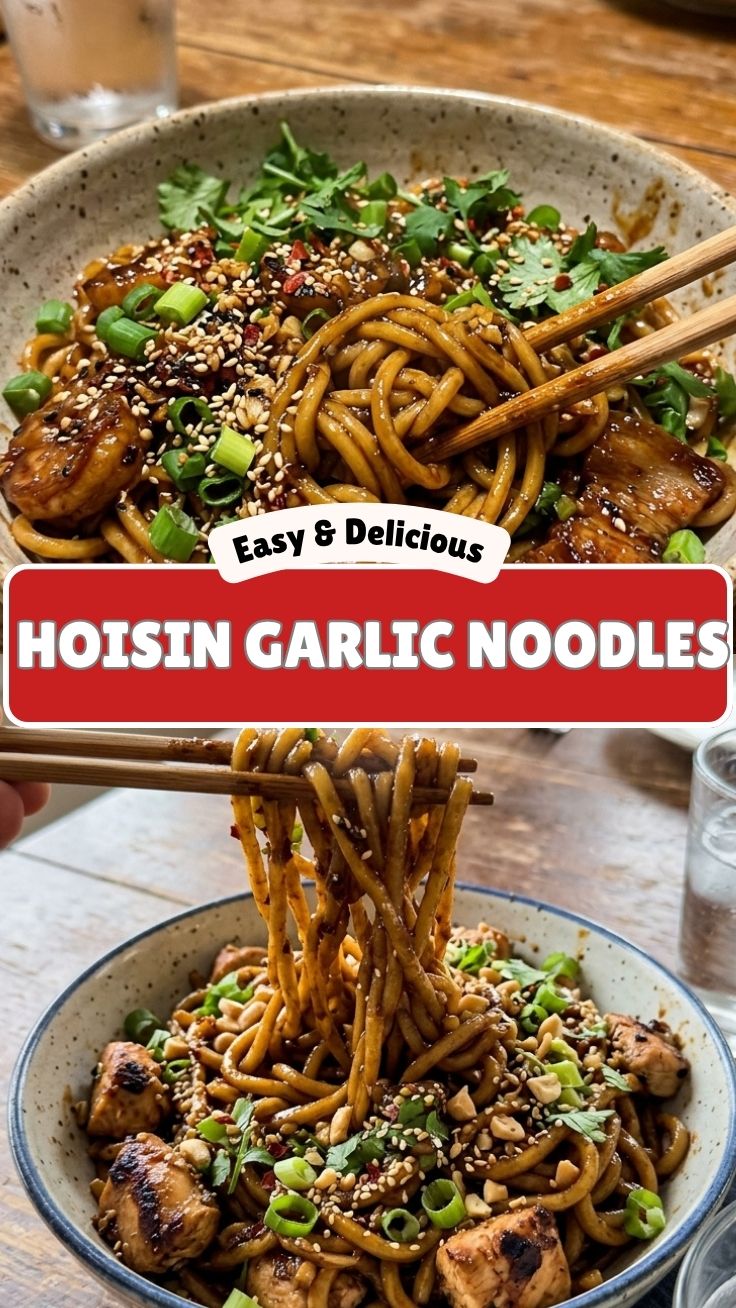
Have you ever found yourself staring into your pantry at 6 PM, wondering what magic you can create with a handful of basic ingredients? The answer might be simpler than you think. These Hoisin Garlic Noodles deliver restaurant-quality flavor in under 30 minutes, and the best part is that you probably already have most of the ingredients in your kitchen. By mastering this one recipe, you unlock a gateway to countless asian noodle recipes that can transform your weekly meal rotation. Preparing this dish at home saves money, allows complete control over ingredients, and tastes far superior to takeout versions that often arrive soggy and lukewarm.
—
Ingredients & Kitchen Tools
For the Noodles
– 8 oz dried lo mein noodles or fresh egg noodles – Chewy texture is key; substitute with udon or thick rice noodles if needed
– 2 tablespoons vegetable oil – High smoke point oil prevents burning; avocado or peanut oil work well
– 4 cloves garlic, minced – Fresh garlic is non-negotiable for that pungent aromatic base
– 1/4 cup hoisin sauce – The star ingredient providing sweet-savory depth with fermented soybean notes
– 2 tablespoons soy sauce – Use low-sodium to control salt levels; tamari for gluten-free
– 1 tablespoon rice vinegar – Balances sweetness with mild acidity
– 1 teaspoon sesame oil – Toasted variety adds nutty finish; drizzle at the end for maximum impact
– 1/2 teaspoon red pepper flakes – Adjust to heat preference; omit for milder version
– 2 green onions, sliced – For garnish and fresh crunch
– 1 tablespoon toasted sesame seeds – Optional but recommended for texture
Kitchen Tools
– Large pot for boiling noodles
– Colander for draining
– Wok or large skillet (12-inch preferred)
– Wooden spoon or tongs
– Small bowl for sauce mixing
– Chef’s knife and cutting board
Optional Substitutions
– Protein add-ins: Sliced chicken, beef strips, tofu, or shrimp
– Vegetable boosters: Shredded carrots, bell peppers, snap peas, or bok choy
– Noodle alternatives: Soba noodles, zucchini noodles, or ramen noodles
—
Prep Time & Cooking Schedule
| Phase | Time | Notes |
|——-|——|——-|
| Prep Time | 10 minutes | Mince garlic, slice green onions, mix sauce |
| Cook Time | 12 minutes | Boil noodles 5-7 minutes, stir-fry 4-5 minutes |
| Total Time | 22 minutes | No resting or marinating required |
This dish moves fast, so have everything measured and ready before you turn on the heat. The sauce can be prepared up to 24 hours in advance and stored in the refrigerator—simply whisk before using as ingredients may separate.
—
Step-by-Step Instructions
1. Bring a large pot of salted water to a rolling boil. Cook your noodles according to package directions until al dente—typically 5-7 minutes for fresh egg noodles. Drain immediately and rinse with cold water to stop cooking. Toss with 1 teaspoon of oil to prevent sticking.
2. While noodles cook, prepare the sauce. In a small bowl, whisk together hoisin sauce, soy sauce, rice vinegar, and red pepper flakes until smooth. Set aside near your cooking station.
3. Heat vegetable oil in a wok or large skillet over medium-high heat. Wait until the oil shimmers—this indicates it’s hot enough. Add minced garlic and stir constantly for 30 seconds until fragrant but not browned. Burnt garlic turns bitter, so watch carefully.
4. Add the drained noodles to the pan. Toss vigorously with tongs to coat every strand with garlic oil. Cook for 1 minute, allowing the noodles to slightly char in spots—these caramelized bits add incredible depth.
5. Pour the prepared sauce over the noodles. Continue tossing and stirring for 2-3 minutes until the sauce thickens and clings to each noodle. You’ll notice the noodles becoming glossy and slightly sticky when ready.
6. Remove from heat immediately. Drizzle with toasted sesame oil and toss once more. The residual heat will distribute the oil without cooking off its delicate flavor.
7. Plate and garnish generously with sliced green onions and toasted sesame seeds. Serve hot.
Temperature control tip: If your pan gets too hot and noodles start sticking, reduce heat to medium and add a splash of water or additional hoisin sauce to create steam and loosen the noodles.
—
Nutritional Benefits & Advantages
This dish offers surprising nutritional value beyond its addictive flavor profile. Hoisin Garlic Noodles provide approximately 380 calories per serving with 8 grams of protein from the noodles alone. The garlic contributes allicin, a compound linked to immune support and cardiovascular health. Hoisin sauce, despite its sweetness, contains fermented soybean paste which offers probiotics beneficial for gut health.
The sesame oil adds heart-healthy unsaturated fats and vitamin E, while green onions provide vitamin K and antioxidants. For those exploring asian noodle recipes as part of a balanced diet, this dish can be easily customized to increase vegetable content or protein without sacrificing flavor. The moderate sodium content can be managed by using low-sodium soy sauce and reducing added salt.
—
Tips Variations & Cooking Advice
Flavor Twists:
– Spicy Szechuan version: Add 1 teaspoon Szechuan peppercorns and 1 tablespoon chili crisp
– Peanut sauce variation: Replace half the hoisin with creamy peanut butter and add lime juice
– Mushroom umami: Sauté 8 oz sliced shiitake mushrooms before adding noodles
Dietary Adaptations:
– Gluten-free: Use rice noodles or soba noodles (check labels) and tamari instead of soy sauce
– Vegan: Already plant-based; add crispy tofu for protein
– Low-carb: Substitute shirataki noodles or spiralized zucchini
Cooking Methods:
– One-pan method: Cook protein first, remove, then proceed with garlic and noodles
– Sheet pan version: Toss cooked noodles with sauce and vegetables, roast at 400°F for 10 minutes
– Cold noodle salad: Prepare and chill, serve with extra vegetables and a squeeze of lime
—
Common Mistakes to Avoid
Mistake 1: Overcooking the noodles
Soggy noodles ruin texture. Undercook by 1 minute—they’ll finish cooking in the pan. Rinse with cold water to stop cooking immediately after draining.
Mistake 2: Burning the garlic
Garlic cooks fast. Add it to the pan only when oil is hot, and keep moving. If you see brown spots, reduce heat immediately.
Mistake 3: Using cold noodles straight from the refrigerator
Cold noodles clump and don’t absorb sauce properly. Always use room temperature or freshly cooked noodles for best results.
Mistake 4: Skimping on the sauce
The noodles need enough coating to remain flavorful through the entire dish. If the pan looks dry, add 2-3 tablespoons of water or additional hoisin.
Mistake 5: Adding sesame oil too early
Sesame oil has a low smoke point and burns easily. Always add it off-heat as a finishing touch to preserve its nutty aroma.
—
Storage & Meal Prep Tips
Refrigeration: Store cooled noodles in an airtight container for up to 4 days. The noodles may absorb sauce over time, so consider storing sauce separately if meal-prepping ahead.
Freezing: Not recommended for this dish as thawed noodles become mushy. However, the sauce freezes beautifully for up to 3 months in a sealed container.
Reheating:
– Stovetop (best method): Heat a skillet over medium heat with 1 tablespoon water or oil. Add noodles and toss for 2-3 minutes until hot.
– Microwave: Cover with a damp paper towel and heat in 30-second intervals, stirring between each.
– Add moisture: If noodles seem dry, splash with soy sauce, water, or additional hoisin during reheating.
Meal Prep Strategy: Cook noodles and sauce separately. Combine only when ready to serve. Prepare vegetables and garlic up to 2 days ahead. Cook and refrigerate protein components separately for quick assembly.
—
Conclusion
Mastering these Hoisin Garlic Noodles transforms your weekday cooking from mundane to memorable. The beauty lies in its simplicity—five ingredients, one pan, and twenty minutes deliver a dish that rivals any takeout. This recipe serves as a foundation for countless asian noodle recipes, encouraging you to experiment with proteins, vegetables, and spice levels until you create your signature version. The balance of sweet hoisin, pungent garlic, and nutty sesame creates a harmony that pleases picky eaters and food enthusiasts alike. Try this recipe tonight, and don’t forget to share your variations in the comments—your perfect noodle bowl awaits.
—
FAQs
Can I make Hoisin Garlic Noodles without a wok?
Absolutely. A large non-stick skillet or stainless steel pan works perfectly. The key is using high heat and not overcrowding the pan to achieve proper caramelization.
What protein pairs best with this dish?
Thinly sliced flank steak or chicken thigh meat complements the sauce beautifully. For seafood, try shell-on shrimp that you peel after cooking—the shells add flavor to the oil. Tofu pressed and pan-fried until crispy also works wonderfully.
How do I fix oversalted noodles?
Add a squeeze of fresh lemon juice or rice vinegar to balance the salt. You can also toss in a handful of fresh bean sprouts or shredded cabbage to dilute the seasoning without making the dish watery.
Can I use bottled minced garlic?
Fresh minced garlic is strongly recommended. Bottled versions often contain preservatives that alter flavor and may burn faster due to added liquid. If using jarred garlic, reduce cooking time and add it later in the process.
Why did my noodles turn out mushy?
This usually happens from overcooking or not rinsing after boiling. Always undercook by one minute, rinse thoroughly with cold water, and toss with oil before stir-frying to maintain distinct noodle strands with pleasant chew.
Is hoisin sauce the same as oyster sauce?
No, they are different. Hoisin is sweet and made from fermented soybean paste, while oyster sauce is savory and made from oyster extracts. They are not interchangeable, though both appear in many asian noodle recipes.
Best way to grow Hoisin Garlic Noodles
Ingredients
Equipment
Method
- Separate garlic cloves from the bulb and plant each clove, pointed end up, in well-draining soil, spaced about 4-6 inches apart.
- Water regularly to keep the soil consistently moist but not waterlogged, and allow several months for the garlic to grow mature bulbs.
- Once the leaves start to yellow and die back, typically in summer, carefully harvest the garlic bulbs by loosening the soil around them.
- Cook egg noodles according to package directions, then drain and set aside.
- While noodles cook, mince the freshly harvested garlic.
- In a pan, sauté the minced garlic in sesame oil until fragrant.
- Add hoisin sauce and soy sauce to the pan, stirring to combine them with the garlic.
- Toss the cooked noodles in the sauce until they are fully coated.