Why Homemade Onion Rings Are Worth Every Bite
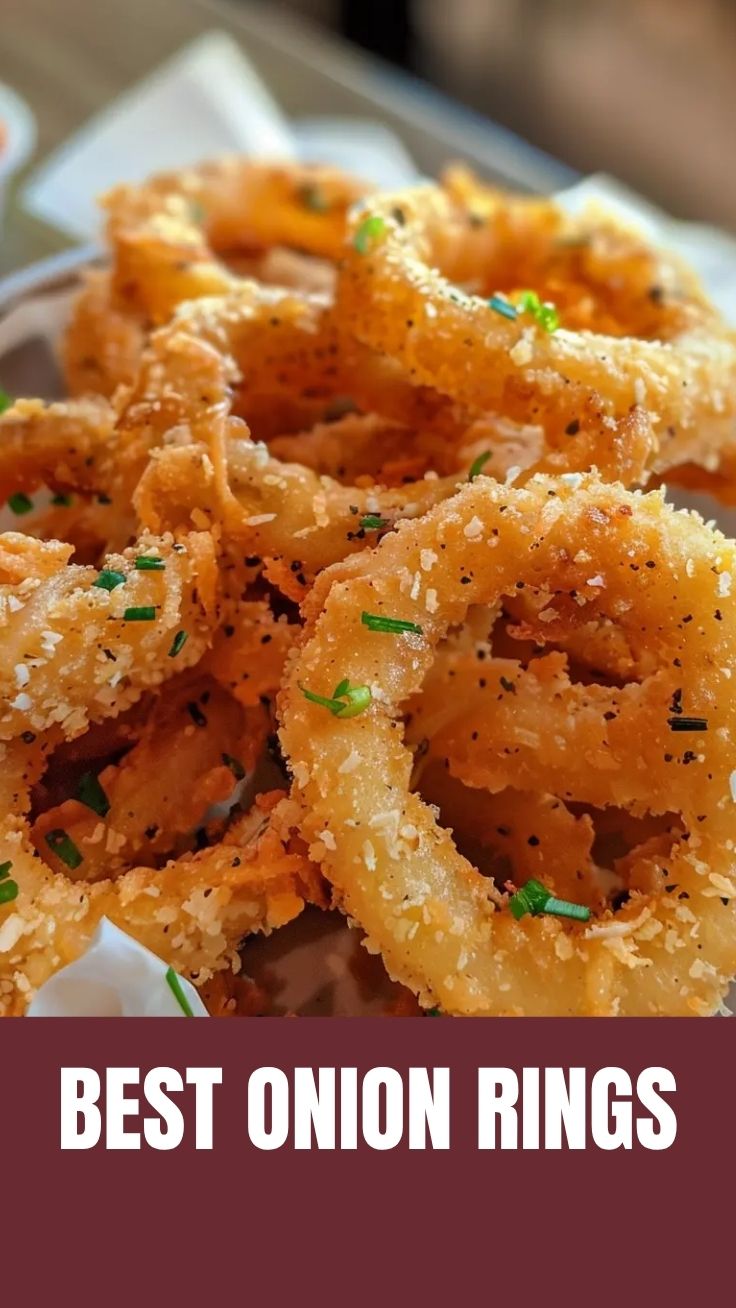
Have you ever craved that perfect, golden-brown crunch from a restaurant appetizer but ended up disappointed by soggy, greasy results at home? You aren’t alone. The secret to achieving restaurant-quality crunch lies in mastering the batter technique and temperature control. When you make crispy onion rings from scratch, you control the oil quality, seasoning depth, and texture—leading to a superior snack that is both rewarding and customizable. If you love this classic appetizer, you’ll also enjoy our Onion Rings (Crispy) guide, which deep-dives into the science of crunch. And for a healthier alternative that doesn’t sacrifice texture, the Air Fryer Onion Rings method is a game-changer. Today, we’re unlocking the step-by-step process to achieve crispy onion rings that shatter with every bite.
—
Ingredients & Kitchen Tools
Ingredients:
– 2 large sweet onions – Vidalia or Walla Walla work best for mild flavor and tender rings
– 1 cup buttermilk – Adds tanginess and tenderizes the onion; substitute with 1 cup milk + 1 tbsp lemon juice
– 1 large egg – Binds the batter and promotes golden browning
– 1 cup all-purpose flour – Provides structure; swap with gluten-free flour blend for dietary needs
– 1/2 cup cornstarch – The secret to extra crispiness; absorbs moisture efficiently
– 1 tsp garlic powder – Adds savory depth
– 1 tsp smoked paprika – Provides color and subtle smokiness
– 1/2 tsp cayenne pepper – Optional heat adjustment
– 1 tsp salt – Enhances flavor
– 1/2 tsp black pepper – Balances seasoning
– 4 cups vegetable oil – For deep frying; canola or peanut oil also work (smoke points above 400°F)
Kitchen Tools:
– Heavy-bottomed pot or Dutch oven – Ensures stable oil temperature
– Candy thermometer – Critical for monitoring 350°F oil temperature
– Wire rack with baking sheet – Prevents rings from steaming and staying crisp
– Tongs with silicone tips – Gentle handling without damaging coating
– Mixing bowls – Separate wet and dry ingredient bowls
– Sharp knife and cutting board – For even onion slicing
—
Prep Time & Cooking Schedule
| Stage | Time | Notes |
|——-|——|——-|
| Prep Time | 15 minutes | Soaking onions in buttermilk while preparing batter |
| Soaking Time | 20 minutes | Buttermilk soak tenderizes and helps coating adhere |
| Frying Time | 10–12 minutes | Fry in 4–5 batches to avoid crowding |
| Resting Time | 2 minutes | Drain on wire rack before serving |
Total time: approximately 50 minutes.
Plan to start the oil heating while the onions soak—this ensures the correct temperature is ready when you begin frying. For best results, maintain the oil between 345°F and 355°F throughout cooking.
—
Step-by-Step Instructions
Step 1: Prepare the Onions
Slice onions into 1/2-inch thick rings. Separate gently and place in a bowl with buttermilk. Soak for 20 minutes—this reduces sharp sulfur compounds and creates a sticky surface for the coating to cling to.
Step 2: Create the Dry Coating
In a shallow dish, whisk together flour, cornstarch, garlic powder, smoked paprika, cayenne, salt, and black pepper. The cornstarch is the key to achieving crispy onion rings with a delicate, shattering exterior.
Step 3: Heat the Oil
Pour oil into a heavy pot to a depth of 2 inches. Heat to 350°F (confirm with thermometer). If the oil is too cool, rings absorb grease; too hot, the coating burns before the onion cooks.
Step 4: Coat the Rings
Remove rings from buttermilk, allowing excess to drip off. Dredge each ring in the flour mixture, pressing lightly to adhere. Shake off excess. For extra crunch, dip again in buttermilk and re-coat—this double-dip method guarantees crispy onion rings every time.
Step 5: Fry in Batches
Carefully place 4–5 rings into the hot oil. Fry for 2–3 minutes, flipping once, until deep golden brown. Transfer to a wire rack—never paper towels, which trap steam and soften the coating. Season immediately with a pinch of salt.
Step 6: Serve Immediately
For the best texture, serve within 5 minutes of frying. If you prefer a lighter version, the Air Fryer Onion Rings technique uses minimal oil while maintaining crunch.
—
Nutritional Benefits & Advantages
Onions are rich in quercetin, a flavonoid with anti-inflammatory properties, and prebiotic fiber that supports gut health. When prepared at home, you control sodium levels and avoid preservatives found in frozen versions. A single serving of homemade crispy onion rings (about 6 rings) contains approximately 280 calories, 12g fat, 35g carbohydrates, and 5g protein—significantly lighter than many restaurant appetizers that can exceed 500 calories per serving. The buttermilk soak also adds calcium and vitamin B12. For those monitoring heart health, the moderate oil temperature minimizes formation of trans fats.
—
Tips Variations & Cooking Advice
Flavor Twists:
– Herb-infused: Add 1 tbsp dried oregano or thyme to the flour mixture
– Spicy kick: Increase cayenne or add 1/2 tsp chili powder
– Cheesy coating: Whisk in 2 tbsp grated Parmesan for umami
Dietary Adaptations:
– Gluten-free: Substitute flour with rice flour or chickpea flour; cornstarch remains gluten-free
– Dairy-free: Replace buttermilk with almond milk + 1 tbsp vinegar; use coconut oil for frying
– Low-carb: Use almond flour (1/2 cup) + psyllium husk (1 tsp) for coating
Cooking Methods:
– Baking: Coat rings with oil spray and bake at 425°F for 15–18 minutes (less crispy but lower fat)
– Air Frying: For Air Fryer Onion Rings, spray coated rings with oil and cook at 375°F for 10–12 minutes, flipping halfway—no deep-frying required
Pro Tip: Soak sliced onions in ice water for 30 minutes before buttermilk soak to enhance crunch by removing excess moisture.
—
Common Mistakes to Avoid
1. Soggy Coating – Cause: Insufficient drying or overcrowding the fryer.
Fix: Pat onions dry before buttermilk soak, and never fry more than 5 rings at once.
2. Burnt Exterior, Raw Interior – Cause: Oil temperature too high (above 365°F).
Fix: Keep thermometer clipped to the pot; lower heat if temperature spikes.
3. Coating Falls Off – Cause: Skipping the double-dip method or using wet onions.
Fix: Always shake excess buttermilk before coating, and follow up with a second dip.
4. Greasy Results – Cause: Oil temperature too low (below 330°F).
Fix: Use a thermometer and maintain 350°F; let oil reheat between batches.
5. Limp Rings After Cooling – Cause: Placing on paper towels or stacking.
Fix: Use a wire rack and serve immediately—never cover with foil.
—
Storage & Meal Prep Tips
Refrigeration: Store leftover crispy onion rings in an airtight container with a paper towel lined at the bottom. They remain fresh for up to 2 days, but texture diminishes after 24 hours.
Freezing: Place cooked, cooled rings on a parchment-lined tray and freeze for 1 hour. Transfer to a freezer bag for up to 1 month. Reheat directly from frozen—do not thaw first.
Reheating Methods:
– Oven: 400°F for 5–7 minutes on a wire rack—restores near-original crispiness
– Air Fryer: 350°F for 3–5 minutes—best for reviving Air Fryer Onion Rings
– Avoid: Microwave, which turns coating rubbery
Meal Prep Hack: Prepare the dry coating mix and buttermilk soak in advance. Store the coating in an airtight jar for up to 2 weeks. Soak onions up to 4 hours ahead (cover and refrigerate). Fry just before serving for freshest results.
—
Conclusion
Creating crispy onion rings at home is not just about following a recipe—it’s about understanding temperature, moisture management, and the art of coating. With these precise steps, you can produce rings that rival any restaurant appetizer: shatteringly crunchy on the outside, tender and sweet on the inside. The key takeaways are controlling oil temperature, using a double-dip method, and never skipping the wire rack. If you’re seeking a lighter alternative, the Air Fryer Onion Rings variation delivers remarkable crunch with minimal fat. Homemade means you can tweak seasonings, adjust spice levels, and experiment with gluten-free or dairy-free versions. I encourage you to try this recipe tonight—your taste buds (and your wallet) will thank you. Share your results in the comments or tag your photos—I’d love to see your golden-brown masterpieces.
—
FAQs
1. Can I use yellow or white onions instead of sweet onions?
Yes, but yellow onions have a sharper flavor. Soak them in buttermilk for 30 minutes instead of 20 to mellow the pungency. White onions are milder but may lack sweetness.
2. What’s the best oil for frying onion rings?
Vegetable, canola, or peanut oil work best due to their high smoke points (400°F+). Avoid olive oil or butter, which burn at frying temperatures.
3. Why are my onion rings falling apart after frying?
This happens when the oil temperature is inconsistent or the coating isn’t firmly pressed. Ensure the double-dip method is followed, and maintain oil at 350°F throughout.
4. Can I make these gluten-free?
Absolutely. Replace all-purpose flour with a 1:1 gluten-free flour blend, and confirm cornstarch is certified gluten-free. The texture may be slightly more delicate but still crunchy.
5. How can I reheat leftover rings without losing crispiness?
Use an air fryer at 350°F for 3–5 minutes or a 400°F oven for 5–7 minutes on a wire rack. Avoid microwaving at all costs—the steam will turn the coating soggy.
Quick way to grow 7 Onion Rings (Crispy)
Ingredients
Equipment
Method
- Slice the onion into 7 thick rings and separate them.
- In a bowl, whisk together the flour, baking powder, salt, and pepper.
- In another bowl, beat the egg and then whisk in the milk to create a wet batter.
- Heat vegetable oil in a deep pan or pot to about 350°F (175°C).
- Dip each onion ring into the dry flour mixture, then into the wet batter, and finally back into the flour mixture, ensuring it's fully coated.
- Carefully place the coated onion rings into the hot oil, frying 2-3 at a time to avoid overcrowding.
- Fry for 2-3 minutes per side, or until golden brown and crispy.
- Remove the onion rings with a slotted spoon and place them on a paper towel-lined plate to drain excess oil.