The Ultimate Guide to Perfect Homemade Salsa: Fresh, Flavorful, and Foolproof
Have you ever opened a store-bought jar of salsa only to find it tastes like watery ketchup with a hint of regret? If so, you’re not alone—and the solution is simpler than you think. Crafting your own Homemade Salsa from scratch transforms your kitchen into a fiesta of flavor while letting you control every ingredient. Whether you are a seasoned cook or a curious beginner, the magic begins with choosing the right Fresh tomatoes as your canvas. This recipe delivers a vibrant, chunky, and naturally balanced salsa that outshines anything from a jar—plus it saves money, reduces additives, and adapts to your personal heat level. Let’s dive into how Homemade Salsa and Fresh tomatoes create the perfect pair for your next taco night or chip-and-dip session.
—
Ingredients & Kitchen Tools
Produce
– 6 medium ripe tomatoes (Roma or vine-ripened work best) – Seeded and roughly chopped for a chunky base.
– 1 medium white onion – Finely diced; adds sharpness and crunch.
– 2–3 jalapeño peppers – Minced; remove seeds for milder heat.
– 3 garlic cloves – Minced for pungent depth.
– ½ cup fresh cilantro – Chopped; stems included for extra flavor.
– 1 lime – Juiced; adds acidity and brightness.
Pantry Items
– 1 teaspoon salt – Adjust to taste; flaky sea salt is ideal.
– ½ teaspoon ground cumin – For earthy warmth.
– ¼ teaspoon black pepper – Freshly ground preferred.
Optional Substitutions
– Swap jalapeños for serrano peppers if you want more heat.
– Replace white onion with red onion for a milder, sweeter bite.
– Use 1 tablespoon of white vinegar if limes are unavailable.
Kitchen Tools
– Cutting board and sharp chef’s knife
– Medium mixing bowl
– Measuring spoons
– Citrus juicer or fork
– Fine-mesh strainer (optional, for removing excess tomato liquid)
—
Prep Time & Cooking Schedule
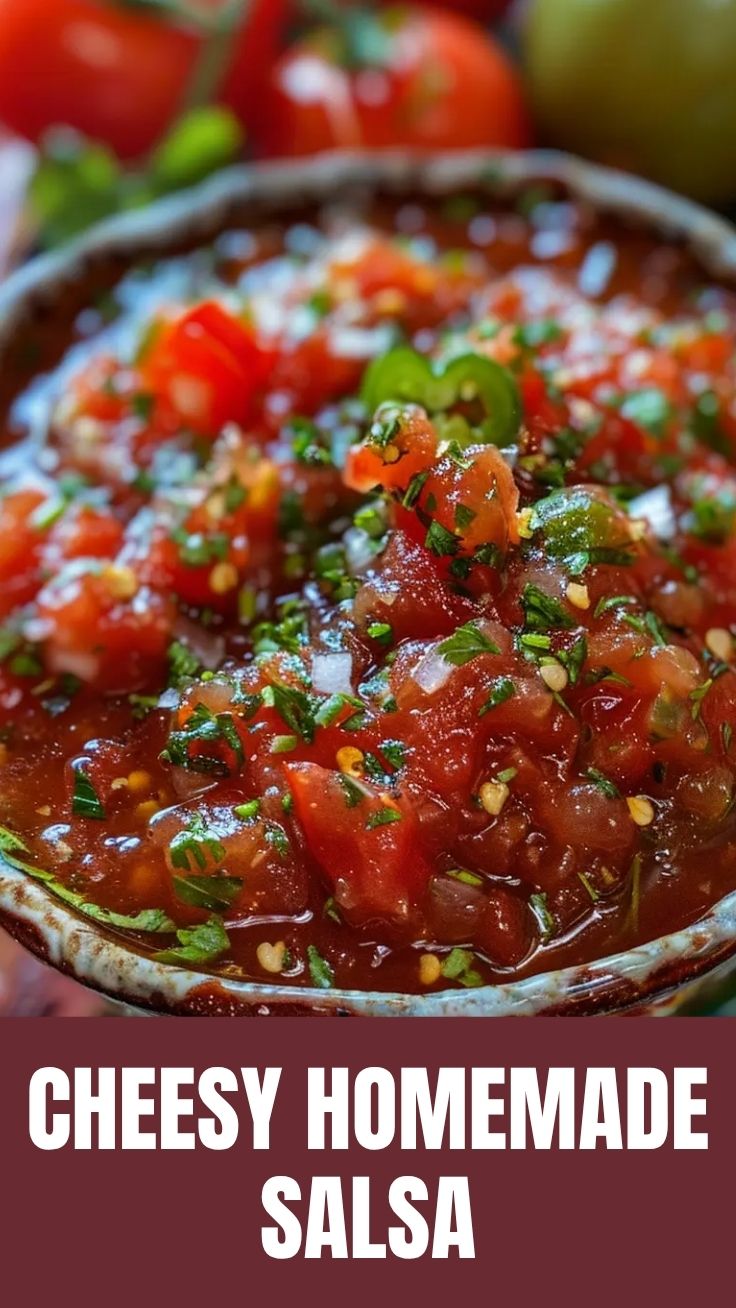
– Prep Time: 15 minutes
– Resting Time: 30 minutes (optional but highly recommended)
– Total Time Before Serving: 15–45 minutes
This salsa is raw, so there is no active cooking required. However, allowing the flavors to marry for at least 30 minutes at room temperature significantly improves depth. If you are short on time, you can serve immediately and adjust seasoning after tasting. Plan the resting phase during the last part of meal prep so the salsa aligns perfectly with your main dish.
—
Step-by-Step Instructions
1. Prepare the tomatoes. Cut each tomato in half horizontally and gently squeeze out the seeds and excess gel. Chop the flesh into ¼-inch dice and transfer to a mixing bowl. Using the freshest produce is your secret weapon—starting with Fresh tomatoes ensures a bright, sweet, and acidic profile that no canned alternative can replicate.
2. Dice the onion and peppers. Finely chop the onion and mince the jalapeños. For a milder salsa, remove the white pith and seeds of the peppers before chopping. Add both to the bowl.
3. Add aromatics and seasoning. Mince the garlic cloves and fold them in along with the cilantro. Sprinkle the salt, cumin, and black pepper evenly over the mixture. Stir gently.
4. Add lime and rest. Squeeze the juice of one lime over the top, then stir. Taste and adjust salt or acidity. For the best texture, let the salsa sit for 30 minutes at room temperature. This step gives your Homemade Salsa time to develop a balanced, layered flavor that tastes like slow-roasted magic.
—
Nutritional Benefits & Advantages
This salsa is nutrient-dense and diet-friendly. A ½-cup serving contains approximately 30 calories, 1 gram of protein, and 4 grams of carbohydrates, with nearly 2 grams of fiber from tomatoes and onions. Fresh tomatoes are a powerhouse of lycopene—a potent antioxidant linked to heart health and reduced inflammation. The vitamin C from tomatoes and lime boosts immunity, while cilantro provides trace amounts of vitamin K and manganese. Because there is no oil, sugar, or preservatives, this recipe supports low-fat, vegan, gluten-free, and Whole30 dietary patterns. The capsaicin in jalapeños may also modestly boost metabolism. Homemade salsa from whole ingredients naturally minimizes sodium compared to most store-bought versions.
—
Tips, Variations & Cooking Advice
Flavor Twists
– Smoky salsa: Roast tomatoes, onions, and jalapeños under a broiler for 5–7 minutes before chopping.
– Fruity salsa: Add ½ cup diced mango or pineapple for sweetness and tang.
– Creamy version: Blend ½ avocado into the finished salsa for a silky texture.
Dietary Adaptations
– Low-FODMAP: Use the green tops of green onions instead of white onion, remove garlic, and skip the onion entirely or use asafoetida powder.
– Nightshade-free: Replace tomatoes with roasted red bell peppers and tomatillos.
Portion Changes
– Double the batch for a party and serve in a wide bowl to prevent sogginess.
Advanced Cooking Methods
– For a smoother, restaurant-style salsa, pulse all ingredients 3–4 times in a food processor. Be careful not to over-blend into a puree.
—
Common Mistakes to Avoid
– Skipping the seeding step – Tomato seeds add watery bitterness that dilutes the flavor. Always remove them.
– Mincing ingredients too large – Unevenly sized pieces create an unbalanced bite. Aim for uniform ¼-inch dice.
– Adding lime too early – Acidity can break down tomatoes if left sitting for hours. Add lime just before resting or serving.
– Under-salting – Salt amplifies the natural sweetness of tomatoes. Taste and adjust generously; you need more than you think.
– Using cold ingredients – Chilled tomatoes mute flavor. Always use room-temperature produce for the brightest taste.
—
Storage & Meal Prep Tips
Store leftover salsa in an airtight container in the refrigerator for up to 4 days. The texture will soften slightly, but flavor deepens. Do not freeze raw salsa – the tomatoes become mushy and watery upon thawing. For meal prep, prepare all ingredients the night before and store them separately (tomatoes, onion mixture, and lime juice) in the fridge, then combine and rest 30 minutes before serving. Always allow salsa to come to room temperature for 15 minutes before eating to revive the aromatic compounds. If you prefer a chunkier texture the next day, drain off any accumulated liquid with a fine-mesh strainer and stir in a pinch of fresh salt.
—
Conclusion
Making salsa from scratch is a five-star upgrade to any meal, and it all starts with the core duo: Homemade Salsa built around the unstoppable freshness of Fresh tomatoes. This recipe proves that with a few simple techniques—seeding, uniform dicing, and a patient rest—you achieve a condiment that is healthier, more flavorful, and beautifully customizable. Try it with tortilla chips, spooned over tacos, or stirred into grain bowls. Share your batch with friends and tag your results—once you taste the difference, you will never go back to the jar again.
—
FAQs
1. Can I use canned tomatoes instead of fresh?
Yes, but the texture will be softer and slightly more acidic. Drain a 14-ounce can of whole peeled tomatoes, crush them by hand, and proceed with the recipe. Expect a saucier consistency.
2. How do I tone down the heat if I accidentally add too many jalapeños?
Stir in 1–2 tablespoons of diced avocado or a spoonful of plain Greek yogurt. Adding extra diced tomatoes also dilutes the capsaicin concentration.
3. Why is my salsa watery?
You likely skipped seeding tomatoes, or the salsa sat for more than 2 days. Drain off excess liquid with a strainer and stir in ½ teaspoon of salt to rebalance.
4. Can I make this salsa without cilantro?
Absolutely. Substitute fresh parsley, mint, or simply omit the herb. Add an extra squeeze of lime to brighten the flavor.
5. How long should I let the salsa rest?
Minimum 15 minutes, but 30–60 minutes at room temperature yields the best flavor. If refrigerating overnight, let it warm up before serving.
Homemade Salsa
Ingredients
Equipment
Method
- Drain the canned diced tomatoes to remove excess liquid, ensuring a thicker salsa.
- Roughly chop the red onion, jalapeño (remove seeds if you prefer less heat), and garlic cloves.
- Coarsely chop the fresh cilantro.
- Combine the drained diced tomatoes, chopped red onion, jalapeño, garlic, cilantro, lime juice, and salt in a food processor or blender.
- Pulse the ingredients until the salsa reaches your desired consistency, leaving it chunky or smoother based on preference.