Why Homemade Pico de Gallo Will Transform Your Cooking Forever
Have you ever wondered why restaurant salsa tastes so much brighter than the jarred versions sitting on grocery store shelves? The secret lies in freshness, texture, and the perfect balance of ingredients. When you make Pico de Gallo at home, you unlock a world of flavor that no pre-made product can replicate. This authentic Mexican condiment, also known as salsa fresca, uses only the freshest vegetables and herbs to create a vibrant, chunky texture that elevates everything from tacos to grilled meats. Preparing your own batch costs less than store-bought options, takes only 15 minutes, and allows you to customize the heat level and ingredient ratios to your exact preference. Once you taste homemade Pico de Gallo, you’ll never go back to the packaged versions again.
Ingredients & Kitchen Tools
Fresh Produce
– 6 Roma tomatoes, seeded and diced (firm texture is essential)
– 1 medium white onion, finely chopped (red onion works well for milder flavor)
– 2 jalapeño peppers, seeded and minced (serrano peppers add more heat)
– 1 cup fresh cilantro leaves, chopped (stems removed for tender texture)
– 2 cloves garlic, minced (fresh garlic outperforms pre-minced varieties)
Seasonings & Liquids
– Juice of 2 fresh limes (bottled juice lacks brightness)
– 1 teaspoon sea salt (start with less and adjust)
– ½ teaspoon black pepper, freshly ground
Optional Substitutions
– Swap cilantro with fresh parsley if you dislike cilantro’s flavor
– Use cherry tomatoes for sweeter, less watery results
– Add ½ cup diced mango or pineapple for tropical variation
Kitchen Tools
– Sharp chef’s knife for precise dicing
– Large cutting board
– Mixing bowl (glass or stainless steel preferred)
– Citrus juicer or reamer
– Fine-mesh strainer for rinsing cilantro
– Measuring spoons
Prep Time & Cooking Schedule
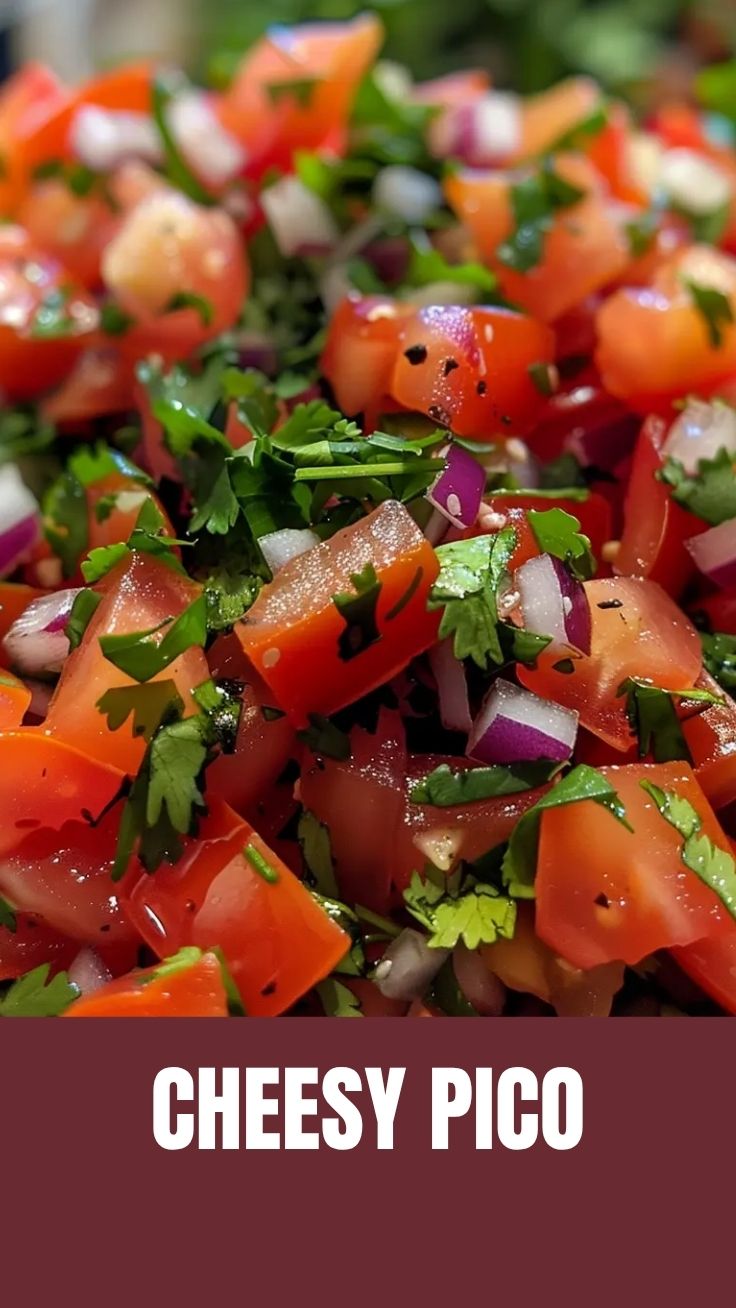
The beauty of this recipe lies in its simplicity—there is no actual cooking involved. Prep time takes approximately 15 minutes for washing, dicing, and combining all ingredients. However, the resting and marinating time is crucial. After mixing, let your Pico de Gallo sit at room temperature for 20 to 30 minutes. This resting period allows the lime juice to mellow the onion’s sharpness and lets the flavors meld together harmoniously. For best results, prepare it at least one hour before serving and refrigerate. This timing makes it perfect for meal prep or entertaining. The total time from start to table is about 45 minutes including resting.
Step-by-Step Instructions
Step 1: Prepare Your Tomatoes
Cut Roma tomatoes in half lengthwise and remove the seeds using a small spoon. Seeding prevents your Pico de Gallo from becoming watery. Dice into uniform ¼-inch cubes. Place in a colander for 5 minutes to drain excess liquid.
Step 2: Finely Chop Aromatics
Dice your onion into pieces similar in size to the tomatoes. Mince jalapeños after removing seeds and white membranes—this controls heat while preserving flavor. Chop cilantro finely but avoid turning it into paste.
Step 3: Combine Fresh Ingredients
Transfer tomatoes, onion, jalapeño, cilantro, and minced garlic to your mixing bowl. Toss gently with your hands or a spoon to distribute evenly without crushing the tomato pieces.
Step 4: Season and Acidify
Drizzle lime juice over the mixture. Add salt and pepper. Stir gently to coat everything. Taste and adjust seasoning. The lime juice should brighten but not overpower the vegetables. Remember that this condiment is essentially a fresh salsa fresca, so balance is key to letting each ingredient shine.
Step 5: Rest and Serve
Cover the bowl with plastic wrap and let rest at room temperature for 20 minutes. Refrigerate if serving later. Stir once more before serving with chips, tacos, grilled fish, or eggs.
Nutritional Benefits & Advantages
Pico de Gallo offers exceptional nutritional value with minimal calories. A half-cup serving contains approximately 25 calories, making it an ideal condiment for weight management. Tomatoes provide lycopene, a powerful antioxidant linked to reduced risk of heart disease and certain cancers. Onions deliver quercetin, which supports immune function and reduces inflammation. Jalapeños contain capsaicin, a compound that may boost metabolism and reduce appetite. Cilantro acts as a natural chelator, helping the body eliminate heavy metals. Lime juice provides vitamin C for immune support and enhances iron absorption from other foods. Unlike cooked salsas, this raw preparation preserves all heat-sensitive nutrients and enzymes. Additionally, it’s naturally gluten-free, vegan, dairy-free, and contains no added sugars or preservatives, making it suitable for nearly all dietary preferences.
Tips Variations & Cooking Advice
Flavor Variations
Add one diced mango, pineapple, or peach for sweetness that balances spicy heat. Substitute black beans and corn for a heartier version. Use roasted tomatoes and charred peppers for a smoky profile. Add ½ teaspoon cumin or chili powder for deeper warmth.
Ingredient Swaps
Replace white onion with shallots for milder sweetness. Use lemon juice instead of lime for a different citrus note. Try oregano or epazote instead of cilantro if you have the soapy gene.
Texture Adjustments
For chunkier salsa, dice vegetables into larger pieces. For smoother consistency, pulse in a food processor three or four times. Drain excess liquid after resting to prevent watery chips.
Dietary Adaptations
This recipe is already gluten-free, vegan, and Whole30 compliant. For low-FODMAP diets, use green onion tops instead of white onion and remove jalapeño seeds.
Common Mistakes to Avoid
Overwatering Your Salsa
The most frequent error is skipping the seeding and draining step. Wet tomatoes create runny salsa that pools on chips and dilutes flavor. Always remove seeds and let diced tomatoes rest in a colander before mixing.
Inconsistent Dicing
Pieces of varying sizes create an unbalanced eating experience. Uniform ¼-inch dice ensures every chip gets the perfect ratio of tomato to onion to pepper in each bite.
Skipping the Resting Period
Serving immediately delivers raw, harsh onion flavor and separate, uncombined ingredients. The 20-minute rest is non-negotiable for proper flavor marriage.
Overpowering with Lime
Too much lime juice masks the freshness of the produce and makes salsa sour. Start with juice of one lime, taste, then add more gradually.
Using Wooden Bowls for Storage
Wood absorbs moisture and odors, affecting the flavor of your salsa. Always use glass, ceramic, or stainless steel containers.
Storage & Meal Prep Tips
Refrigerate leftover Pico de Gallo in an airtight glass container for up to 3 days. The flavors will deepen overnight, but the texture gradually softens. Do not freeze—the vegetables break down completely upon thawing, creating a mushy, watery mess. For meal prep, chop all vegetables separately and store them in individual containers. Combine with lime juice and salt only when ready to serve. Alternatively, prepare the full recipe without salt, then add salt just before serving to prevent excess moisture release. Stir before serving each time, as juices settle at the bottom. If storing longer than 24 hours, drain accumulated liquid before serving. Never leave at room temperature for more than 2 hours for food safety.
Conclusion
Making Pico de Gallo from scratch transforms everyday meals into restaurant-quality experiences with minimal effort. You control the ingredients, the heat level, and the freshness. This versatile condiment works as a dip, a topping, or a side dish, and it adds brightness to proteins, grains, and vegetables alike. By mastering this simple recipe, you gain a foundational skill that opens doors to countless variations, from fruit-infused versions to hearty bean-studded creations. The freshness of homemade salsa fresca cannot be matched by any store-bought alternative. Try this recipe tonight, experiment with one of the variations, and share your results with friends. Tag your creation or leave a comment below—we’d love to see how you make it your own.
FAQs
Can I use canned tomatoes for Pico de Gallo?
No, canned tomatoes are cooked and processed, making them too soft and watery. Fresh Roma tomatoes provide the firm texture essential for authentic results.
How do I make this spicier without changing flavor?
Leave the seeds and white membranes in your jalapeños, or substitute serrano or habanero peppers. The heat will intensify noticeably.
Why did my Pico de Gallo become watery after refrigeration?
Salt draws moisture out of vegetables over time. Strain the salsa before refrigerating, or add salt only when ready to serve. Drain accumulated liquid before each use.
Can I use dried cilantro instead of fresh?
Dried cilantro lacks the bright, herbaceous flavor and fresh texture that defines this recipe. Fresh cilantro is essential; there is no adequate substitute.
Is Pico de Gallo good for meal prep?
Yes, but store chopped vegetables separately and combine with lime and salt just before serving. Already-mixed salsa holds for 2 to 3 days in the refrigerator with gradually softening texture.
Quick way to grow 7 Pico de Gallo recipesPico de Gallo
Ingredients
Equipment
Method
- Dice the tomatoes, onion, and jalapeño into small, uniform pieces.
- Chop the fresh cilantro finely.
- In a medium bowl, combine the diced tomatoes, onion, jalapeño, and chopped cilantro.
- Pour in the fresh lime juice and season with salt and black pepper.
- Gently mix all the ingredients until well combined. Taste and adjust seasonings as needed.
- Serve immediately with tortilla chips, tacos, or as a topping for grilled meats. For best flavor, let it sit for 10-15 minutes before serving.